Do Dogs Understand Pointing?


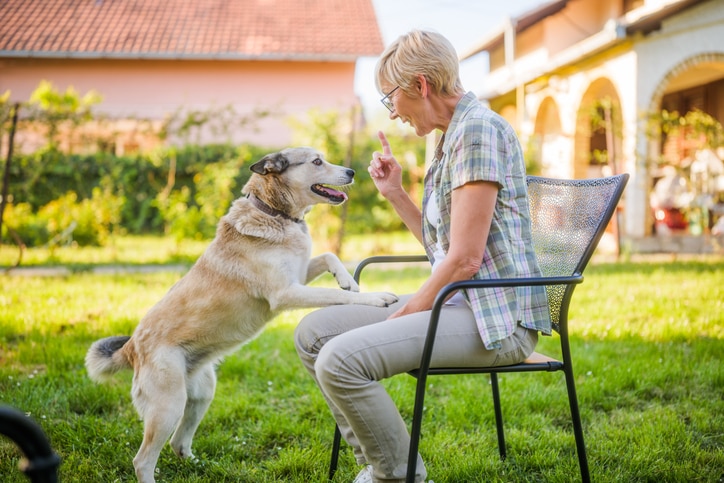
Photo by LittleBee80/iStock/Getty Images Plus
Pointing is simple enough to understand in human terms. When we point, we’re essentially saying, “Look over there.” But do dogs understand pointing?
In many cases, yes—and for those dogs who don’t grasp the concept right away, it’s a skill they can learn.
Do Dogs Understand Pointing?
Yes, dogs understand pointing. Research shows that dogs can follow human pointing gestures as a directional cue, says Esther Eng, DVM, a clinical behavior resident at the Animal Behavior Wellness Center in Fairfax, Virginia.
In studies, dogs consistently demonstrate this ability:
- They choose the bowl containing a treat that a human points to, even when smell isn’t a factor.
- They can follow unfamiliar pointing gestures, like pointing with a leg.
- They may stop responding if a person repeatedly points incorrectly, showing they can learn whether a cue is reliable.
These findings suggest dogs aren’t just reacting—they’re interpreting human gestures and learning from experience, says Vanessa Spano, DVM, DACVB, veterinary behaviorist at the Schwarzman Animal Medical Center in New York City.
How Do Dogs Interpret Human Pointing?
Dogs don’t interpret pointing quite the way humans do, but research shows they’re highly skilled at picking up on human cues. When you point, many dogs learn to follow your finger in anticipation of something meaningful.
This ability comes from a combination of factors:
- Domestication: Over thousands of years, dogs have learned that reading human cues has advantages, especially when it comes to finding food or staying safe.
- Genetics: Research suggests some dogs may be naturally inclined to understand human gestures.
- Learned experience: Dogs learn that following a pointing gesture often leads to something positive, especially when it’s reinforced with rewards.
In other words, most dogs are naturally predisposed to understand pointing, but practice and experience help it truly stick, Dr. Eng says.
That said, not all dogs pick up on pointing at the same pace, says Alexandra Bassett, CPDT-KA, founder and head dog trainer at Dog Savvy Positive Dog Training in Salt Lake City.
Factors that can influence how well your dog connects the dots:
- Breed: Dogs bred to work closely with humans, such as hunting, herding, or companion breeds, may learn faster than more independent breeds, like Terriers.
- Personality: Curious, people-oriented, or highly motivated dogs tend to notice what humans are doing more quickly, while more independent or anxious dogs may need more time.
- Experience: Dogs with positive past experiences following human cues often learn faster.
- Age: Puppies and young dogs may learn quickly but get distracted easily, while senior dogs may need more patience.
How To Teach Your Dog To Understand Pointing
You can teach your dog to understand pointing using a reward-focused approach, Bassett says.
Here’s what she suggests:
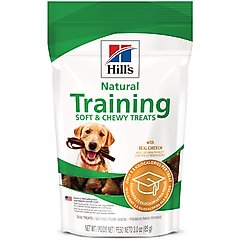
- Start with something obvious. Place a tasty dog treat in plain sight so your dog can see it, then point to it in a slightly exaggerated way. Use a phrase like “there!” or “look!” to help connect the gesture with the action.
Recommended Products

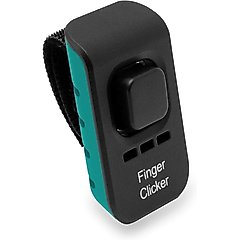
2. Use a marker and reward. As soon as your dog moves toward the treat (or even glances at it), say a marker word (like “yes!”) or use a clicker to show them exactly when they got it right. Then allow them to get the treat.
Recommended Product
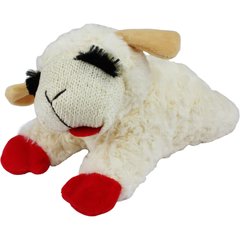
3. Gradually increase the difficulty. Move the treat farther away or place it out of sight so your dog has to rely more on your gesture than their nose. You can also try pointing to a non-treat object, such as a dog toy, then reward them after they successfully follow your gesture.
Recommended Products

Bassett recommends keeping sessions short—about five minutes at a time—and practicing a few times throughout the day.
“Some dogs take a few repetitions; others may need weeks to really understand,” she says. “The key is patience and positive reinforcement.”
Other Ways To Communicate With Your Dog
Pointing is just one way that pet parents can communicate with their dogs, and it often works best when paired with other signals.
Here are a few other ways you and your dog understand each other.
Signal with Body Language
Dogs are constantly reading your movements. Something as simple as leaning forward, nodding your head, or stepping in a certain direction can signal your intentions and help your dog understand what you want them to do.
Give Clear Verbal Cues
Consistent cues like “sit,” “stay,” “come,” and “look” give your dog clear instructions. Over time, these words become reliable signals your dog can depend on, especially when the words are consistently paired with rewards like treats and praise. The key is keeping your cues simple and using the same word every time.
Use Eye Contact and Gaze
Many dogs will follow where you’re looking, even if you don’t point. If you glance toward a toy or treat, your dog may pick up on that and investigate.
Adjust Your Tone of Voice
Your tone of voice adds emotional context for your dog. For example, a cheerful, upbeat tone can motivate and excite your dog, while a softer, slower tone can help them calm down.
FAQs About Dogs and Pointing
Do dogs like it when you point?
It depends. Most dogs don’t have strong feelings about pointing itself—as long as you’re not pointing a finger right in their face—but they may learn to enjoy it if it consistently leads to something positive, such as a treat, toy, or praise.
Can puppies understand pointing?
Yes, many puppies can follow pointing gestures early on. However, they may rely more on trial and error at first and improve with practice and reinforcement.
Are dogs annoyed by pointing?
It depends. Pointing alone isn’t typically irritating, but if a dog doesn’t understand the gesture or if your cues are unclear or inconsistent, it can be confusing—and that can lead to frustration.
Attributions