10 Dog Breeds Prone to Anxiety


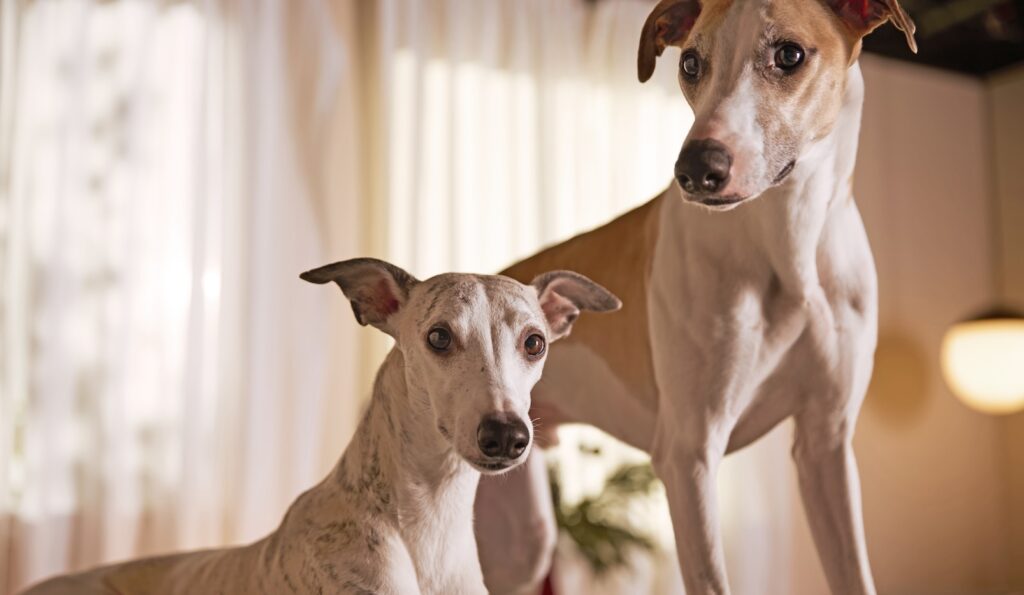
Photo by Chewy
While any pup can feel stressed, certain dog breeds may struggle more with anxiety.
In this guide, we’ll explain what anxiety in dogs looks like, highlight some of the most anxious dog breeds, and share practical ways to support dogs with high anxiety so they can feel safe and confident.
Key Takeaways
- A high-anxiety dog may show signs like pacing, barking, destructive behavior, or house soiling when stressed.
- Genetics, early life experiences, and lack of socialization can all contribute to anxiety in dogs.
- Some of the most anxious dog breeds are highly intelligent or deeply bonded to their families.
- Positive reinforcement training, enrichment, and guidance from a veterinarian or behaviorist can help dogs with high anxiety.
What Is Anxiety in Dogs?
Anxiety in dogs is a feeling of fear or worry that doesn’t go away in an appropriate amount of time. Anxiety can happen when a dog anticipates a threat or stressful situation, even if there’s no real danger.
Common causes of canine anxiety include:
- Separation from their pet parents (separation anxiety)
- Loud noises, like thunderstorms or fireworks (noise phobia)
- Changes in routine or environment
- Lack of early socialization
- Previous traumatic experiences
A high-anxiety dog might show signs such as:
- Excessive barking or whining
- Destructive chewing or scratching
- Pacing or trembling
- Accidents in the house
- Clingy behavior
- Hiding
Some dogs experience general anxiety, while others struggle mainly in specific situations, like when they are left alone or at the vet’s office.
If you notice ongoing signs of stress, it’s important to talk with your veterinarian. They can rule out medical issues and help you decide if you should work with a veterinary behaviorist to help your dog.
What Are the Most Anxious Dog Breeds?
First, it’s important to know that personality varies from dog to dog, and that a dog’s breed only explains about 9% of their overall behavior. That said, some breeds are known to be more susceptible to anxiety than others.
1. American Staffordshire Terrier
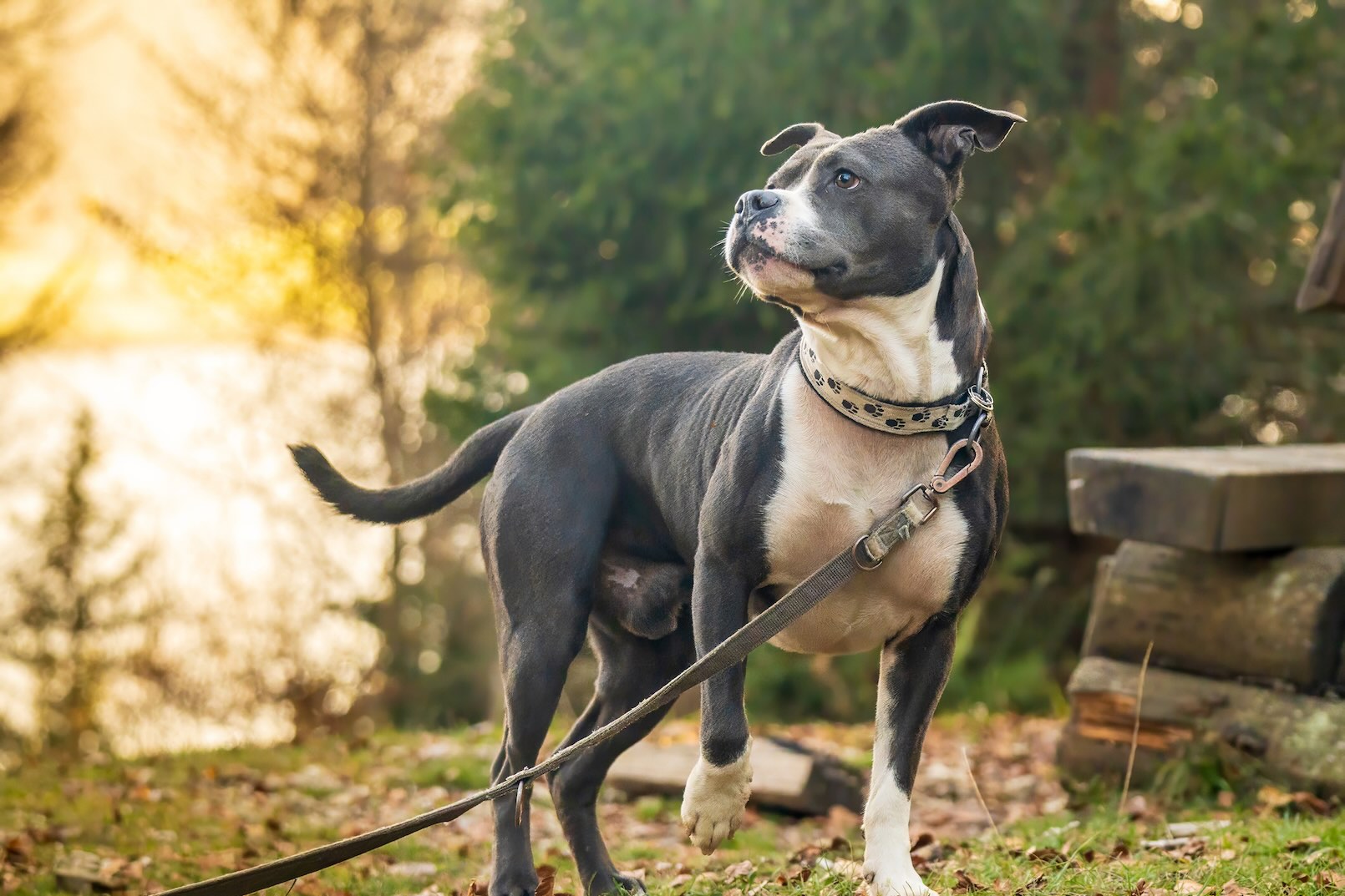
Photo by Cerise HUA/iStock / Getty Images Plus via Getty Images
- Size: Large
- Lifespan: 12–16 years
- Temperament: Devoted, funny, playful
Big, muscular, and blocky, American Staffordshire Terriers are really just big softies. They form tight bonds to their family and generally love being around people. Because of this, they can become stressed and anxious when left alone for long periods.
Positive reinforcement training and sticking to a consistent routine can help reduce the risk of separation-related behavior in AmStaffs.
2. Border Collie
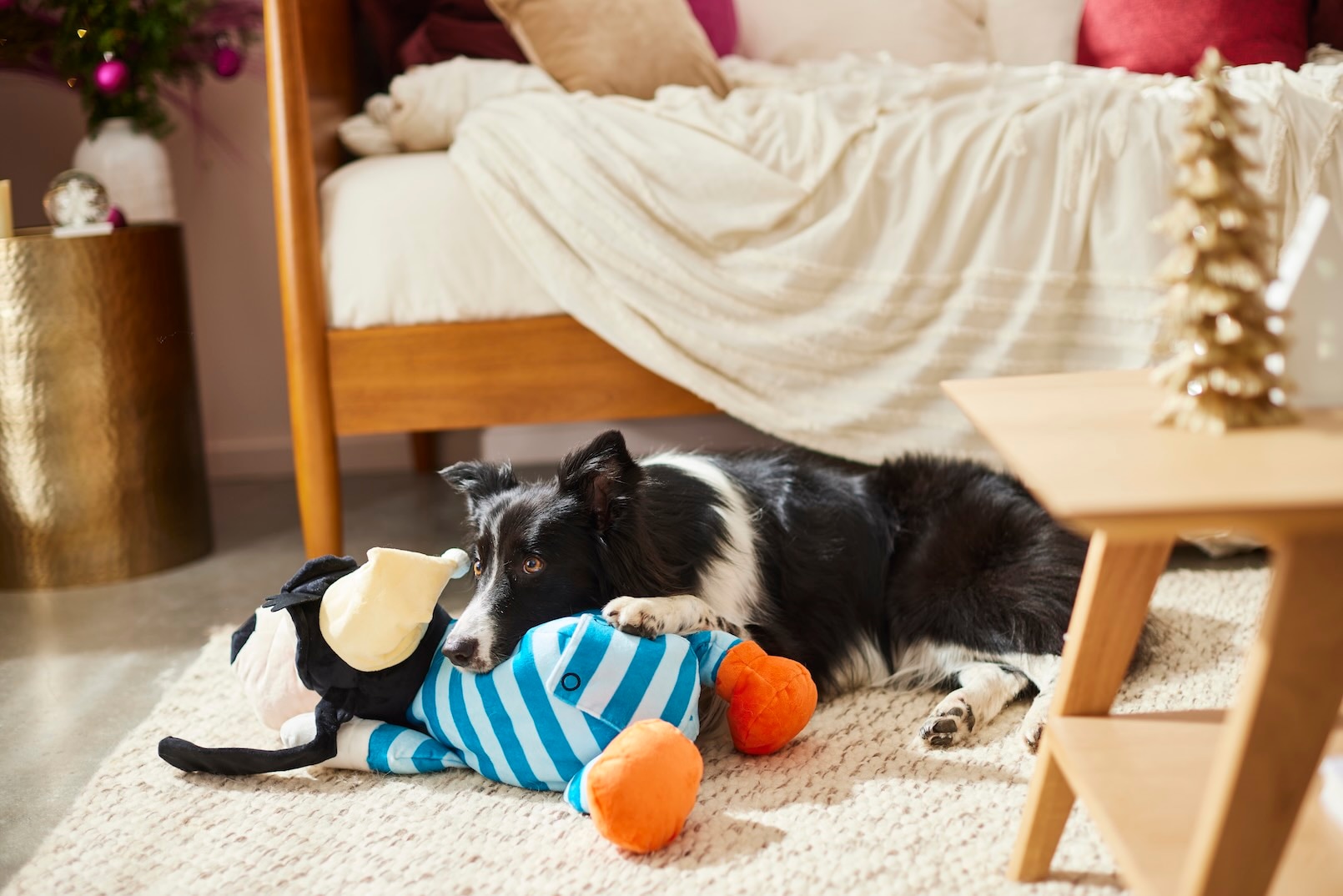
Photo by Chewy
- Size: Medium
- Lifespan: 12–15 years
- Temperament: Active, confident, genius
Border Collies are often cited as the smartest dog breed. While this helps them learn cues and tricks quickly, their big brain and high energy level also make Border Collies a dog breed prone to anxiety.
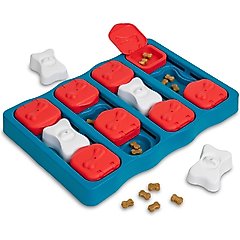
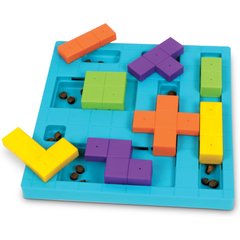
A good way to prevent anxiety is to keep your dog busy with games, interactive toys like puzzles and balls for fetching, and adventures outside (on a leash, always). Border Collies need at least one to two hours of exercise every day!
Recommended Products

3. Chihuahua
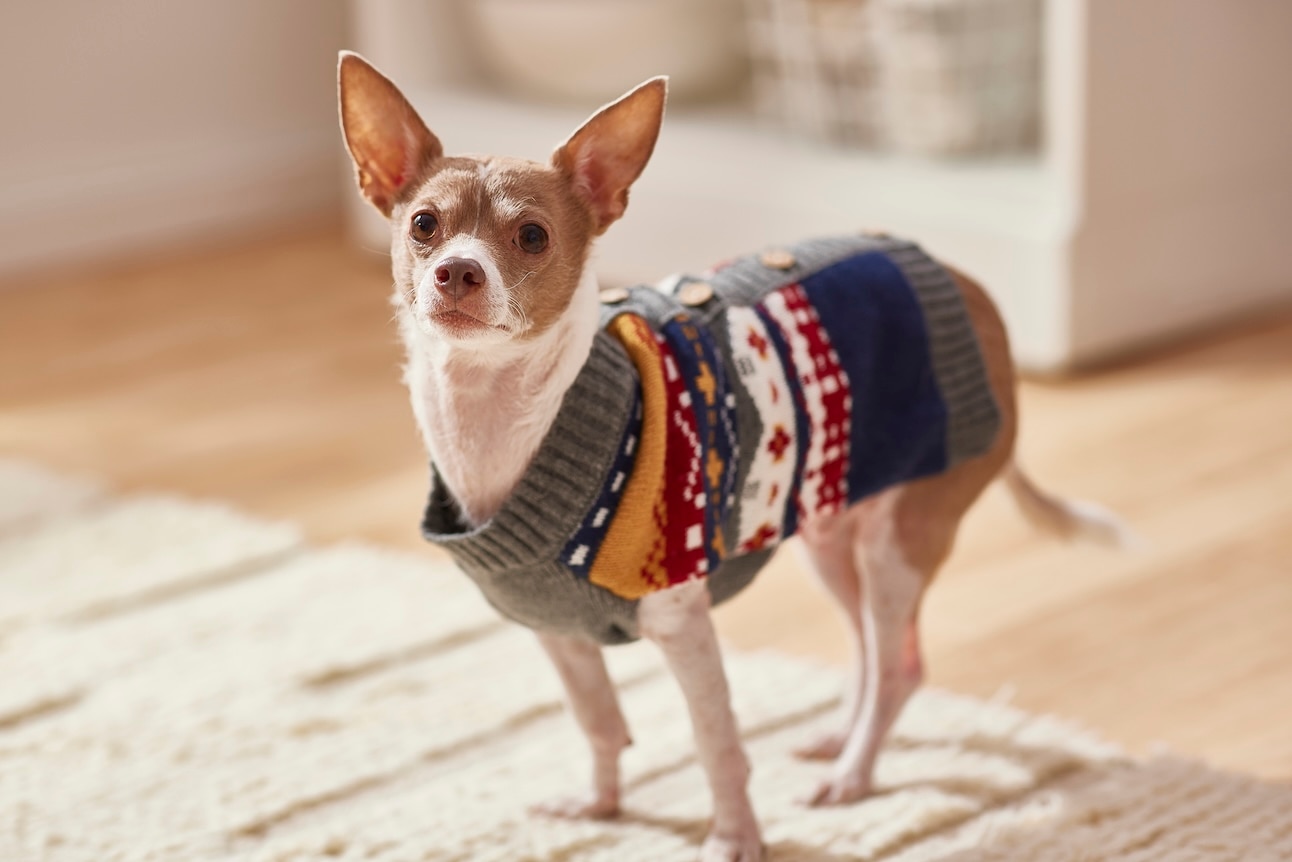
Photo by Chewy
- Size: Extra small
- Lifespan: 14–16 years
- Temperament: Charismatic, chatty, cheeky
Chihuahuas are tiny dogs with big feelings. They tend to attach strongly to one person and are often a bit shy—or even nervous—around new strangers and in new situations. Early and consistent socialization can help your pup be more confident and comfortable.
4. German Shepherd
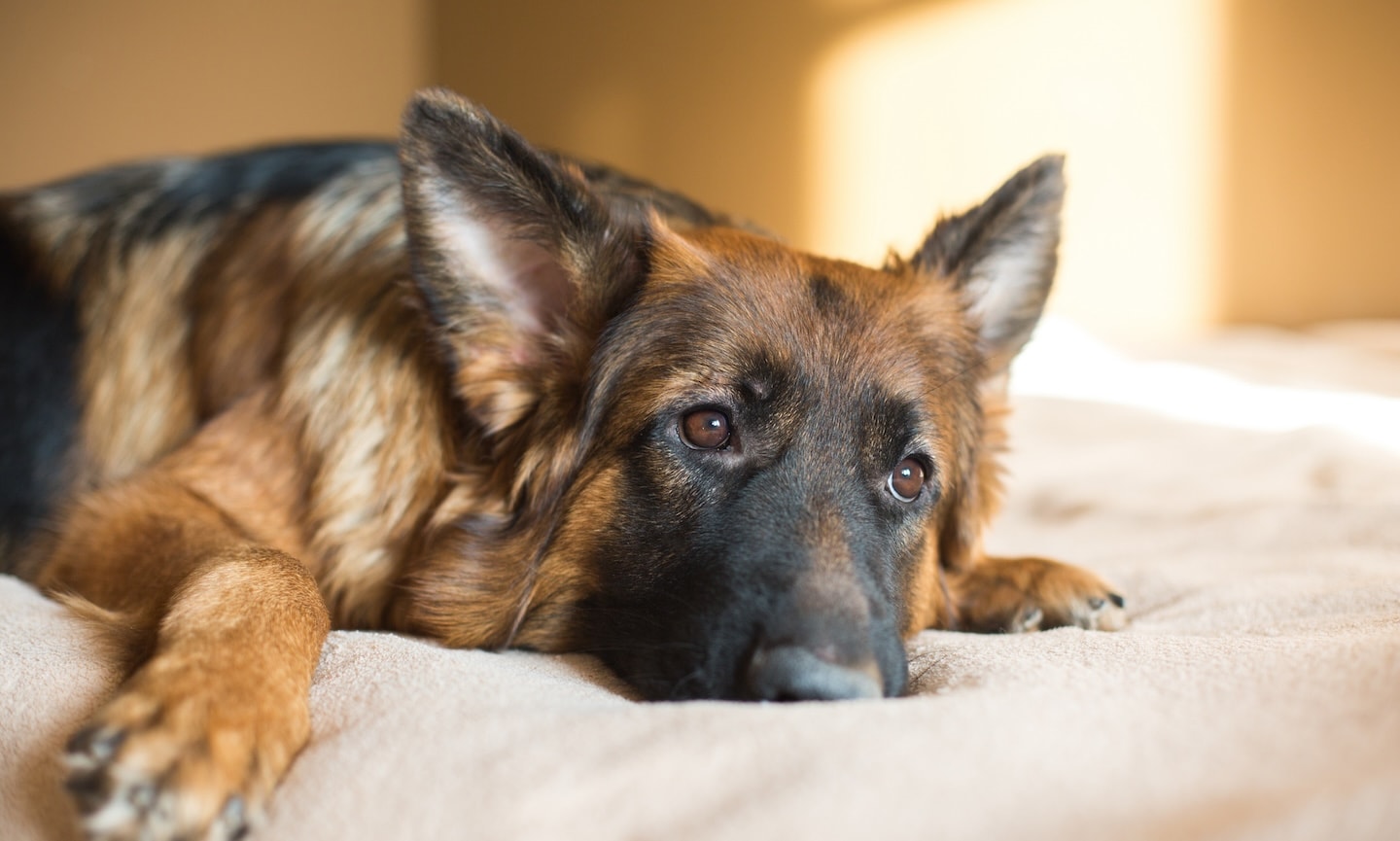
Photo by Korneeva_Kristina/iStock/Getty Images Plus via Getty Images
- Size: Large
- Lifespan: 12–14 years
- Temperament: Intelligent, heroic, loyal
German Shepherds are loyal working dogs who thrive on structure, companionship, and daily exercise. When under-stimulated or left alone too often, they may become anxious.
5. Greyhound
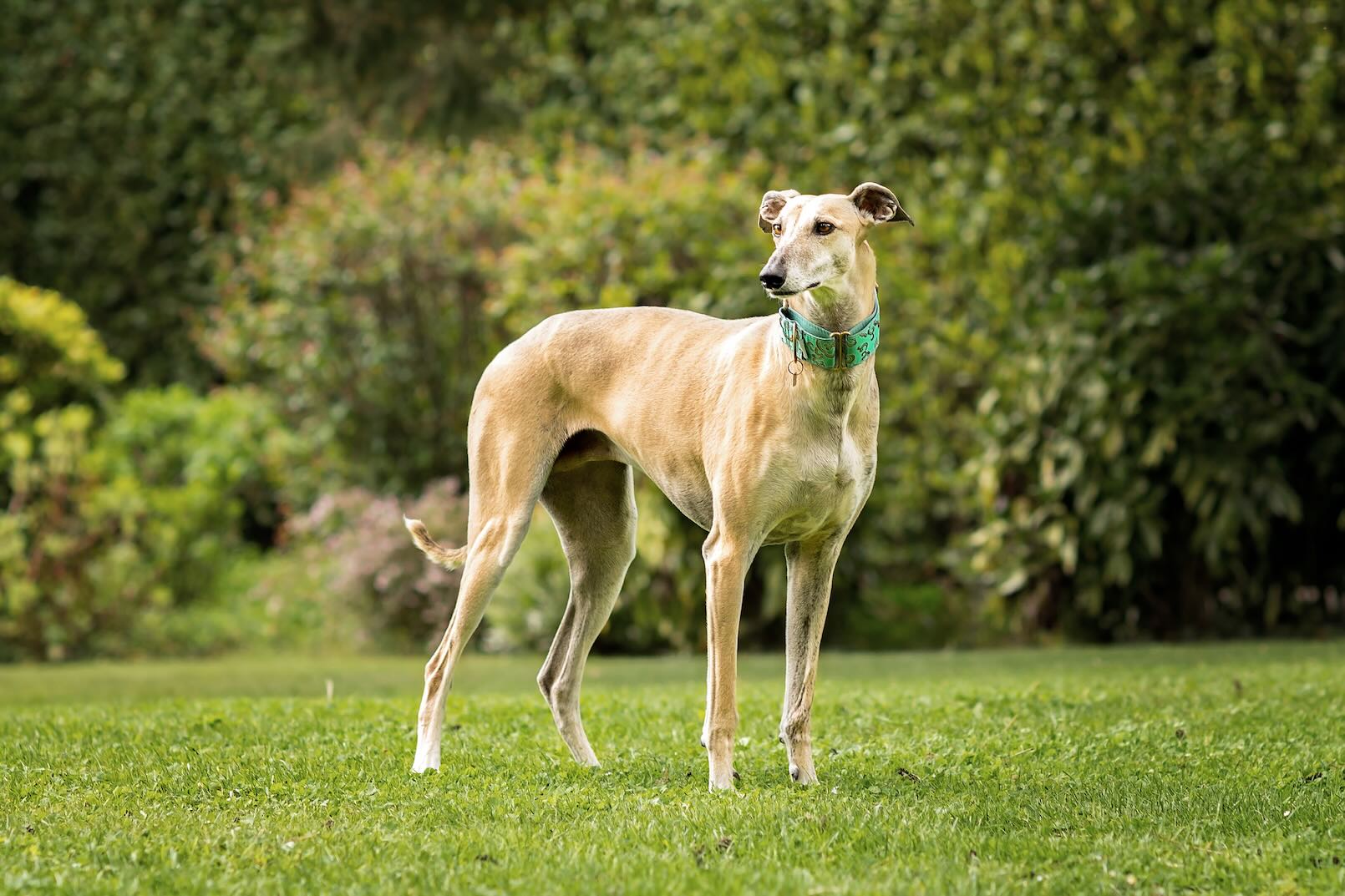
Photo by SvetaElfimova/iStock / Getty Images Plus via Getty Images
- Size: Large
- Lifespan: 10–13 years
- Temperament: Gentle, laid-back, independent
Greyhounds who were bred to race may not have been well-socialized as pups. And as the fastest dog breed, even pet Greyhounds need opportunities to stretch their legs every day.
While they have a calm temperament, Greyhounds are particularly susceptible to anxiety if their needs aren’t met—lure coursing is a favorite activity.
Recommended Product

6. Parson Russell Terrier (Jack Russell Terrier)
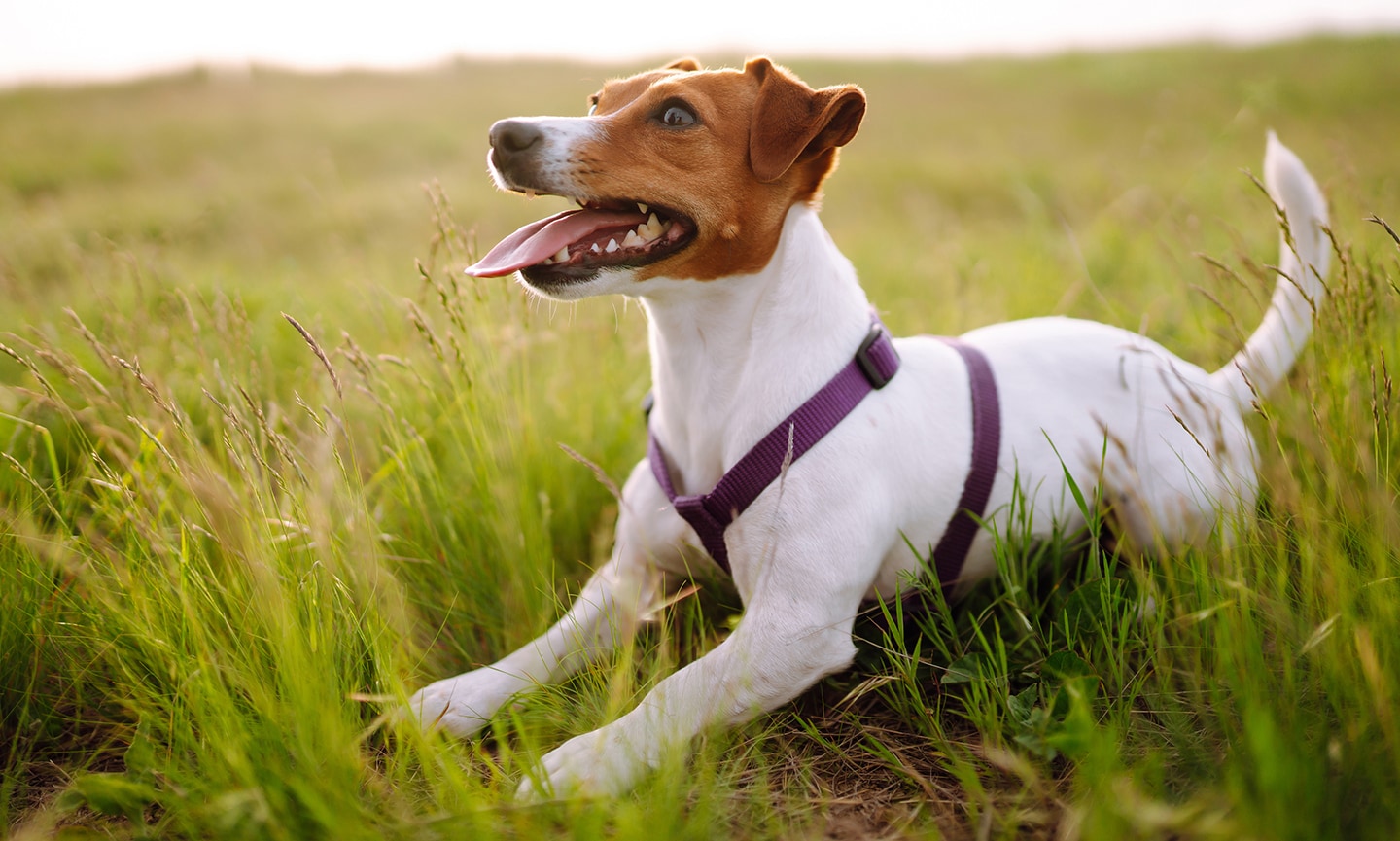
Photo by Maksym Belchenko/iStock / Getty Images Plus via Getty Images
- Size: Small
- Lifespan: 13–15 years
- Temperament: Clever, zestful, talkative
Parson Russell Terriers are commonly called Jack Russell Terriers. Whatever name you refer to them as, they’re bold, energetic, and tend to be anxious. Their high prey drive, intelligence, and energy are all attributes that made them skilled hunters, but they can become restless without their desired outlets (daily walks and playtime).
7. Shiba Inu
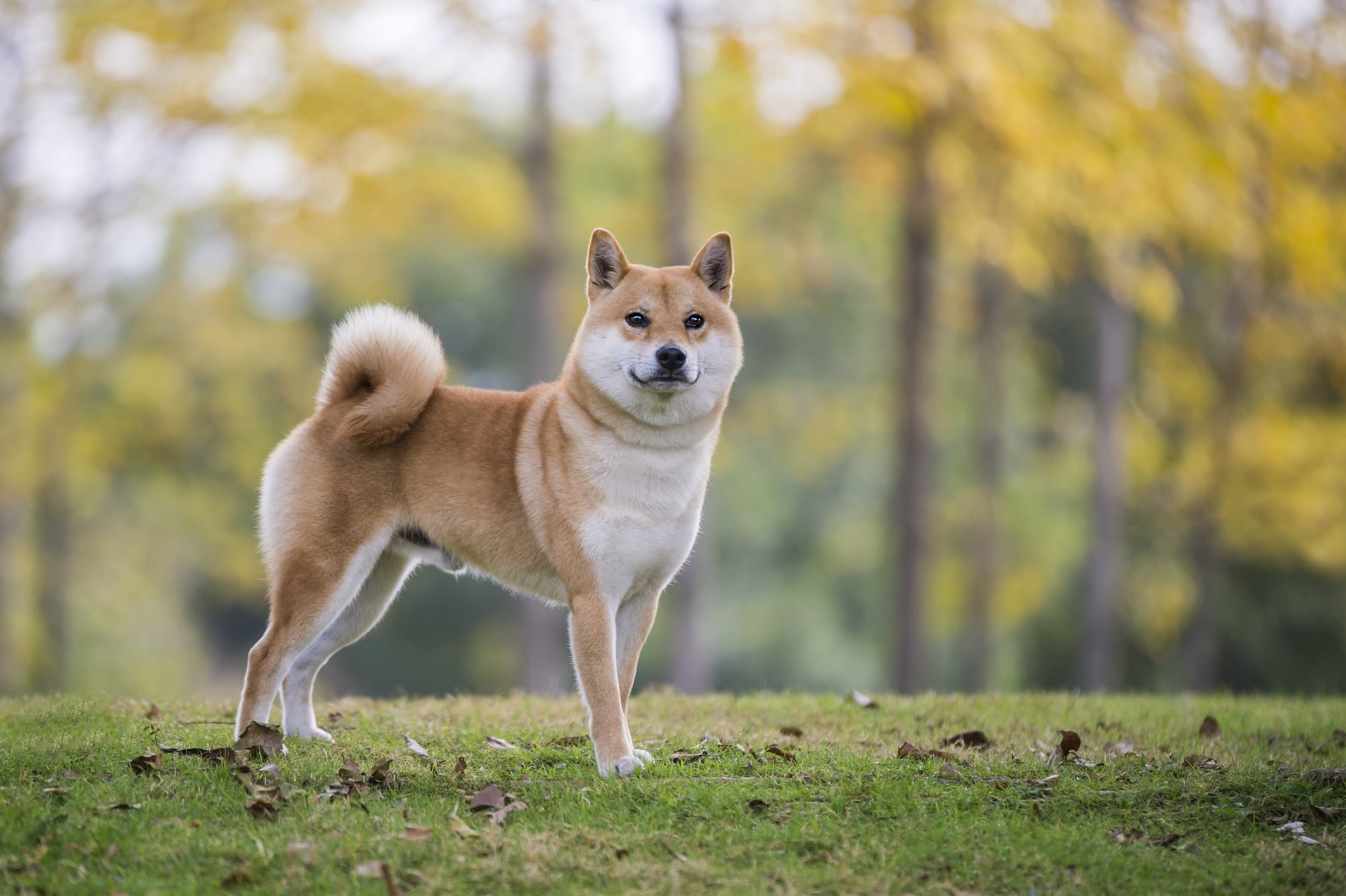
Photo by chendongshan/iStock / Getty Images Plus via Getty Images
- Size: Small
- Lifespan: 13–16 years
- Temperament: Affectionate, independent, quirky
Shiba Inu are independent but sensitive dogs. While they aren’t known to be clingy, they may react strongly to unfamiliar environments or disruptions in their routine, leading to stress-related behaviors like the famous “Shiba scream.”
8. Siberian Husky
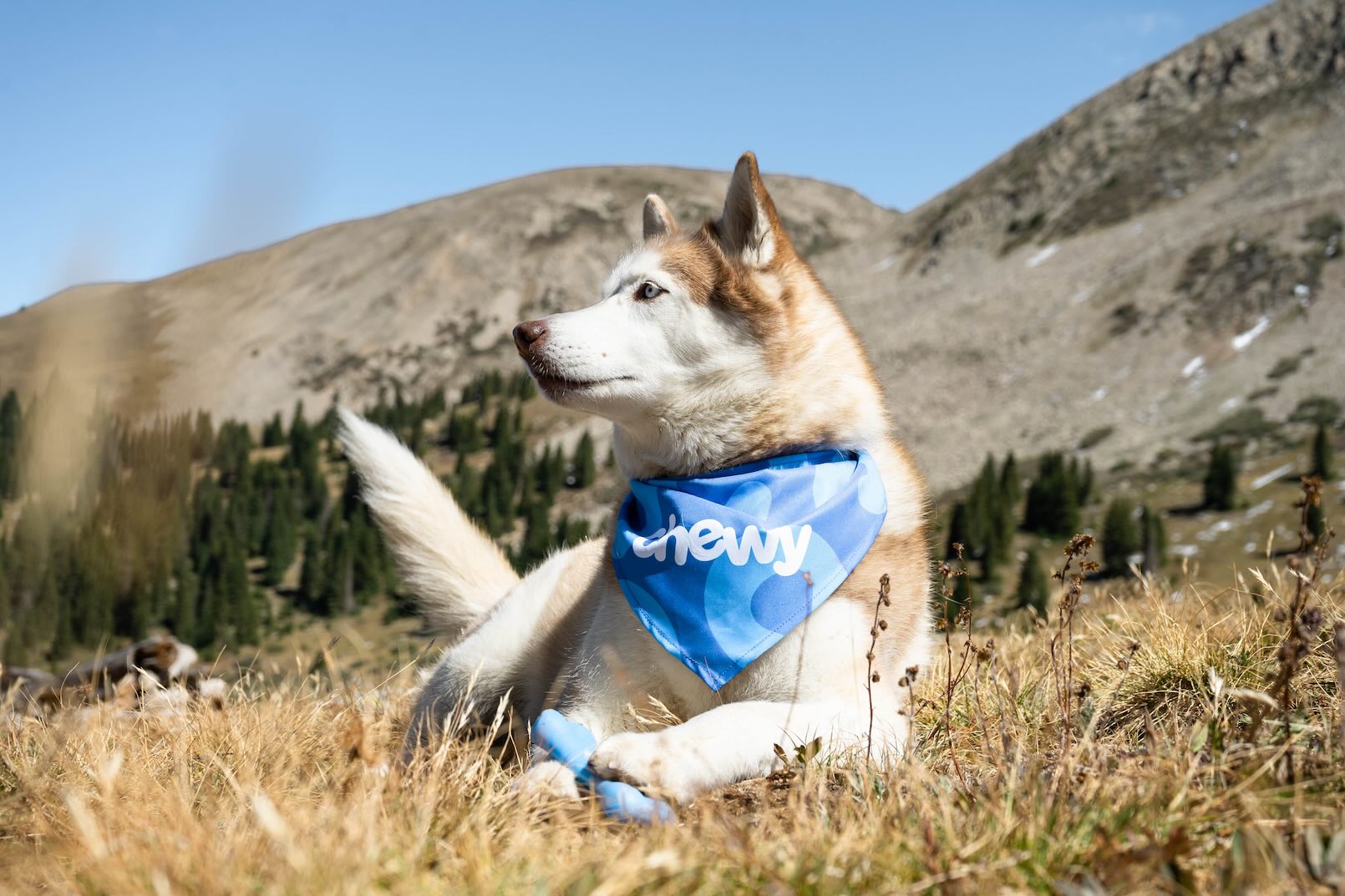
Photo by Chewy
- Size: Medium
- Lifespan: 12–14 years
- Temperament: Cheeky, outdoorsy, social
Siberian Huskies are social dogs who enjoy company. When left alone for long stretches, they may howl, dig, or try to escape the yard. Regular exercise and companionship (plus a sturdy fence) are key for this active breed.
9. Toy Poodle
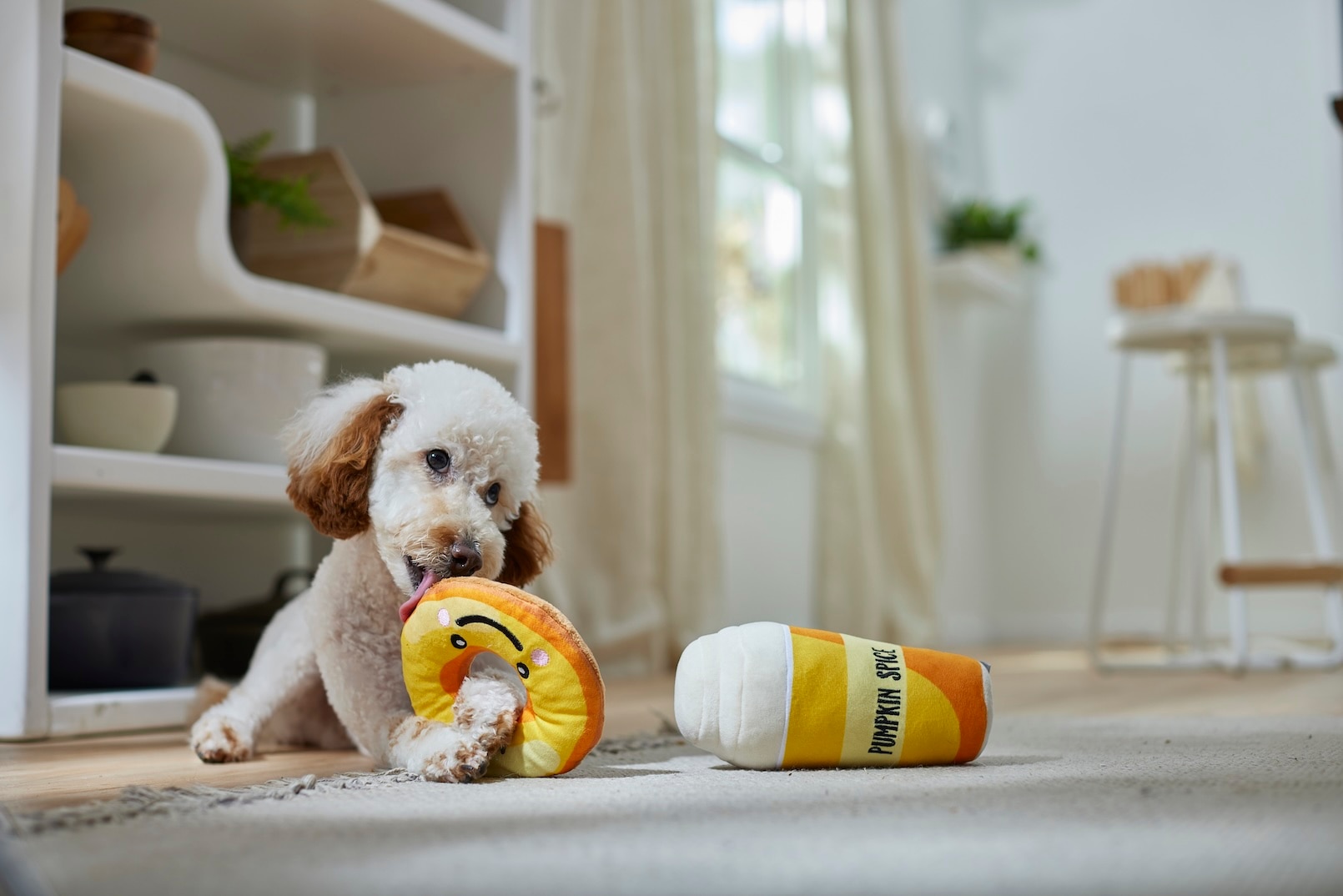
Photo by Chewy
- Size: Extra small
- Lifespan: 10–18 years
- Temperament: Social butterfly, intuitive, eager
The smallest of the three types of Poodles, the Toy Poodle is a highly intelligent pup who’s deeply bonded to their families. Because they’re so tuned in to their pet parents, they can become worried when routines shift or when left alone too often.
10. Vizsla
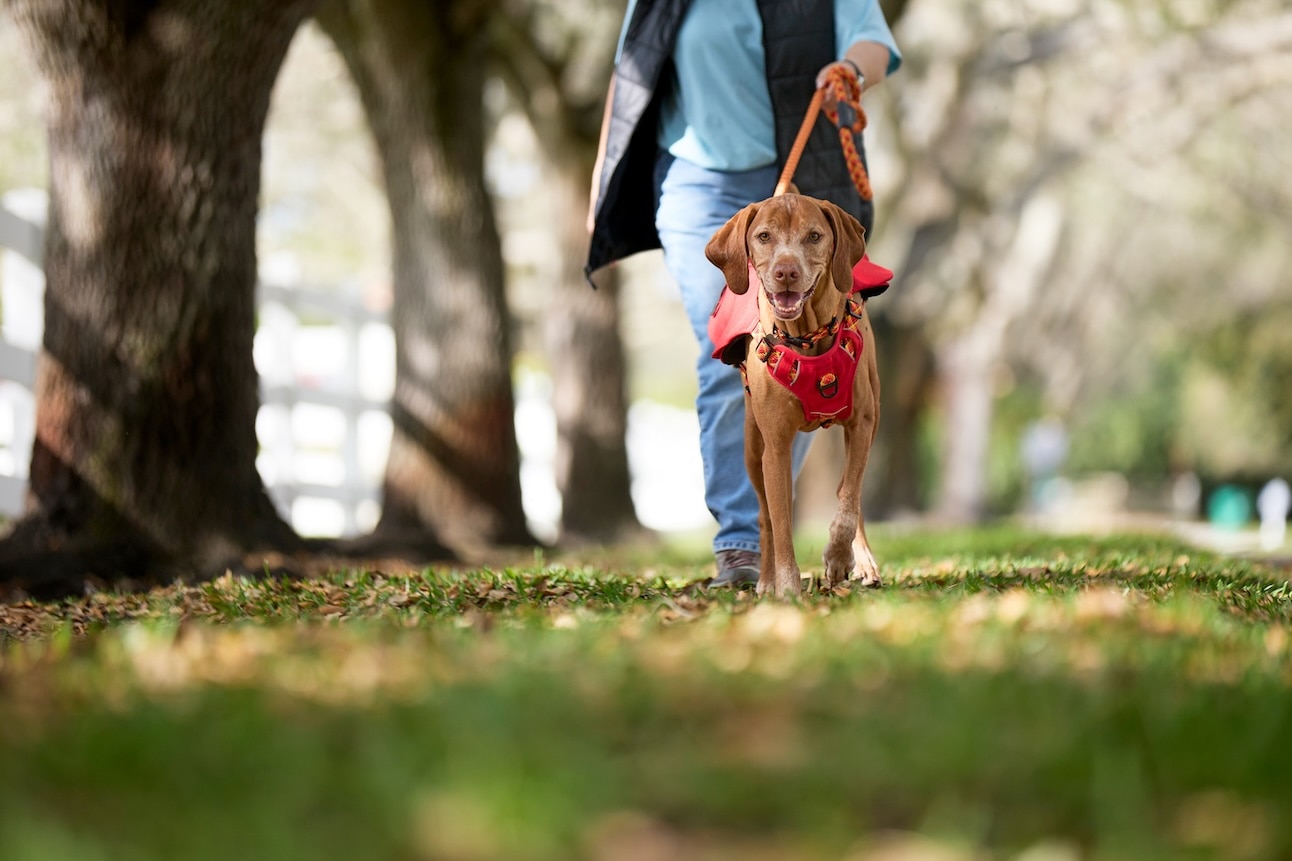
Photo by Chewy
- Size: Medium
- Lifespan: 12–14 years
- Temperament: Athletic, courageous, gentle
Vizslas are sometimes nicknamed “Velcro dogs” because they stick so close to their people. This strong attachment makes them loving companions—but it also makes them a dog breed with separation anxiety.
How To Help Your High-Anxiety Dog
If you have a high-anxiety dog, there’s good news: Many dogs improve with patience and the right support. Here’s how to help an anxious dog:
- Stick to a predictable routine. Dogs feel safer when they know what to expect. Try to feed, walk, and play with your dog at the same times each day.
- Provide daily mental stimulation and exercise. Many dogs with high anxiety have excess energy. Daily walks, puzzle toys, scent work, and positive reinforcement training sessions can keep their minds busy and reduce nervous behaviors.
- Create a safe space. When left alone, some dogs can relax more in a cozy dog crate or a quiet room with their favorite bed and toys. Soft music or white noise may also help mask outside sounds.
- Practice positive reinforcement. Reward calm behavior with dog treats, praise, or play. Avoid punishment, which can increase your pup’s fear and worsen anxiety. Training should feel like teamwork, not discipline.
Recommended Products



- Talk to your veterinarian. If your dog’s anxiety is severe, your veterinarian may recommend working with a board-certified veterinary behaviorist. In some cases, anxiety medication combined with behavior modification and calming aids can make a big difference.
Recommended Products



Remember, every dog is an individual. Even the most anxious dog breeds can thrive with early socialization, gentle training, and strong bonds with their pet parents.
FAQs About Dog Breeds Prone to Anxiety
What are the most anxious dog breeds?
Some of the most anxious dog breeds include Border Collies, Vizslas, Toy Poodles, German Shepherds, and Chihuahuas. However, any dog can develop anxiety depending on their experiences and environment.
Are small dogs more anxious than large dogs?
Not necessarily. Both small dogs and large dogs can be high-anxiety dogs. Size doesn’t determine anxiety levels—genetics, socialization, and lifestyle play bigger roles.
Can anxiety in dogs be cured?
Anxiety usually isn’t “cured,” but it can be managed. With training, environmental changes, and veterinary support, many dogs with anxiety live happy, balanced lives.
When should I see a vet about my dog’s anxiety?
If your dog’s anxiety leads to destructive behavior, self-injury, loss of appetite, or major lifestyle disruptions, schedule a visit with your veterinarian. They can help create a safe, effective treatment plan.
Attributions
This article was created with assistance from AI tools. The content has been reviewed for accuracy and edited by a veterinarian.