20 of the Best Hunting Dogs

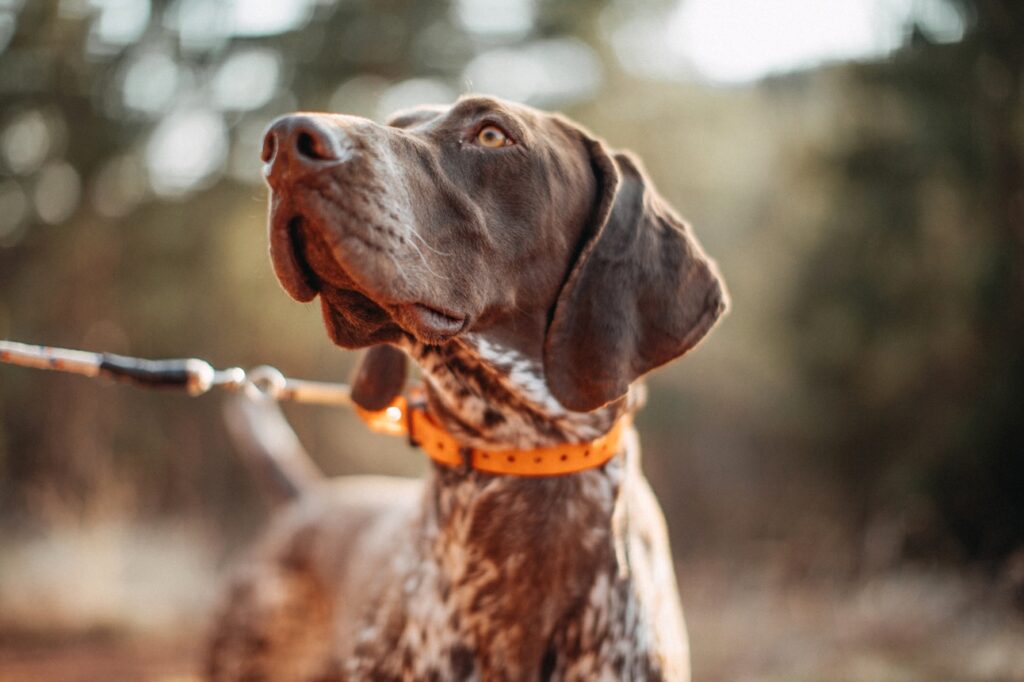
Photo by StefaNikolic/E+ via Getty Images
Hunting dogs have worked alongside people for centuries, using their natural instincts, stamina, and smarts to help locate, flush, track, and retrieve game. Today’s hunting dog breeds still shine in the field, but many also make loving companions at home when their exercise needs are met.
Understanding the different types of hunting dogs can help you find the right match. Here are some of the best hunting dogs.
Key Takeaways
- Hunting dogs are skilled working breeds with traits like endurance, intelligence, and a strong drive.
- There are different types of hunting dogs, including bird dogs, hounds, curs, and terriers.
- Popular hunting dogs include Labrador Retrievers, German Shorthaired Pointers, and Beagles.
- It’s important to properly train your dog for the field before taking them hunting.
Types of Hunting Dogs
Not every hunting dog is the same—each breed has a different skill set.
Bird Dogs
Like their name suggests, bird dogs are bred to hunt birds. Depending on the breed, their job may involve pointing to indicate where birds are hiding, flushing birds into the air, or retrieving downed game from land or water.
These dogs tend to be athletic, focused, and highly responsive to training cues.
Hounds
Hound dogs rely primarily on their powerful sense of smell—or, in some cases, sight—to track game over long distances. On a hunt, they follow scent trails and alert their handlers once they’ve located their target.
Hounds are often used to hunt larger game or animals who cover a lot of ground, such as deer, raccoons, or bears, and they’re known for their endurance and determination.
Curs
Curs are versatile working dogs traditionally used in North America. Their role on a hunt often includes tracking, trailing, and treeing game (aka chasing it up a tree) so the hunter can locate it.
These dogs are commonly used for hunting wild hogs, raccoons, and even bears. Curs are valued for their grit, adaptability, and strong working drive.
Terriers
Terriers were bred to pursue and flush small game from dens or thick cover. During a hunt, they may chase prey underground or into the open so hunters can follow.
These dogs are typically used for hunting small animals such as rats and are known for their bold, energetic nature.
What Are the Best Hunting Dogs?
Here are some of the best hunting dogs you’ll find out in the field today.
1. American Foxhound
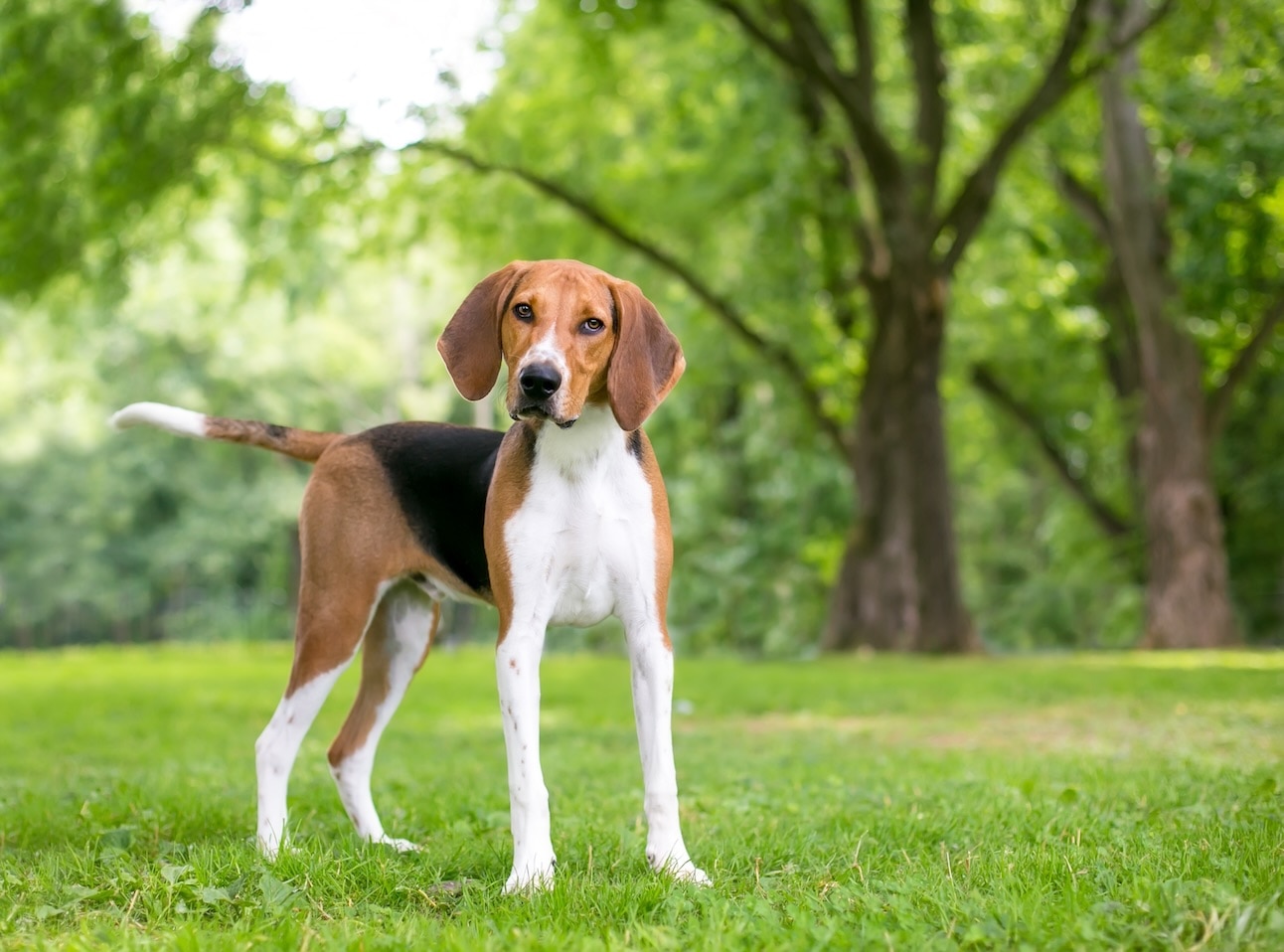
Photo by Mary Swift/iStock / Getty Images Plus via Getty Images
- Size: Large
- Life expectancy: 11–13 years
- Temperament: Independent, even-tempered, sociable
- Type of hunting dog: Hound
Originally bred to hunt foxes, the American Foxhound is built for long days in the field. Their strong sense of smell, endurance, and ability to work independently make them well-suited for scent-driven pursuits that cover wide areas. They do best with experienced pet parents who enjoy active, outdoor lifestyles.
2. Beagle
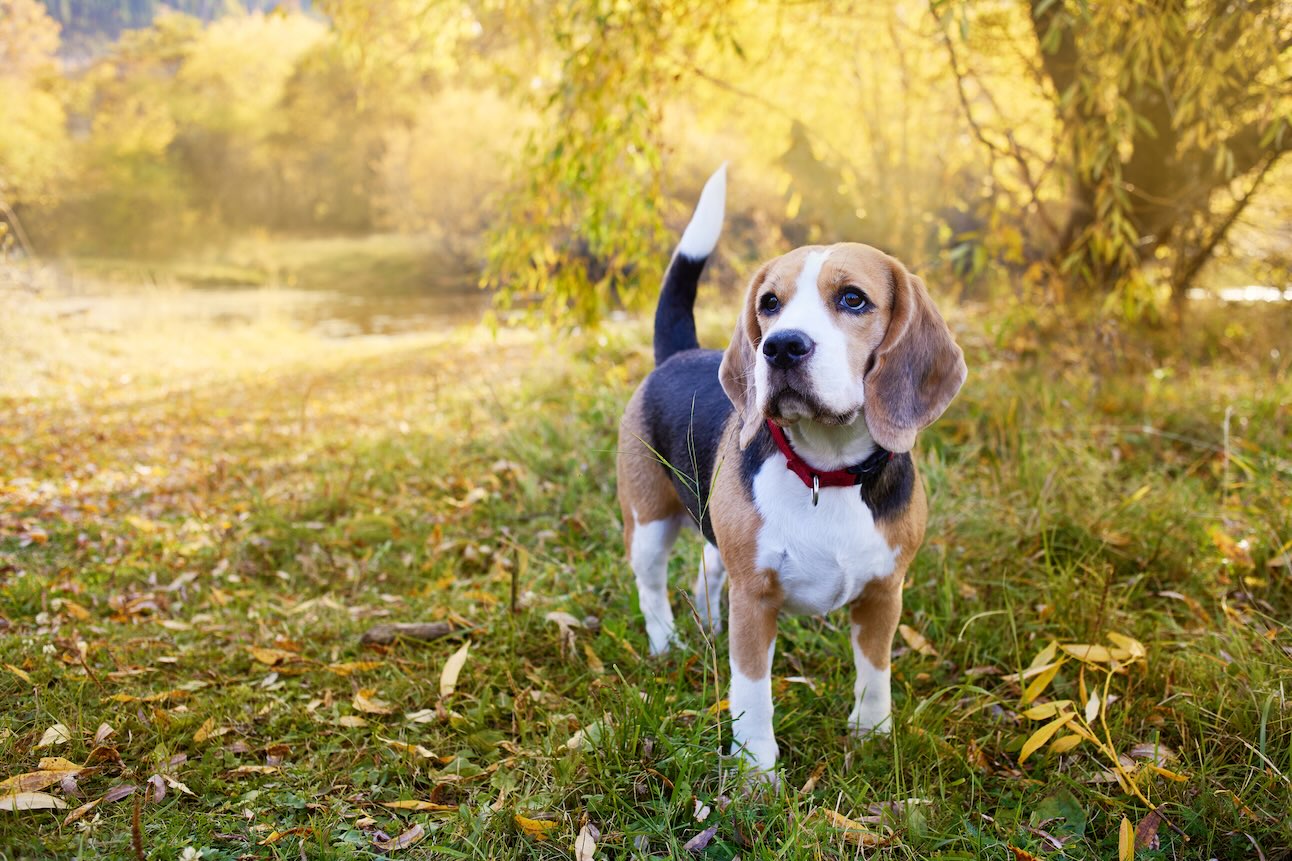
Photo by Viktoriya Telminova/iStock / Getty Images Plus
- Size: Medium
- Life expectancy: 10–15 years
- Temperament: Curious, friendly, merry
- Type of hunting dog: Hound
The Beagle is a classic small-game hunter, especially for rabbits and hares. Their powerful nose keeps them locked on a scent trail, while their compact size allows them to move easily through brush.
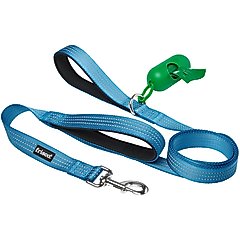
Beagles thrive with consistent training and plenty of opportunities to follow scents safely. Take them on scent walks, but make sure they’re always on a leash so they don’t follow their nose into trouble.
Recommended Product
3. Bloodhound
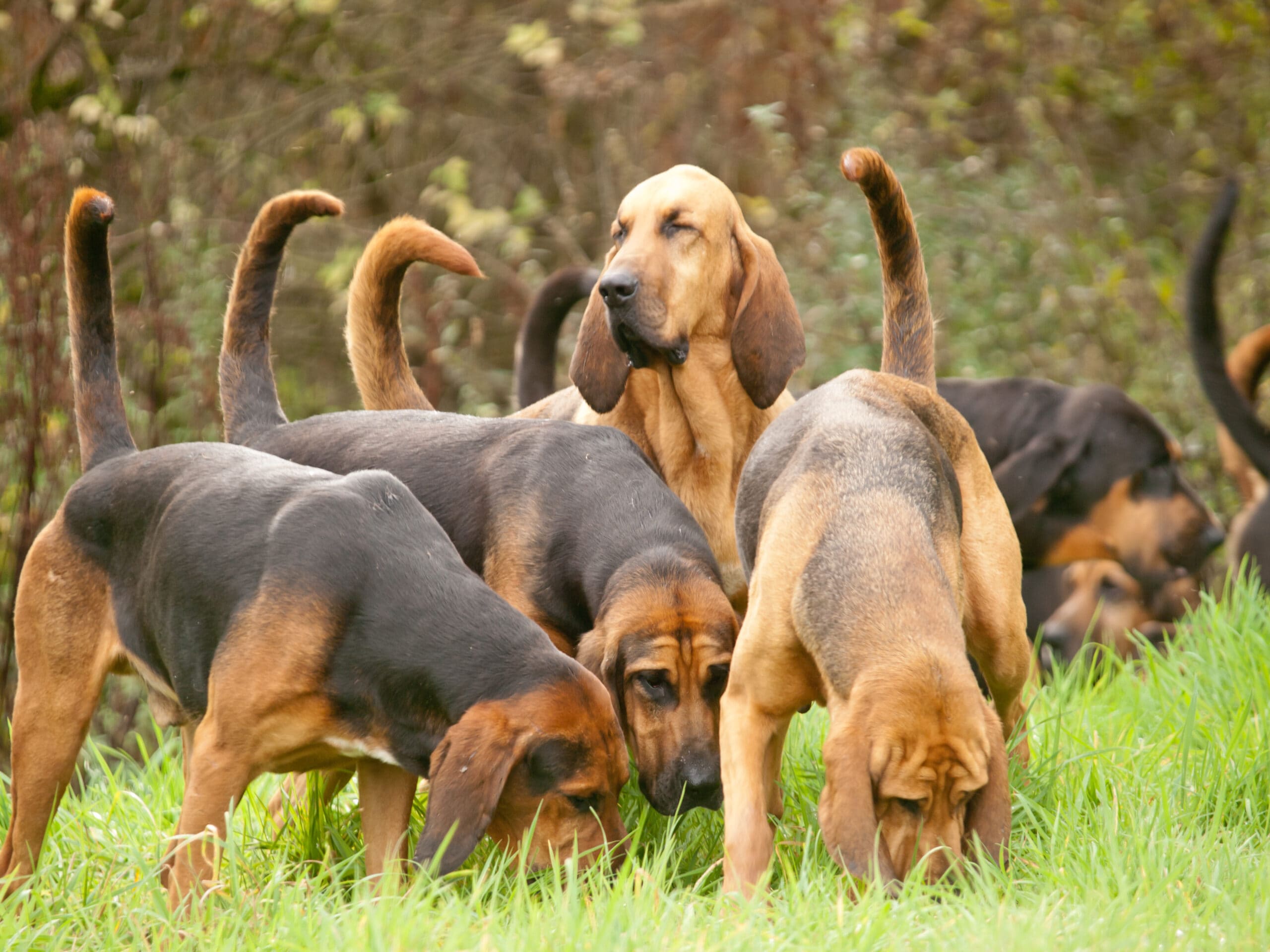
Photo by mikedabell/iStock / Getty Images Plus via Getty Images
- Size: Large
- Life expectancy: 10–12 years
- Temperament: Gentle, determined, even-tempered
- Type of hunting dog: Hound
Famous for having one of the strongest noses of any dog breed, the Bloodhound excels at following long, complex scent trails. While not commonly used for modern sport hunting, they’re unmatched at tracking and trailing work, and need patient training that taps into their natural scenting instincts.
4. Bluetick Coonhound

Photo by Mary Swift/iStock / Getty Images Plus via Getty Images
- Size: Large
- Life expectancy: 11–12 years
- Temperament: Loyal, alert, intelligent
- Type of hunting dog: Hound
The Bluetick Coonhound is a tracker developed to hunt raccoons and other treeing game. Their steady pace, loud bay, and determination help hunters locate game even hours after a scent is laid.
Regular exercise and mental stimulation are essential for this driven hound. When they’re not out hunting, they’ll love to join you on a hike and do some nose work training.
Recommended Product

5. Boykin Spaniel
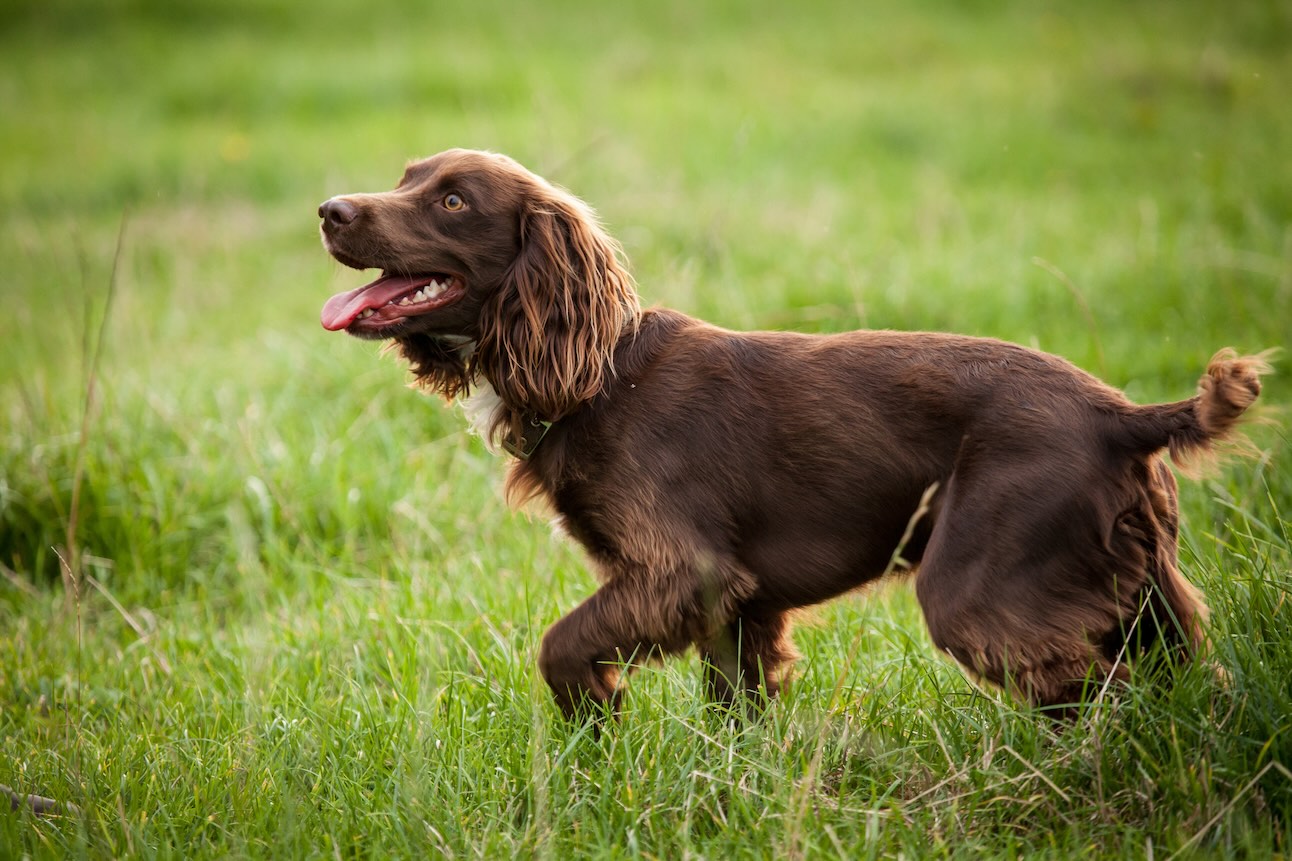
Photo by BestSide/iStock / Getty Images Plus via Getty Images
- Size: Medium
- Life expectancy: 10–15 years
- Temperament: Eager, friendly, intelligent
- Type of hunting dog: Bird dog
Originally bred in South Carolina, the Boykin Spaniel is a versatile bird dog who excels at flushing and retrieving waterfowl. Their medium size makes them perfect for boats and tight spaces, while their eagerness to work keeps them focused during long hunts.
6. Brittany
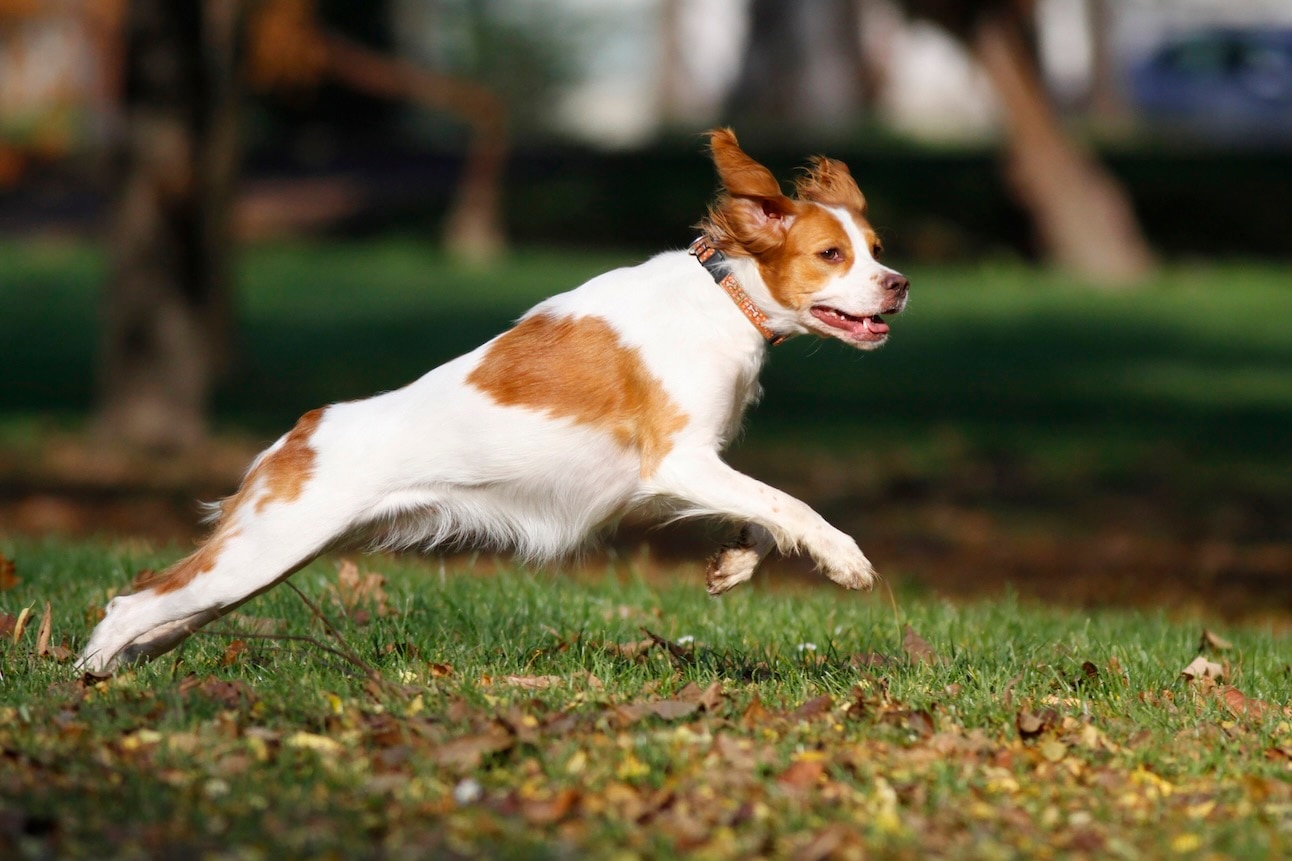
Photo by KatPaws/iStock / Getty Images Plus via Getty Images
- Size: Medium
- Life expectancy: 12–14 years
- Temperament: Energetic, attentive, friendly
- Type of hunting dog: Bird dog
The Brittany is a high-energy pointing breed known for covering ground quickly while staying connected to their handler. They shine with hunters who enjoy active hunts, and are willing to provide consistent training and daily exercise.
7. Chesapeake Bay Retriever
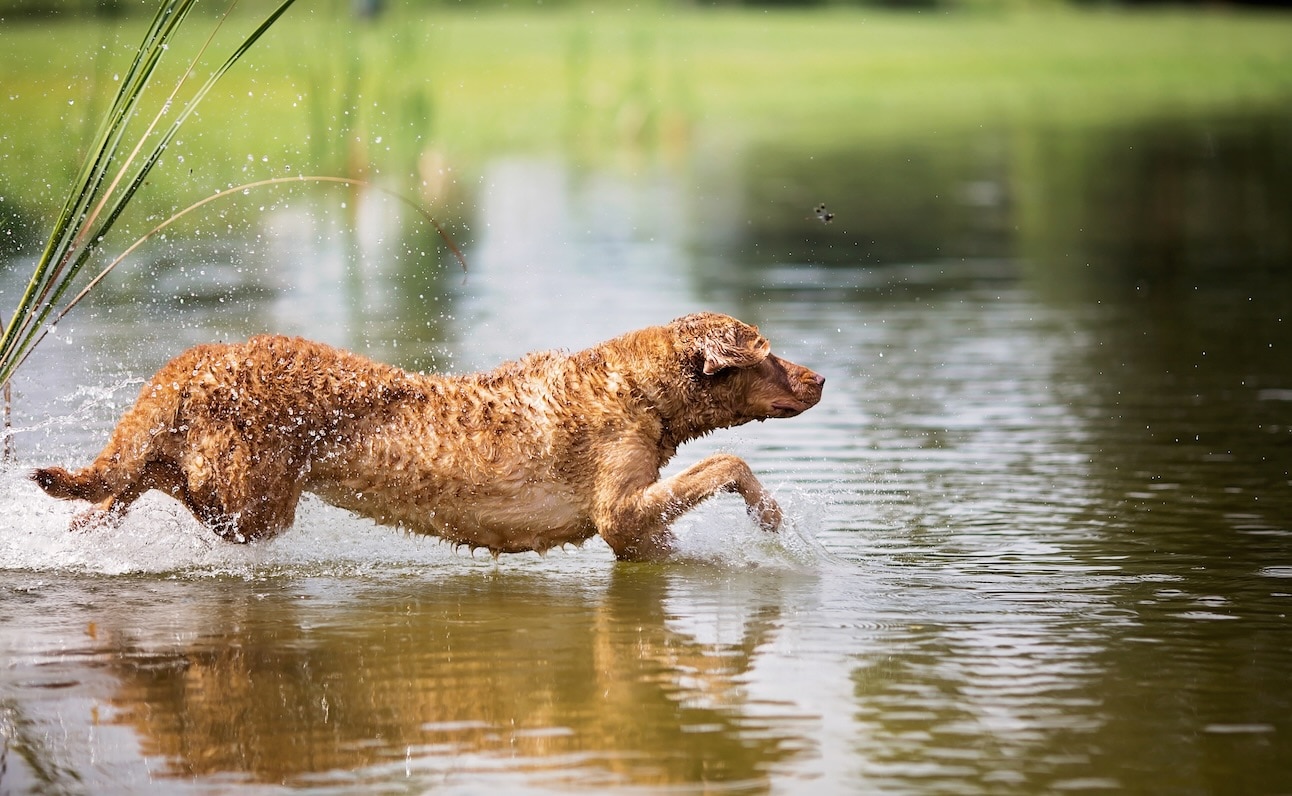
Photo by ktatarka/iStock / Getty Images Plus via Getty Images
- Size: Large
- Life expectancy: 10–13 years
- Temperament: Confident, intelligent, devoted
- Type of hunting dog: Bird dog
Bred to retrieve waterfowl in cold, rough waters, the Chesapeake Bay Retriever is tough, focused, and resilient. Their water-resistant coat and strong swimming ability make them ideal for challenging conditions, especially for hunters who frequent icy lakes or coastal waters.
8. Cocker Spaniel
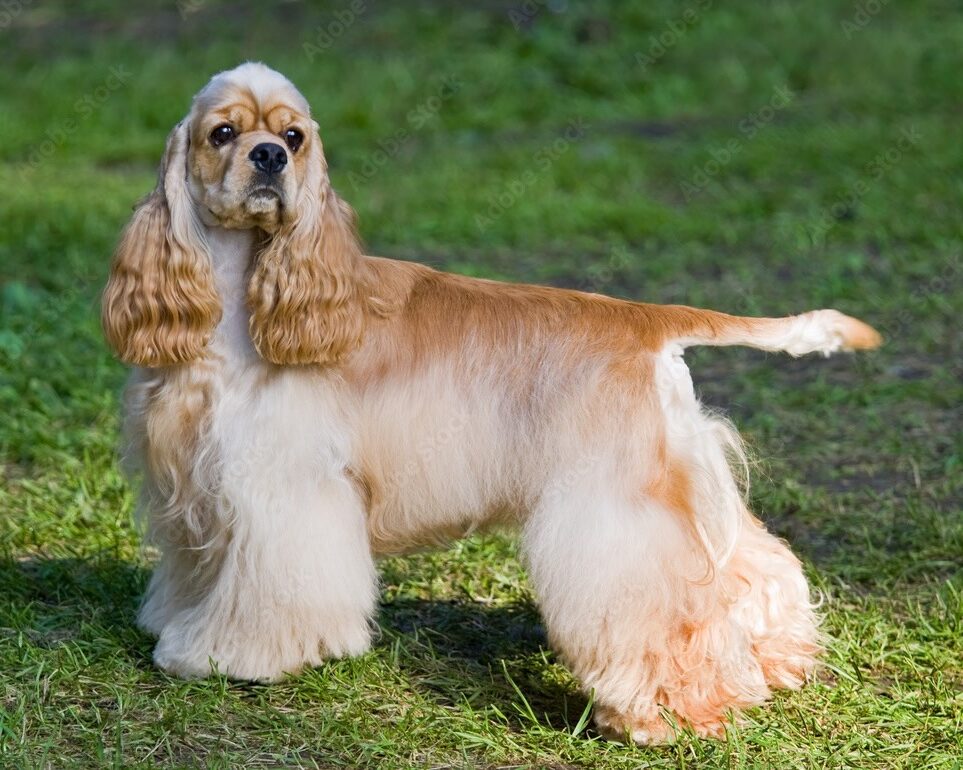
Photo by Adobe/Sergey Lavrentev
- Size: Medium
- Life expectancy: 10–14 years
- Temperament: Gentle, affectionate, playful
- Type of hunting dog: Bird dog
The Cocker Spaniel was originally bred to flush woodcock and other upland birds from dense cover, though today the dogs are more commonly found as family dogs. They work close to their handler and rely on enthusiasm rather than speed, making them a good match for hunters who prefer a slower-paced, hands-on hunting style.
9. English Cocker Spaniel
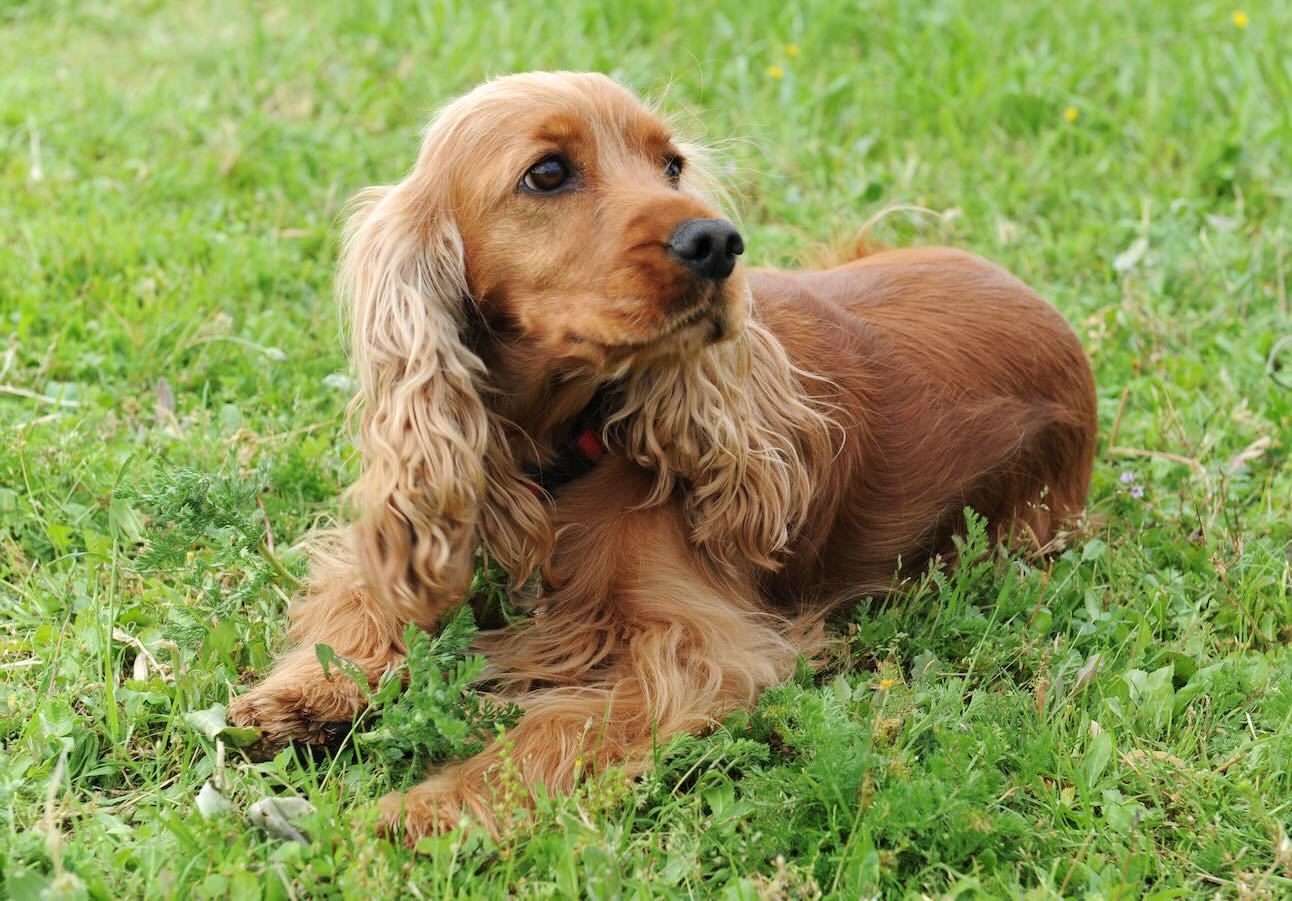
Photo by cynoclub/iStock / Getty Images Plus via Getty Images
- Size: Medium
- Life expectancy: 12–14 years
- Temperament: Cheerful, energetic, loyal
- Type of hunting dog: Bird dog
Known for their enthusiasm and endurance, the English Cocker Spaniel excels at flushing birds from thick brush. They’re energetic field workers who thrive when given regular hunting opportunities, structured training, and plenty of daily activity.
10. English Setter
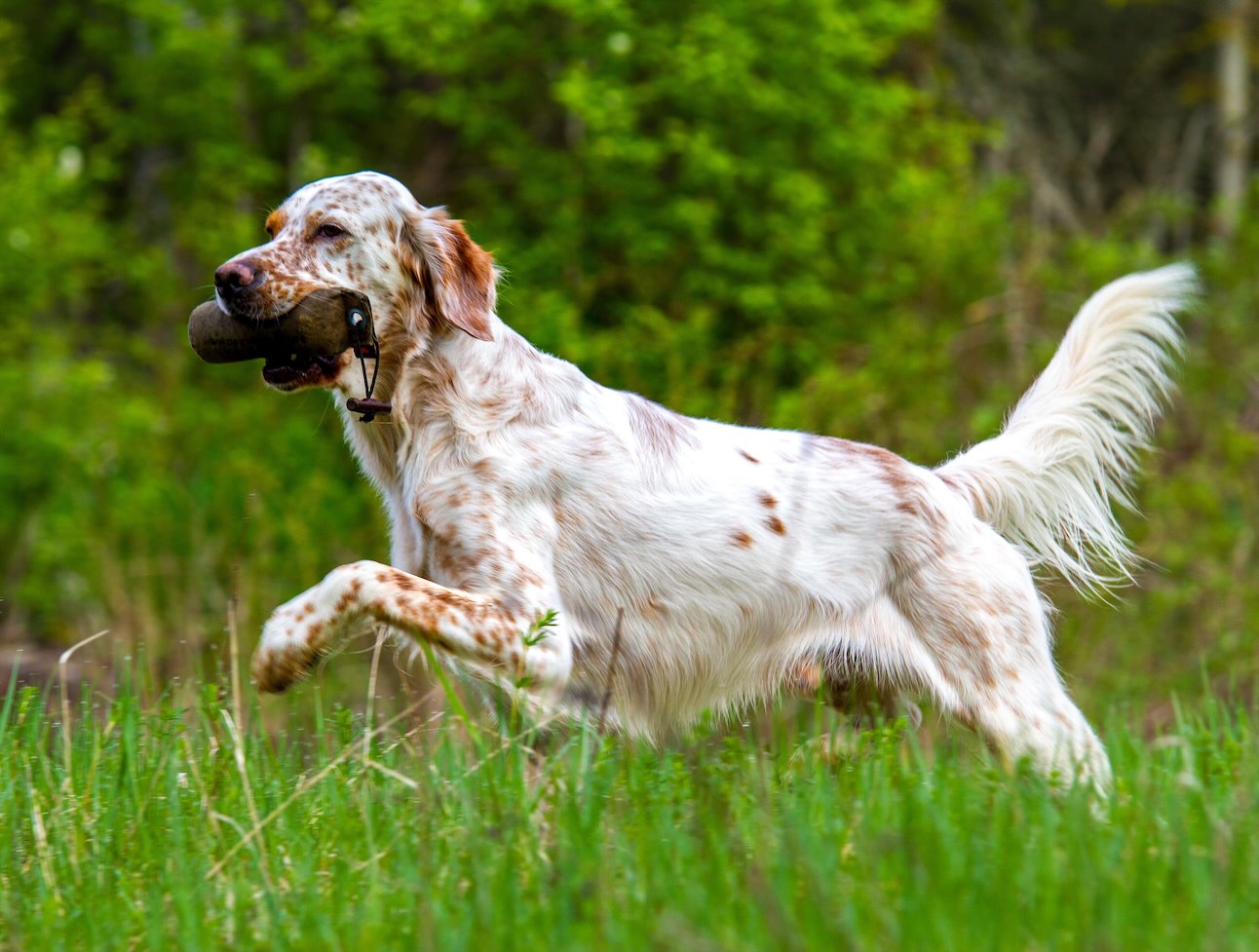
Photo by Adobe/Markus
- Size: Large
- Life expectancy: 12–15 years
- Temperament: Gentle, friendly, energetic
- Type of hunting dog: Bird dog
The English Setter is a classic bird dog prized for their graceful movement and steady pointing style. They’re best suited for hunters who enjoy covering open fields and appreciate a methodical dog who works at a consistent pace.
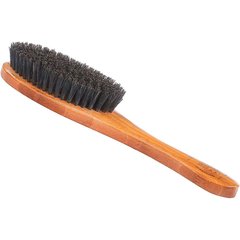
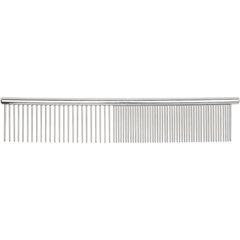
Along with daily exercise, their gorgeous feathered fur needs to be brushed regularly to prevent matting. Use a bristle brush and comb for the best results.
Recommended Products
11. English Springer Spaniel
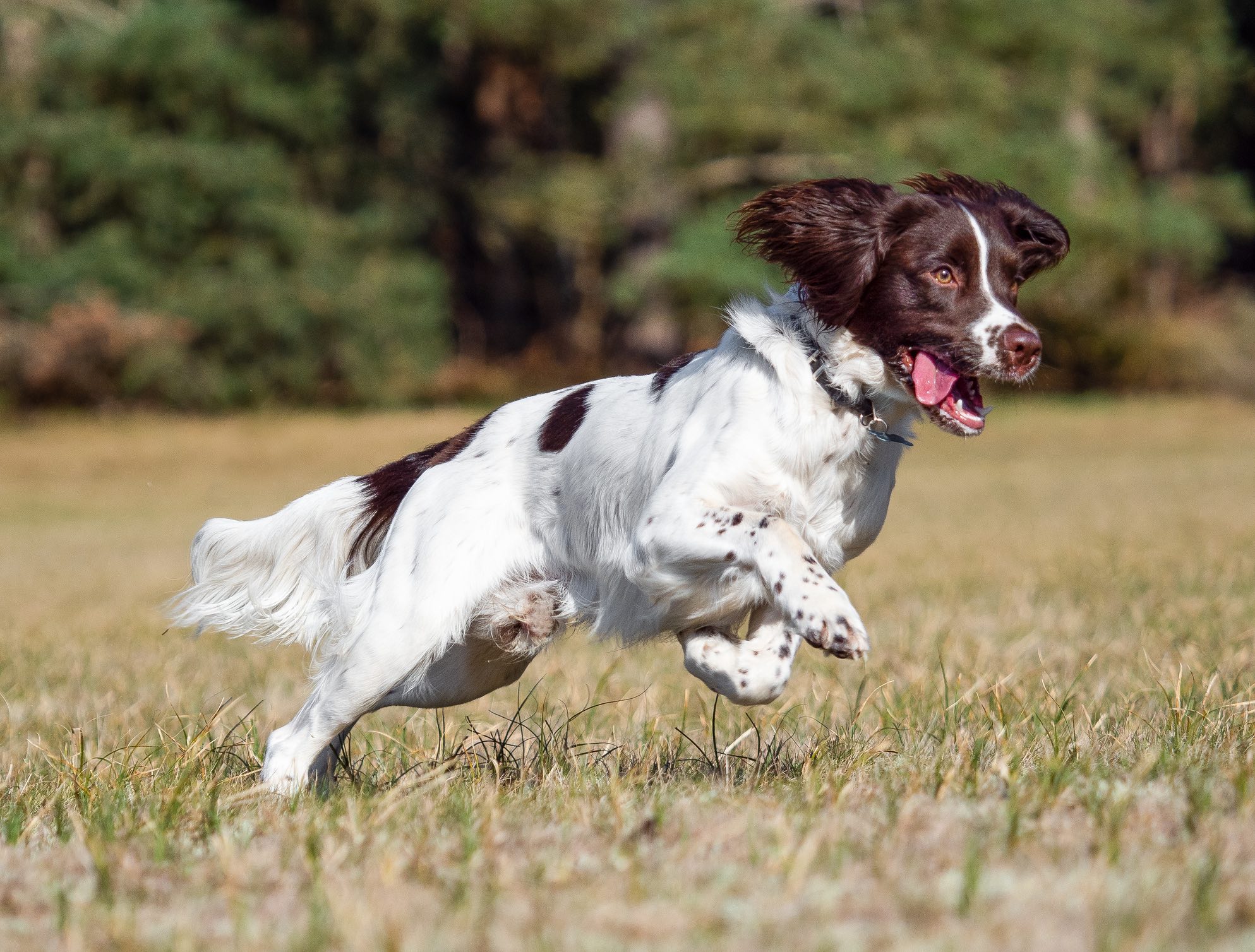
Photo by Nigel_Wallace/iStock / Getty Images Plus via Getty Images
- Size: Medium
- Life expectancy: 12–14 years
- Temperament: Alert, friendly, eager
- Type of hunting dog: Bird dog
The English Springer Spaniel is a versatile flusher and retriever used for both upland birds and waterfowl. Their adaptability and eagerness to learn make them a strong choice for hunters who want one dog to handle multiple hunting scenarios.
12. German Shorthaired Pointer
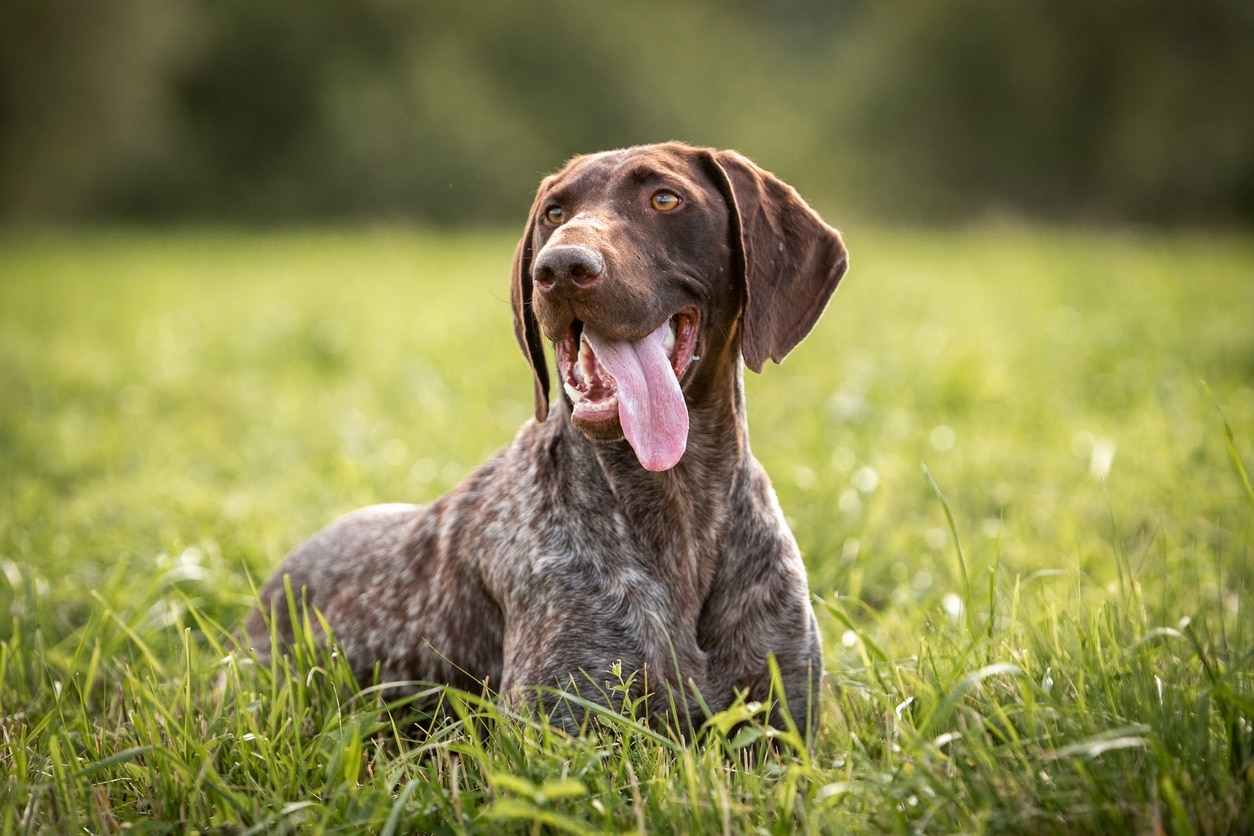
Photo by Evgenia Glinskaia/iStock / Getty Images Plus via Getty Images
- Size: Large
- Life expectancy: 10–12 years
- Temperament: Intelligent, energetic, eager to please
- Type of hunting dog: Bird dog
The German Shorthaired Pointer is an all-purpose hunting dog capable of pointing, retrieving, and tracking. Highly athletic and driven, they’re ideal for experienced hunters who want a versatile partner, and who can commit to daily exercise and ongoing training.
Because they are one of the best hunting breeds, they’re also one of the most popular dogs in the U.S.
13. German Wirehaired Pointer
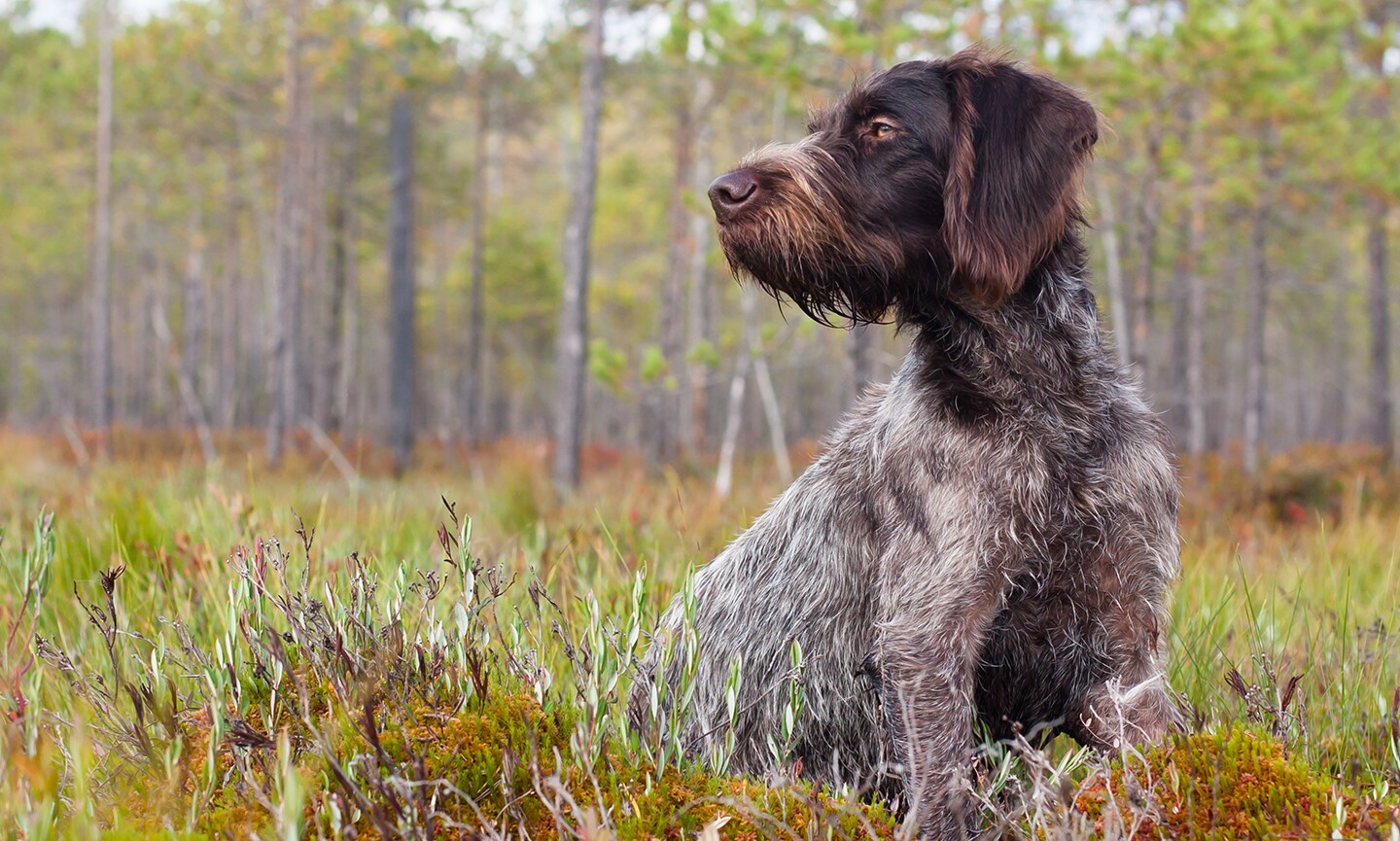
Photo by PavelRodimov/iStock / Getty Images Plus via Getty Images
- Size: Large
- Life expectancy: 12–14 years
- Temperament: Confident, intelligent, loyal
- Type of hunting dog: Bird dog
With a weather-resistant coat and strong work ethic, the German Wirehaired Pointer handles rough terrain and harsh weather with ease. They’re versatile hunters who perform well on land and in water, and benefit from structured training that challenges both body and mind.
14. Golden Retriever
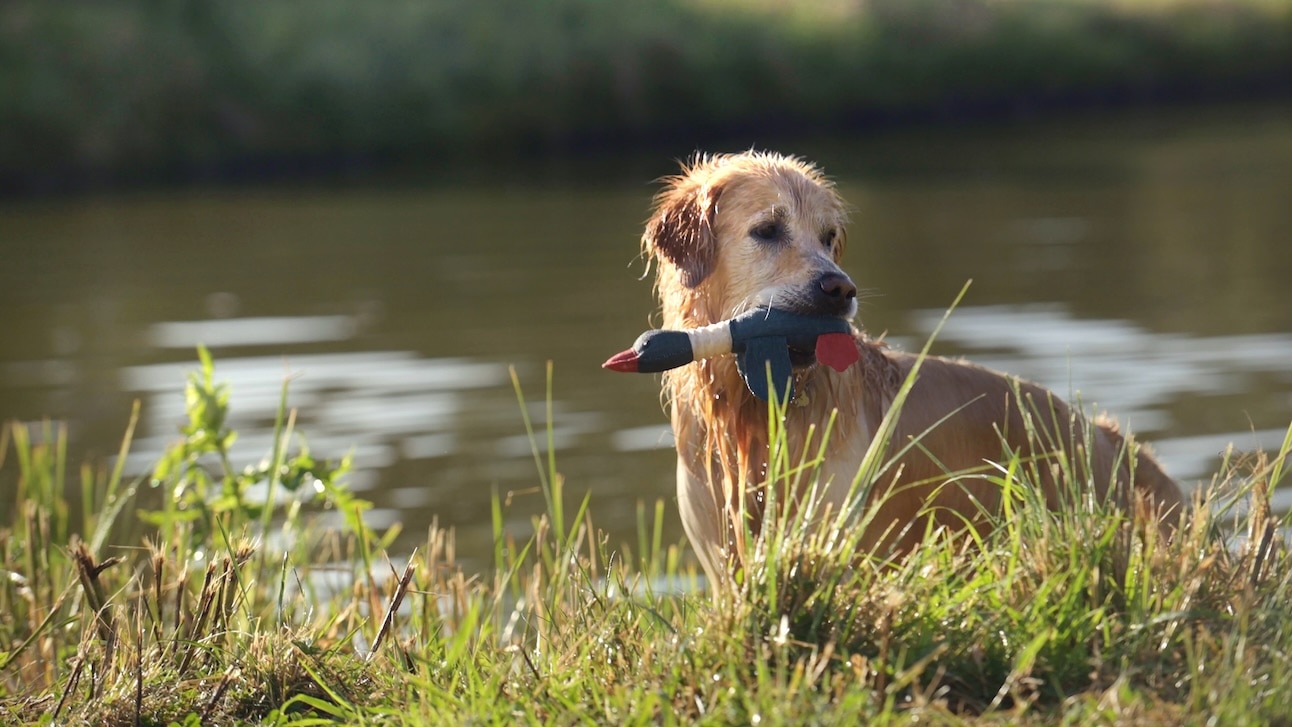
Photo by Zheka-Boss/iStock / Getty Images Plus via Getty Images
- Size: Large
- Life expectancy: 10–12 years
- Temperament: Friendly, intelligent, devoted
- Type of hunting dog: Bird dog
Originally bred to retrieve game birds, the Golden Retriever remains a reliable hunting companion, especially for waterfowl. But their friendly temperament makes Goldens more than just a hunting partner—they are wonderful family dogs who can live well in many different environments.
15. Irish Setter
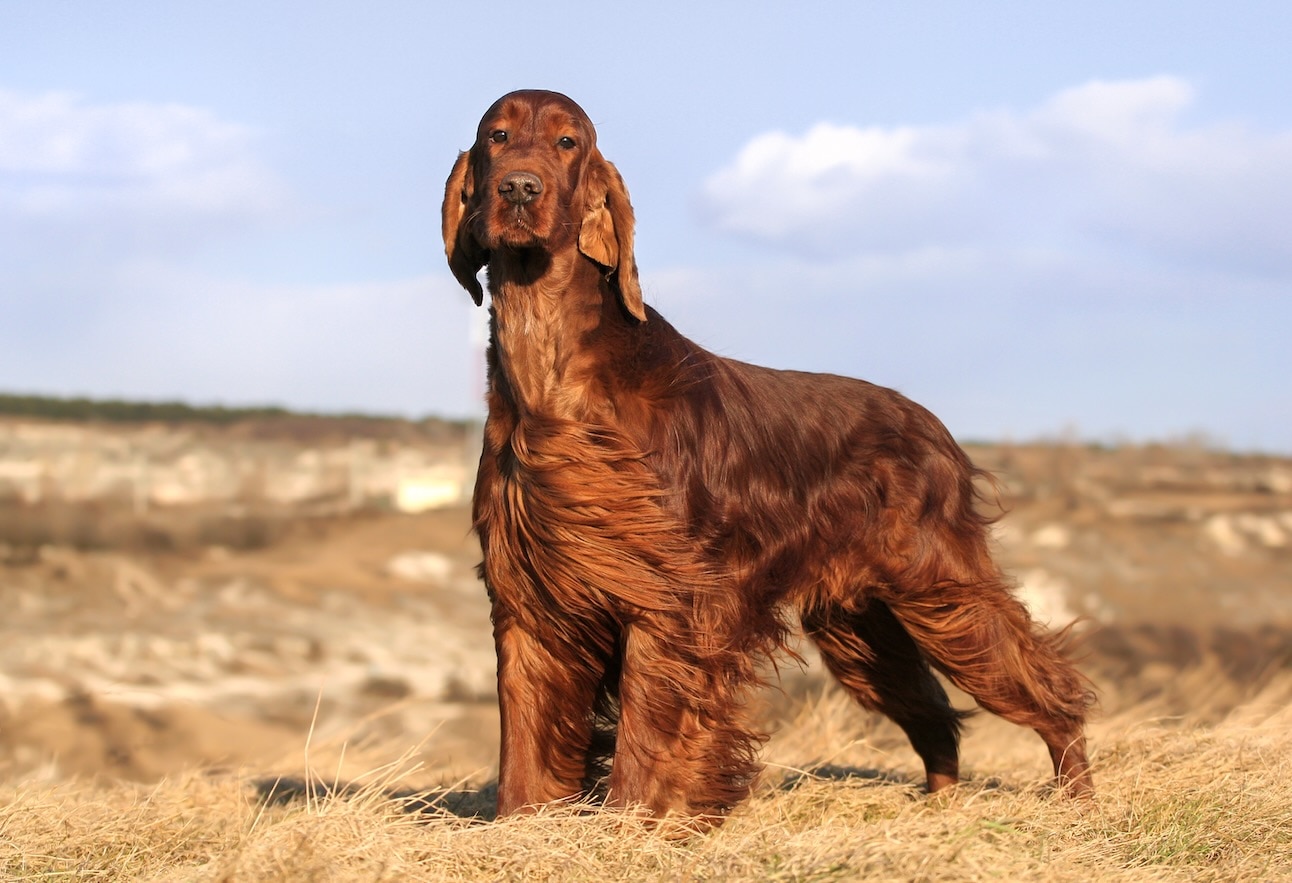
Photo by Wavetop/iStock / Getty Images Plus via Getty Images
- Size: Large
- Life expectancy: 12–15 years
- Temperament: Outgoing, energetic, affectionate
- Type of hunting dog: Bird dog
The Irish Setter is an energetic bird dog known for covering lots of ground during hunts. Their speed and enthusiasm make them well-suited for hunters who enjoy long days in the field.
Irish Setters are best for active families: They need about two hours of heart-pounding exercise every day. Take them with you on long walks, runs, bike rides, and hikes.
16. Labrador Retriever
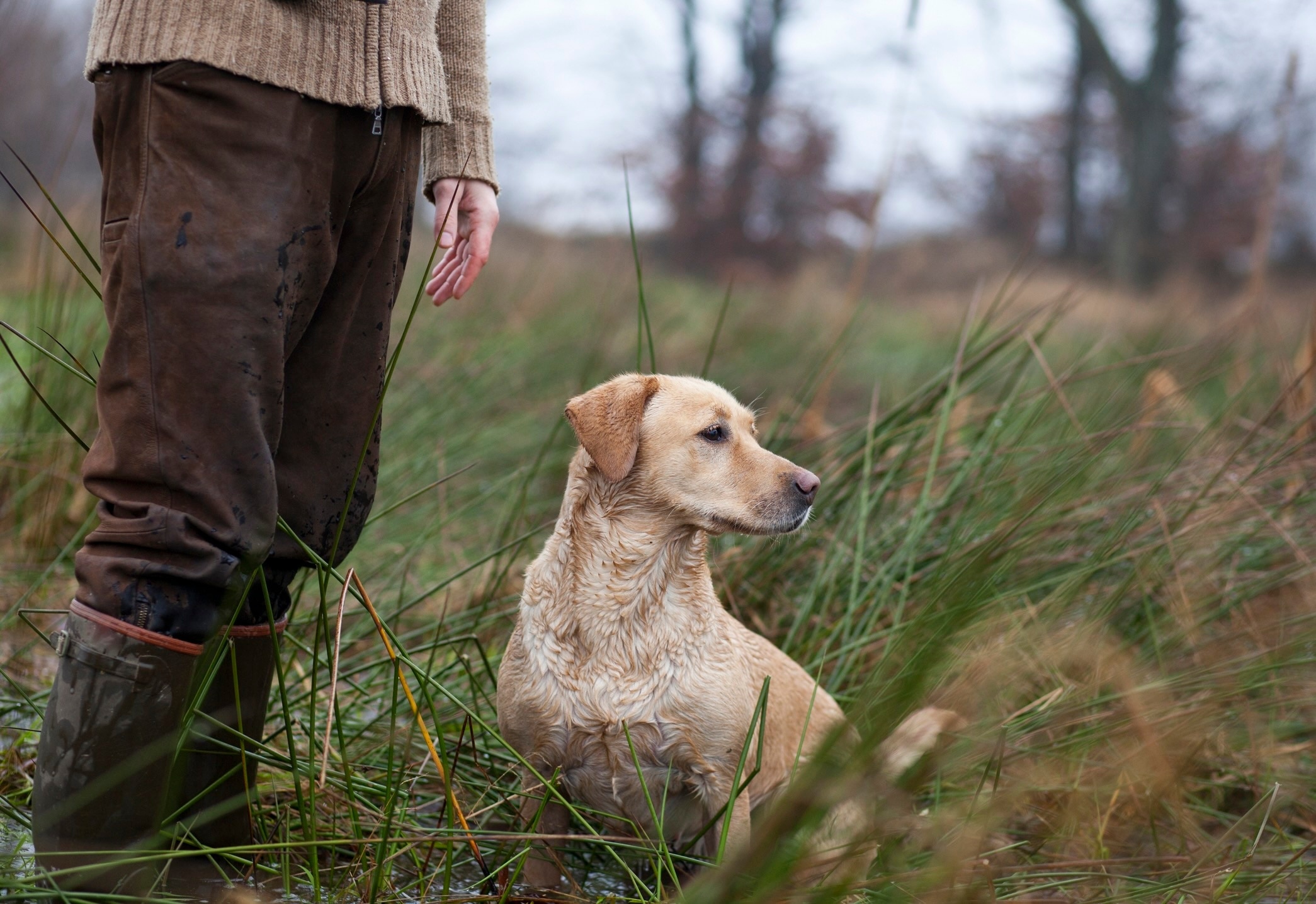
Photo by juliazara/iStock / Getty Images Plus via Getty Images
- Size: Large
- Life expectancy: 10–12 years
- Temperament: Friendly, outgoing, intelligent
- Type of hunting dog: Bird dog
One of the most popular hunting dog breeds, the Labrador Retriever excels at retrieving waterfowl on land and in water. Their trainability and adaptability make them a top choice for both new and experienced hunters, and they’re another great family dog, too.
17. Nova Scotia Duck Tolling Retriever
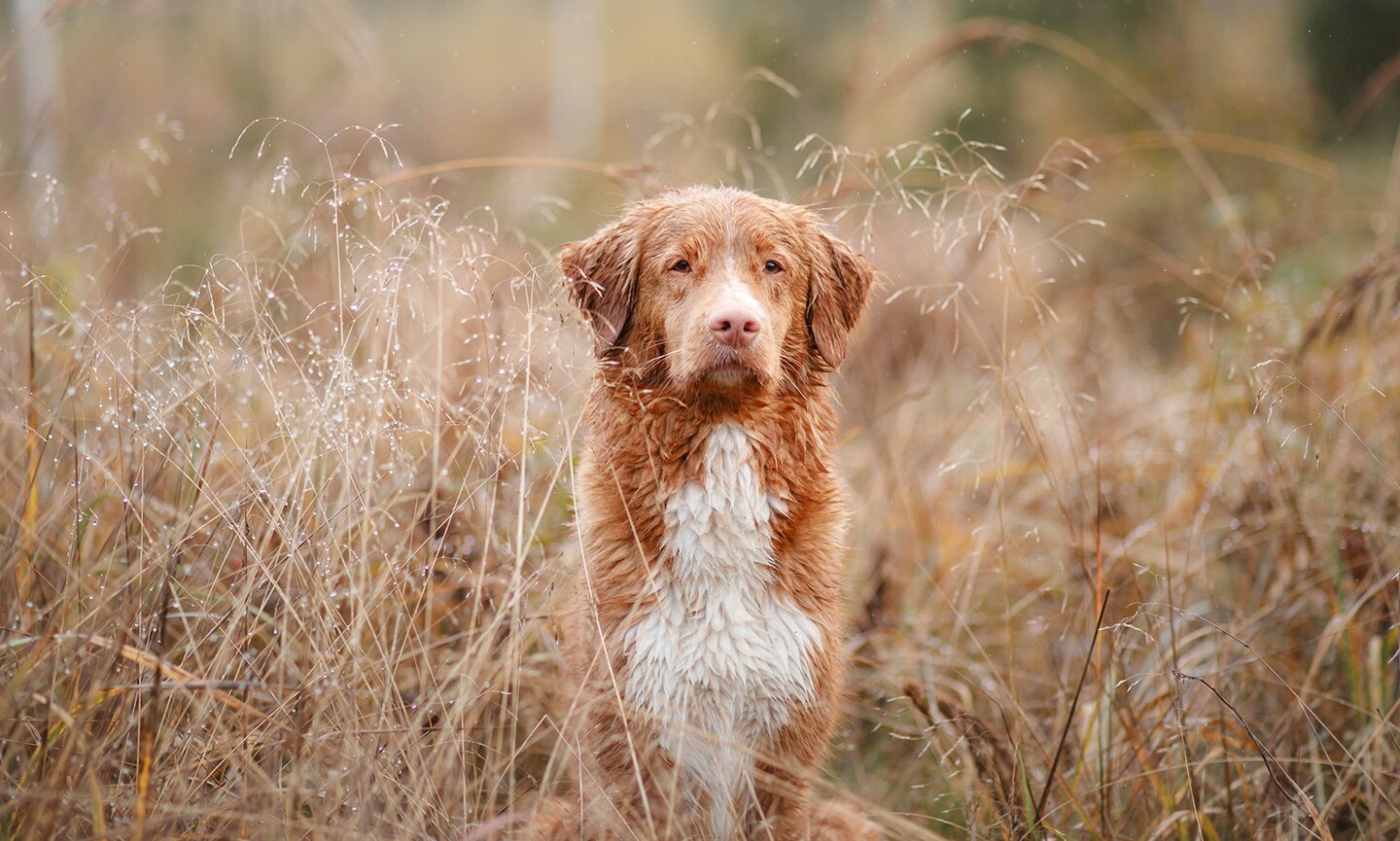
Photo by Anna-av/iStock / Getty Images Plus via Getty Images
- Size: Medium
- Life expectancy: 12–14 years
- Temperament: Intelligent, energetic, alert
- Type of hunting dog: Bird dog
The Nova Scotia Duck Tolling Retriever uses energetic movement along shorelines to draw out waterfowl. They’re alert, driven, and brainy retrievers who do best with hunters willing to provide advanced training and plenty of mental stimulation.
18. Plott Hound
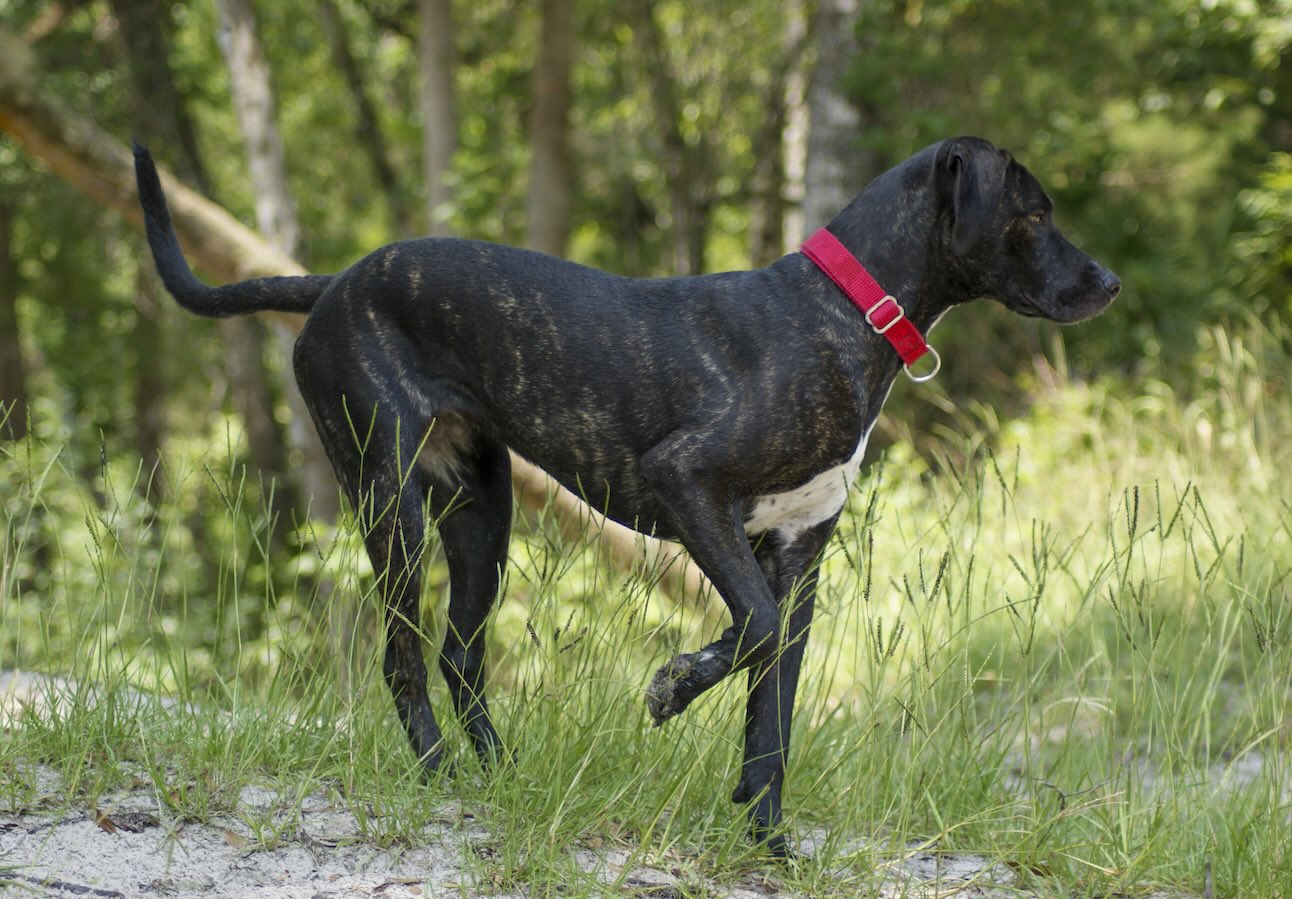
Photo by Bkamprath/iStock / Getty Images Plus via Getty Images
- Size: Large
- Life expectancy: 12–14 years
- Temperament: Confident, loyal, determined
- Type of hunting dog: Hound
The Plott Hound was bred for demanding big-game hunts, including wild boar and bears. Their endurance and determination make them well-suited for rugged terrain, but they need experienced handlers and structured outlets for their strong drive.
19. Pointer
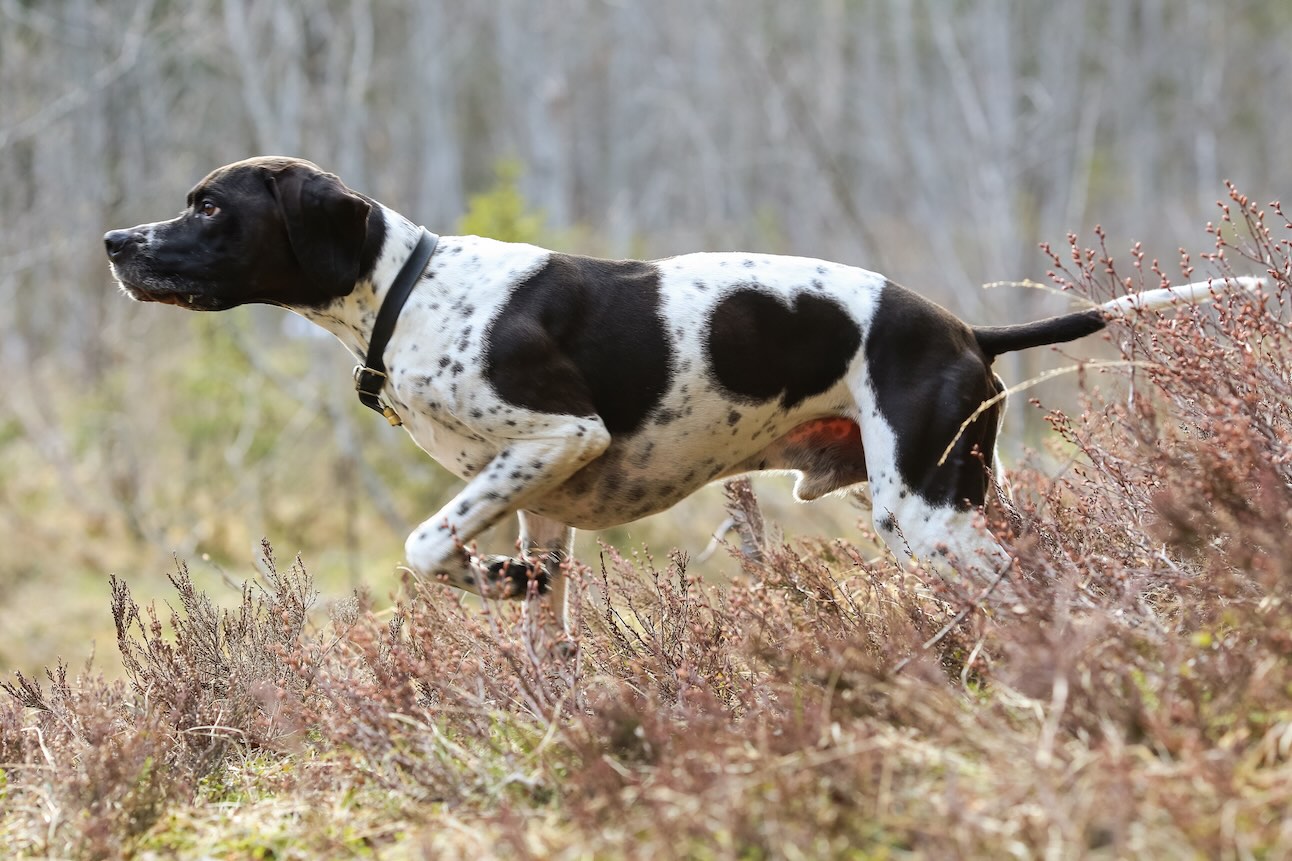
Photo by Jelena Safronova/iStock / Getty Images Plus via Getty Images
- Size: Large
- Life expectancy: 12–15 years
- Temperament: Even-tempered, energetic, focused
- Type of hunting dog: Bird dog
Often called the English Pointer, the Pointer is known for their instinctive ability to freeze and indicate game birds. They’re fast, athletic hunters who thrive in open terrain and require plenty of exercise off the field, too.
20. Redbone Coonhound
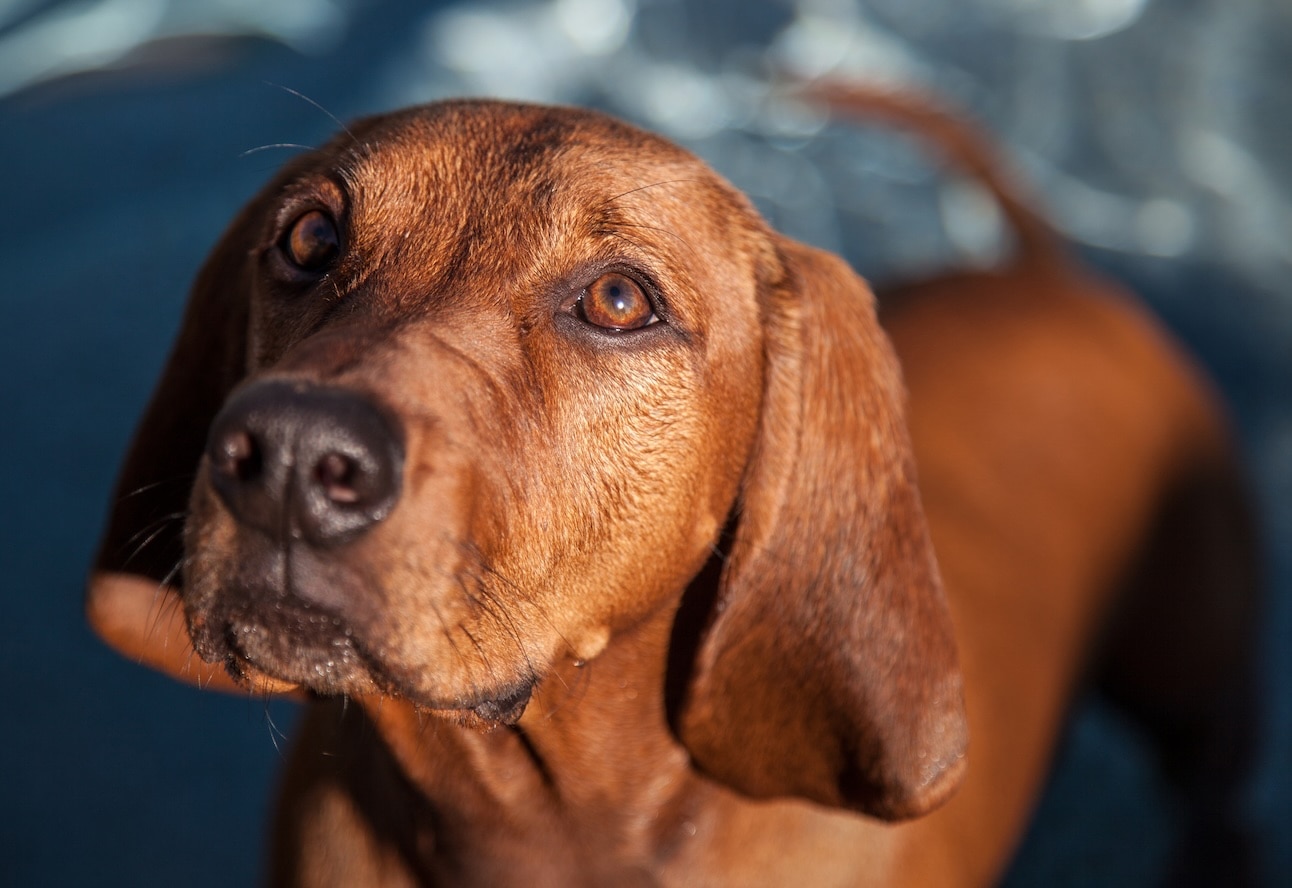
Photo by videodet/iStock / Getty Images Plus via Getty Images
- Size: Large
- Life expectancy: 12–15 years
- Temperament: Affectionate, confident, alert
- Type of hunting dog: Hound
The Redbone Coonhound specializes in tracking and treeing raccoons. Their steady temperament and endurance make them dependable in the field, especially for hunters who value a clear voice and consistent trailing ability.
Hunting Dog Supplies, Training, and Safety
Taking a dog hunting requires preparation beyond choosing the right breed. Having the proper supplies, investing time in training, and prioritizing safety help set both you and your dog up for successful—and enjoyable—days in the field.
Must-Have Gear
Before heading out, make sure your dog has gear designed for hunting environments:
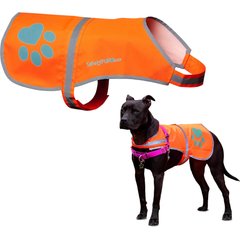
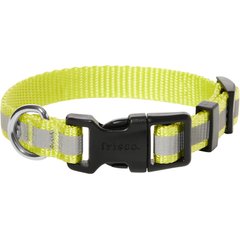
- A well-fitted, bright vest or collar to keep your dog visible to other hunters
Recommended Products
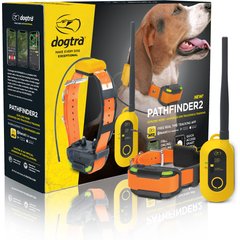
- A durable GPS tracking collar (especially for breeds who range far or work independently)
Recommended Product
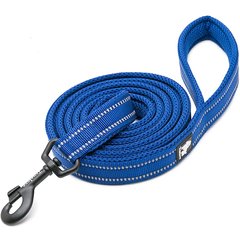
- A sturdy leash
Recommended Product
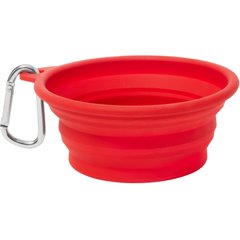
- Collapsible water bowl and fresh water
Recommended Product
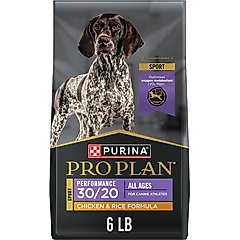
- High-calorie treats or food to support long, active days
Recommended Product
Training Your Dog for the Field
Hunting dog training builds on basic obedience and gradually introduces field-specific skills.
Your dog should reliably respond to cues such as recall, stay, and heel before hunting begins. From there, training may include scent work, retrieving, pointing, or trailing, depending on the type of hunting dog you have.
Positive reinforcement, patience, and consistency are key. Many pet parents also choose to work with a professional hunting dog trainer or join field training groups.
Safety Tips for Hunting With Dogs
Safety should always come first when taking a dog hunting.
- Schedule a veterinary checkup before the season to ensure your dog is healthy, and up to date on vaccinations and parasite prevention.
- Protect your dog from environmental hazards by checking paws for cuts; avoiding extreme heat or cold; and providing frequent water breaks.
- Be mindful of wildlife, rough terrain, and hunting equipment, and always keep your dog clearly identifiable with up-to-date ID tags in case they become separated from you.
Attributions
This article was created with assistance from AI tools. The content has been reviewed for accuracy and edited by a human.