
Redbone Coonhound
Updated September 15, 2026
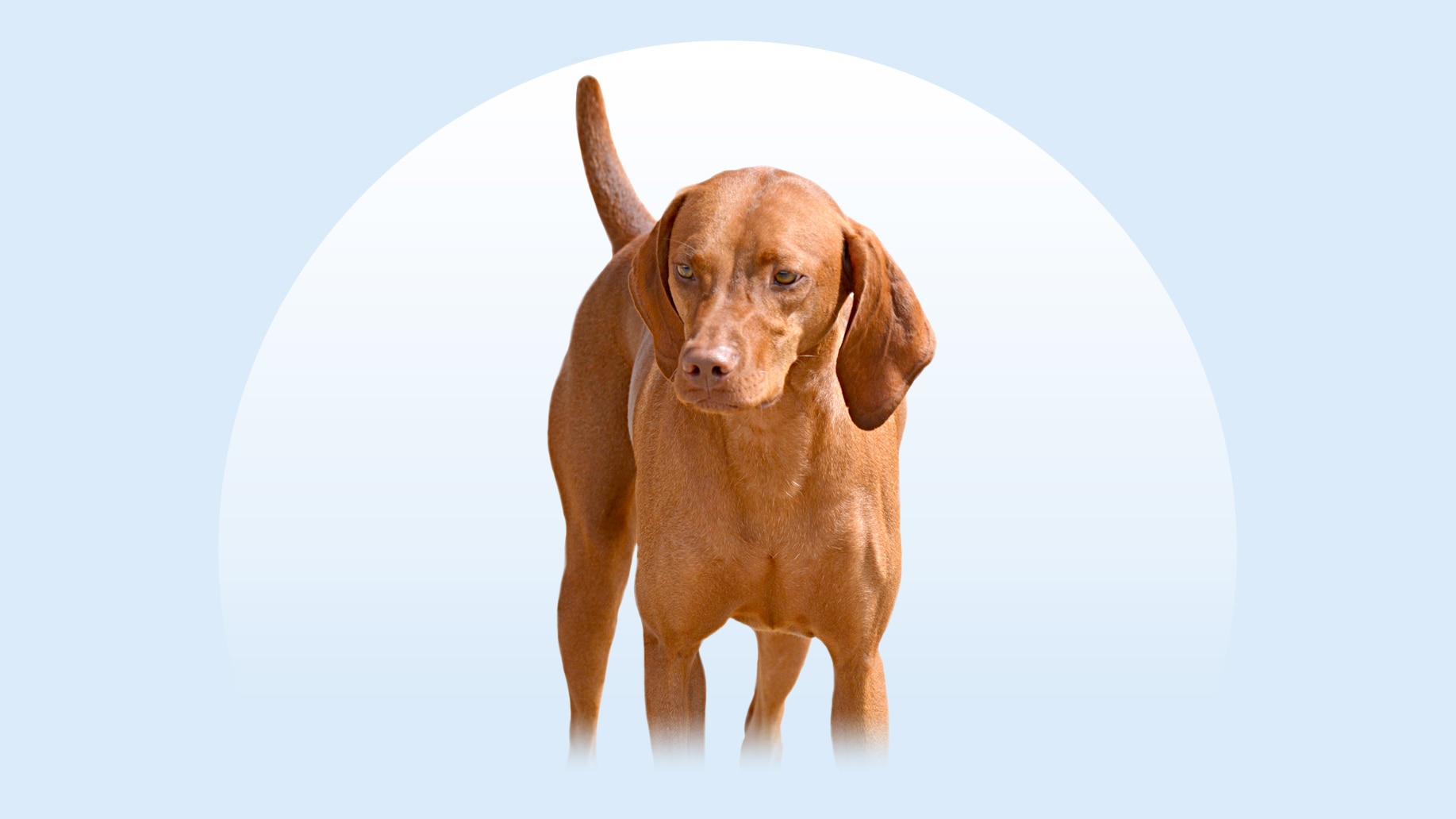
Redbone Coonhound
Updated September 15, 2026
Affectionate and energetic, the Redbone Coonhound has an adorable (but loud!) howl, a playful spirit, and a delightful loyalty that make them a great fit for active, adventurous families. They thrive in homes with experienced pet parents who appreciate their hunting instincts and can provide ample outdoor space.
Active, Fun-Loving, Social
45–70 pounds
21–27 inches
12–15 years
Red
With their soulful howl and a desire to befriend everyone they meet, the Redbone Coonhound is ready for any party and rife with charm. These curious, high-energy pups adore their families, and they’re likely to steal the scene when you’re out and about.
If you’re looking for a fun, boisterous personality in an unapologetically oversize lapdog, the Redbone Coonhound might just be your perfect pup.
Redbone Coonhound Characteristics
Redbone Coonhound Appearance
A Redbone Coonhound has bright eyes and an alert tail that lets you know they’ve found something exciting. They have a solid red coat and jowls that flop wildly as they zip along at a high speed.
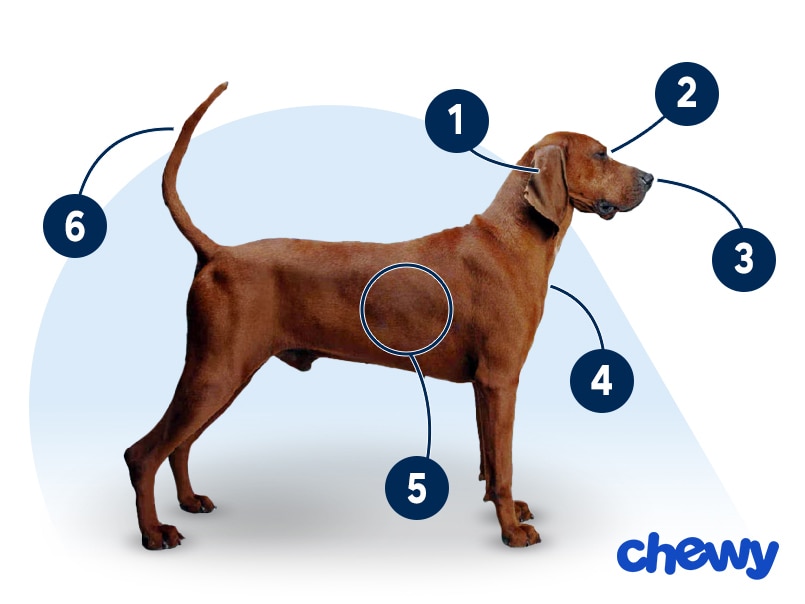
- Ears
The Redbone Coonhound's ears are long, floppy, and set fairly low.
- Eyes
Their round eyes are a range of shades from hazel to dark brown.
- Nose
Redbone Coonhounds have black noses.
- Coat Length
Their coats are short, smooth, and coarse.
- Coat Color
Redbone Coonhound coats are primarily shades of red.
- Tail
Their tails are medium in length and shaped like a saber.
Redbone Coonhound Temperament
The Redbone Coonhound dog breed is super friendly and will greet all your guests at the door—before rolling over and asking for belly rubs, of course. They may be independent-minded at times, but they’re not loners. These dogs love people, and they need to be around them to be their best selves.
If you’re gone for a lot of the day, doggy daycare—or a friend or dog walker—is ideal to keep this pup’s spirits up.
Redbone Coonhounds are fun-loving and highly social, so not only do they want to get out and see the world, but they also want to experience it. These dogs are active and need a place to zoom and let out their energy. They’ll love exercising together, too, if you’d like to bring them along for a run.
They’re also great with kids and will adore playing with them; just keep in mind that a Redbone could accidentally knock over smaller children. As with every dog, playtime with kids should always be supervised.
Occasionally distracted by the world’s many scents, these dogs can be quick and take off at a moment’s notice, so it’s smart to always keep them on a leash or in well-fenced spaces. At the end of the day, they’ll be thrilled to end up right where they started—by your side.
Related Breeds





How to Care for a Redbone Coonhound
A Redbone Coonhound is easy to care for, but don’t neglect the basics, like brushing your pup. You’ll get to spend lots of time bonding with your dog over training and exercising—lucky you!
Grooming
Training
Diet
Exercise
Environment
Redbone Coonhound Health
The average Redbone Coonhound lifespan is 10–14 years. Here are some health issues to be aware of.
- Bloat and gastric dilatation-volvulus (GDV): Redbone Coonhounds, like many large, deep-chested breeds, are prone to a life-threatening condition called bloat. It occurs when the stomach gets distended with air and/or food. A serious complication of bloat is when the stomach twists on itself, cutting off its blood supply. This is called GDV, and symptoms include abdominal distension, restlessness, and dry heaving. If you notice these signs, go to the vet immediately.
- Coonhound paralysis: Redbone Coonhounds exposed to raccoon bites or saliva may contract coonhound paralysis, an immune reaction to raccoon saliva that inflames the dog’s nerves. It can lead to weakness, paralysis, and trouble breathing, so you should take your pup to the vet if they’ve interacted with a raccoon or you notice any unusual symptoms.
- Elbow and hip dysplasia: Elbow and hip dysplasia are genetic conditions that result in abnormal joint development. Signs include limping, and treatment might involve weight loss, activity modification, joint supplements, physical therapy, pain medications, or, in some cases, surgery.
- Panosteitis: Panosteitis is a condition that usually affects dogs 2 years and under. Commonly called growing pains, it’s very painful; the biggest signs are limping and leg pain that comes on suddenly. Your vet can diagnose it and prescribe medication.
- Progressive retinal atrophy (PRA): PRA leads to blindness in dogs, and while there is no cure, pups who lose their eyesight tend to adapt well and live full, happy lives.
- Ear infections: Redbone Coonhounds have heavy, floppy ears that can easily become infected, so it’s important to keep them clean and dry and to monitor them closely. Contact your veterinarian if you notice redness, swelling, debris, drainage, or an odor to your dog’s ears.
Redbone Coonhound History
Scottish immigrants brought the ancestors of Redbone Coonhounds all the way to the southeastern United States to work as hunting dogs, and also used them to chase away (or catch) foxes and raccoons.
Their early ancestors were red with black saddles on their backs (a patch of color resembling the saddle you’d put on a horse), though today they’re all red.
The American Kennel Club recognized the Redbone Coonhound in 2009.
Redbone puppies can cost thousands of dollars. If you choose this route, pick a responsible breeder.
You may also find a Redbone Coonhound who is already waiting for their forever home. Check out a Coonhound rescue, keep an eye out at your local animal shelter, or search Chewy’s database of adoptable dogs in your area.
FAQs
Do Redbone Coonhounds shed?
Are Redbone Coonhounds hypoallergenic?
Are Redbone Coonhounds good family dogs?
How long do Redbone Coonhounds live?
How big do Redbone Coonhounds get?
Do Redbone Coonhounds bark a lot?
This content was medically reviewed by Barri Morrison, DVM, Chewy veterinarian.
Photo credit for “How do I look?” New York Times.