9 Fun Facts About a Dog’s Sense of Smell


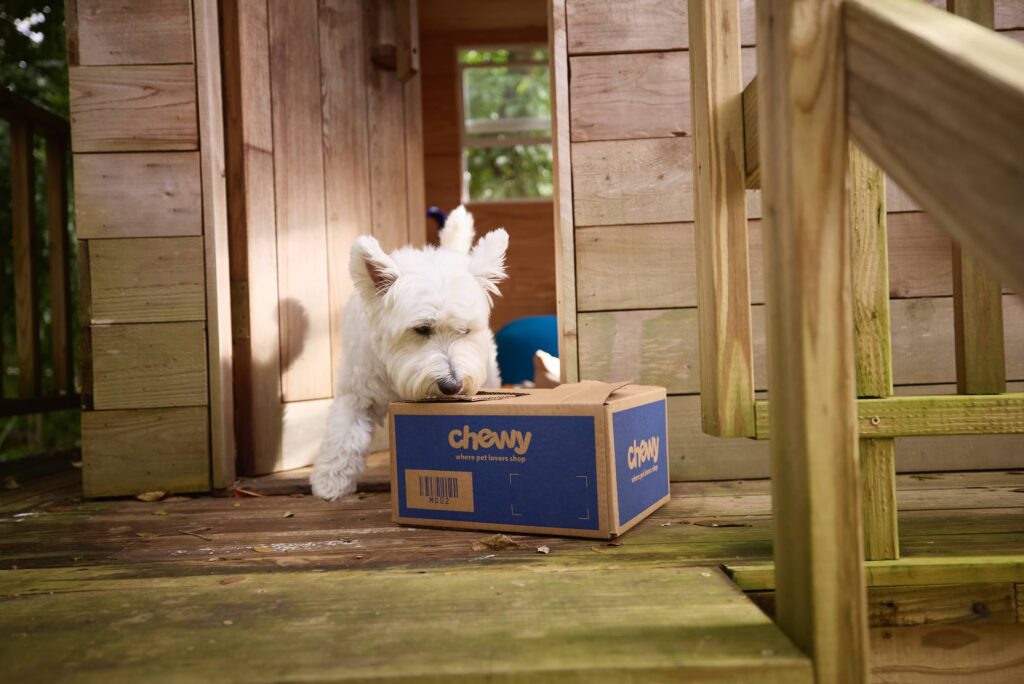
Photo by Chewy
Ever wonder what’s so fascinating about that one patch of grass your dog has to sniff? To them, it’s full of tantalizing smells that you may never notice.
In fact, a dog’s sense of smell is estimated to be 10,000–100,000 times more sensitive than a human’s. And that’s only the beginning.
Here are nine fun facts about your pup’s nose and its superpowers.
Key Takeaways
- Your dog’s nose is basically a built-in superpower—with up to 300 million scent-detecting cells.
- Dogs can sniff around six times per second when they’re hot on an interesting scent.
- Each nostril gathers its own scent clues, helping dogs figure out what’s nearby.
- Your pup may notice stress-related scent changes before you even realize you’re giving them off.
- Take your dog on sniff walks and try scent games at home to let them follow their nose and turn everyday enrichment into an adventure.
9 Fun Facts About a Dog’s Sense of Smell
Your dog’s nose helps them explore their surroundings, learn about other animals, and recognize people. In addition to being incredibly “boopable,” here’s what else makes it remarkable.
1. They Have 300 Million Scent-Detecting Cells
Dogs can have up to 300 million scent-detecting cells in their noses, compared with about 6 million in humans. These cells line the many folds inside a dog’s nose, creating a large surface area for detecting smells.
The exact number varies by dog, but the difference helps explain why that patch of grass is so much more interesting to them than it is to you.
2. Dogs Can Sniff About Six Times in a Second
When your dog locates a smell, their nose goes into overdrive. In one odor detection study, dogs sniffed an average of nearly six times per second while searching.
Each quick sniff brings in another sample of air for their nose to investigate.
Next time your dog catches an interesting scent, watch their nose and listen for those quick little sniffs.
3. They Smell Separately with Each Nostril
Dogs don’t always sniff with both nostrils equally. In a 2011 study, dogs used their right nostril when first investigating a new scent, then shifted to their left as certain scents became familiar. They kept using the right nostril for odors that may have been unsettling.
Researchers think this pattern may reflect how the two sides of a dog’s brain process new and familiar smells.
4. They Know (and Love) Their Human’s Scent
Here’s a heartwarming one: In a 2015 study, researchers scanned dogs’ brains as they sniffed scents from familiar and unfamiliar people and dogs, as well as their own scent.
The scent of a familiar person produced the strongest response in the part of the brain associated with positive expectations. Translation? Your scent may suggest to your dog that good things are coming.
5. Dogs Can Smell When You’re Stressed
Stress can change the odor of human breath and sweat. In a 2022 study using samples from people before and after a stressful task, trained dogs could tell the samples apart.
In fact, some psychiatric service dogs are trained with sweat or saliva samples to recognize scent changes associated with anxiety and panic attacks.
That doesn’t mean your dog knows exactly how you’re feeling, but it does suggest they may notice discreet changes you can’t smell yourself.
6. Their Noses Have a Specialized Smelling Organ
Tucked inside your dog’s nose is a structure called the vomeronasal organ (aka Jacobson’s organ). While the rest of the nose picks up everyday smells, this organ helps detect chemical signals called pheromones released by other animals.
It’s another way dogs can learn about the animals around them.
7. Dogs Can Sniff Out Signs of Disease
Illness can change the chemicals released in our bodies. Even though we can’t smell the difference, specially trained dogs have the ability to detect scent changes associated with various diseases, including cancer, malaria, COVID-19, and Parkinson’s.
But if your dog suddenly takes an interest in sniffing you, it doesn’t necessarily mean you’re sick. Your pup is more likely investigating the lingering scent of your lunch.
8. Bloodhounds Are Scent-Tracking Superstars
Bloodhounds are believed to have among the highest numbers of scent-detecting cells of any dog breed—an estimated 230–300 million. Add generations of selective breeding for tracking, and it’s no wonder they’re exceptionally skilled at following human scent trails.
Their tracking can be so reliable that results from Bloodhound scent trails have been used as evidence in U.S. courts.
Still, that doesn’t mean a Bloodhound will out-sniff every breed at every task. Different dogs excel at different types of scent work, and factors such as training and experience matter, too.
9. A Wet Nose Is a Must
That damp nose does more than leave prints on your windows. A thin layer of moisture helps capture scent molecules from the air, making them easier for your dog to detect.
When dogs lick their noses, they bring some of the scent molecules captured by that moisture into their mouths, where taste and smell may provide additional information.
So, when your pup pauses to sniff, there’s a lot going on behind that boopable nose.
How To Encourage Your Dog To Sniff
You don’t need to set up an elaborate scent course to put your dog’s nose to work (although they’d likely enjoy that!). Here are some simple ways to give your pup more chances to sniff:
- Take a sniff walk. Keep your dog on a leash as you explore a safe trail, park, or stretch of sidewalk. Let them stop to investigate the scents that catch their attention. The goal is to let them explore, not cover ground.
- Serve a meal in a snuffle mat. Scatter some of your dog’s kibble or a favorite dog treat across a snuffle mat. You can also tuck a few pieces into the fabric folds for them to find. This turns a meal or snack into a little scent game (and encourages your pup to eat more slowly).
Recommended Products
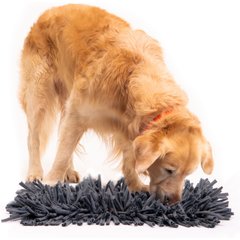
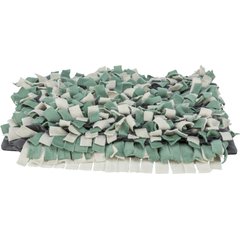
3. Play “find it” at home. Let your dog watch you place a treat nearby, then invite them to find it. Once they understand the game, try hiding treats in a few easy spots around the room or living space. For more advanced nose work, you can also play “find it” outside in a securely enclosed area.
4. Offer a treat puzzle. Puzzle toys are a fun way to put your pup’s nose to work and keep them busy for a bit. Choose one suited to their skill level and supervise play so they don’t chew or swallow any pieces.
Recommended Products
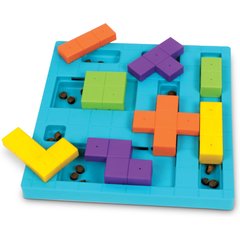
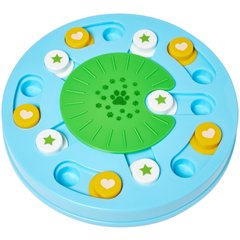
5. Play a box game. Put a treat in one of two open cardboard boxes and let your dog sniff out the right one. Once they get the hang of it, add another box or move them around before each round. Supervise so your dog doesn’t chew or swallow the cardboard.
When doing these exercises, use treats your dog loves to make the search more enticing—or hide a favorite toy if that’s what motivates them. Keep the games fun and manageable, and make the next search easier if your dog seems frustrated.
Recommended Products



FAQs About Dogs and Smell
Why do dogs sniff everything?
Dogs rely heavily on their sense of smell to understand the world around them. Sniffing can tell them who or what has been nearby, help them locate food, and give them information they can’t get through sight alone.
Which dog breed has the best sense of smell?
Bloodhounds are often said to have the most scent-detecting cells of any dog breed, but there’s no proven winner across breeds.
Does a dog’s sense of smell change with age?
Yes, sometimes. Dogs’ scent detection may become less sharp as they age, though the change varies from dog to dog.
How far can dogs smell?
There’s no single distance that applies to every dog or scent. How far away a dog can detect an odor depends on the strength of the smell, the weather and terrain, and the individual dog.
Attributions