Nose Work for Dogs: A Guide to Scent Training for Dogs


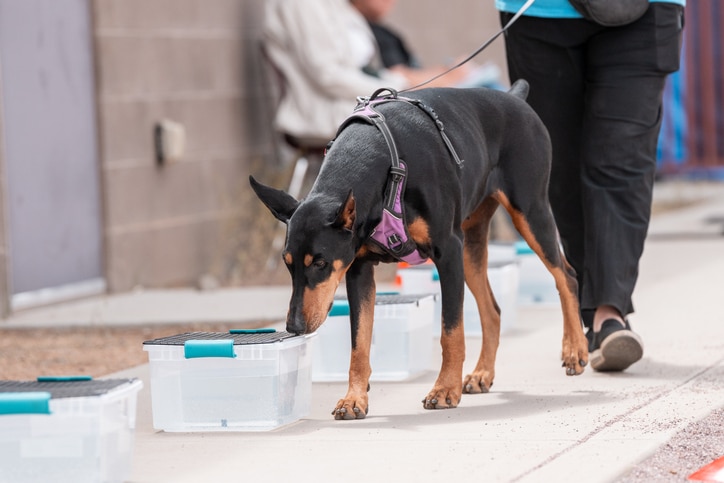
Photo by GoDogPhoto/iStock/Getty Images Plus via Getty Images
Dogs use their incredible sense of smell to process the world around them. It’s like a superpower that helps them understand their environment and everyone in it.
Consider sniffing the canine equivalent of watching the news: Through scent, dogs get a sense of the who-what-where-when of their surroundings and then make decisions based on what they discover.
That might be why so many dogs love nose work: It’s fun, enjoyable, and just maybe their favorite activity.
Key Takeaways
- Nose work is a fun canine sport that taps into a dog’s natural sniffing instincts and builds confidence along the way.
- This scent game can also help reduce boredom, encourage focus, and give dogs a rewarding way to stay mentally active.
- Almost all dogs can participate in nose work if it takes place at home or in the community. Active, sociable dogs may enjoy competitive events.
- Nose work can strengthen the bond between a pet parent and their pup since it’s something you participate in together.
What Is Nose Work for Dogs?
Nose work is a canine sport also known as scent work or scent training. In it, your dog uses their strong sense of smell to track scents through controlled trials, or “finds,” in a variety of settings.
Nearly every dog can play, whether competitively or just for fun at home.
The goal is to test a dog’s accuracy in alerting their handler to a unique hidden scent (usually birch, anise, cypress, or clove).
The game begins with simple finds, then progresses to more challenging scenarios by changing the layout of the course and the location (either indoors and outdoors), as well as introducing “blind” trials where neither the handler nor the dog knows where the scent item has been placed.
What Are the Benefits of Nose Work for Dogs?
Dogs tend to love nose work because it encourages their natural prey drive instincts. Plus, almost any dog can enjoy this fun activity.
There are also lots of benefits for your dog’s physical and mental health:
- Mental exercise: Our dogs are athletes who excel at physical sports, but we also need to give their brains a workout. Scent work requires dogs to stay focused while they scan their environment and catalog the various smells around them, which is mentally enriching and wears them out (which is a good thing!).
- Confidence: In nose work, your dog is the team leader. Rather than relying on the handler’s cues, a dog must tap into their natural abilities without intervention. This fosters problem-solving independence, and it allows dogs to feel more in control as they make their own decisions.
- Impulse control: Nose work is all about focus. Any intensity is channeled into the hunt, so they learn how to better regulate their emotions. This may encourage dogs to pause before responding to stimuli in other scenarios.
- Problem solving: This sport encourages dogs to think independently and creatively. There’s a progression to the game, requiring dogs to stay on task in new and challenging environments. This can help your dog learn to think outside the box.
- Bonding: Any dog sport based on positive reinforcement can strengthen the bond between dog and handler, but nose work adds a new dimension to it. This dog-led activity can help pet parents learn to read their dog’s body language more clearly, leading to a better understanding of them. Plus, there’s nothing quite like the bonding that happens after a successful find!
Which Dogs Benefit Most From Nose Work?
While scent hounds, such as Bloodhounds or Beagles, excel at tracking down prey, nearly any companion dog can enjoy the fun of hunting for hidden treasures.
Scent work is an incredibly inclusive sport because dogs of all ages and breeds can participate, from puppies to seniors, as well as dogs with physical challenges, like limb differences.
Some K9 nose work competitions can even accommodate reactive dogs—sometimes referred to as “red bandana dogs”—because the sport doesn’t require working in a group setting.
While almost every dog can benefit from fun scent detection games around the house or in the community, not all dogs will thrive in a competitive nose work setting. The long days, the possibility of inclement weather, and the added stress of being judged might not be a fit for all canine (and human) temperaments.
What Does Nose Work Look Like?
Nose work might not have the rowdy wow factor of canine sports like agility and dock diving, but if you watch closely you’ll see something impressive: how a dog’s brain, body, and nose operate in tandem to uncover the hidden scent, and how the dog communicates that find to their handler.
In most situations, a dog is on a long leash of about 10 feet to give them enough room to roam as they hunt.
Recommended Products
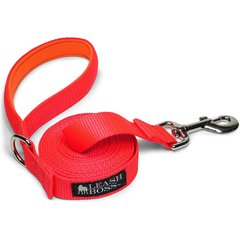
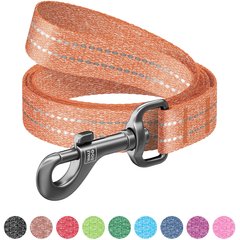
The handler follows behind, letting the dog set the pace and direction as they search. Handlers are usually quiet during scenting and refrain from giving hints or directions. But once there’s a find? Celebrate the hard work with some cheers and pets (and a treat in a non-competitive scenario).
Recommended Products
How To Do Nose Work with Your Dog at Home
It’s easy to mimic the fun of competitive scenting at home, and it’s a great way to harness your dog’s energy on days when you can’t get outside to play.
Here’s how to do it:
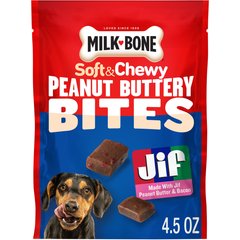
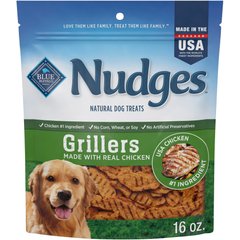
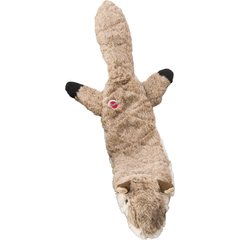
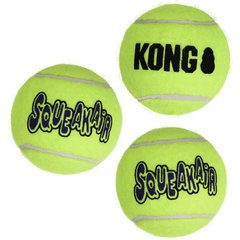
- Choose items your dog would like to search for. Food-motivated dogs might like a special, smelly treat like freeze-dried fish. Dogs who love toys might enjoy searching for a fuzzy plush toy that they can shake and “kill” once they find it, and ball-driven dogs probably won’t be able to resist searching for an old favorite like a squeaky tennis ball.
Recommended Products

2. Head to your “spot.” To begin the game, take your dog to a quiet room, ask them to “stay,” and let your dog watch while you hide the target item in an obvious spot, like behind a chair leg.
3. Start the game. Release your dog and say “find it!” as your pup races toward the hidden item, then have a praise party when they grab it.
4. Repeat this step a few times. You can hide the goody in a variety of easy spots while your dog watches.
5. Try your first “blind find.” Take your dog out of the room, hiding the object in a spot you’ve already used, then bring your dog back in the room and cue a “find it!” Give your pup plenty of praise when they uncover it.
6. Head outdoors. Once your dog is successful with a variety of blind finds around your house, try it outdoors. Keep in mind that this new environment has plenty of competing scents, so make it easy for your dog to stay focused on the game by keeping the first few trials short and simple.
It’s tough to refrain from giving your pup hints as they search, but it’s important to let them puzzle through the challenge. That way you’ll end up with a mentally exhausted bestie at the end of a few rounds.
Other Ways To Provide Scent Enrichment for Dogs
Want to keep the nose work party going? Try scent-based enrichment toys.
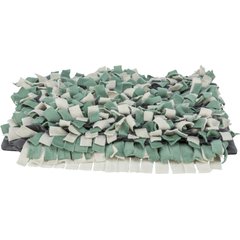
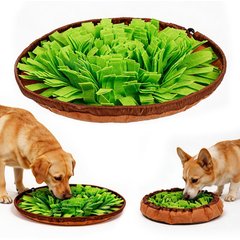
A snuffle mat mimics foraging behaviors because dogs need to sniff out the goodies or food hidden with the mat’s fabric crevices.
Recommended Products
Brain teaser puzzle toys tap into canine scenting abilities and help your pup practice their problem–solving skills.
Recommended Products
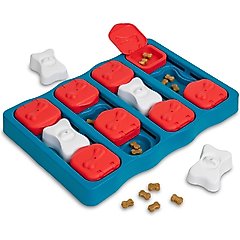
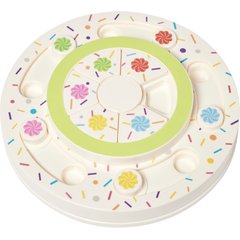
Treat dispensing toys also require scenting skills to determine if there are more goodies hidden away inside of the toy. Some treat toys need to be moved around to get the goodies to come out, while others are best with stationary, focused attention.
Recommended Products
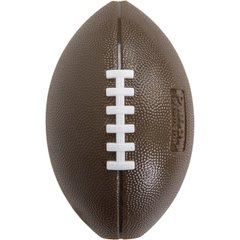
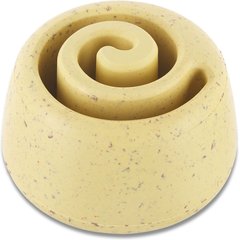
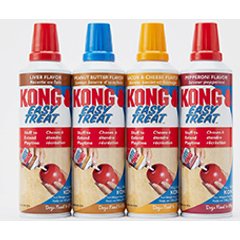
Stuffed toys can also be used for scent enrichment. Make a mixture of plain, low-fat yogurt or Kong stuffing, plus a variety of different treats, and stuff the Kong before freezing it. Then you can give it to your pup to find the treats and lick them out.
Recommended Products

FAQs About Nose Work for Dogs
What is the difference between nose work for dogs and scent training for dogs?
Both terms are often used interchangeably, but scent training can also refer to working detection dogs.
How long should nose work sessions be?
It depends on your dog, but it’s best to have short, upbeat training sessions that hold your dog’s interest. That might mean five minutes for a puppy just learning the ropes to up to 30 minutes for a more advanced dog.
Is nose work tiring for dogs?
Yes! Due to the intense focus, nose work is very tiring for dogs, but it’s also incredibly fun for them as well.
Can puppies do nose work?
Yes, young pups can excel at playing scenting games, plus it’s a great way to bond with your new best friend.
Attributions