3 Mexican Dog Breeds With Fascinating Histories



Photo by Chewy
Mexican dog breeds are small in number but have a long heritage, stretching back to the ancient civilizations of the Aztecs and Toltecs and even further. In the modern world, these breeds can make excellent family companions.
Learn more about popular Mexican dog breeds and what makes these dogs so special.
Key Takeaways
- There are three AKC-recognized dog breeds with ties to Mexico: the Chihuahua, Xoloitzcuintli, and Chinese Crested.
- Mexican dog breeds have ancient roots, with some tracing their history back to the Aztec and Toltec civilizations or even further.
- These breeds vary widely in size and appearance, from the tiny Chihuahua to the hairless Xoloitzcuintli, and all make devoted companion dogs.
- Hairless Mexican dog breeds require special skin care, including protection from the sun and regular grooming to keep their skin healthy.
1. Chihuahua
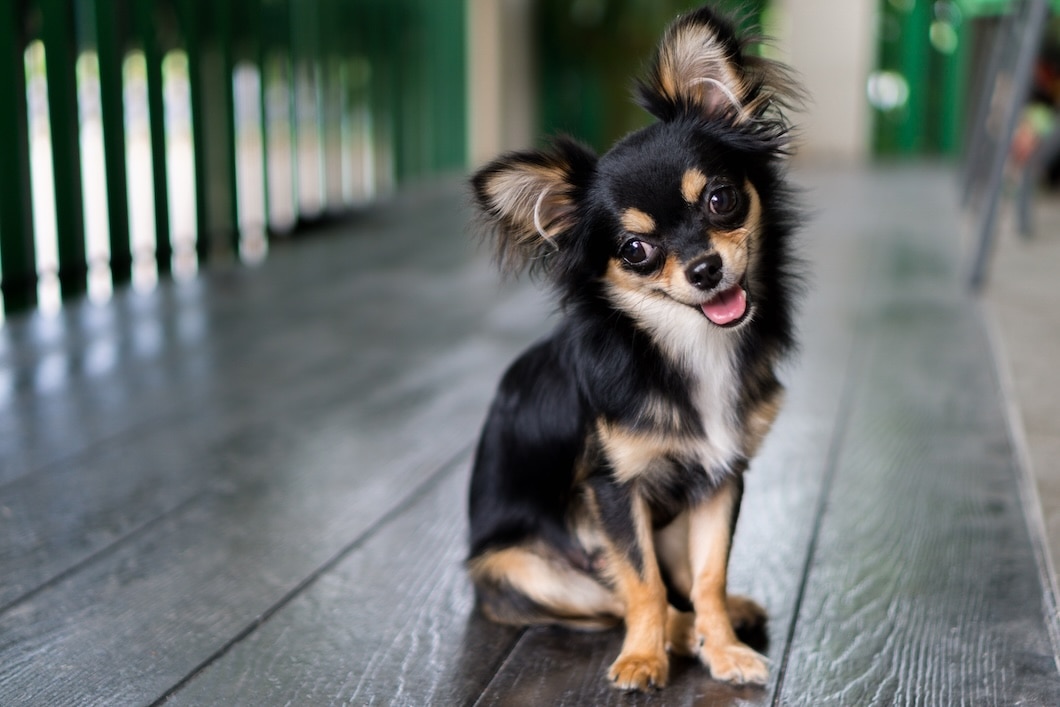
Photo by Phanuwat Yoksiri/iStock via Getty Images Plus
- Size: Extra small
- Lifespan: 14–16 years
- Temperament: Charismatic, chatty, cheeky
One of the most recognizable toy dog breeds, the Chihuahua is the most popular Mexican dog breed. These tiny pups weigh around 5 pounds when full grown and love to go anywhere with you—especially if you’re toting them around in your arms or in a dog carrier.
Recommended Products


That’s no surprise since Chihuahuas were originally bred to be companions in their native homeland, the Mexican state of Chihuahua. These dogs from Mexico made their way to the U.S. in the early 1900s, and now they’re popular pets.
Small in size but not in personality, Chihuahuas are chatty, inquisitive, and playful. And while daily exercise is important for all dogs regardless of size, don’t expect the Chihuahua to be setting any distance records—they much prefer a few short walks broken up over the day, followed by indoor playtime with some favorite toys.
Recommended Products

Chihuahuas are known for living well into their teen years. They don’t need much grooming (a once-a-week brushing is typically OK), but pay special attention to their dental health. Chis are highly susceptible to dental disease, so brush their teeth every day, schedule regular dental cleanings with your vet, and offer plenty of dental chews.
Recommended Products



2. Xoloitzcuintli
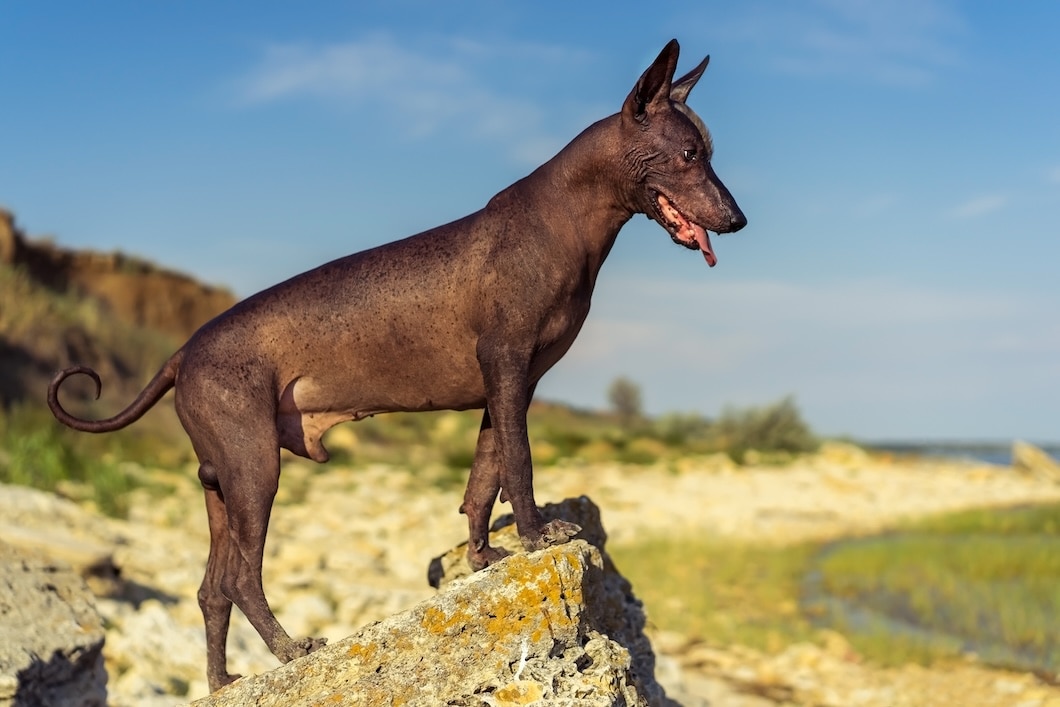
Photo by Masarik via Adobe Stock
- Size: Small to large
- Lifespan: 13–18 years
- Temperament: Alert, friendly, loyal
Officially known as the Xoloitzcuintli (pronounced show-lo-eats-QUEENT-lee), many pet parents simply refer to these dogs as “Xolos.” The breed traces its roots back to Mexico, and evidence suggests that these dogs were special to the Aztec people.
This Mexican hairless dog might lack fur, but Xolos come in a range of colors from red to black to brindle. They sometimes have a tuft of hair on the head, at the end of the tail, and some hair on the legs or feet. In rare cases, these dogs aren’t hairless at all and sport a short, flat coat of fur.
A rare Mexican dog breed, Xolos come in three sizes: toy, miniature, and standard. They can be as petite as 10 pounds or as large as 55 pounds.
Because hairless Xolos don’t shed, they might be a good dog breed for some people with allergies, but allergic reactions to skin dander and saliva are still possible. Also, their skin does call for some special care—they need regular baths and upkeep with medicated wipes to prevent acne, and you’ll need to take steps to prevent sunburns and skin irritation.
Recommended Products

3. Chinese Crested
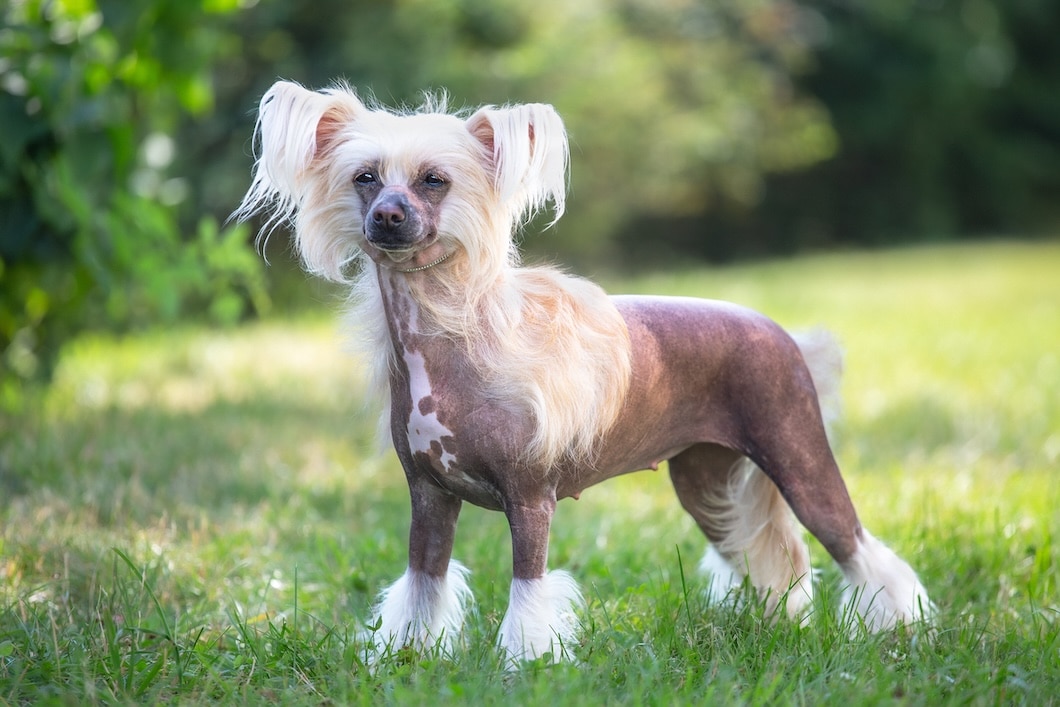
Photo by Sabriel Smutný via Adobe Stock
- Size: Extra small
- Lifespan: 13–18 years
- Temperament: Sensitive, sidekick, spirited
With a name that suggests a different homeland, it might be a surprise to see the Chinese Crested included with dogs from Mexico—but the origins of the Chinese Crested are not entirely clear.
According to the Canadian Chinese Crested Club, genetic research has linked the Crested to the Xolo and the Peruvian Inca Orchid, a hairless dog from Peru. Because of this, the breed club says, “it would be hard to argue that Mexico is not the wellspring for the hairless family of dogs, including the Crested.” The breed’s exact origins haven’t been pinpointed, however.
Chinese Cresteds became associated with China while traveling on merchant vessels, where they were used to hunt vermin.
There are two varieties of the Chinese Crested: hairless and powderpuff. The hairless version sports flowing locks on the head, shoulders, tail, and lower legs. Powderpuff Chinese Crested dogs are covered head-to-toe in a medium-long coat of silky fur.
Mexican native dog breeds tend to tolerate heat well, and the same is true for the Chinese Crested. Without a heavy coat, these pups can stay cool when temperatures rise.
At the same time, they also get cold easily, so they may need a sweater—or to snuggle up close to you—when temperatures drop.
Recommended Products




FAQs About Mexican Dog Breeds
What is the national dog of Mexico?
The official national dog of Mexico is the Xoloitzcuintli. The name is a mouthful, but most people refer to this breed as the Mexican Hairless Dog, or Xolo, for short.
Are Mexican dog breeds good family pets?
Yes, Mexican dog breeds can be good family pets as long as their unique needs are met.
What is the oldest Mexican dog breed?
Evidence of the Xoloitzcuintli dog dates back 3,000 to over 5,000 years, making them the oldest Mexican dog breed. It also qualifies the Xolo as one of the most ancient dog breeds in the world.
Attributions