How Hot Is Pavement for Dogs? 9 Surfaces That Can Burn Your Pup’s Paws


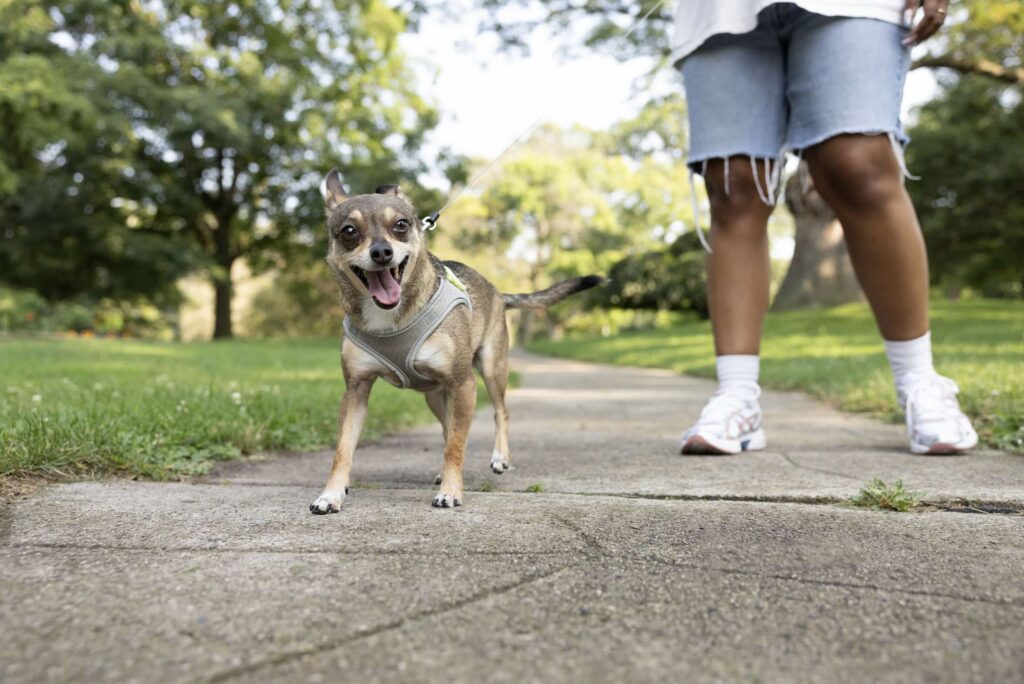
Photo by Chewy
A warm, sunny day can feel like the perfect time for a walk with your canine bestie, but your pup’s paws might disagree.
Even when the air feels comfortable, pavement can become hot enough to burn your dog’s paw pads surprisingly quickly.
So how hot is pavement for dogs? And what other outdoor surfaces pose the biggest risk? Here’s what you need to know.
How Hot Is the Pavement for Dogs?
When people talk about hot pavement, they’re usually referring to asphalt and concrete.
On a sunny day, these surfaces can become hotter than the surrounding air, says Becca Boronat, MV, CAWA, a Charleston, South Carolina–based veterinarian with Best Friends Animal Society.
“Air temperature is typically measured several feet above the ground, so it doesn’t reflect what’s actually happening right at paw level,” she explains. In fact, she notes, you can expect the pavement to be 40–60 F (22–33 C) hotter than the actual temperature.
Here’s a general idea of how air temperature can translate to pavement temperature on a sunny day:
| Air Temperature | Pavement Temperature |
|---|---|
| 77 F (25 C) | 125 F (52 C) |
| 87 F (31 C) | 143 F (62 C) |
| 97 F (36 C) | 161 F (72 C) |
| 107 F (42 C) | 179 F (72 C) |
Keep in mind that the temperatures in the chart are estimates. Surface temperatures can vary significantly depending on several factors, including:
- Direct sunlight: The longer a surface sits in the sun, the hotter it becomes.
- Cloud cover: Clouds block some of the sun’s rays, but surfaces can still become hot on partly cloudy days.
- Surface color: Dark-colored surfaces absorb more of the sun’s energy than lighter-colored surfaces, allowing them to reach higher temperatures.
- Surface material: Outdoor surfaces respond to direct sunlight differently. For example, asphalt heats up quickly and can reach high temperatures because its dark surface absorbs more of the sun’s energy, while grass stays cooler since it absorbs water from the soil.
- Wind: A steady breeze helps carry heat away from surfaces, allowing them to cool more quickly. Wind-free days tend to produce higher surface temperatures.
- Time of day: Surface temperatures usually peak in the afternoon after hours of sun exposure and may remain hot well after sunset.
When Is Pavement Too Hot for Dogs?
Once pavement reaches about 125 F (52 C)—which occurs when the air temperature is around 77 F (25 C) outside—the risk of paw pad burns becomes a serious concern.
At this temperature, burns can occur in as little as 60 seconds, and even faster as temperatures climb, says Shalsee Vigeant, DVM, medical director at VEG ER for Pets in Sugar Land, Texas.
Pavement is typically hottest in mid to late afternoon, though it can remain hot enough to burn your pup’s paws well into the evening.
How To Tell If the Pavement Is Too Hot
The best way to check is the seven-second test. While the test isn’t a perfect measure of surface temperature, it’s a simple way to gauge whether the pavement is safe for your dog.
Here’s how to do it:
- Place the back of your hand flat on the pavement. Be sure to use the back of your hand, as it’s more sensitive to heat than your palm.
- Hold it there for seven seconds. Try not to lift your hand before the full seven seconds are up.
- Pay attention to how it feels. If the pavement is too hot for you to keep your hand there for seven seconds, it’s too hot for your dog’s paws.
Dr. Boronat says that some dogs may be more vulnerable to paw pad burns, including:
- Puppies
- Senior dogs
- Dogs who don’t spend much time outdoors
- Dogs who’ve just stepped out of a pool and have wet paws
- Dogs with paws that are already irritated
How Hot Are Other Outdoor Surfaces?
It’s not just asphalt and concrete that may be too hot for your pup. Artificial turf, sand, wood, metal, and other surfaces can also become dangerously hot on sunny days.
The estimated temperatures below, based on findings from multiple studies (including this 2022 study, this 2024 study, and the U.S. Forest Service’s 2025 study) show how common outdoor surfaces compare, from hottest to coolest.
Asphalt
Approximate surface temperature: 140–180 F (60–77 C)
- Asphalt is one of the hottest walking surfaces and one of the highest-risk materials for paw pad burns.
- Its dark color absorbs large amounts of the sun’s heat.
- It releases heat slowly, so it may remain hot well after sunset.
- It’s commonly used for roads and parking lots.
Artificial Grass
Approximate surface temperature: 120–180 F (49–82 C)
- Synthetic materials trap heat and lack the natural cooling effect of living grass.
- It heats up rapidly in direct sunlight, often reaching temperatures as hot as asphalt.
- Artificial grass cools down relatively quickly in shade and after sunset.
- It’s common in dog parks and backyards.
Wood and Decking
Approximate surface temperature: 120–170 F (49–77 C)
- Natural wood generally stays cooler than composite decking.
- Dark-colored wood and composite decking absorb more heat than lighter-colored materials.
- Composite decking can become as hot as asphalt in direct sunlight and typically retains heat longer than natural wood.
- Both are common on backyard decks, patios, porches, and boardwalks.
Metal Surfaces
Approximate surface temperature: 140–160 F (60–71 C)
- Metal surfaces heat up extremely quickly in direct sunlight.
- They transfer heat rapidly, so even brief contact can burn paw pads.
- However, they cool down fairly quickly in shade and after sunset.
- Common surfaces include manhole covers, trailer ramps, docks, metal grates, and playground equipment.
Sand
Approximate surface temperature: 110–160 F (43–71 C)
- Sand heats up quickly in direct sunlight.
- Dry sand is much hotter than wet sand near the water’s edge.
- It cools down relatively quickly in shade and after sunset.
- Beach sand and playground sand are equally dangerous when hot.
Concrete
Approximate surface temperature: 120–150 F (49–66 C)
- Concrete usually stays cooler than asphalt because its lighter color reflects more sunlight.
- It can still become dangerously hot in direct sunlight.
- Concrete releases heat slowly, so it may remain hot well after sunset.
- It’s commonly found in sidewalks, driveways, patios, pool decks, and walking paths.
Gravel
Approximate surface temperature: 100–150 F (38–66 C)
- Temperatures vary widely depending on the type, color, and size of the stones.
- Dark gravel generally gets hotter than light-colored gravel.
- It cools fairly quickly in shade and after sunset.
- Gravel is commonly found on driveways, hiking trails, and landscaped paths.
Dirt
Approximate surface temperature: 90–130 F (32–54 C)
- One of the coolest walking surfaces, dirt can still become hot enough to burn paw pads.
- Soil color, moisture, and sun exposure all influence surface temperature.
- Dirt surfaces cool down fairly quickly in shade and after sunset.
- It’s commonly found on hiking trails, nature paths, parks, and campgrounds.
Natural Grass
Approximate surface temperature: 80–100 F (27–38 C)
- Natural grass is the coolest outdoor walking surface.
- It naturally cools itself through evaporation, helping keep surface temperatures lower.
- Healthy grass rarely gets hot enough to burn paws, but use extra caution if it’s dry or has patches of exposed dirt.
- It’s common in parks, backyards, and other green spaces.
Signs Your Dog Has Burned Their Paw Pads
Prevention is always the goal, but it’s important to know the signs of a paw pad burn so you can catch an injury early.
According to Dr. Vigeant, the most common signs of a paw pad burn include:
- Limping or refusing to walk
- Chewing or licking the paws
- Redness or discoloration of the paw pads
- Blisters, cracks, peeling, or missing skin on the paw pads
- Bleeding from the paw pads
- Sensitivity or pain when the paws are touched
What To Do If Your Dog Burns Their Paws
If you think your dog has burned their paw pads, act quickly:
- Move off the hot surface immediately. Carry your dog, if possible, or guide them onto a cooler surface.
- Cool the paws. Gently pour cool—not cold—water over the paw pads for several minutes or soak them in cool water for about 10 minutes. Do not use cold water or ice, as extreme cold can worsen tissue damage.
- Keep the paws protected. Loosely wrap the paws with a clean bandage to help keep dirt and bacteria out.
- Call your vet. Contact your vet ASAP. They can assess the injury and recommend the best treatment plan.
- Go to an emergency vet if needed. If your regular vet is unavailable or your dog has severe burns—large blisters, missing skin, bleeding from the paw pads, or an inability to walk—seek emergency veterinary care.
- Avoid home remedies. Many human burn products are toxic to dogs if licked, so only use products that your vet gives a thumbs-up.
Dr. Vigeant says that burns may need a range of veterinary treatment, including:
- Antibiotics
- Pain medications
- Prescription ointment
- Bandaging
- Hospitalization
- Skin grafting
How To Protect Your Dog’s Paws From Hot Surfaces
When it comes to paw pad burns, prevention is your best defense. Here’s how to keep your dog’s paws safe on sizzling days.
Walk During the Coolest Parts of the Day
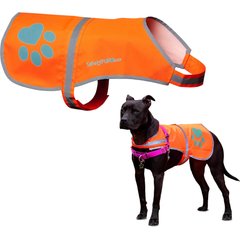
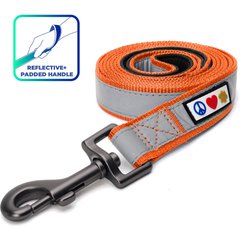
Pavement typically reaches its hottest point in the mid to late afternoon. Dr. Boronat recommends walking your dog in the early morning or evening—earlier than 8 a.m. or later than 8 p.m.—when surfaces are usually coolest. (Don’t forget walking gear that’s safe in the dark.)
Recommended Products

Take Paw-Friendly Routes
Whenever possible, stick to grass or shaded dirt trails. If you need to walk on pavement or other surfaces, look for shaded areas or wait until the surface has had time to cool.
Test the Ground Before You Walk
Before heading out, use the seven-second test to check the surface with the back of your hand. If it’s too hot for your hand, it’s too hot for your dog’s paws.
Use Protective Paw Gear
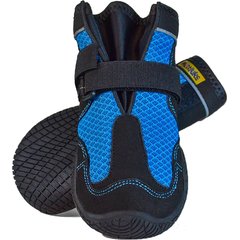
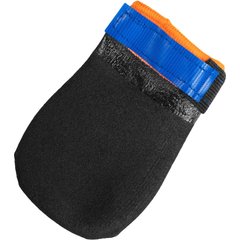
If you need to head out when the ground is hot, dog boots are your pup’s best line of defense.
Recommended Products
Have an Indoor Exercise Session
If it’s simply too hot outside, skip the walk and bring the fun indoors instead.
Puzzle toys are a great way to burn energy until temps cool down.
Recommended Products



Consider a Doggy Stroller
Who says every walk has to happen on four paws? A dog stroller lets your pup get some fresh air without risking paw pad burns.
Recommended Products


Keep Your Dog’s Paw Pads Healthy
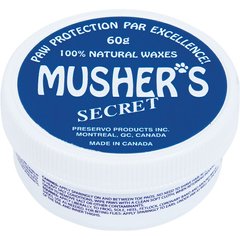
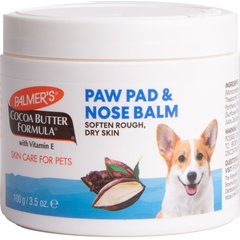
While paw balms and waxes may create a thin protective layer, they shouldn’t be relied on to prevent burns, Dr. Boronat says.
They’re best reserved for mildly warm days and for keeping paw pads moisturized and healthy, which can help maintain their natural protective barrier.
Recommended Products

FAQs About Dog Paws and Hot Pavement
Can dogs walk on pavement in 90 F weather?
No, it’s not a good idea. On a sunny 90 F (32 C) day, pavement can exceed 140 F (60 C), which is hot enough to burn your dog’s paw pads in seconds. If you do go outside, choose grass or shaded routes.
Is concrete cooler than asphalt?
Yes, concrete is usually cooler than asphalt since it’s lighter in color and absorbs less heat. However, it can still be hot enough to burn your dog’s paws.
Can dogs burn their paws even if it isn’t extremely hot outside?
Yes, dogs can burn their paws even when it’s not excessively hot. Pavement becomes much hotter than the surrounding air, especially in direct sunlight. Even when the air temperature is a comfortable 77 F (25 C), pavement may reach temperatures hot enough to burn your dog’s paw pads in as little as 60 seconds.
How long does pavement stay hot after sunset?
It depends on the weather, the type of surface, and how much sun that surface absorbed. Asphalt and concrete release heat slowly, so after a hot, sunny day, they can remain too hot for your dog even a few hours after sunset.
What temperature is safe to walk dogs outside?
It depends. There’s no single air temperature that’s always safe, but walking dogs on pavement is generally considered safe when the air temperature is 70–75 F (21–24 C) or cooler. Even then, it’s smart to check outdoor surfaces with the back of your hand.
Attributions