Why Do Dogs Lick Their Paws? Is This Normal?


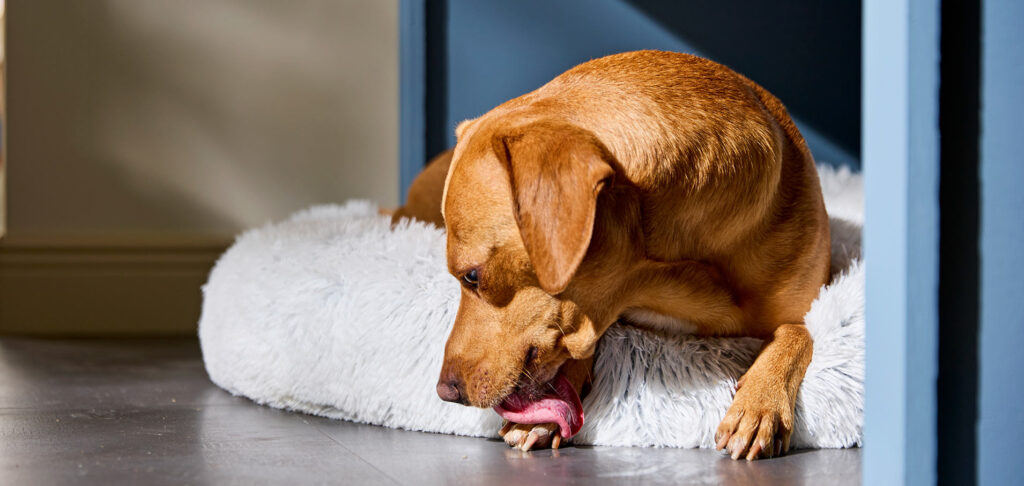
Photo by Chewy
Q: Why does my dog keep licking his paws? I’ve searched his feet and there are no cuts on his paw pads or anything stuck between his toes. Is this normal?
A: There are several reasons why dogs may lick their paws—ranging from itchy paws caused by allergies to normal grooming to behavioral issues or other health concerns. Most of the time, it’s pretty normal, especially if it’s only occasional licking.
However, if you notice that there’s excessive paw licking or your dog seems to be in pain, you should take them in for a checkup to determine the underlying cause of this behavior.
Key Takeaways
- Occasional paw licking in dogs is usually normal and related to grooming or self-soothing.
- Persistent or excessive paw licking is often linked to allergies, infections, pain, or anxiety.
- Chronic licking can lead to secondary skin infections that worsen itching and discomfort.
- Veterinary evaluation is recommended if paw licking is frequent, intense, or accompanied by other symptoms.
Reasons Dogs Lick Their Paws or Feet
If you notice your pup chewing their paws or lick their feet, experts say there are several common reasons for this behavior:
Self-Grooming
If your pooch is only occasionally licking their paws, “it can be normal grooming behavior,” according to Ana Clara Muñoz, DVM, a veterinarian at Village Square Woodside Veterinary Hospital in Redwood City, California. This form of self-grooming is how your pup keeps themselves clean, so there’s no need to worry!
Self-Soothing
Dogs may groom or lick themselves—or objects like furniture and bedding—to help them relax. This may happen before a nap or as a way to decompress from over-stimulation, sort of like the way fidget spinners work, says dog trainer Jolene Short, CDBC, CPDT-KA, CSAT, FFCP.
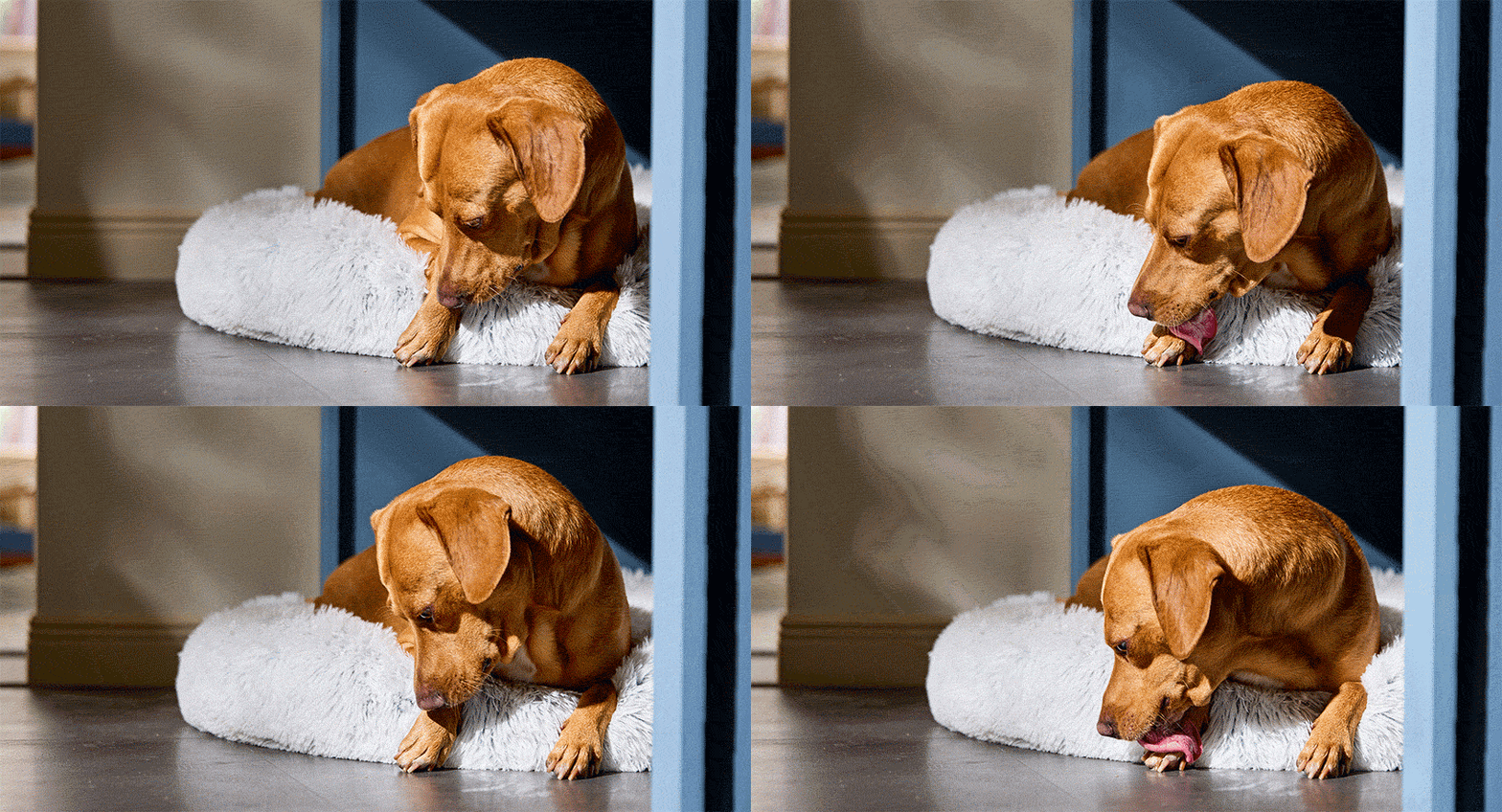
Photo by Chewy
Pretty normal stuff, however Short cautions that excessive or injurious amounts of licking may be a sign that your dog is struggling with a more significant level of anxiety. “Anxiety-related over-grooming is a symptom of a larger problem and requires a deeper dive into the dog’s emotional health,” she says.
Injury
If your four-legged friend steps on a sharp rock or a sticker bush in the yard, it can cause skin irritation or pain. Ditto for an infection of the nail bed or paw pad, so make sure to give your dog’s paw a once-over if they’re suddenly licking it. This isn’t the time to break out the first-aid kit and play doctor; have your dog’s vet remove any foreign objects or hangnails ASAP.
Allergies
Dogs can suffer from allergies just like humans, causing itchy skin, which in turn causes them to lick. “Usually chronic, ongoing licking is not behavioral, but an outward symptom of chronic established allergies,” says Amy Tate, DVM, co-owner and managing partner of Riverview Animal Clinic in Birmingham, Alabama.
Common dog allergies include environmental allergies (such as seasonal allergies), flea allergies, and food allergies.
Skin Infection
Both yeast and Staphylococcus bacteria are normally present on your dog’s skin, but they can “increase greatly when the skin is chronically wet and the skin cells are disrupted, allowing the bacteria and yeast to replicate,” says Dr. Tate.
Translation? If your dog has allergies and constantly licks themselves because they’re itchy, that saliva can create a damp environment on the skin that can cause yeast infections or bacterial infections, referred to as moist dermatitis. These secondary infections can make your poor pup’s paws itch even more, creating a vicious cycle and potentially leading to other health problems.
Other Health Issues
The vets we spoke to said there could be other underlying health reasons your dog is constantly licking their paws, such as joint pain, skin mites, tummy troubles, or another source of discomfort. Remember, constant paw-licking can be a soothing mechanism for dogs, so this behavior can be a sign of something not even related to their feet—and is worth bringing up with your vet.
When Should You Be Concerned About Paw Licking
Paw licking usually isn’t a major cause for concern, but it’s always better to be on the safe side for the sake of your pet’s health. Sarah Wooten, DVM, CVJ, says if you notice any of these things, you should bring your pup in for a veterinary exam:
- Your dog is licking their paws more than usual and/or it’s disrupting their daily life
- Their paws are stained brown from licking
- There are wounds, broken toenails, swelling, hot spots, blisters, or growths
- Their paws have a strong smell
- Your dog is limping
Pro Tip: Whenever you notice your dog licking one area obsessively (whether it’s their feet, ears, or tail), it’s time to schedule an appointment with your vet. “Whether the problem is behavioral or medical, the dog will cause irritation by repeatedly licking or scratching at an area which will make it a medical issue, if it isn’t already,” says Sandra Mitchell, DVM, DABVP, located in Bangor, Maine.
How to Stop Dog Paw Licking
This will depend on the reason why your dog is licking their paws in the first place and how best to treat that underlying cause. Your vet’s action plan may include:
- Anti-itch medications: Medications such as Apoquel and Cytopoint can alleviate itchiness and prevent flare-ups that can cause excessive licking.
- Allergy shots: For dogs with severe or persistent allergies, your vet might recommend immunotherapy, which involves giving small doses of allergens through injections to desensitize the immune system over time.
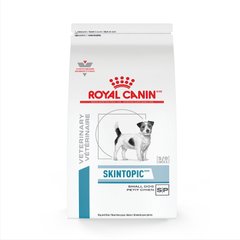
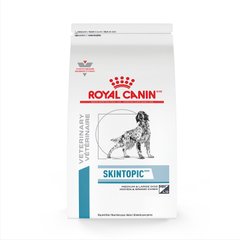
- Therapeutic diets for itching: Your veterinarian may recommend a therapeutic diet to help manage itchiness and support skin health. For example, Royal Canin Veterinary Diet Skintopic Dog Food is formulated to support the skin’s natural barrier and improve quality of life by managing itchiness in dogs with dermatological signs.
Recommended Products
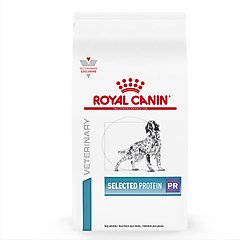
- Therapeutic diets for food allergies: If your dog has a food allergy, your vet may suggest a special therapeutic diet with novel protein sources or hydrolyzed proteins to help avoid trigger ingredients.
Recommended Product
- Antibiotics/anti-fungals: If excessive licking leads to a bacterial or yeast skin infection, your veterinarian may prescribe antibiotics or anti-fungal medication to clear it up.
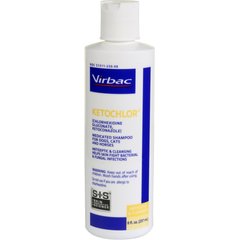
- Medicated shampoo or other topicals: Medicated shampoos, like Virbac’s KetoChlor Medicated Shampoo for Dogs & Cats, and sprays can help soothe irritated skin and reduce bacteria or yeast.
Recommended Product
- Behavior modification: If licking has become a habit (or a stress response), your vet may suggest a behavior plan to break the lick cycle, such as teaching an alternative behavior or using training techniques to reduce stress triggers.
- Anti-anxiety medication: For dogs who lick due to anxiety, your vet may recommend medication to help them feel calmer. This can be especially helpful for dogs with separation anxiety or other ongoing stress.
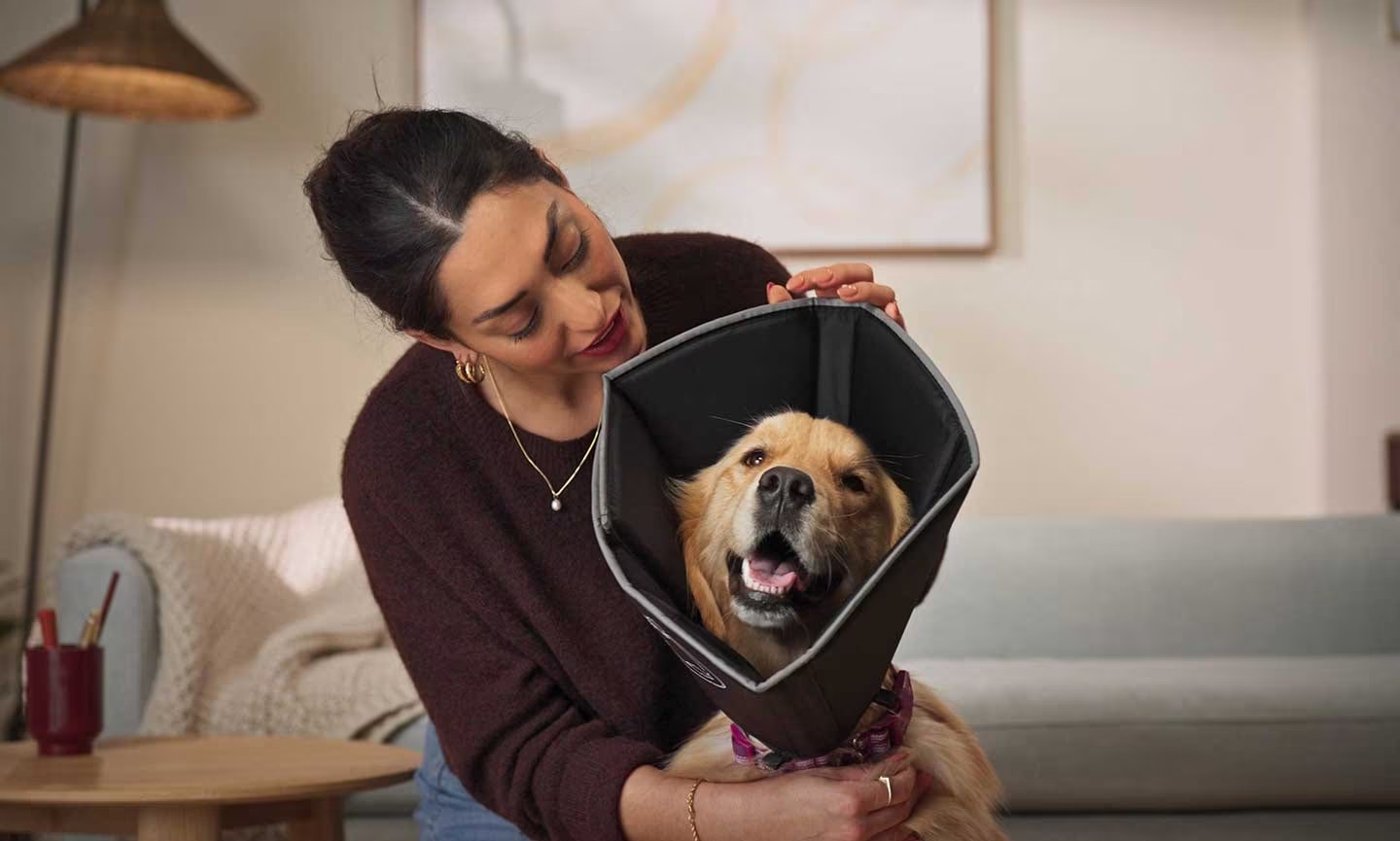
Photo by Chewy
A recovery cone can provide a temporary solution while your vet determines appropriate treatment.
Recommended Product
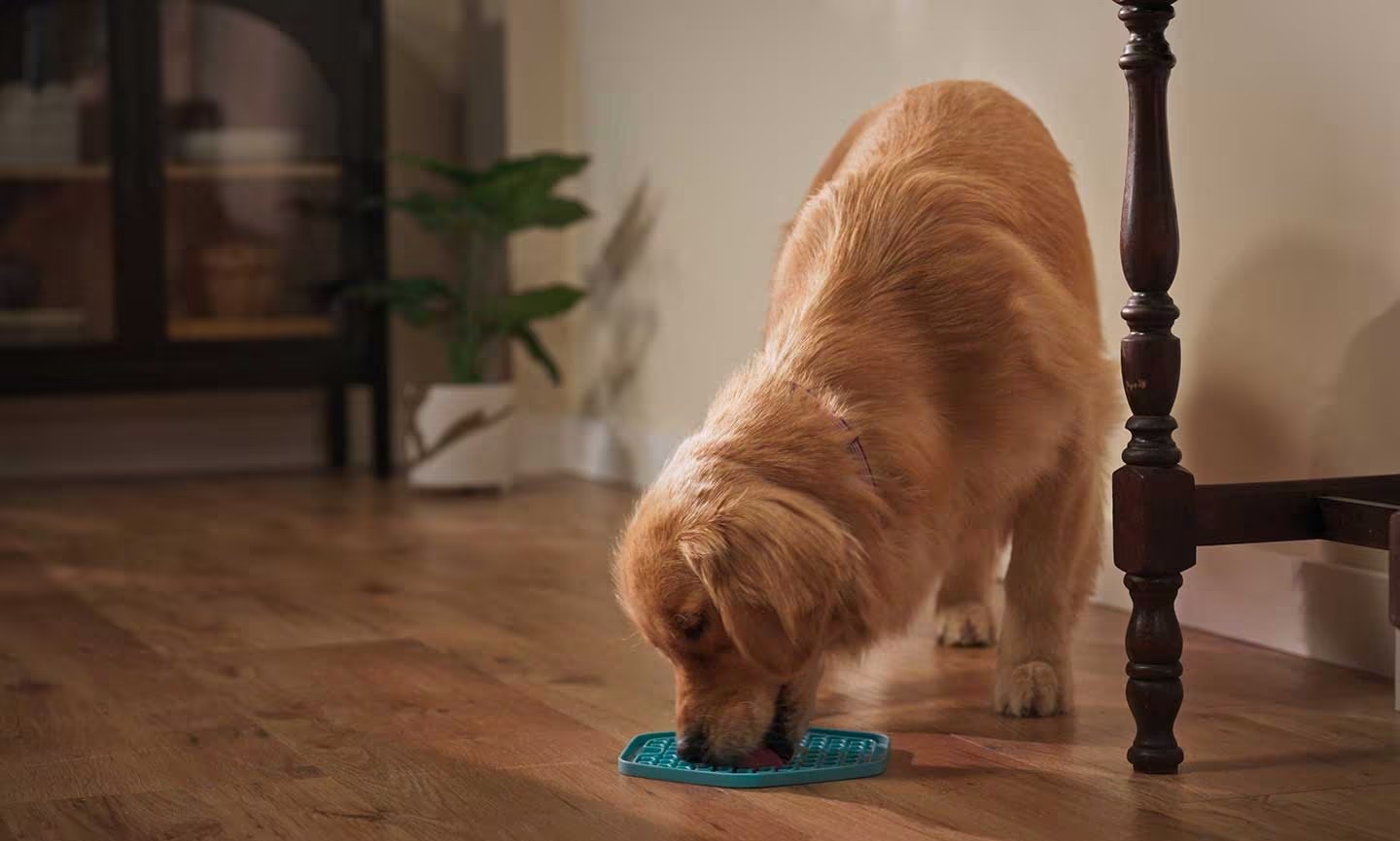
Photo by Chewy
If your dog is licking their paws a mild or moderate amount, Short recommends redirecting them to an alternate form of calming enrichment as a replacement, and ideally one that still involves the licking behavior “so we can meet the need that they’re telling us helps them feel good.” For example, try introducing the following:
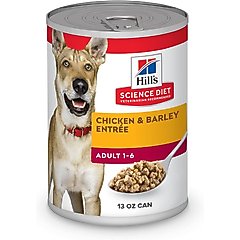
- Lick mats: Licking mats, like the LickiMat Buddy, make your dog work extra hard for their food. Spread wet dog food or peanut butter into the crevices for a soothing treat.
Recommended Products
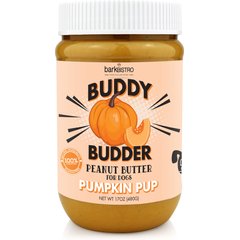
- KONG Classic toy: Place a tasty treat inside a KONG toy like peanut butter or one of KONG’s spray treats to keep your dog busy. (Psst, freezing the treats inside makes it extra challenging.)
Recommended Products

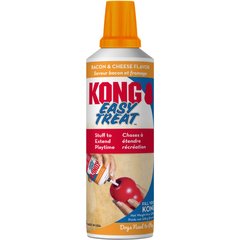
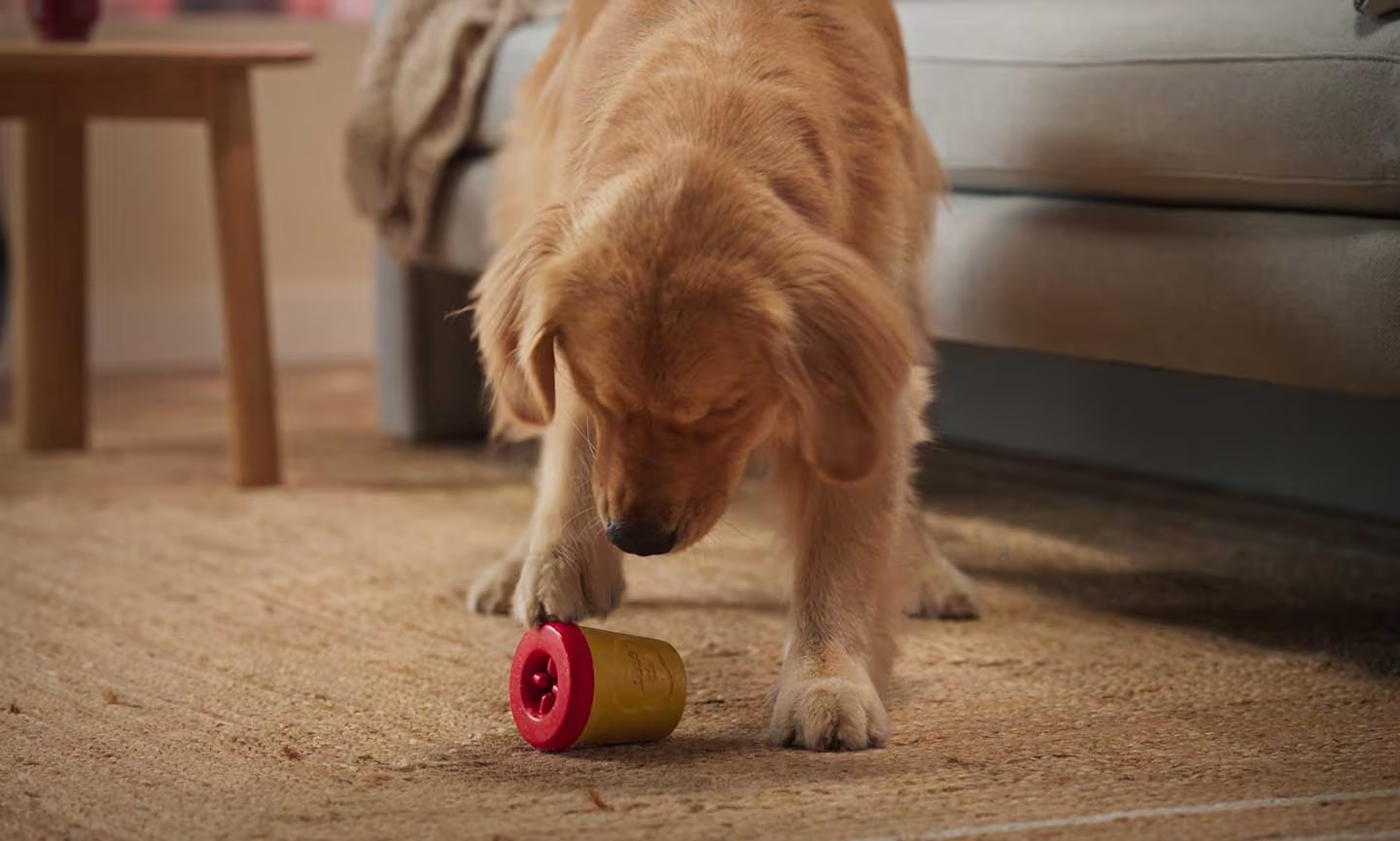
Photo by Chewy
Some other ways pet parents can try to lower their pup’s anxiety include:
- Increasing their daily physical exercise and mental stimulation (check out these boredom busting ideas)
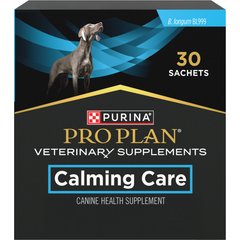
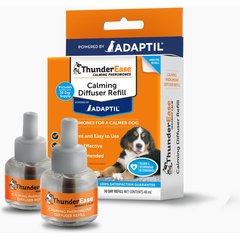
- Providing stress-relief aids, like calming chews or sprays (see Chewy customer faves here)
Recommended Products
Have more questions about your pet’s behavior? Get expert advice through Chewy’s Connect With a Vet service, available daily from 6 a.m. to midnight ET.
While paw licking is generally normal, it’s worth paying attention to. If your pooch is showing signs of distress and/or licking their paws excessively, this behavior may require intervention from a vet or animal behaviorist to get them feeling their best again.
Attributions