Flea Bites on Dogs: What They Look Like—and What to Do About Them



Photo by iStock.com/Wirestock
Itching. Scratching. Mood changes. When you suspect your dog has a flea problem, it’s probably because they’re feeling—and acting—pretty miserable. That makes sense—fleas are tiny, irritating insects that live in a dog’s fur and feed off their blood, after all. Yuck!
Flea bites on dogs can irritate their skin, causing them extreme pain and discomfort. So how do you know if your dog has fleas, and what can you do to help them if so? We talked to veterinarian Dr. Jessica Hockaday, DVM, MS, in Decatur, Alabama, to shed some light on your itchy dog situation.
Key Takeaways
- Flea bites on dogs usually appear as small red bumps, clusters, or rashes and cause intense itching.
- Common areas include the groin, belly, and base of the tail.
- Flea allergy dermatitis can occur from just one bite in sensitive dogs.
- Effective treatment requires addressing both your dog and your home environment.
What Do Flea Bites on Dogs Look Like?
Flea bites aren’t just unpleasant for your pooch—they also leave some distinctive physical symptoms behind. When searching for signs of fleas, here’s what to look for:
- Red Bumps: Dog flea bites can appear as individual red dots or grouped together as a cluster of tiny bumps.
- Rash: If your dog has a really nasty flea infestation, the flea bites can look more like a pink or red rash spread across their skin.
- Scabs: A dog that’s constantly scratching or biting at their flea bites will eventually develop skin infections, abrasions, or scabs. Ouch!
- Hair loss: Because dogs are bigger animals, hair loss might not be as apparent, but they can experience some hair thinning due to flea bites.
In addition to flea bites, you may also spot live fleas or flea dirt (flea poop) on your dog.
Where Are Flea Bites Usually Found on Dogs?
While fleas can live anywhere on your dog, flea bites are usually found in certain areas on your pup. When scanning for flea bites on your dog’s body, here are some of the most common areas you should check:
- Groin: This is the first place to look for fleas and flea bites on your dog. They will typically be the easiest to see, too, because the fur in that area is usually sparse.
- Belly: Like the groin area, it’s relatively easy to see flea bites on the stomach due to the relative lack of fur.
- Base of the tail: You may need a flea comb to comb through your dog’s fur to spot flea bites at the base of the tail, but this is another “hot spot” where fleas love to bite.
Other Symptoms of Flea Bites on Dogs
Dogs tend to be expressive, so it can be obvious when your dog suffers from flea bites. Besides noticing the physical signs of flea bites like red bumps and hair loss, there are plenty of other indicators that show fleas have bitten your dog. Some of these symptoms may include:
- Biting and scratching: If your dog is scratching or biting at their skin, it could be the first sign of a flea problem. A dog with sensitive skin or an allergic reaction to flea saliva can experience flea allergy dermatitis, which is an extremely painful and itchy reaction that can be caused by as little as one flea bite.
- Mood changes: If you see your dog pacing back and forth or notice a loss of appetite, it could be a sign of a flea infestation. Sudden personality changes can indicate your pup is feeling anxious, perhaps due to fleas.
- Finding fleas on your dog: Though fleas are extremely small (1-2 mm), you may be able to see them by brushing your dog’s fur with a flea comb.
- Discovering flea dirt on your dog: You can use a flea comb to find flea dirt (also known as flea feces or droppings) on your dog. If you come across tiny black specks that look like dirt, place them on a paper towel, spray them with water, and squish them into the towel. If the specks change into a reddish color, then they are flea dirt.
- Tiny objects that look like rice grains in their stool: Fleas do more than just bite. They also transmit dangerous diseases and parasites like tapeworms. If you notice that your dog’s stool appears to contain small grains of rice, it may be a sign your pup is infected with a tapeworm—which means they may have ingested fleas.
Treatment for Flea Bites on Dogs
Once you’ve determined your dog has a flea problem, you need to figure out how to eliminate these annoying insects. According to Hockaday, prescription medications are generally the best way to go, even though they can be more expensive upfront. Many pet parents try multiple over-the-counter solutions before consulting with their veterinarian, which can end up costing more in the long run.
Here are some of the most popular flea treatments:
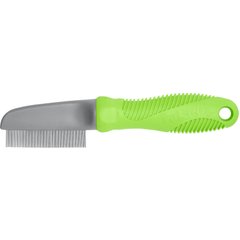
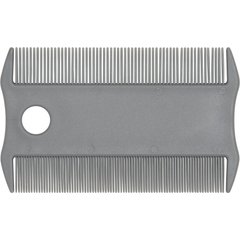
- Flea combs: Hockaday recommends every pet parent have an inexpensive flea comb at home. You can use the flea comb to brush your dog’s fur daily to remove fleas. This technique works best if used together with a flea shampoo. Make sure you are combing in the “hot spots”—like your dog’s tail and belly—where fleas are more likely to bite.
Recommended Products
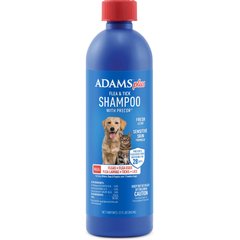
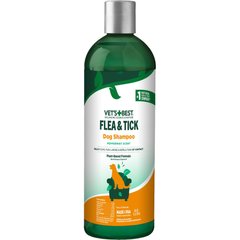
- Flea shampoos: Most over-the-counter flea shampoos remove the active fleas on your dog—but they don’t do anything to prevent future flea infestations. And if your dog has fleas, chances are that fleas are living in your home as well—and may very well re-infest your pup the first chance they get. For that reason, Dr. Hockaday says pet parents need to make sure to use shampoos paired with a flea prevention measure, too.
Always check with your vet before combining treatments to avoid a reaction or overdose.
Recommended Products

- Oral or topical preventative treatments: Though shampoos and combs are popular, oral and topical medications are generally more effective flea treatments for your dog. Whether you choose a prescription or over-the-counter option, make sure you are giving your dog the correct dosage of the treatment so your pup doesn’t have a severe reaction.
Recommended Products
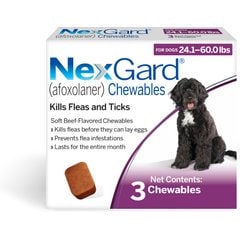
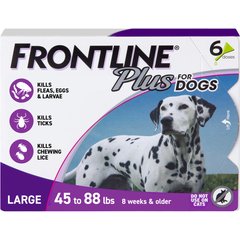
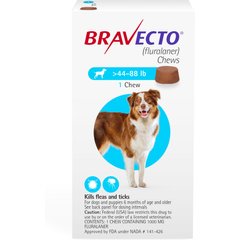
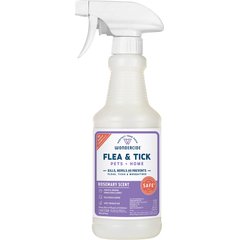
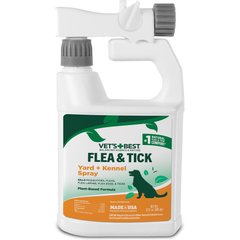
- Treating your home or yard with flea sprays: Not only does your dog bring fleas into your home, but you and your family can track fleas and flea eggs into your house, too. These fleas can live in carpets or bedding, just waiting to bite pets or people. At the same time as you treat your dog and other pets for fleas, you’ll want to make sure you thoroughly treat your home and yard with flea barriers or sprays so fleas don’t keep making their way back into your house and onto your pets.
Recommended Products
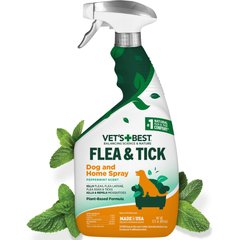
Before purchasing any flea control product, talk to your veterinarian. Hockaday says some fleas can build up resistance to flea treatments, so it’s important to be sure the products you buy will kill the fleas in your area.
How to Prevent Flea Bites on Dogs
Once you’ve helped rid your doggo of unwelcome visitors, you’ll want to figure out how to prevent future flea infestations year-round. Most dogs go outside regularly, so Hockaday recommends flea prevention that includes protection against ticks, heartworm and intestinal parasites, too. Compared to cats, dogs don’t usually suffer from severe flea infestations. But they’re also at higher risk because they go outside more often, so prevention is still important.
Here are some popular flea prevention methods:
- Oral preventatives: These are medications taken by mouth that get into your dog’s system to provide flea prevention and protection.
- Topical preventatives: These medicines are applied directly to your dog’s skin and distribute chemicals to protect against fleas, ticks, and more.
- Flea collars: Worn around the neck, flea collars can provide protection from adult fleas or larvae. For safety, be sure the flea collar fits well and has a breakaway feature. If there’s any excess to the collar, be sure to trim the ends, so your dog can’t chew on the collar and be exposed to dangerous chemicals.
Attributions