Does My Dog Need Year-Round Flea and Tick Prevention?



Photo by Chewy
If you’re wondering whether your dog needs flea and tick prevention, the answer is yes. But how often do they need them?
We spoke to veterinarians about when to give your dog flea and tick prevention meds and to debunk some common myths pet parents might believe about the treatments.
Key Takeaways
- Dogs need year-round flea and tick prevention, no matter where you live.
- Indoor dogs and those in colder climates are still at risk of parasites.
- Skipping flea and tick prevention can lead to serious health risks and difficult-to-clear infestations.
- Talk to your veterinarian about the best flea and tick prevention for your dog.
Do Dogs Need Flea and Tick Prevention Every Month?
Yes—vets agree that fleas and ticks are a concern year-round. Despite being more prevalent in the summer months, thinking of them as a seasonal problem sets you and your pet up for exposure, says Aly Cohen, DVM, of the Cornell Richard P. Riney Canine Health Center.
“Even in colder climates, pets can be exposed during unexpected warmer days or inside homes,” she says. “You may see more fleas and ticks at certain times of the year, but they never totally go away.”
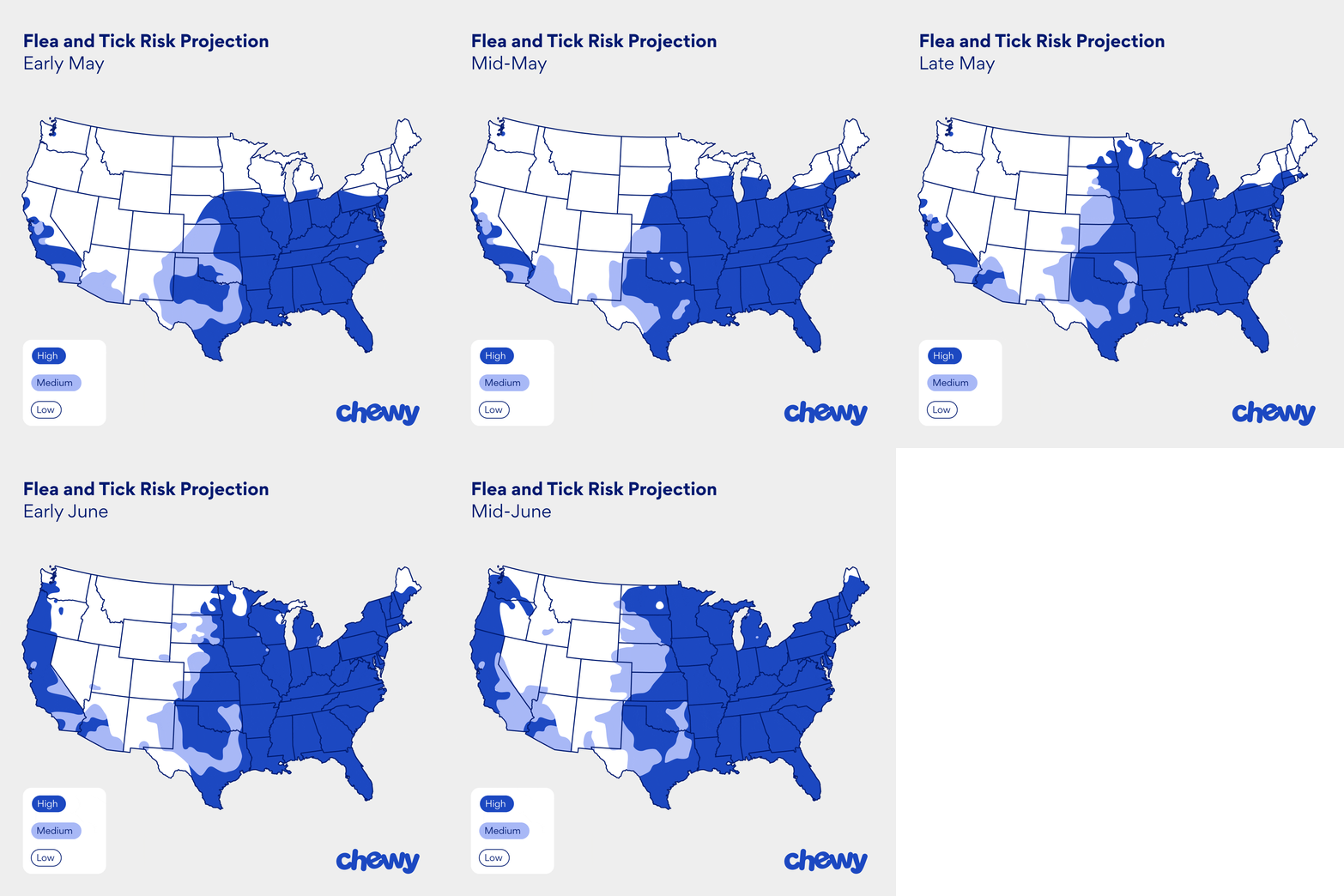
Source: Boehringer Ingelheim, Identifying U.S. Flea-Tick Hot Zones Using B-I Predictive Analytics (2025)
Photo by Chewy
Michelle Moyal, DVM, veterinary communications manager for Nestlé Purina North America, agrees, adding that fleas are the most common external parasite for dogs.
“While their numbers may decrease in winter, many fleas and ticks remain alive during the cold weather months,” she explains. “Adult fleas might be killed by freezing temperatures outside, but many survive by hiding in various locations, including garages, leaf piles, and (much to my dismay) homes.”
Talk with your veterinarian about the best flea and tick medication for your dog. There are topical products, oral chews, and collars available.
Recommended Products
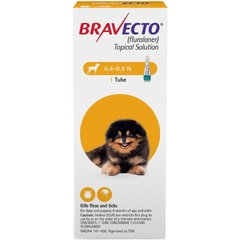

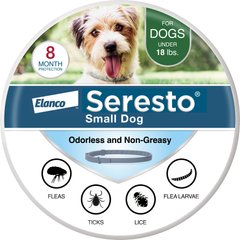
Dr. Moyal says some products need to be reapplied monthly, while others can last several months.
Flea and Tick Season: Myths vs. Reality
Ready to test your knowledge? Dr. Cohen and Dr. Moyal set the record straight on the most common myths they hear from patients about fleas and ticks.
Myth: Indoor Pets Don’t Need Preventatives
“Indoor pets can still be exposed through other animals or fleas brought in from the environment,” Dr. Cohen says.
You or your family members, friends, or other visitors can inadvertently carry these pests in from outdoors. Or, if you invite your loved ones’ pets over for a puppy playdate and they don’t have their pet treated with preventatives, that animal can spread pests to your pet.
Myth: Flea and Tick Preventatives Can Be Toxic
Dr. Cohen emphasizes that flea and tick medications recommended by your vet are safe and effective when used properly.
“Like any medication, some may have potential mild side effects, and people should consult with their veterinarian [about] what makes most sense for their pet to use,” Cohen says.
Dr. Cohen says there’s no evidence that essential oils or home remedies provide reliable protection, and some, like tea tree oil, may even be toxic to dogs.
Myth: No Visible Fleas Means Your Pet Doesn’t Have Them
Even if you don’t see fleas on your pet, your home could still be infested.
In fact, Dr. Moyal says dogs with fleas may groom excessively if they develop an allergy to the flea bites, but not always, so you may not know right away that you have a flea problem.
Dr. Cohen adds that dogs can also groom fleas off for a period of time, and pet parents might not readily see them.
“Remember, if you do see a flea—even just one—that means there are more!” Dr. Moyal says.
Myth: Your Pet Never Goes Into the Woods, So They’re Not at Risk
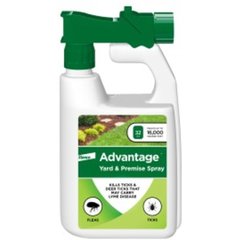
Ticks can thrive in suburban yards, parks, and even city spaces, so your pet can still be at risk in many environments. Treating your yard for ticks with a dog-safe yard spray can help reduce the chances of exposure.
Recommended Product
Myth: You Live in a Cold Climate, and Fleas and Ticks Die Off in the Winter
While warmer, humid climates are at a higher risk for year-round exposure, that doesn’t mean people in colder climates don’t need to take precautions against fleas and ticks.
“Many flea and tick species survive winter,” Dr. Cohen says. “Ticks can go dormant during the winter when it is below freezing, but even just one or two days above the freezing level and ticks can be active.”
Dr. Moyal says it’s important to still be vigilant when walking your dog in winter in areas where ticks can be found, especially for pets who love to explore.
“Snow cover can provide some protection for our pets, but some dogs (including my own!), constantly investigate leaf piles and shrubs, inadvertently picking up resting ticks,” Dr. Moyal says.
And even if you don’t live in a high-risk area year-round, traveling with your dog without treating them with preventatives first can put them at risk of contracting flea- or tick-borne illnesses while on your trip.
Are There Risks to Skipping Flea and Tick Prevention?
Your home could become a breeding ground for these pests if you skip flea and tick prevention for your pets.
Fleas can enter your home through window screens or by hitching a ride on other pets, your shoes, or your clothes. Some tick species can establish themselves indoors, particularly when they lay eggs in carpets, bedding, and furniture. Infestations spread quickly and can take months to clear.
“Preventing infestations is far easier than eliminating them,” Dr. Cohen says. Infestations can lead to numerous ailments without proper flea and tick prevention, including:
- Fleas: Skin diseases, itching and discomfort, hair loss, inflammation, anemia, tapeworm infections
- Ticks: Lyme disease, anaplasmosis, Rocky Mountain Spotted Fever, tick paralysis, and ehrlichiosis, all of which can cause significant discomfort, chronic illness, and (in rare cases) life-threatening complications
Pets aren’t the only ones at risk from a flea or tick infestation. Dr. Cohen says these pests can also bite people and transmit diseases.
So, it’s always better to be cautious and keep your dog on year-round parasite preventives.
Attributions