How To Remove a Tick From Your Dog or Cat

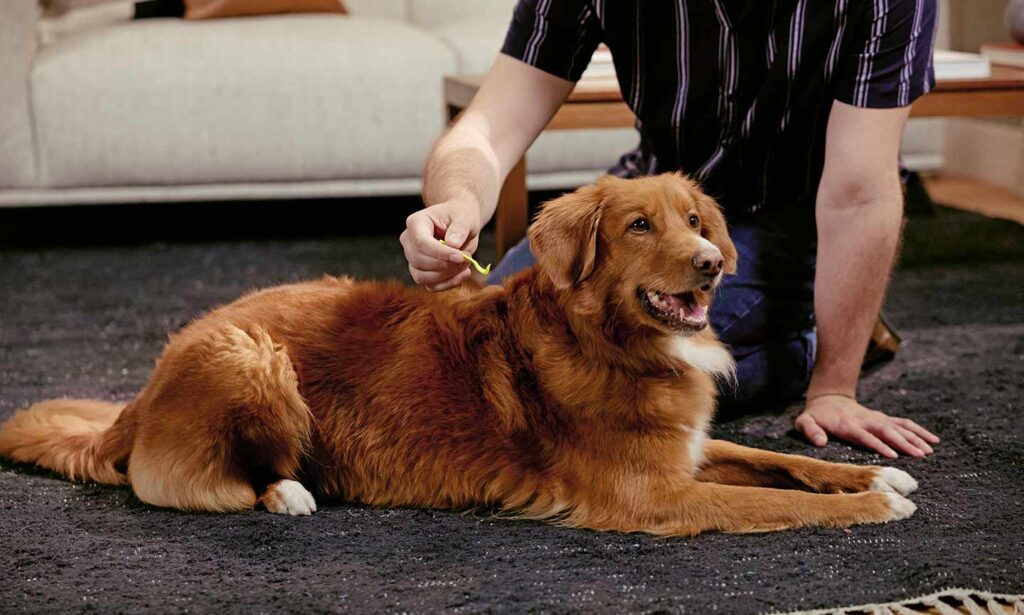
Photo by Chewy
Finding a tick on your pet can be stressful, but safe removal starts with a calm, careful plan. Confirm it is a tick, use the right tool, clean the bite site, and monitor your dog or cat for signs that need veterinary care.
Key Takeaways
- Confirm the bump is a tick before pulling; skin tags and nipples can look similar.
- Use tweezers or a tick-removal tool close to the skin and pull with slow, steady pressure.
- Clean the bite site, save the tick in alcohol, and call your vet if parts remain or symptoms appear.
- Year-round flea and tick prevention helps protect both dogs and cats.
1. Make Sure It’s a Tick
Skin tags can look similar to ticks, so take a closer look before you begin. Ticks have eight legs and a body that’s typically black, tan, or brown, and range from about 1 millimeter to 1 centimeter in size. If you’re unsure, your veterinarian can help confirm.
2. Grip the Tick
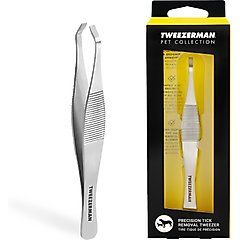
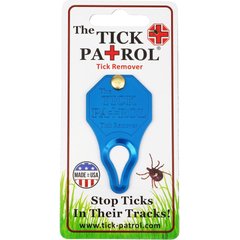
Gently part your pet’s fur. Using tweezers or a tick-removal tool, grasp the tick as close to the skin as possible.
Recommended Products

3. Pull Straight Out
Apply slow, steady pressure. Avoid twisting, squeezing, or jerking, which can cause parts of the tick to remain in the skin. (Consult your vet if tick parts remain after you pull it out.)
4. Clean the Area
Disinfect the bite site with pet-safe antiseptic and wash your hands thoroughly.
Recommended Products


5. Save the Tick
Place the tick in a sealed container with rubbing alcohol. This makes identification easier if your veterinarian needs it later.
When To Call Your Vet
Mild redness can be normal. However, if you notice these signs, check in with your vet right away:
- Swelling
- Discharge
- Lethargy
- Fever
- Changes in appetite
Prevention Is Your Best Defense
Year-round flea and tick prevention, regular coat checks, and prompt removal help keep both dogs and cats comfortable and protected. Your veterinarian can help you choose the best option for your pet’s needs.
Recommended Products



Attributions