5 Signs Your Pet Has Fleas


Photo by Chewy
Fleas can be hard to spot, especially on long-haired pets. Watch for these subtle signs of fleas on your cat and dog so you can contact your veterinarian and start treatment before irritation or infestation gets worse.
Key Takeaways
- Scratching, biting, overgrooming, and restlessness can all point to flea discomfort.
- Flea dirt looks like tiny black specks and turns reddish-brown when damp.
- Red, irritated skin, scabs, hair loss, or hot spots deserve a closer look.
- Year-round flea and tick prevention is the best way to reduce future risk.
1. Frequent Scratching or Biting
Persistent scratching, chewing, or licking—especially around the neck, tail base, belly, or legs—is often the first clue something’s off. You may also notice hair loss or thinning fur in these areas.
2. Excessive Grooming
Cats who have fleas may groom more than usual or retreat to do it in private.
Dogs might fixate on one itchy area.
Both behaviors are natural attempts to soothe discomfort—and signals worth checking out with your vet.
3. Red or Irritated Skin
Flea bites can irritate sensitive skin and may lead to infection if left untreated. Watch for redness, bumps, scabs, or hot spots on your dog or cat.
4. Flea Dirt
Tiny black specks in your pet’s fur could be flea dirt—digested blood left behind by fleas. Place a few on a damp paper towel; if they turn reddish-brown, it’s a strong sign fleas are present.
5. Restlessness or Behavior Changes
Pets dealing with fleas may seem more irritable, unsettled, or have trouble sleeping. Discomfort often shows up in behavior before you see the cause.
Comfort Starts Here
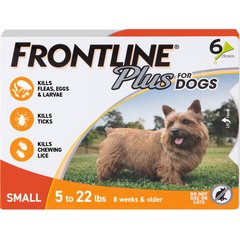
Flea prevention comes in many forms. Talk to your veterinarian about the best flea and tick medication for your dog or cat.
Recommended Products



Attributions