Iodine for Dogs: Can Dogs Take Iodine?


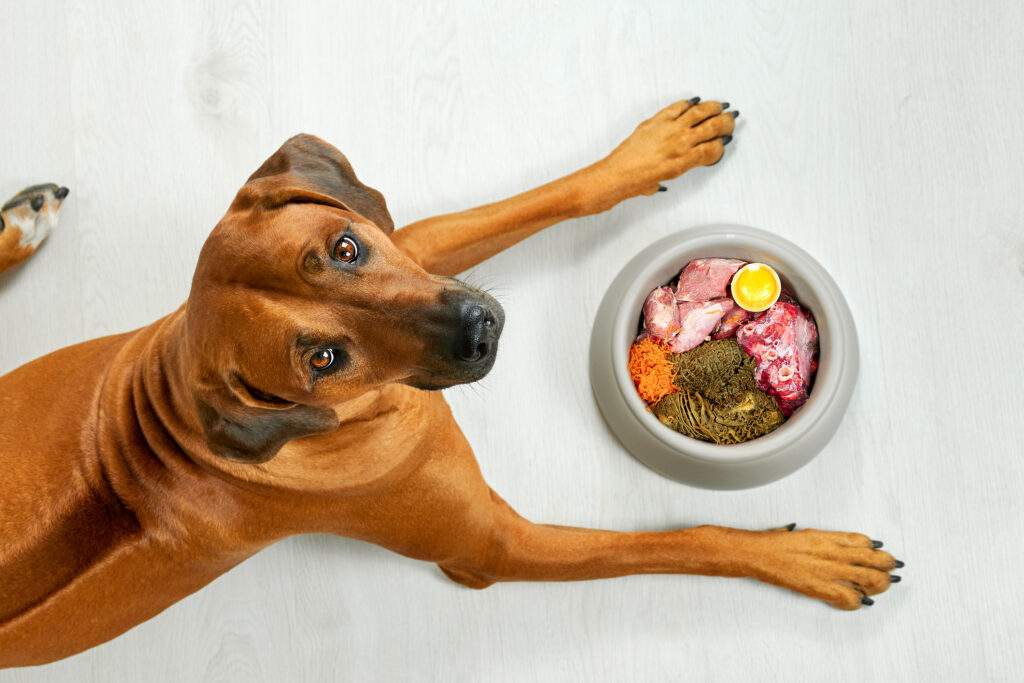
Photo by Zontica/iStock/Getty Images
Iodine is an essential trace mineral dogs need in small amounts to make thyroid hormones. Most dogs eating a complete and balanced diet ingest plenty of iodine, so extra usually isn’t necessary. If a veterinarian finds that your dog’s diet lacks iodine, the usual fix is to adjust the diet plan rather than adding iodine. Too much iodine can disrupt thyroid balance, so this mineral should never be given without veterinary guidance.
Here is what pet parents should know about iodine and whether a vet might suggest using it.
Key Takeaways
- Iodine is an essential nutrient, but most dogs eating a complete and balanced diet already get enough iodine.
- Extra iodine is usually only worth considering when a veterinarian thinks a dog’s diet is missing important nutrients.
- Too much iodine can disrupt normal thyroid balance and contribute to goiter.
- Iodine supplements should be used only with veterinary guidance, especially if your dog’s diet is home-cooked or otherwise customized.
Can Dogs Be Given Iodine?
Dogs can take iodine when a veterinarian recommends it, but most healthy dogs don’t need this supplement. Iodine is important for thyroid hormone production, and the amount a dog receives from their diet matters. For dogs eating a nutritionally complete food, extra iodine usually isn’t beneficial and can create an imbalance.
How Does Iodine Work in Dogs?
Iodine is needed for the thyroid gland to make thyroid hormones, which help regulate metabolism. However, balance is important. Dogs need enough iodine to support normal thyroid hormone production, and too little or too much can interfere with that balance.
When Might a Vet Recommend Iodine?
A veterinarian may recommend iodine if they review your dog’s diet and decide your dog isn’t getting enough from their food. In that situation, however, the goal is usually to correct the overall nutrient balance, not to use iodine as a stand-alone fix. For most dogs, the better solution is a complete and balanced diet that contains the right amount of iodine.
Potential Side Effects of Too Much Iodine
If a dog gets too much iodine, it can disturb normal thyroid function. Excess intake can contribute to goiter (an enlarged thyroid gland) or other thyroid imbalances. For this reason, iodine is not a “more is better” supplement.
How To Give Your Dog Iodine
Don’t start an iodine supplement on your own. If your veterinarian thinks your dog needs additional iodine, they will usually review your dog’s diet first. Then they’ll decide whether the safest move is to adjust their food or add a specific supplement. Tell your veterinarian about every medication and supplement your dog takes before changing their iodine intake. Supplements should never replace a complete and balanced diet; they’re meant to be given in addition to regular meals under veterinary guidance.
What To Do If Your Dog Gets Too Much Iodine
If your dog gets too much iodine, stop giving the product and call your veterinarian, an emergency hospital, or Pet Poison Helpline (855-764-7661) right away. Bring the product label or package with you so your vet can see exactly what your dog got.
FAQs About Iodine for Dogs
Is iodine something most dogs need?
Iodine is an important nutrient, but dogs who eat a complete and balanced diet should get all the iodine they need from food. Dogs rarely need additional iodine.
Can a home-cooked diet be a concern?
It can be if it’s not carefully formulated. Pets should be fed a nutritionally complete and balanced diet, and homemade diet plans should be created with guidance from a veterinary nutritionist.
Can too much iodine hurt my dog?
Yes. Too much iodine can disrupt thyroid function and contribute to goiter.
Should I give iodine without asking my vet?
No. Iodine can affect thyroid balance, so it should only be used with veterinary guidance.
Attributions
This article was created with assistance from AI tools. The content has been reviewed for accuracy and edited by a human.
References
- Disorders Of The Thyroid Gland In Dogs. Accessed April 14, 2026. https://www.merckvetmanual.com/dog-owners/hormonal-disorders-of-dogs/disorders-of-the-thyroid-gland-in-dogs
- U.S. Food and Drug Administration. Complete and Balanced Pet Food. Accessed April 14, 2026. https://www.fda.gov/animal-veterinary/animal-health-literacy/complete-and-balanced-pet-food
- World Small Animal Veterinary Association. Global Nutrition Guidelines. Accessed April 14, 2026. https://wsava.org/global-guidelines/global-nutrition-guidelines/
- Goiter In Animals. Accessed April 14, 2026. https://www.merckvetmanual.com/endocrine-system/the-thyroid-gland/goiter-in-animals
- Global Nutrition Guidelines. Accessed April 14, 2026. https://www.wsava.org/global-guidelines/global-nutrition-guidelines/