Yucca Extract for Dogs: Does It Help Reduce Odor or Gas?


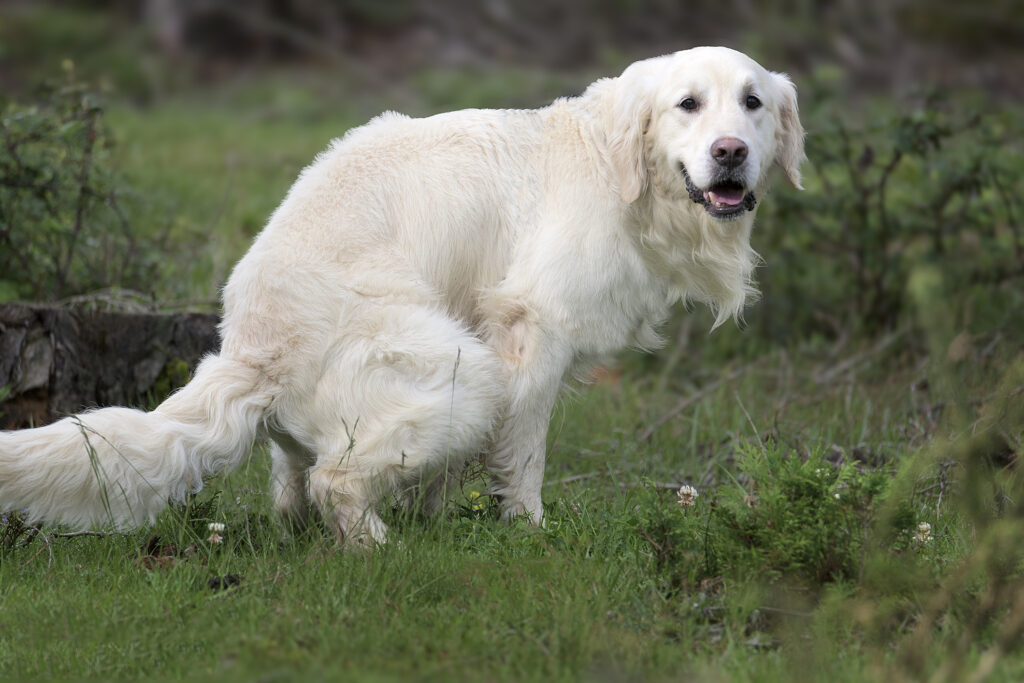
Photo by Francisco Franco/iStock/Getty Images
Pet parents who are bothered by the smell of their dog’s poop or smelly gas may wonder if there is anything they can give them to help. Extract from the yucca plant (Y. schidigera) is sometimes included as an ingredient in dog food to help reduce stool odor, thanks to compounds in the extract called saponins. However, the yucca plant itself is considered toxic for dogs, so this supplement should be used carefully and dogs should not be allowed to chew on raw yucca root.
Keep reading to learn more about how yucca extract may be used and when the evidence doesn’t support it.
Key Takeaways
- Yucca is sometimes included in dog food to help reduce stool odor.
- In a small study, yucca was linked with less fecal odor and less bad-smelling flatulence, but it did not show broad digestive benefits.
- Lab studies using canine fecal samples suggest yucca may affect fermentation, which could help explain changes in odor.
- The yucca plant itself is toxic to dogs, so they shouldn’t be given access to raw yucca.
How Does Yucca Work in Dogs?
Yucca extract contains saponins and plant compounds called polyphenols. In studies performed in dogs and in the lab, yucca extract has been shown to affect ammonia and smelly sulfur-containing compounds in the stool, leading to less odor. For this reason, yucca extract is sometimes included in commercial dog food preparations.
Yucca extract is also sometimes mentioned as an anti-inflammatory that can help support joint health. These claims aren’t supported by robust research, however. If your dog is showing signs of joint disease, it’s a better idea to ask your vet instead of turning to supplements like yucca root extract.
Recommended Products
Benefits of Yucca in Dogs
The clearest possible benefit is odor control. One study in dogs found that dogs given yucca extract has less fecal odor, while another study found less bad-smelling gas. A lab study suggested yucca may shift gut fermentation patterns in a way that could affect odor-related compounds.
Potential Side Effects of Yucca in Dogs
Yucca is not risk-free. In one dog study, higher doses were linked to increased cholesterol and liver values, which is enough to justify caution. Additionally, the quality of different herbal supplements can vary and a product may interact with other supplements or medications.
How to Give Your Dog Yucca
If your veterinarian recommends a yucca extract supplement, choose a dog-specific product with clear labeling and follow your vet’s directions. Avoid mixing it with other supplements or medications unless your veterinarian says it’s OK.
If you’re using a dog food that contains yucca, follow the label instructions or your vet’s guidance for feeding the right amount.
What to Do If Your Dog Takes Too Much Yucca
If your dog eats more yucca than intended or gets into a supplement bottle, call your veterinarian, an emergency hospital, or Pet Poison Helpline (855-764-7661) right away, especially if the product includes other herbs or sweeteners. Save the package so you can let the vet know about the full ingredient list.
FAQs about Yucca Extract for Dogs
Can yucca help my dog’s smelly gas?
Maybe a little. One study found that dogs given yucca had less bad-smelling flatulence, but it did not reduce total gas production or the number of gas episodes.
Are yucca supplements all the same?
No. Herbal products can vary in ingredients and quality, so it is best to choose a dog-specific product and ask your veterinarian before using it.
Can yucca upset my dog’s stomach or health?
It can be a concern, especially if the product is poorly made or contains extra ingredients, or if your dog has health issues. One dog study also found changes in liver enzyme and cholesterol levels at higher doses, so this is not a supplement to use casually.
Should I ask my vet before giving my dog yucca?
Yes. That is the safest move, especially if your dog takes medications or other supplements, or has ongoing health concerns.
Attributions
This article was created with assistance from AI tools. The content has been reviewed for accuracy and edited by a human.
References
- National Insitutes of Health. Accessed April 14, 2026. https://pubmed.ncbi.nlm.nih.gov/11294313/
- National Insitutes of Health. Accessed April 14, 2026. https://pubmed.ncbi.nlm.nih.gov/26800023/
- National Insitutes of Health. Accessed April 14, 2026. https://pubmed.ncbi.nlm.nih.gov/28758797/
- National Insitutes of Health. Accessed April 14, 2026. https://pubmed.ncbi.nlm.nih.gov/31137970/
- Herbal Medicine In Veterinary Patients. Accessed April 14, 2026. https://www.merckvetmanual.com/therapeutics/integrative-complementary-and-alternative-veterinary-medicine/herbal-medicine-in-veterinary-patients