Can You Crush Your Pet’s Medication? Do Not Crush List



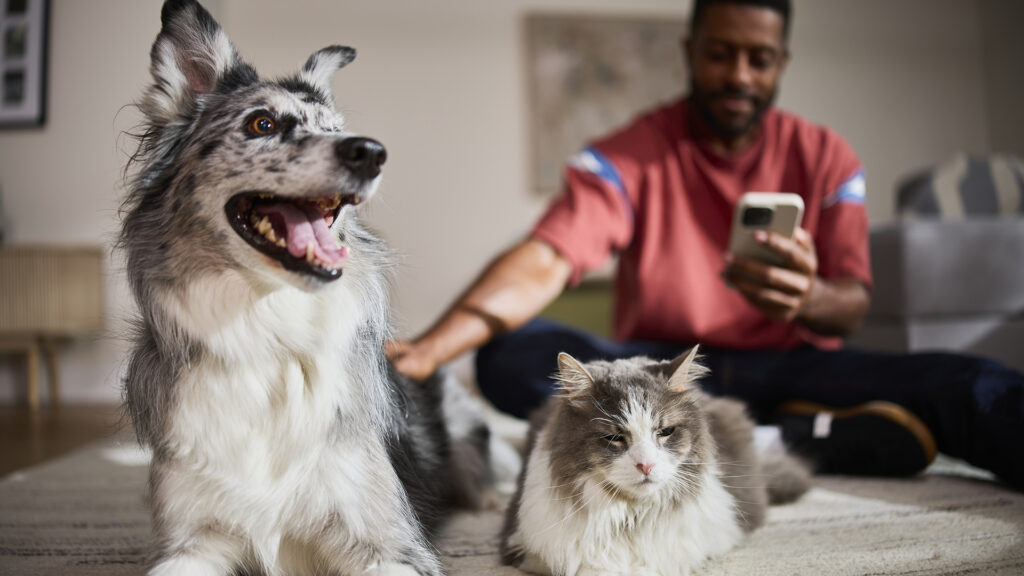
Photo by Chewy
Can your pet remove a pill from a spoonful of food with almost surgical precision? Crushing it might seem like a clever next move, but not so fast—some medications need to stay whole to work properly or be handled safely.
Before you turn that tablet into powder, learn which medications are on the “Do Not Crush” list, why crushing them can be dangerous, and when to check with your veterinarian.
Key Takeaways
- Never crush your pet’s medication unless your veterinarian or pharmacist says it’s safe.
- Many extended-release, delayed-release, coated, and hazardous medications should stay whole.
- If your pet won’t take a pill, ask your vet about safer alternatives instead of crushing it.
- Pill pockets, liquids, and compounded medications can make giving medication easier.
Can You Crush Your Pet’s Medication?
Some pet medications can be safely crushed and mixed with food, but others must stay whole to work properly or prevent harmful side effects.
Before crushing, splitting, opening, or otherwise altering your pet’s medication, always ask your veterinarian or pharmacist if it’s safe to do so.
Why Can’t Some Pet Medications Be Crushed?
Crushing a pill can cause problems for both your pet and the person giving the medication. Here’s why:
Crushing Can Change How the Medication Works
Some pills are formulated to release medication gradually over several hours or throughout the course of the day. Crushing them can release the full dose too quickly, which may make the effects stronger or increase the risk of side effects.
Crushing Can Make Medication Taste Bitter
Crushing a pill can bring out a bitter taste your pet might not notice if they swallowed it whole. If you mix the crushed medication into their food, the unpleasant flavor may cause them to refuse food they’d normally devour.
Crushing Can Expose People to Hazardous Drugs
Crushing a pill can send tiny particles into the air or leave powder on your hands and countertop. When a hazardous medication is crushed, breathing in or touching that powder can be harmful to the person giving the dose.
Crushing Can Damage Protective Coatings
Some pills have a coating that helps the drug remain intact until it reaches the intestines. Crushing the pill destroys that protective coating, causing it to dissolve in the stomach, where the medication could be damaged by stomach acid or irritate the stomach lining.
Which Medications Are on the Do Not Crush List?
Different medications need to stay whole for different reasons. Here’s a quick look at what can happen when each type is crushed.
| Medication Type | Why It Shouldn’t Be Crushed |
|---|---|
| Extended-release (ER, XR, XL, CD, CR) | Releases the medication too quickly instead of gradually over time |
| Delayed-release (DR) | Releases the medication before it reaches the intended part of the digestive tract, which can irritate the stomach lining or alter the effectiveness of the medication |
| Enteric-coated (EC) | Breaks the coating that shields medication from being degraded by stomach acid. This coating can also protect the stomach from being irritated by the medication |
| Hazardous | Creates a powder that may be harmful if inhaled or touched |
| Bitter-tasting | Releases a bitter taste that may make your pet less willing to take the medication |
| Special formulations (modified release) | Disrupts a pill’s design and may change how the medication is released or absorbed |
Do Not Crush List for Common Pet Medications
The medications below are common examples of drugs that should not be crushed—but always check with your veterinarian or pharmacist before changing how you give any medication.
Dosage type key:
- ER, XR, XL: Extended-release
- EC: Enteric-coated
- Modified: Modified-release
- CD, CR: Controlled-release
- DR: Delayed-release
Download the Do Not Crush List of Pet Medications here.
| Generic name | Dosage form | Dosage type | Reason(s) |
|---|---|---|---|
| Amoxicillin/clavulanate | Tablet | XR | Modified-release |
| Aspirin | Tablet | EC | Irritant |
| Azathioprine | Tablet | — | Hazardous/teratogenic |
| Bexagliflozin | Tablet | Bad taste | |
| Budesonide | Capsule, Tablet | ER | Modified-release |
| Chlorambucil | Tablet | — | Hazardous/teratogenic |
| Chloramphenicol | Tablet | — | Hazardous/teratogenic |
| Ciprofloxacin | Tablet | Bad taste | |
| Clonidine | Tablet | ER | Modified-release |
| Cyclophosphamide | Capsule | — | Hazardous/teratogenic |
| Cyclosporine | Capsule | Modified | Hazardous; modified-release |
| Diltiazem | Capsule, Tablet | ER, CD, XR | Modified-release |
| Doxycycline | Capsule, Tablet | DR | Modified-release |
| Erythromycin delayed-release | Tablet | DR | Modified-release |
| Erythromycin ethylsuccinate | Tablet | — | Bad taste |
| Esomeprazole | Esomeprazole Capsule, tablet | CR | Modified-release |
| Ferrous sulfate | Tablet | — | Irritant |
| Finasteride | Tablet | — | Hazardous/teratogenic |
| Fluvoxamine | Capsule | ER | Modified-release |
| Gabapentin | Esomeprazole Capsule, tablet | — | Bad taste |
| Hydroxyurea | Esomeprazole Capsule, tablet | — | Hazardous/teratogenic |
| Isotretinoin | Capsule | — | Hazardous/teratogenic; irritant |
| Itraconazole | Capsule | — | Amorphous solid dispersion |
| Leflunomide | Tablet | — | Hazardous/teratogenic |
| Levetiracetam | Tablet | Bad taste | |
| Levetiracetam | Tablet | ER | Modified-release |
| Lithium carbonate | Tablet | ER | Modified-release |
| Lomustine | Capsule | — | Hazardous/teratogenic |
| Methimazole | Tablet | — | Hazardous/teratogenic; coated tablet (Felimazole) |
| Metoprolol succinate | Tablet | ER | Modified-release |
| Metronidazole | Tablet | — | Bad taste |
| Miltefosine | Capsule | — | Hazardous/teratogenic |
| Minocycline | Esomeprazole Capsule, tablet | ER | Modified-release |
| Mitotane | Tablet | — | Hazardous/teratogenic |
| Mycophenolate | Esomeprazole Capsule, tablet | — | Hazardous/teratogenic |
| Omeprazole | Capsule, Tablet | DR | Modified-release |
| Oxybutynin | Tablet | ER | Modified-release |
| Pantoprazole | Tablet, Oral suspension packet | DR | Modified-release |
| Pentoxifylline | Tablet | ER | Modified-release |
| Phenylpropanolamine | Tablet | ER | Modified-release |
| Piroxicam | Capsule | — | Irritant |
| Posaconazole | Tablet, Oral suspension packet | DR | Amorphous solid dispersion; modified-release |
| Praziquantel | Tablet | — | Bad taste |
| Propranolol | Capsule | ER | Modified-release |
| Pyridostigmine | Tablet | ER | Modified-release |
| Robenacoxib | Tablet | — | Bad taste |
| Sirolimus | Tablet | — | Nanocrystal formulation; hazardous/teratogenic |
| Sulfasalazine | Tablet | DR | Modified-release |
| Tacrolimus | Capsule | — | Hazardous/teratogenic |
| Tamsulosin | Capsule, tablet | ER | Modified-release |
| Theophylline | Capsule, tablet | ER | Modified-release |
| Toceranib | Tablet | — | Hazardous/teratogenic, coated tablet |
| Topiramate | Capsule, tablet | — | Bad taste |
| Topiramate | Capsule | ER | Modified-release |
| Tramadol | Tablet | ER | Modified-release |
| Trazodone | Tablet | — | Bad taste |
| Venlafaxine | Capsule | ER | Modified-release |
| Verapamil | Capsule, tablet | ER | Modified-release |
What To Do Instead of Crushing Medication
If your pet can spot a pill in their dinner from across the room, don’t worry—you still have options. Ask your vet or pharmacist which of these approaches is safe for their prescribed medication.
Ask About Flavored Compounded Medications
A compounding pharmacy may be able to turn your pet’s medication into a flavored preparation that’s easier to give. Compounding can also help when the prescribed medication isn’t available in the right strength for what your pet needs, or your pet has difficulty taking pills. Ask your veterinarian whether it’s an option for your pet.
Ask Whether a Liquid Version Is Available
Some medications come as liquids, which may be easier to give to a pet who has mastered the art of spitting out pills. Your vet or pharmacist can tell you whether a liquid version is available and how to administer it properly in cats and dogs.
Use Pill Wraps
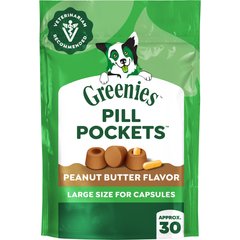
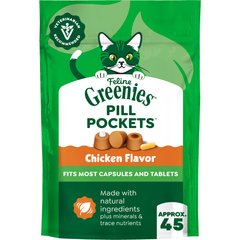
A pill wrap or pouch lets you tuck a whole tablet or capsule inside a soft treat and pinch it closed, disguising the medication’s taste and smell so it’s easier for your pet to swallow.
Before using one, check whether the medication can be given with food. If it needs to be taken on an empty stomach, skip the pill pocket.
Recommended Products
Hide Medication in Food (When Appropriate)
For medications that can be taken with food, try hiding the whole pill in a small bite of wet dog food or wet cat food.
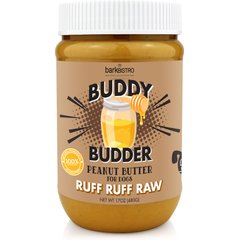
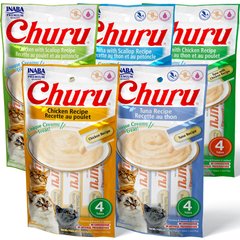
You could also try hiding the pill in a dab of xylitol-free peanut butter for dogs or a lickable treat for cats.
Whichever you choose, keep the portion small so you can tell whether your pet swallowed the entire dose.
Recommended Products
Ask About Chewable Medications
Some medications come as flavored chewables that can make medication time seem more like treat time. Ask your vet whether a chewable version is available in the dose your pet needs.
Learn Pill-Giving Techniques
If your pet sees through every disguise, your veterinary team can show you how to safely give the pill directly. It may feel tricky at first, but it often becomes easier with practice as you and your pet get used to the routine.
For step-by-step guidance, check out our Chewtorials on how to give a dog a pill and how to give a cat a pill.
When To Call Your Veterinarian
When something goes wrong at medication time—or you aren’t sure what to do next—it’s better to check than guess. Call your veterinarian if:
- Your pet won’t take their medication. Your vet can recommend another form or a different way to give it.
- You accidentally crushed a pill. Check before giving it to your pet, as you may need a replacement dose.
- You’re unsure how much medication your pet took. If your pet left behind food containing medication, look for the pill. If you can’t tell how much they swallowed, ask your vet before giving more to avoid accidentally giving them too much.
- You’re unsure whether a medication can be crushed. Always ask your vet or pharmacist before crushing a pill.
If you’re struggling to give your pet medication, take heart. Whether the answer is a different formulation, a tastier disguise, or a new pill-giving technique, your veterinary team can help make each dose safer and less stressful for everyone involved.
Attributions