Cod Liver Oil for Dogs: What You Need to Know



Photo by humanmade E+ Getty Images
Cod liver oil is a type of healthy marine oil derived from the livers of cod fish. It’s rich in the omega-3 fatty acids EPA (eicosapentaenoic acid) and DHA (docosahexaenoic acid), along with vitamins A and D.
While there is evidence supporting the health benefits of omega-3 fatty acids in dogs, the vitamin A and D in cod liver oil can cause vitamin toxicity if your dog gets too much. Because of this, cod liver oil is usually not the first choice for omega-3 supplements and should only be given under the supervision of a vet.
Key Takeaways
- Cod liver oil contains EPA and DHA, but it differs from fish oil supplements because it also contains vitamins A and D.
- Too much vitamin A or vitamin D can lead to toxicity in dogs.
- If your vet thinks omega-3 support could benefit your dog, they’ll probably suggest a supplement that doesn’t contain additional vitamins.
Benefits of Cod Liver Oil in Dogs
Most of the benefits from cod liver oil come from the omega-3 fatty acids. These beneficial fats have been shown to support healthy cellular function and modulate inflammation, which is a key component of conditions such as heart disease and osteoarthritis of the joints. However, cod liver oil also contains fat-soluble vitamin A and D. In excess amounts, these accumulate in the body and can result in health problems.
Because of this, most dogs eating a healthy diet should not be given extra vitamin A or D unless a vet recommends it.
As a result of the risk, there isn’t much direct evidence supporting the use of cod liver oil in dogs. Most research has focused on the benefits of omega-3 fatty acids, which have been singled out for various benefits, including:
- Joint support: Studies performed in dogs with osteoarthritis showed that omega-3 fatty acids led to significant improvement, better weight-bearing, and lower doses of carprofen (an anti-inflammatory commonly prescribed for joint pain).
- Skin and coat support: Research has shown that allergy symptoms improved in dogs given fish oil and coat quality improved in dogs given EPA and DHA.
Recommended Products
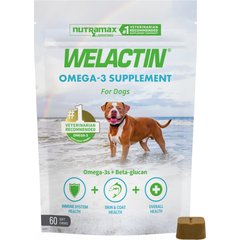
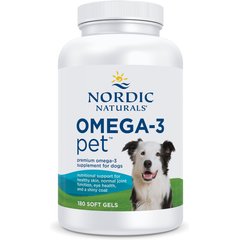
Potential Side Effects of Cod Liver Oil in Dogs
Oil supplements can cause digestive upset, including nausea, vomiting, and diarrhea. High omega-3 intake can affect platelet function, which could cause excessive bleeding in dogs having surgery.
The more significant concern involves vitamin toxicity, known as hypervitaminosis. An excess of Vitamins A and D can develop, since fat-soluble vitamins tend to build up when intake is too high.
Vitamin A toxicity in dogs can cause:
- Lethargy and weakness
- Decreased appetite
- Nausea
- Dry, peeling skin
- Tremors or seizures
- Death
Vitamin D toxicity in dogs can cause:
- Depression
- Vomiting
- Increased drinking
- Increased urination
- Kidney damage
How to Give Your Dog Cod Liver Oil
Give cod liver oil only if your veterinarian recommends it. In most cases when your vet thinks omega-3 fatty acids could help, they’ll choose a product that doesn’t also contain additional fat-soluble vitamins. If your vet does think cod liver oil is a good idea, use the exact product and dosing they recommend.
What to Do If Your Dog Takes Too Much Cod Liver Oil
If your dog gets into cod liver oil or you accidentally give more than intended, here’s what to do:
- Call your veterinarian, an emergency hospital, or the Pet Poison Helpline (855-764-7611) right away.
- Have the bottle nearby so you can provide information about the exact ingredients and vitamin amounts.
- Don’t wait for signs of toxicity to develop. It’s better to be safe than sorry when it comes to toxicity.
FAQs for Cod Liver Oil in Dogs
Is cod liver oil the same as fish oil for dogs?
Not exactly. Cod liver oil is a type of fish oil, but it in addition to omega-3 fatty acids it also contains vitamins A and D.
Can cod liver oil help my dog’s joints?
Omega-3s have been studied in dogs for joint support, but most studies have looked at fish oil or omega-3 fatty acids rather than cod liver oil. If your vet thinks an omega-3 fatty acid supplement is a good idea, they’ll probably suggest one that doesn’t contain extra vitamins.
Can cod liver oil upset my dog’s stomach?
Yes. Oil supplements can cause digestive upset, especially if a dog gets too much or has a sensitive stomach.
Should puppies take cod liver oil?
Ask your veterinarian first. Puppies need balanced nutrition, and extra fat-soluble vitamins can cause an imbalance and lead to toxicity.
Attributions
This article was created with assistance from AI tools. The content has been reviewed for accuracy and edited by a human.
References
- National Institutes of Health, Office of Dietary Supplements. Omega-3 Fatty Acids Fact Sheet for Health Professionals. Accessed May 12, 2026. https://ods.od.nih.gov/factsheets/Omega3FattyAcids-HealthProfessional/
- Moreau M, et al. Effects of feeding a high omega-3 fatty acids diet in dogs with naturally occurring osteoarthritis. J Anim Physiol Anim Nutr (Berl). 2013. https://pubmed.ncbi.nlm.nih.gov/22805303/
- Fritsch DA, et al. A multicenter study of the effect of dietary supplementation with fish oil omega-3 fatty acids on carprofen dosage in dogs with osteoarthritis. J Am Vet Med Assoc. 2010. https://pubmed.ncbi.nlm.nih.gov/20187817/
- Roush JK, et al. Evaluation of the effects of dietary supplementation with fish oil omega-3 fatty acids on weight bearing in dogs with osteoarthritis. J Am Vet Med Assoc. 2010. https://pubmed.ncbi.nlm.nih.gov/20043801/
- Harvey RG. A blinded, placebo-controlled study of the efficacy of borage seed oil and fish oil in the management of canine atopy. Vet Rec. 1999. https://pubmed.ncbi.nlm.nih.gov/10331227/
- Combarros D, et al. A prospective, randomized, double blind, placebo-controlled evaluation of an n-3 essential fatty acids supplement on clinical signs and fatty acid concentrations in dogs with poor quality coats. Prostaglandins Leukot Essent Fatty Acids. 2020. https://pubmed.ncbi.nlm.nih.gov/32505998/
- Mueller RS, et al. Plasma and skin concentrations of polyunsaturated fatty acids before and after supplementation with n-3 fatty acids in dogs with atopic dermatitis. Am J Vet Res. 2005. https://pubmed.ncbi.nlm.nih.gov/15934614/
- Lenox CE, Bauer JE. Potential adverse effects of omega-3 fatty acids in dogs and cats. J Vet Intern Med. 2013;27(2):217-226. https://pubmed.ncbi.nlm.nih.gov/23323770/
- Cho DY, et al. Hypervitaminosis A in the dog. Am J Vet Res. 1975. https://pubmed.ncbi.nlm.nih.gov/1190603/
- Mellanby RJ, et al. Hypercalcaemia in two dogs caused by excessive dietary supplementation of vitamin D. J Small Anim Pract. 2005. https://pubmed.ncbi.nlm.nih.gov/16035450/
- U.S. Food and Drug Administration. Animal Food Labeling and Pet Food Claims. Accessed May 12, 2026. https://www.fda.gov/animal-veterinary/animal-foods-feeds/animal-food-labeling-and-pet-food-claims