Heart Disease in Dogs: What You Need to Know
Sponsored by




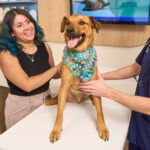
Photo by Irina Nedikova.iStock Getty
Acquired heart disease is a common diagnosis in middle-aged and senior dogs, but there is good news: with routine veterinary screening, many canine heart conditions can be identified early, often before a pet shows symptoms.
Early detection allows your vet to start treatment sooner, which can potentially slow disease and symptom progression.
Key Takeaways
- Heart disease is typically diagnosed in middle-aged or senior dogs.
- There may not be visible symptoms of early heart disease, so screening and regular veterinary visits are important.
- Early diagnosis of heart disease allows for better treatment of the disease and a slower disease progression. In later stages of disease, it also improves the dog’s quality of life and reduces symptoms.
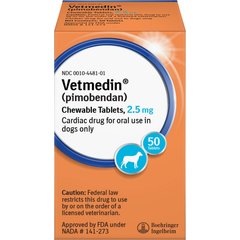
- Vetmedin has been FDA approved to help certain dogs with common forms of heart disease.
Sponsored
Recommended Product
What Is Heart Disease in Dogs?
“Heart disease” is an umbrella term for any condition that affects the heart’s structure or ability to pump blood effectively. In dogs, the two most common forms are myxomatous mitral valve disease (MMVD) and dilated cardiomyopathy (DCM).
MMVD is the most commonly diagnosed heart disease in dogs. It occurs when the mitral valve gradually thickens and degenerates, preventing it from closing properly and allowing blood to leak backward within the heart.
The mitral valve is one of the four heart valves. It controls the flow of blood between the left atrium and left ventricle. The left side of the heart is responsible for pumping oxygen-rich blood out to the body. The left ventricle is the heart’s main pumping chamber.
DCM is a disease of the heart muscle itself. In dogs with DCM, the heart becomes thin and weakened, causing the chambers of the heart to enlarge and reducing the heart’s ability to pump blood effectively throughout the body.
Both conditions can eventually progress to congestive heart failure (CHF). In dogs with CHF, the heart can no longer effectively pump blood, causing fluid to back up into the lungs or abdomen.
However, it’s important to understand that DCM, MMVD and heart failure are not the same things. MMVD is a disease of the heart valves, while DCM refers to a disease affecting the heart muscle. Congestive heart failure is a clinical syndrome (collection of symptoms) that develops when the heart can no longer function adequately. Heart failure is considered a progressive condition that requires life-long medical management.
Signs of Heart Disease in Dogs
In its early stages, canine heart disease has no obvious symptoms at all. That’s one reason why routine veterinary exams are so important.
“Early detection is critical,” says Rachel Eich, VMD, a veterinarian with the Pittsburgh Spay & Vaccination Clinic. “One of my least favorite conversations to have with pet owners is diagnosing their pet with congestive heart failure when they were not even aware their dog had heart disease in the first place.”
In the earliest stages of MMVD or DCM, a dog may appear completely normal, with no obvious or visible symptoms. The first sign is often a heart murmur or irregular heart rhythm picked up by a veterinarian during a routine physical exam.
As heart disease progresses, pet parents may notice:
- A new or worsening cough, especially at night or after exercise
- Decreased energy or reluctance to play or exercise
- Increased panting or faster breathing at rest
- Mild decrease in appetite
Signs of more serious disease may include:
- Labored or difficult breathing
- Persistent coughing
- Fainting or collapse
- Severe exercise intolerance or weakness
- Abdominal swelling
- Pale gums or bluish gums in severe cases
If you see any of these in your dog, contact your vet immediately. Difficulty breathing, collapse, or severe lethargy should be treated as emergencies and evaluated promptly.
Which Dogs Are at Risk for Heart Disease?
According to Dr. Eich, “The top 3 risk factors for the development of heart disease
are breed, age, and size. body condition score.”
- Breed. Small-breed dogs—particularly Cavalier King Charles Spaniels, Chihuahuas, Dachshunds, and toy breeds—are at greater risk for MMVD. Large and giant breeds such as Doberman Pinschers, Great Danes, Boxers, and Irish Wolfhounds are at greater risk for DCM.
- Age. Risk rises significantly with age, and degenerative valve disease tends to worsen over time.
- Size. Dogs that are less than 40 lbs. are at higher risk for MMVD, whild dogs that are greater than 60 lbs. are at higher risk for DCM.
- Excess body weight can place additional strain on the cardiovascular system and may worsen underlying heart disease.
Certain diets marketed as grain-free, boutique, or containing high levels of legumes such as peas and lentils have also been investigated for a possible association with diet-related DCM in some dogs. Research in this area is still evolving, so it’s important to talk with your veterinarian about choosing a nutritionally balanced diet that is appropriate for your dog.
If possible, it’s also helpful to share any known family history of heart disease with your veterinarian.
How Veterinarians Diagnose Heart Disease in Dogs
Screening for heart disease starts with a thorough history, including questions on activity, appetite and sleep habits, and a physical exam. Your vet will listen carefully to your dog’s heart and lungs. This will help them identify a heart murmur, abnormal heartrhythm, or the sound of fluid in the lungs (sometimes heard as crackles). If your vet suspects a problem, they may recommend further testing, including:
- Chest X-rays (radiographs): Used to evaluate the heart size and check for fluid buildup in the lungs
- Echocardiogram (cardiac ultrasound): Uses sound waves to visualize the heart’s structure and function and is considered the gold standard test used to diagnose and monitor heart disease
- Electrocardiogram (ECG): Measures electrical activity in the heart and helps identify abnormal heart rhythms
- Blood pressure measurement and blood tests: These may include cardiac biomarkers such as NT-proBNP, which can help detect cardiac stress or enlargement
Treatment for Heart Disease in Dogs
Early diagnosis and treatment of heart disease can help maintain your dog’s existing quality of life, slow disease progression, and support better long-term outcomes for many dogs.
“Early detection is critical,” explains Dr. Eich. “Proactive intervention with medications such as VETMEDIN® (pimobendan) and identifying and treating any secondary complications of heart disease such as systemic hypertension can slow progression of the disease.”
Treatment is usually tailored to the type and stage of disease. Management often includes prescription medications that help the heart pump more effectively, reduce fluid buildup, or control blood pressure and abnormal heart rhythms.
Many dogs also benefit from supportive lifestyle measures such as maintaining a healthy weight, feeding an appropriate diet, and participating in controlled, veterinarian-approved exercise.
Regular re-checks—often including repeat imaging and monitoring tests—help track disease progression and allow your vet to adjust their treatment plan as your dog’s needs change.
Sponsored
Recommended Product
How VETMEDIN Chewables and Vetmedin Solution Can Help Some Dogs
VETMEDIN (pimobendan) is approved by the FDA for use in certain dogs with heart disease, including dogs with congestive heart failure (CHF) due to myxomatous mitral valve disease (MMVD and congestive heart failure (CHF). In some dogs with MMVD, starting treatment before signs of heart failure develop may help delay progression of disease.
Vetmedin works in two important ways:
- Helping the heart pump more efficiently, which reduces the workload on the heart
- Relaxing and widening blood vessels, allowing blood to circulate more easily throughout the body
Vetmedin is available as a flavored chewable tablet and as an oral solution. Your vet will determine whether it is appropriate for your dog and which formulation best fits your pet’s needs.
“During treatment for early CHF or MMVD with Vetmedin, owners often tell me that their dog has more energy, less coughing, a better appetite, and a lower respiratory effort,” says Dr. Eich. “They’ll say things like ‘He’s acting like himself again,’ which is great to hear after such a scary diagnosis.”
Vetmedin is typically given twice a day, as directed by your veterinarian. Side effects are generally uncommon but can include mild gastrointestinal upset such as decreased appetite, vomiting, or diarrhea.
Always follow your vet’s dosing instructions and never adjust or stop the medication without consulting them.
Living With a Dog Who Has Heart Disease
With early diagnosis, consistent medication, and good communication with your veterinary team, many dogs with heart disease enjoy good quality of life for months to years after diagnosis.
FAQs
What screening tests do vets use to detect heart disease in dogs? A physical exam with a stethoscope is the first step, often followed by chest X-rays, an echocardiogram, ECG, blood pressure check, and biomarker bloodwork like NT-proBNP.
How do I know if my dog’s heart disease is getting worse? Watch for an increased resting respiratory rate, new or worsening cough, decreased energy or appetite, fainting, difficulty breathing, or a swollen abdomen, and contact your vet promptly.
What does Vetmedin do for dogs? It helps the heart pump more efficiently and reduces strain on the cardiovascular system in dogs with CHF caused by MMVD or DCM.
How long can dogs live with heart disease? Life expectancy varies widely depending on the type and stage of heart disease, how early it’s detected, and how a dog responds to treatment. With early diagnosis and an individualized treatment plan, many dogs can continue to enjoy a good quality of life for an extended period of time.
Attributions
Always consult your veterinarian before starting, stopping, or changing any medication.