Valley Fever in Dogs: Symptoms, Treatment, and Prevention

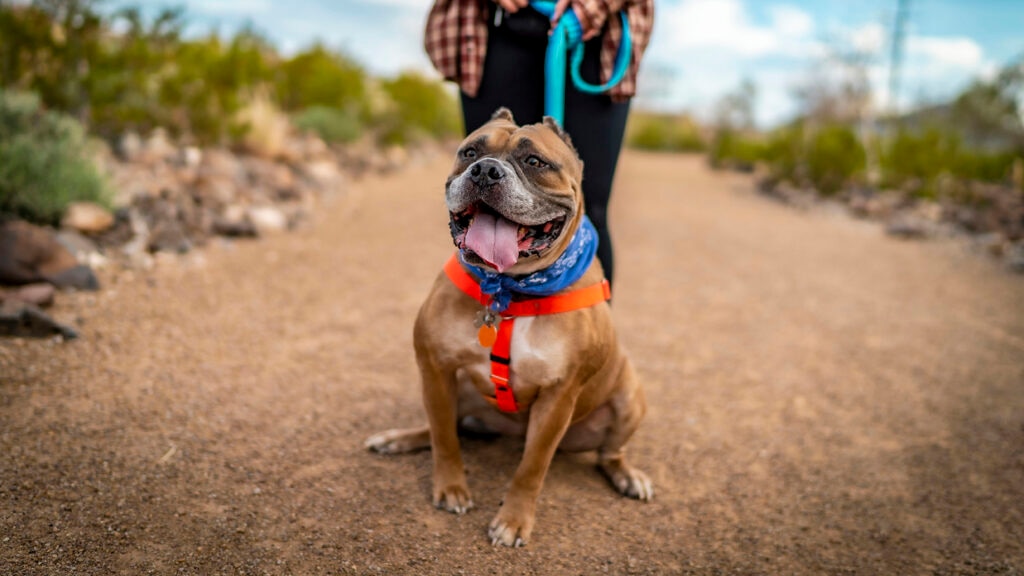
Photo by Rob Logan/iStock/Getty Images Plus via Getty Images
If your dog loves to dig or run in dry, dusty areas, they could be exposed to something you can’t see but your vet takes seriously: valley fever.
Valley fever in dogs is a fungal infection caused by inhaling spores found in contaminated soil, most often in the American Southwest. Early signs can look like other illnesses, including pneumonia or kennel cough, so it’s easy to miss. When caught early, many dogs respond well to treatment.
If you think your dog may have valley fever, or they’re coughing, having difficulty breathing, have a fever, are severely lethargic, or are suddenly limping, contact your veterinarian right away.
Key Takeaways
- Valley fever in dogs is a fungal infection caused by breathing in spores found in soil in certain regions.
- Signs can include coughing and fever, but the disease can progress and cause lameness, swollen joints, and issues with the eyes, skin, kidneys, heart, or nervous system.
- Veterinarians usually diagnose valley fever with blood tests, and some dogs need X-rays or other imaging.
- Antifungal medication often works well, but treatment can take months, and some dogs need longer-term monitoring.
What Is Valley Fever in Dogs?
Valley fever is a fungal infection that begins in the lungs after a dog inhales spores from dusty soil. It’s caused by two related fungi: Coccidioides immitis and Coccidioides posadasii.
In the lungs, spores form spherules that rupture and release more infectious particles, spreading through lung tissue and, in some cases, the bloodstream to other organs.
Valley fever is not contagious and does not spread between dogs or to people through normal contact.
Where Is Valley Fever Found?
Valley fever is most common in arid and semi-arid regions of the Southwest. The highest concentration of cases comes from:
- Arizona, especially the Phoenix and Tucson areas
- Parts of California, particularly the San Joaquin Valley
- New Mexico, Nevada, Texas, and Utah
If you live in or have recently visited these areas, consider valley fever if your dog shows any unexplained illness. Risk tends to increase after periods of drought followed by rain, during dust storms, or in areas with recent construction or landscaping, all of which disturb the soil and send spores airborne.
How Do Dogs Get Valley Fever?
Dogs get valley fever by breathing in spores from disturbed soil. Higher-risk situations include:
- Digging in dry dirt
- Running or playing in dusty areas
- Being outside during wind or dust storms
- Exposure to construction or landscaping sites
Dogs who spend more time outdoors—especially in late summer and fall in Arizona—face higher risk.
Valley Fever Signs in Dogs
Signs of valley fever in dogs can initially resemble a respiratory illness, but some dogs develop signs the infection has spread beyond the lungs.
Common early lung signs include:
- Coughing, often harsh and sometimes also gagging
- Fever, typically over 103 Fahrenheit
- Low energy and lethargy
- Decreased appetite
- Weight loss
Signs that the infection may have spread include:
- Lameness
- Firm, painful swellings over bones or joints
- Back or neck pain
- Skin lesions, ulcers, or draining sores
- Eye redness, discharge, or inflammation
- Nervous system issues, like seizures
Seek immediate care if your dog has trouble breathing, collapses, or shows sudden vision or neurological changes.
How Do Vets Test for Valley Fever in Dogs?
Vets usually begin with a blood test that checks for antibodies the immune system makes in response to Coccidioides. These are often called “titer tests,” and they’re the most common starting point for diagnosis.
Because titer results alone do not always paint the full picture, your vet will look at them alongside your dog’s history and clinical signs. Additional testing may include:
- Chest X-rays to look for changes in the lungs
- Bone X-rays if lameness or swelling is present
- Aspiration or biopsy of lymph nodes or skin lesions
- Eye tests if there are vision changes
- Additional blood work to check for anemia, elevated proteins, or other abnormalities
- Advanced imaging such as MRI if neurological signs are present
A positive titer along with your dog’s signs is usually enough for your vet to start treatment. Because no single test is perfect on its own, some dogs may need a combination of tests before a final answer is reached.
Valley Fever Treatment for Dogs
Most dogs are treated with prescription antifungal medication, and many start showing improvement before the infection has fully cleared—but it’s important to follow all instructions for the full course of treatment. Your veterinarian will manage treatment throughout, tailoring the plan to your dog’s case and tracking progress with rechecks.
Which Antifungal Drugs Treat Valley Fever in Dogs?
The two most commonly prescribed medications are fluconazole and itraconazole.
- Fluconazole is used most often because it penetrates well into many tissues, including the nervous system.
- Itraconazole is sometimes preferred for dogs with bone involvement.
Your vet will choose the right medication based on where the infection is, how severe it is, and how your dog responds. Neither medication should be started, changed in dose, or stopped without veterinary direction.
Recommended Products


How Long Is Treatment?
Treatment is usually long-term. Dogs with infections limited to the lungs may need medication for several months, while those with an infection that has spread to other parts of the body often require a year or more of treatment.
Your vet will likely recheck blood tests and clinical signs regularly to track how your dog is responding.
During recovery, your vet may also recommend limiting strenuous activity, particularly if your dog has a cough or sore, swollen joints. Providing a comfortable place to rest, such as an orthopedic bed, can help relieve pressure on achy limbs during treatment.
Recommended Products


Can Valley Fever Come Back?
Some dogs recover fully, but relapses can occur, particularly if treatment is stopped too soon or the dog’s immune response is not strong enough to clear the infection completely.
This is why regular follow-up care is crucial. After finishing a course of treatment, your vet will likely schedule rechecks at three and six months to monitor for any signs that the infection has returned.
If a relapse does occur, it can usually be managed by restarting or adjusting antifungal therapy. Some dogs with repeat infections or cases that affect the brain and nervous system end up on lifelong treatment to help keep the infection under control.
How To Help Prevent Valley Fever in Dogs
Living in an area where valley fever is common means some level of risk is unavoidable, but there are practical ways to limit how much your dog comes into contact with contaminated soil and airborne spores:
- Skip the digging. Discourage your dog from pawing at dry desert dirt.
- Choose cleaner paths. Stick to paved sidewalks or grassy areas on days when dust is heavy.
- Stay inside during dust storms. Keep your dog indoors when winds pick up and visibility drops.
- Clean up after outdoor time. Wipe down your dog’s paws and coat after time spent in dry, dusty environments.
Recommended Product

- Avoid disturbed soil. Steer clear of construction sites and active landscaping areas where soil is being turned over.
FAQs About Valley Fever in Dogs
Is valley fever contagious to other dogs or people?
No, valley fever cannot spread from one dog to another or from a dog to a person through normal, everyday contact. The infection comes from soil, not from infected animals.
How long does valley fever treatment take in dogs?
Treatment length varies with the severity of the infection and may last months or years. Your vet will guide the timeline based on your dog’s response to medication and the results of follow-up testing.
Can a dog get valley fever more than once?
Yes, a dog can get valley fever more than once. Relapse is possible, especially if treatment ends before the infection is fully resolved.
Dogs with a history of valley fever should be monitored closely, and pet parents should watch for signs of recurrence, such as coughing, low energy, or lameness.
When should I take my dog to the vet for coughing in the Southwest?
Any cough that persists for more than a few days—especially when accompanied by fever, low energy, or weight loss—is worth a veterinary evaluation.
If you live in or have recently traveled to the Southwest, mention that to your vet right away, as it may prompt them to consider valley fever earlier in the diagnostic picture.
Attributions