Joint Problems in Dogs: Common Issues and How To Support Joint Health

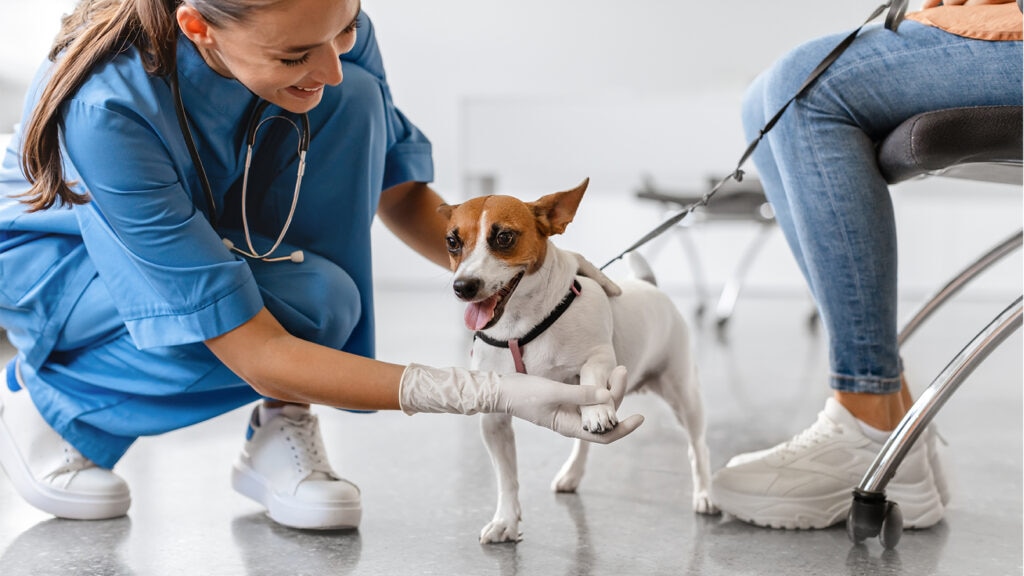
Photo by Prostock-Studio/iStock /Getty Images Plus via Getty Images
Common joint problems in dogs include arthritis, hip and elbow dysplasia, and patellar luxation, among others. Joint issues in dogs are common, and they can change the way a dog moves through the world. The dog who used to launch onto the couch may start hesitating. The dog who loved long walks may turn around quickly.
Catching joint issues in dogs early can make a real difference in comfort, mobility, and quality of life. Pain medication, physical therapy, weight loss, and supplements may be used to support joint health. You don’t have to wait until your dog’s quality of life declines to start the conversation with your veterinarian.
Key Takeaways
- Joint problems in dogs can cause stiffness, limping, pain, and trouble with everyday movement.
- Common joint issues in dogs include osteoarthritis, hip dysplasia, cranial cruciate ligament injuries, elbow dysplasia, and patellar luxation.
- Dog joint problems can show up as limping, skipping, sudden lameness, difficulty rising, or trouble putting weight on a leg.
- Early vet care, weight management, safe exercise, and vet-guided joint care for dogs can help support comfort and mobility.
What Are Joint Problems in Dogs?
Joint problems in dogs are conditions that affect the places where bones meet and move. That can include the hips, knees, elbows, shoulders, wrists, ankles, toes, and spine. Some joint problems start with the way a dog is built. Others come from injury, aging, extra body weight, or plain old wear and tear. Many are progressive and get worse with time.
Any dog can have joint trouble, but large-breeds, seniors, and dogs who are overweight, highly active, or have inherited orthopedic conditions tend to be at higher risk.
Signs of Joint Problems in Dogs
The most common signs of joint problems in dogs are limping, stiffness, trouble getting up, reluctance to jump or climb stairs, and changes in how they walk.
Watch for:
- Limping or favoring one leg
- Stiffness after rest
- Trouble standing or lying down
- Slower walks or wanting to turn back early
- Reluctance to jump
- Trouble with stairs
- Bunny-hopping with back legs
- A skipping gait
- Swelling around a joint
- Licking or chewing near a joint
- Muscle loss in one or more legs
- Yelping, flinching, or pulling away when touched
- Less interest in play
- Irritability, sleep changes, or behavior changes
A dog with hip dysplasia may not show signs for years, while a torn CCL can cause an immediate limp. If you notice any of these signs, don’t wait to call your vet. Joint support works best when you start early, and your vet can help determine the best treatment.
Common Joint Problems in Dogs
Several different conditions can affect a dog’s joints. Some develop gradually over time, while others are caused by injury or abnormal joint development.
Osteoarthritis in Dogs
Osteoarthritis is the “wear-and-tear” joint disease most pet parents have heard of. The cartilage inside the joint starts to break down and the joint can become sore, stiff, and inflamed. Over time, dogs may limp, move more slowly, struggle to get up, or seem less excited about walks.
It often shows up in older dogs, but age is not the only factor. Previous injuries, extra weight, hip dysplasia, elbow dysplasia, or an old orthopedic problem can all set the stage for arthritis later. Osteoarthritis is a progressive joint problem that requires long-term management once it starts, so early support matters.
Hip Dysplasia
Hip dysplasia happens when the hip joint does not develop normally. Over time it can lead to osteoarthritis. It is most often discussed in large-breed dogs, but small dogs can have hip dysplasia too. Merck Veterinary Manual notes that growth, exercise, nutrition, and hereditary factors can all play a role.
Cranial Cruciate Ligament Injuries
The cranial cruciate ligament, or CCL, helps stabilize the knee joint. When it stretches or tears, the knee can become painful and unstable. A CCL injury may cause sudden limping, toe-touching, trouble rising, or reluctance to use a back leg.
CCL disease is one of the most common causes of hindlimb lameness in dogs and can result from trauma or progressive ligament degeneration. It’s common in large dogs.
Patellar Luxation
Patellar luxation means the kneecap slips out of its normal groove in the joint. Pet parents often describe this as a dog “skipping” on their hind leg for a few steps. It is more common in small-breed dogs. Some dogs have mild signs. Others develop pain, lameness, or arthritis over time.
Elbow Dysplasia
Elbow dysplasia is a developmental problem in the elbow joint. It is more common in large and giant breeds. Signs often show up as front-leg lameness, stiffness after exercise, or an odd head bob when walking.
Joint Trauma or Injury
Dogs can also hurt their joints the old-fashioned way. Sprains, strains, fractures, dislocations, growth plate injuries, and cartilage injuries can all cause joint pain.
What Causes Joint Issues in Dogs?
Joint issues in dogs are usually caused by a mix of body structure, genetics, age, activity, and weight.
Common causes include:
- Aging: Over time, cartilage wears down, joints lose cushioning, and old injuries may become more noticeable.
- Genetics: Some dogs are born with a higher risk for hip dysplasia, elbow dysplasia, or luxating patella.
- Extra weight: Extra pounds mean extra pressure on the hips, knees, wrists, and elbows.
- Injury: A bad slip on the floor, a rough landing, a collision at the dog park, or leaps off the couch can damage a joint.
- High-impact activity: Repeated hard stops, sharp turns, jumping, and sprinting can be tough on joints.
- Poor joint structure: Loose, shallow, or crooked joints don’t move as smoothly as they should, and that causes inflammation over time.
- Rapid growth in large-breed puppies: Growing too fast, or eating the wrong balance of nutrients, can raise the risk of orthopedic problems later.
How Vets Diagnose Dog Joint Problems
Your vet will start with the story. When did the limping begin? Was there an injury? Is it worse after rest or after play? Is your dog taking any medications or supplements? These details are important.
Your vet may recommend:
- A physical exam
- Watching your dog walk or trot
- Range-of-motion testing
- Feeling for swelling, pain, heat, or instability
- Orthopedic tests, such as checking knee stability
- X-rays, with possible sedation because joints hurt when stretched
- Joint fluid testing, when needed
- Blood work before certain medications
- Advanced imaging or referral to a specialist
Treatment for Joint Problems in Dogs
Treatment depends on the cause, severity, age, body size, lifestyle, and general health of your dog. A young dog with a torn CCL will likely need a different plan than a senior dog with mild joint stiffness.
Most dogs do best with a multimodal plan that uses more than one tool.
Vet-Prescribed Pain Relief
Prescription pain control can be a major part of joint care for dogs. Vets commonly use nonsteroidal anti-inflammatory drugs, or NSAIDs. Other pain medications may be added depending on the diagnosis. Do not give your dog any human pain medicine unless your vet specifically tells you to.
Weight Management
If your dog is overweight, weight loss is one of the most powerful joint-support tools you have. Less body weight means less stress on sore joints. Your vet can help you set a target weight, choose a food plan, and decide how fast your dog should lose weight safely.
Surgery
Some joint problems need surgery. Common examples include many CCL tears, severe patellar luxation, certain fractures or dislocations, and some cases of hip or elbow dysplasia.
Physical Therapy
Physical therapy, also called rehabilitation, can help dogs build strength, improve range of motion, and move more comfortably. This may include underwater treadmill work, targeted exercises, stretching, massage, laser therapy, or at-home exercises prescribed by a rehab-trained veterinarian or therapist. Don’t freestyle stretches from the internet.
Dog Joint Supplements
Dog joint supplements are not a substitute for a diagnosis, prescription pain relief, surgery, or medical treatment when those are needed. They may support joint health, mobility, and comfort as part of a broader plan.
Common ingredients in dog joint supplements include:
- Glucosamine
- Chondroitin sulfate
- MSM
- Omega-3 fatty acids
- Green-lipped mussel
- UC-II collagen
- Boswellia serrata
- Hyaluronic acid
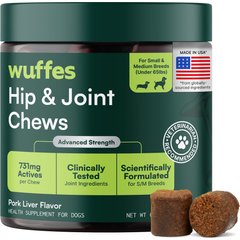
The evidence for joint supplements is mixed. That said, many pet parents still choose supplements as part of early joint support, especially for dogs at higher risk. Joint supplements come in many forms, like Wuffes Advanced Hip and Joint Chews and Wuffes Advanced Joint Liquid. Always talk to your vet before giving your dog a new supplement.
Recommended Products

How To Support Dog Joint Health
Not all joint problems can be prevented. Genetics are genetics. Still, pet parents can do a lot to reduce strain and support healthy movement.
Try these habits:
- Maintain a healthy weight.
- Choose low-impact exercise. Walking, controlled hiking, and swimming are often easier on joints than repeated jumping.
- Warm up before active play. A few minutes of walking before fetch can help loosen things up.
- Feed a complete and balanced diet. Large-breed puppies need food that supports safe growth.
Recommended Products
- Ask your vet about joint supplements.
Recommended Product

- Start joint support early for at-risk dogs. Think large breeds, working dogs, athletes, and dogs with known orthopedic issues.
- Keep up with routine vet visits. Your vet may notice subtle gait changes before they become obvious at home.
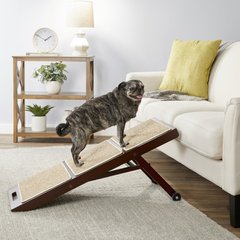
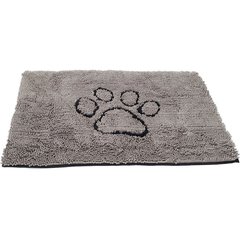
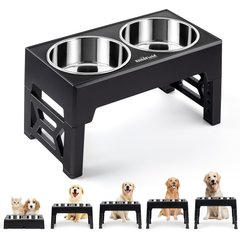
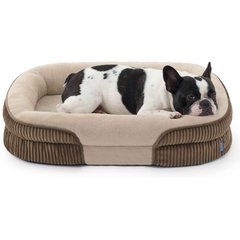
- Make simple home modifications like adding ramps, nonslip rugs, raised food bowls, or orthopedic beds.
Recommended Products
FAQs About Joint Problems in Dogs
What are the first signs of joint problems in dogs?
Early signs of joint problems in dogs include stiffness after a nap, a mild limp, lagging behind on walks, increased irritability, and hesitation before jumping.
What are the most common dog joint problems?
The joint problems vets see most often include osteoarthritis, hip dysplasia, CCL injuries, luxating patellas, elbow dysplasia, and injuries from slips, falls, or rough play.
How can I help my dog with joint stiffness?
Keep your dog lean, choose gentle exercise, and make slick floors less slippery. Then call your vet, because stiffness may mean your dog needs treatment.
Are joint supplements good for dogs?
Joint supplements may support mobility and joint comfort, but they don’t replace a vet diagnosis or medical treatment.
When should I take my dog to the vet for joint pain?
Call your vet if limping lasts more than 24 to 48 hours, or go right away if your dog can’t walk, cries out, or has a hot, swollen joint.
Attributions