Bordetella Vaccine for Dogs: Schedule, Side Effects, and Cost

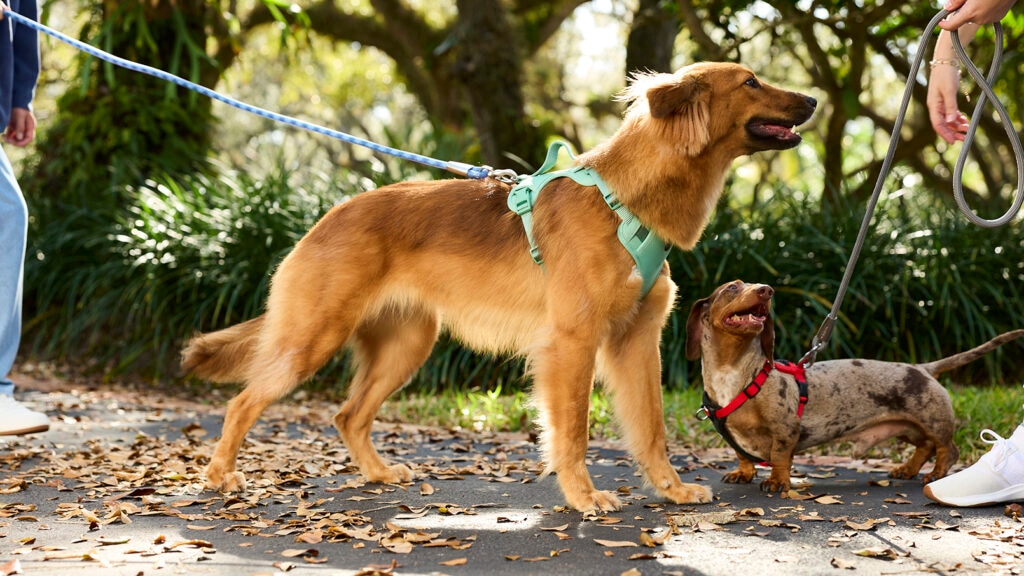
Photo by Chewy
If your dog frequently visits daycares, groomers, or parks, you may have questions about the Bordetella vaccine and whether it’s the right choice for your pup. This vaccine helps protect your dog against Bordetella bronchiseptica, one of the most common causes of kennel cough, also known as canine infectious respiratory disease complex (CIRDC).
Here’s what to know about the Bordetella vaccine for dogs.
If your dog is coughing, having trouble breathing, seems very tired, or you’re unsure whether they need the Bordetella vaccine, contact your veterinarian.
Key Takeaways
- The Bordetella vaccine for dogs helps protect against Bordetella bronchiseptica, the bacterium linked to kennel cough.
- Dogs who go to boarding, daycare, groomers, dog parks, training classes, or other social settings may benefit from the vaccine.
- Bordetella is a noncore vaccine, so your vet will recommend it based on your dog’s lifestyle and risk.
- The vaccine may be given orally, intranasally, or by injection, depending on your vet’s recommendation and the product used.
- Mild side effects can happen, but serious reactions are uncommon.
What Is the Bordetella Vaccine for Dogs?
The Bordetella vaccine for dogs helps protect against Bordetella bronchiseptica, a highly contagious bacterium that can contribute to kennel cough, which causes a harsh, hacking cough in dogs.
“Bordetella vaccine” and “kennel cough vaccine” are often used interchangeably, but kennel cough is caused by multiple germs. While B. bronchiseptica is a common cause, other viruses and bacteria can also be involved. Some vaccines cover Bordetella alone, while others also protect against additional CIRDC contributors like canine parainfluenza or adenovirus type 2.
The vaccine works by priming your dog’s immune system to respond quickly if exposed. The vaccine can lower the risk and severity of illness, though it may not prevent every case.
Does My Dog Need the Bordetella Vaccine?
Dogs who are around other dogs, whether they interact directly or just share the same space, are good candidates for the Bordetella vaccine. The bacteria spread easily through the air when a dog coughs or sneezes, and through shared water bowls, toys, and even people’s hands.
Your dog may benefit from the vaccine if they regularly visit places like:
- Boarding kennels
- Doggy daycare
- Grooming salons
- Dog parks
- Puppy classes or training classes
- Dog shows or competitions
- Shelters or rescue environments
Many facilities require proof of vaccination. While not necessary for every dog, vets often recommend it for dogs with social exposure. Because protection isn’t immediate, talk to your veterinarian about timing before boarding or group activities.
Bordetella Vaccine Schedule for Dogs
How often your dog needs the Bordetella vaccine depends on their age, exposure risk, the type of vaccine used, and any facility requirements. Your veterinarian can help you build a schedule that fits your dog’s lifestyle.
Here’s a general guide:
- Puppies: Timing depends on age, health, and vaccine type—your vet will advise.
- Adult dogs with social exposure: Typically boosted once a year.
- Dogs in boarding, daycare, grooming, or training classes: May need recent vaccination based on facility rules.
- Higher-risk dogs: May need boosters more often.
Vaccine type also matters. Oral and intranasal vaccines are usually given as a single initial dose, while the injectable vaccines need two doses given two to four weeks apart. After that, most dogs get a yearly booster, though some high-risk settings require it every six months.
Because timing varies, check with both your veterinarian and any facility before scheduling boarding or group activities.
Types of Bordetella Vaccines for Dogs
Bordetella vaccines can be given orally, intranasally (via the nose), or by injection under the skin. Each helps reduce disease severity, and your veterinarian will choose the best option.
| Vaccine Type | How It Is Given | Notes |
|---|---|---|
| Oral | A small amount of liquid is placed in the cheek pouch | Often a good fit for dogs who are wiggly or do not like things near their nose |
| Intranasal | Drops or spray into the nose | Delivers protection where respiratory infection usually starts |
| Injectable | A shot under the skin | May suit dogs who will not allow handling near their face; needs a two-dose initial series |
Oral and intranasal (mucosal) vaccines are commonly used because they deliver protection at the site of exposure. No single option is best for every dog—your vet will consider your dog’s age, health, risk level, and available products.
Bordetella Vaccine Side Effects in Dogs
Most dogs handle the Bordetella vaccine well, and many have no reaction at all. When side effects do happen, they’re usually mild and clear up within a day or two.
Possible mild side effects include:
- Soreness or a small lump at the injection site, if your dog got the shot
- Mild tiredness
- Sneezing or a clear runny nose, especially after the intranasal vaccine
- A mild cough
- A brief dip in appetite
Call your veterinarian if these symptoms last more than a day or two, or if you notice signs of a more severe reaction, such as facial swelling, hives, repeated vomiting, severe lethargy, difficulty breathing, or collapse. Serious allergic reactions are rare, but they need prompt attention.
How Much Does the Bordetella Vaccine Cost?
The cost of the Bordetella vaccine varies by location, clinic, vaccine type, and whether it’s given on its own or as part of a wellness visit or vaccine package. In many cases, it’s bundled with an exam or a preventive care plan.
The best way to get an accurate number is to ask your veterinarian for an estimate. They can also tell you whether the vaccine is included in any wellness packages they offer, which may help with the cost of routine care.
Can Dogs Still Get Kennel Cough After the Bordetella Vaccine?
Yes, a vaccinated dog can still develop a cough, but vaccination may lower the risk or make the illness milder.
Kennel cough or CIRDC can be caused by a variety of bacteria and viruses. The Bordetella vaccine protects against only one bacterium, B. bronchiseptica. If your dog is exposed to a bacterium or virus that the vaccine does not cover, they can still get sick.
Even so, vaccinated dogs often have milder symptoms, recover faster, and have a lower chance of the infection turning into something more serious, such as pneumonia. Contact your veterinarian if your dog has a persistent cough, trouble breathing, a fever, low energy, a reduced appetite, or has recently been exposed to a sick dog.
FAQs About the Bordetella Vaccine for Dogs
Is the Bordetella vaccine required for dogs?
There is no law requiring the Bordetella vaccine, so it’s not legally mandated the way the rabies vaccine is in many areas. That said, many boarding kennels, daycares, groomers, and training facilities require proof of vaccination before your dog can join.
How often do dogs need the Bordetella vaccine?
Most dogs need a booster once a year. Some facilities may require dogs to be vaccinated every six months. Your veterinarian can help you determine which schedule is right for your dog.
How long does the Bordetella vaccine take to work?
It depends on the type. The intranasal vaccine can begin building protection within 48–72 hours, while the oral vaccine takes up to a week. The injectable version takes the longest and is considered protective one to two weeks after the second booster.
To be safe, plan to vaccinate at least two weeks before your dog enters a higher-risk setting like boarding, and always talk to your veterinarian first about timing.
Is the Bordetella vaccine the same as the kennel cough vaccine?
They’re often called the same thing, and the Bordetella vaccine is the main vaccine used to help prevent kennel cough.
Keep in mind that kennel cough can be caused by several germs, so the Bordetella vaccine protects against one of the most common causes but not all of them.
Attributions