MSM for Dogs: What You Need To Know



Photo by nycshooter/E+
MSM, short for methylsulfonylmethane, is a common ingredient in dog joint supplements. It’s often used alongside other joint-support ingredients and may help support mobility and comfort in dogs with arthritis and other joint conditions.
While MSM is widely used in pet joint supplements, understanding what it is and how it works can help you start a conversation with your vet to decide whether it’s a good fit for your dog’s joint care plan.
Key Takeaways
- MSM is a sulfur-containing compound found in some dog supplements for joint health. It has been studied for its ability to modulate inflammation and provide antioxidant support.
- Researchers have studied MSM’s biologic activity, but evidence for a reliable benefit in dogs is limited.
- MSM should only be used with veterinary guidance, especially if your dog takes medications or has ongoing health concerns.
- Supplements are not a substitute for a veterinary exam, diagnosis, or prescribed care plan.
What Is MSM for Dogs?
MSM (methylsulfonylmethane) is a sulfur-containing compound that occurs naturally in plants, animals, and people. Sulfur is an important building block for connective tissues, including cartilage, tendons, and ligaments.
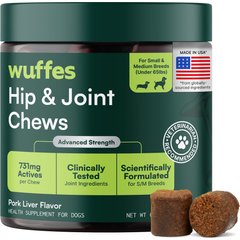
MSM is commonly included in dog joint supplements, like Wuffes Advanced Hip & Joint Chews, because of its potential anti-inflammatory and antioxidant properties. It is often combined with ingredients that support joint health and mobility, such as:
Recommended Product
Potential Benefits of MSM for Dogs
Research on MSM in dogs is limited, but it is commonly included in joint supplements because of several potential benefits.
May Support Joint Health and Mobility
MSM is often used in supplements designed to support joint health and mobility. In human studies, MSM has been associated with improvements in joint comfort and physical function in people with osteoarthritis. However, more research is needed to understand whether these benefits occur in dogs.
May Help Modulate Inflammation
Researchers have studied MSM for its potential anti-inflammatory effects. In human research, MSM has been studied for its ability to help modulate inflammatory processes in the body, which may be beneficial for joint conditions such as osteoarthritis. More research is needed to understand whether MSM produces similar effects in dogs.
May Provide Antioxidant Support
MSM has also been studied for its antioxidant properties. Antioxidants help protect cells from damage caused by unstable molecules called free radicals. In one small human study, MSM supplementation helped reduce some markers of oxidative stress after exercise, but additional studies are needed to determine its effects in dogs.
What the Evidence Says About MSM for Dogs
Dog-specific studies involving MSM are lacking and most of the research has been conducted in mixed-ingredient supplements, so it’s hard to isolate MSM’s benefits. In some of those studies, dogs have shown increased mobility and fewer signs of pain, but these benefits could also be caused by other ingredients in the supplement mix.
In human studies, MSM has been associated with improvements in joint comfort and physical function and has been studied for its potential anti-inflammatory and antioxidant effects. However, more research is needed to determine whether these benefits occur in dogs.
Potential Side Effects of MSM in Dogs
Research on MSM safety in dogs is limited, and studies tend to look at it alongside other ingredients, such as glucosamine and chondroitin, not on its own. However, MSM is widely used in canine joint supplements and is generally considered well-tolerated when used as directed.
When side effects are reported, they are typically mild and most often involve digestive upset, including:
It’s important to check the exact product and ingredient list before giving any new supplement to your dog. Because MSM is a supplement and the manufacturing isn’t regulated, the quality and quantity of ingredients can vary from product to product. It’s best to pick a product recommended by your vet, or to look for one that has been tested.
How To Give Your Dog MSM
MSM supplements are given orally and can come in several forms.
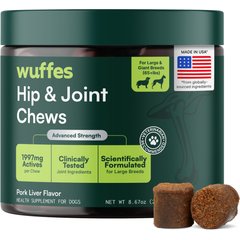
Flavored soft chews like Wuffes Advanced Hip & Joint Chews resemble treats and make administering the supplement simple.
Recommended Products
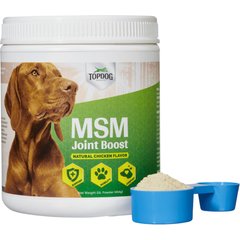
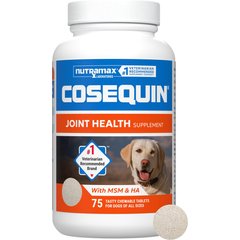
Other common forms of MSM supplements for dogs include powder, tablets, or liquids.
Recommended Products
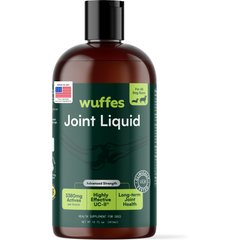
If your veterinarian thinks MSM fits your dog’s plan, use a product made for dogs and follow the label and your vet’s instructions. That may include:
- Giving the dose with food to prevent stomach upset
- Giving the dose at the same time each day
- Providing plenty of drinking water
- Washing your hands after handling the supplement
Don’t combine multiple supplements without first talking to your vet, since combining products can make it harder to keep track of what your dog is getting and can result in doubling up on certain ingredients.
What To Do if Your Dog Takes Too Much MSM
If your dog may have taken too much MSM or seems off after receiving it, call your veterinarian, an emergency hospital, or the Pet Poison Helpline (855-764-7661) right away. Have the bottle handy so you can share information about the product with the vet or poison expert. If you think your dog is having an adverse reaction, stop the supplement and get professional advice promptly.
FAQs About MSM for Dogs
Is MSM the same as DMSO?
Not exactly. MSM is the oxidized form of dimethyl sulfoxide, or DMSO, so the two compounds are related but not the same.
Can MSM replace my dog’s prescribed medicine?
No. Supplements should not be used as a substitute for a veterinarian’s diagnosis, prescribed medicine, or a tailored care plan.
Is MSM better than other joint-supplement ingredients?
There is no universal best choice for every dog. The right option depends on your dog’s health history and your veterinarian’s guidance.
Should I ask my vet before starting MSM?
Yes. That’s the safest move, especially if your dog has a chronic condition or takes medication or other supplements.
Attributions
This article was created with assistance from AI tools. The content has been reviewed for accuracy and edited by a human.
References
- Kim LS, Axelrod LJ, Howard P, Buratovich N, Waters RF. Efficacy of methylsulfonylmethane (MSM) in osteoarthritis pain of the knee: a pilot clinical trial. Osteoarthritis Cartilage. 2006;14(3):286-294. https://pubmed.ncbi.nlm.nih.gov/16309928/
- Butawan M, Benjamin RL, Bloomer RJ. Methylsulfonylmethane: applications and safety of a novel dietary supplement. Nutrients. 2017;9(3):290. https://www.mdpi.com/2072-6643/9/3/290
- Nakhostin-Roohi B, Barmaki S, Khoshkhahesh F, Bohlooli S. Effect of chronic supplementation with methylsulfonylmethane on oxidative stress following acute exercise in untrained healthy men. J Pharm Pharmacol. 2011;63(10):1290-1294. https://academic.oup.com/jpp/article-abstract/63/10/1290/6135383