Green-Lipped Mussel for Dogs: Uses, Safety, and You Need to Know



Photo by dageldog/E+
As your dog ages, she may slow down on walks or seem stiff and achy after naps. Joint issues are common among senior dogs, leading many pet parents to explore if supplements like green-lipped mussel can help support healthy joint function. In fact, research suggests that green-lipped mussel extract derived from the Perna canaliculus mussel can help support mobility in some dogs with arthritis.
Green-lipped mussel is most commonly sold as an ingredient in joint-supporting products, alongside other supplements such as chondroitin and glucosamine and omega-3 fatty acids.
Like all supplements, you should ask your vet before giving your dog green-lipped mussel.
Key Takeaways
- Green-lipped mussel may help support mobility in some dogs with osteoarthritis.
- Green-lipped mussel does not prevent or cure joint problems.
- Side effects are not well studied, so green-lipped mussel should only be used with your veterinarian’s guidance.
- If your dog has severe arthritis or joint problems, prescription medication may be necessary.
Can Dogs Take Green-Lipped Mussel?
While green-lipped mussel is generally safe for dogs, always check with your veterinarian first—especially if your dog is older or receiving joint or pain medications.
Your vet may recommend green-lipped mussel if your dog has been diagnosed with osteoarthritis (OA) or shows classic signs like stiffness, walking slowly, or trouble getting up.
However, green-lipped mussel may not be appropriate if your dog:
- Has food allergies or a sensitivity to shellfish
- Has a complicated health history
- Takes multiple medications, including joint medications
How Does Green-Lipped Mussel Work in Dogs?
Green-lipped mussel contains several components that may help support joint function and modulate inflammatory pathways that contribute to stiffness and pain. When used in arthritic senior dogs, it has been shown to help reduce inflammatory markers and support improved joint function.
Benefits of Green-Lipped Mussel in Dogs
Green-lipped mussel is not a cure and does not prevent arthritis in healthy dogs. Instead, it is typically used in dogs who are already showing signs of arthritis.
According to research, green-lipped mussel may reduce symptoms associated with osteoarthritis, including joint pain and mobility. One review of osteoarthritis research in dogs found moderate evidence of a clinical benefit.
It’s important to note that evidence for many supplements is limited, and these products shouldn’t replace proven pain-management medications and treatments. When green-lipped mussel is used, it should be part of a larger vet-guided treatment plan.
Recommended Products


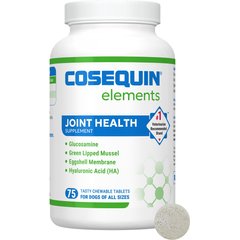
Potential Side Effects of Green-Lipped Mussel in Dogs
Green-lipped mussel supplements are usually well-tolerated in dogs. However, adverse events and side effects aren’t always reported. Monitor your dog closely after starting any supplement.
Possible side effects may include:
- Digestive upset, like soft stool, diarrhea, or vomiting
- Food sensitivity concerns in dogs with known shellfish allergies
- Unknown interactions when used with other therapies or medications
Contact your veterinarian immediately if your dog has hives, facial swelling, or repeated bouts of vomiting or diarrhea, or if they seem unusually weak.
How to Give Your Dog Green-Lipped Mussel
Green-lipped mussel is offered in powders, capsules, and soft chews. These products can vary in how they’re processed and what other ingredients are added.
Follow these tips to ensure you’re using the supplement safely:
- Choose products made for dogs, with a clear ingredient list and good information on the label.
- Introduce one new supplement at a time, so you can spot what’s helping (or what’s causing problems).
- Track your dog’s comfort and mobility, noting how they seem to feel after long walks, how easily they get up, or how often they hesitate on stairs.
- Use supplements along with weight loss, low-impact exercise, and vet-guided pain control.
Green-lipped mussel dosing varies by the product and your dog’s size and health needs. Your veterinarian can recommend trusted supplement brands and formulations, and explain how to use them safely.
What to Do If Your Dog Takes Too Much Green-Lipped Mussel
If your dog sneaks extra chews or you accidentally double-dose, don’t panic—but take it seriously. Overdoing supplements can be harmful.
Here’s what to do:
- Call your veterinarian for advice right away, especially if your dog is small, senior, or has other health issues.
- Check the product label and packaging so you can tell your veterinarian exactly what your pet ate and estimate how much.
- Seek emergency care if your dog is vomiting, has diarrhea, difficulty breathing, or severe lethargy, or has collapsed.
- If you can’t reach your regular veterinarian or a veterinary emergency center, contact Pet Poison Helpline at 855-764-7661. Note that a fee may apply.
Frequently Asked Questions
Here are answers to common questions pet parents frequently ask about green-lipped mussel for dogs.
Does green-lipped mussel cure arthritis in dogs?
No. There is evidence of modest support for some dogs with osteoarthritis; however, it is not a cure and does not prevent arthritis.
How long does it take to work?
Every dog is different and responds at their own pace. Some dogs may show changes over several weeks, while others may not respond at all.
Can I give green-lipped mussel with my dog’s arthritis medication?
Ask your veterinarian before starting any supplement, especially if your dog takes medications. Information about how green-lipped mussel interacts with medications is limited, and you’ll need to ensure you don’t double up on certain ingredients or upset your dog’s stomach.
Is green-lipped mussel the same as glucosamine or fish oil?
No. Many joint products, including those with glucosamine and fish oil, include several ingredients, including green-lipped mussel.
Is it OK for puppies or healthy dogs as a preventive?
Puppies and healthy dogs eating a balanced diet don’t typically need supplements. Also, green-lipped mussel does not prevent arthritis, so it should not be used in this way.
Attributions
This article was created with assistance from AI tools. The content has been reviewed for accuracy and edited by a human.