11 Common Dog Skin Conditions and How You Can Help

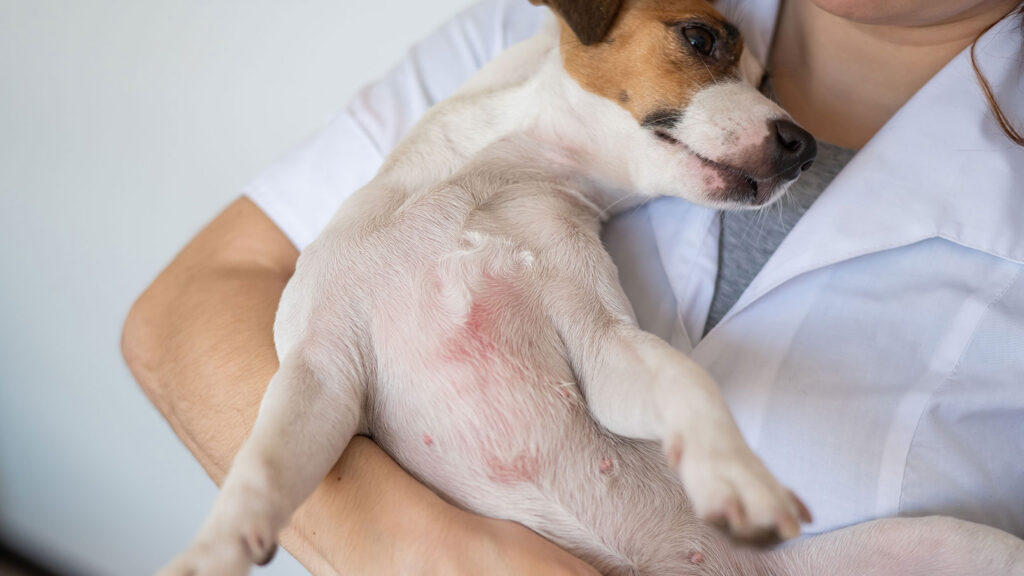
Photo by Anna Reshetnikova / iStock / Getty Images Plus
Skin problems are among the most common reasons dogs visit their veterinarian. From persistent itching and hair loss, to redness, red bumps, sores, and dry flaking skin, dog skin conditions can cause significant discomfort and disruption to the family’s normal routines.
While most skin conditions might appear similar on the surface, they can stem from a wide range of underlying causes, such as allergies, skin parasites, infections, hormonal disorders, and autoimmune diseases. Depending on the underlying cause of your dog’s skin condition, your vet may recommend a variety of treatments, including medications, topical products, or special food.
Understanding and recognizing the most common skin conditions in dogs can help pet parents know when to seek help from their veterinary team.
Key Takeaways
- Skin problems in dogs are caused by a range of underlying causes, including allergies, parasites, and infections, and other diseases.
- Signs of dog skin problems include itching, hair loss, redness, red bumps, and sores.
- Treatment of dog skin issues depends on the underlying causes and may include prescription medications, topicals, and/or special diets.
1. Allergies
Allergies in dogs are a very common cause of skin problems in dogs. Dogs can be allergic to fleas, environmental triggers like pollen, dander, and grasses, and certain foods. These allergies cause a dog’s immune system to overreact, leading to a hypersensitivity reaction. While allergies in dogs can cause respiratory or gastrointestinal signs, they most commonly cause itchy skin.
Signs of allergies include:
- Itchy skin
- Persistent licking or scratching
- Skin and ear infections
- Hair loss, redness, red bumps, scabs, hot spots
- Less common: GI upset (diarrhea, vomiting, and excessive gas)
How You Can Help
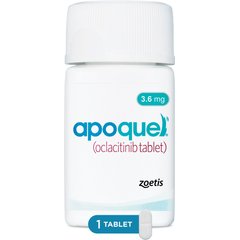
Treating dog skin allergies often requires multiple methods used in combination.
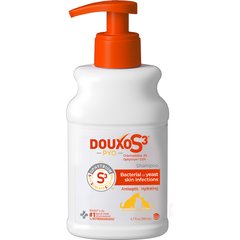
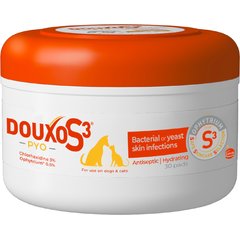
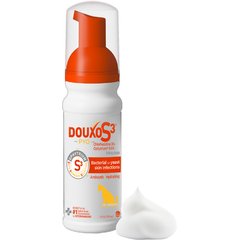
- Medicated shampoos, sprays, or wipes to reduce the overpopulation of bacteria and yeast on the skin that causes skin infections
Recommended Products
Recommended Product
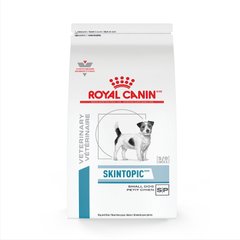
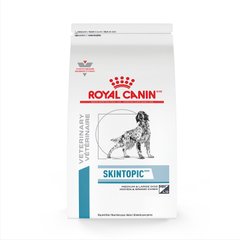
- A therapeutic skin-supporting diet, such as Royal Canin Skintopic, formulated for dogs with skin sensitivities. Skintopic strengthens the skin barrier to help prevent allergy flare-ups, and contains antioxidants and omega-3 fatty acids for anti-inflammatory support.
Recommended Products
- A hypoallergenic diet, such as those that contain a novel protein or hydrolyzed protein, to eliminate the food ingredient triggering the food allergy
2. Fleas
Fleas are the most common skin parasite in dogs and leave a path of destruction in their wake. These small, blood-feeding insects reproduce rapidly, causing infestations of both your pets and their environment. In some dogs, flea bites can even cause a hypersensitivity or allergic reaction called flea allergic dermatitis, making the itch more intense.
Signs of fleas include:
- Intense itching, especially around the tail base, groin, and the neck
- Tiny black insects (fleas) crawling on the fur
- Flea dirt (flea feces)
- Red bumps, scabs, or other skin infections resulting from itching
How You Can Help
If your dog has itchy skin from fleas, you have to not only get rid of these pesky insects but also treat the resulting skin damage.
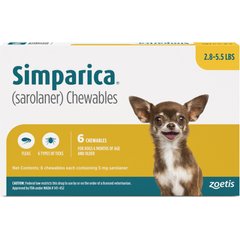
- Year-round flea prevention, such as a monthly oral pill, chew, or topical medication applied to the skin, can help kill existing fleas as well as prevent reinfestation
Recommended Product
- In addition to treating your dog, the environment must also be treated to prevent reinfestation
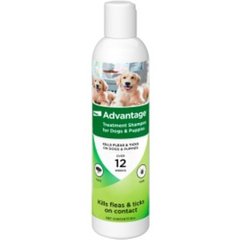
- Bathing with a flea shampoo to help remove fleas already on the coat (if already using a topical flea preventive, be sure to follow the manufacturer’s guidelines on bathing)
Recommended Product
Most flea prevention products last about 30 days, so they must be given consistently to keep fleas from returning. Veterinarians recommend year-round flea control for all pets, including indoor-only pets.
Talk with your veterinarian about the best flea prevention and treatment plan for your dog.
3. Mange
Mange is a skin condition in dogs caused by a microscopic external parasite called a skin mite. The two most common skin mites in dogs are Demodex, a normal inhabitant of the hair follicle, and Sarcoptes scabiei, a highly contagious form of mange. The mites burrow into the skin, causing intense itch and discomfort.
Signs of mange include:
- Severe itch, resulting in self-trauma from scratching or chewing
- Hair loss
- Thickened and crusty skin primarily around the tips of the ears, lower back legs, and the elbows/armpits of the front legs
How You Can Help
Your veterinarian will diagnose mange by doing a skin scraping to look for mites under a microscope. Depending on the location and the degree of skin disease, your vet may prescribeone of the following to treat the mange:
- Oral medication
- Topical treatments
- Special dip shampoo
Some flea and tick prevention medications, such as NexGard or Bravecto, have the ability to treat Demodex mites, too, though this use is not specifically listed on the label.
4. Bacterial Skin Infections
Bacterial skin infections in dogs are known as pyoderma. Although a normal amount of bacteria naturally lives on the skin, conditions such as allergies, fleas, or other skin irritation can cause these bacteria to overpopulate and lead to a skin infection.
Signs of pyoderma include:
- Red, itchy skin
- Circular crusting
- Red bumps
- Scabs
- Dry, flaky skin
- Pimples
- Hair loss
- Hot spots
- Chronic or long-term pyoderma can cause hyperpigmentation or darkening of the skin
How You Can Help
Bacterial skin infections are best treated with medications that reduce the bacteria on the skin and relieve itching. Your veterinarian may recommend:
- Oral antibiotics, such as cephalexin or Convenia, to treat bacterial infections
Recommended Product
- Anti-itch medications to reduce scratching and prevent further skin damage
- Medicated topical treatments, including shampoos, mousses, sprays, or wipes, to decrease bacteria on the skin and soothe irritation
5. Hot Spots
Hot spots in dogs, also known as acute moist dermatitis, are a common skin condition that is localized to one area of the body. These skin lesions often develop very quickly due toexcessive licking in an area that is itchy or uncomfortable, such as a wound.
Signs of hot spots include:
- Localized area of moist, red, irritated, and painful skin
- Excessive licking and/or scratching
- Hair loss
- Crusting, bleeding, and scabs
- Can be raised or flat
How You Can Help
Hot spots can be quite painful and do require prompt treatment to stop the cycle of licking, infection, and irritation.
Your veterinarian may recommend:
- Using a dog recovery collar (cone) to prevent licking and allow the skin to heal
Recommended Product

- Clipping the hair around the affected area so the skin can be properly cleaned and monitored
- Keeping the area clean and dry at all times with medicated wipes, sprays, or mousse
For large, painful, or persistent hot spots, your veterinarian may also prescribe:
- Oral antibiotics to treat infection
- Anti-inflammatory medications to reduce pain and swelling
6. Yeast Infections
Incessant itching and moisture on the skin can cause a yeast infection in dogs. Yeast is a type of fungus that normally lives on a dog’s skin. When there is an itch, regardless of the underlying cause, or excess moisture on the skin, the yeast can overpopulate and can cause a skin infection. While yeast infections might be more common in a dog’s ears, it can also occur on their skin and paws.
Signs of a yeast infection include:
- Moist, itchy skin
- Noticeable odor, like corn chips
- Small, red bumps
- Brown discoloration
How You Can Help
Yeast infections in dogs are typically treated with antifungal medications. The specific treatment your veterinarian recommends will depend on how severe the infection is and where it appears on the body.
- If the infection is limited to one area, your vet may recommend topical antifungal treatments, such as ointments or wipes.
- If the infection is widespread, your vet may recommend oral antifungal medications along with regular bathing using prescription medicated shampoo.
Yeast infections can take several weeks to fully resolve, so consistent treatment and follow-up with your veterinarian are important for successful healing.
7. Ringworm
Ringworm is a fungal infection that can occur on a dog’s skin, hair, or nails. There are no actual worms involved in ringworm infections, just a fungus that feeds on dead skin cells. The name ringworm comes from the circular, itchy rash that typically appears on the skin.
Ringworm is more common in cats and people, but it can cause skin disease in dogs, too. Ringworm is a highly contagious zoonotic disease, meaning it can be passed from pets to people and vice versa.
Signs of ringworm include:
- Circular itchy rash with or without crusting around the perimeter
- Hair loss and broken hairs, poor hair coat
- Dry, flaking skin and dandruff
- Dry, brittle, or broken toenails
How You Can Help
There are a few different methods your vet can use to diagnose ringworm, such as using a Woods lamp that emits ultraviolet light, a fungal culture, or less common, a test that looks for fungal DNA. Depending on the location and the severity of the skin disease caused by ringworm, your vet will prescribe:
- Oral antifungal medication
- Topical antifungal creams, and/or
- Special medicated shampoos.
As with other yeast and fungal infections, localized areas might only need a cream while dogs with lesions all over their body will need oral medications and frequent bathing.
8. Dry Skin
Dry, flaking skin is a common concern for some pet parents. While some causes might be harmless, persistent dry skin can be a medical issue. Dry skin can come from too frequent bathing, not bathing enough, change of season, or it can indicate something more significant like poor diet, allergies, skin parasites, or a hormonal imbalance, such as low thyroidhormone.
Signs of dry skin can vary greatly depending on underlying cause but can include:
- White flakes from skin and coat
- Red, irritated skin
- Hair loss
- Pimples, red bumps, darkening of the skin
- Odor, greasy skin
How You Can Help
Getting to the root of the problem of your dog’s dry skin is essential to helping them have a healthier skin and coat. Depending on the underlying cause, your vet may recommend:
- A therapeutic diet, such as Royal Canin Skintopic, which contains omega-3 fatty acids to support the skin’s health and barrier functions
Recommended Product

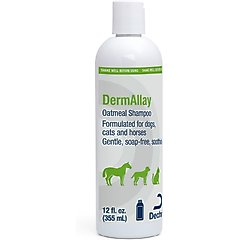
- Gentle shampoos, such as an oatmeal or aloe-based shampoo, if there are no skin lesions like red bumps or scabs
Recommended Product
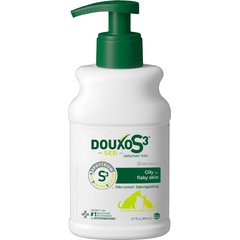
- Medicated shampoo if red bumps, scabs, or signs of infection are present
Recommended Product
- Flea prevention, since fleas and flea allergies are common causes of skin irritation
- Supportive care, such as a high-quality diet, less frequent bathing, a humidifier, and/or fish oil supplements
Recommended Product

While dry skin is not an emergency, a vet checkup can help determine the underlying cause and ensure your dog receives the most effective treatment.
9. Alopecia
Alopecia, or hair loss, in dogs is often due to an underlying medical condition. Unlike normal shedding, which is part of the normal life cycle of a dog’s hair, alopecia causes bald patches where only the skin is left showing. Alopecia in dogs can be something they are born with or something they acquire due to causes like allergies, hormone imbalances, or skin parasites.
Signs of alopecia include:
- Local areas or widespread baldness
- Thinning hair coat
- Itchy, red skin or no itch at all
- Red bumps, pimples, scabs, crusts, or darkening of the skin
How You Can Help
Alopecia requires a full medical workup with your veterinarian to determine how best to help your dog. Your vet will run bloodwork to assess your dog’s hormone levels and vital organ function, which could help identify conditions that contribute to alopecia, like Cushing’s disease or hypothyroidism.
Treatments for alopecia might include:
- Oral medication for a hormonal imbalance
- Medicated shampoo
- Flea prevention
- Anti-itch spray, wipes, or mousse
- Medications for skin infections
- Allergy medication
- Special diet
In some breeds, alopecia might not be able to be treated or cured, especially if it is congenital.
10. Skin Cancer
Skin cancer is the result of an abnormal growth of skin cells, and it can be either benign or malignant. Malignant skin cancers are those that can spread to other areas of the body through the blood or lymphatic system, while benign tumors are those that only cause a problem locally. Dogs with increased UV and sun exposure, light-colored skin/fur, and a genetic predisposition are at a higher risk of developing skin cancer.
Signs of skin cancer include:
- Skin growth, lump, or bump
- Raised or flat discoloration
- Black, red, or flesh colored are most common
- Hair loss
How You Can Help
If you notice any new growth, lump, bump, or abnormality on your dog’s skin, it should be examined by your veterinarian to determine how invasive it might be and what the next steps are. Your vet will diagnose what kind of skin cancer your dog has with a biopsy. A biopsy can be done during a routine vet visit using a method called a fine needle aspiration. Other times, a more significant tissue biopsy will have to be taken using sedation or general anesthesia.
Depending on the type of skin cancer, a combination of surgery, chemotherapy, radiation, and immunotherapy may be used to treat it.
11. Autoimmune Disease
Autoimmune skin disease in dogs occurs when the immune system mistakenly attacks healthy skin cells, resulting in many different kinds of skin lesions. Common autoimmune skin diseases in dogs include pemphigus foliaceus, pemphigus vulgaris, lupus erythematosus, and bullous pemphigoid. These skin conditions can vary greatly in severity. Some are locally invasive, causing significant skin disease, while others can be fatal.
Signs of autoimmune skin disease include:
- Crusty, scaling scabs
- Pustules or pimples
- Hair loss
- Itchy skin
- Ulcers or bleeding skin wounds
- Depigmentation, loss of normal skin coloring
How You Can Help
Autoimmune skin disease in dogs requires prompt diagnosis and treatment, thus a trip to the vet is essential. Because the immune system is attacking healthy cells, treatment focuses on controlling the immune system. Your vet may recommend:
- Steroids, such as prednisone and dexamethasone, to quiet the effects of the immune system.
- Other immunosuppressants, such as cyclosporine or azathioprine, if steroids are not effective.
Dog Skin Conditions FAQs
What is the most common skin condition in dogs?
The most common skin condition in dogs is allergies—environmental, food, or flea allergies. Itchy skin from allergies often leads to secondary skin infections that need to be treated with a variety of remedies from oral medications, like antibiotics and anti-itch medication, to topical therapies, such as medicated shampoo. Flea prevention is essential for all dogs but even more so in those with a flea allergy.
How do you identify skin conditions in dogs?
Skin conditions in dogs can be identified as any abnormality noticed on the skin or coat. If you notice a lump, bump, area of hair loss, or a skin infection, it’s important you see your veterinarian for some basic skin testing. Skin testing helps your vet determine what is causing your pet’s skin condition and thus how to treat it best.
What does a skin infection on a dog look like?
Skin infections in dogs can have a variety of different appearances. Most often skin infections appear as areas of hair loss, red skin, red bumps, scabs, crusts, dry skin, hot spots, or other irritation.
When do dog skin conditions require veterinary attention?
Most skin conditions in dogs require veterinary attention in order to identify the underlying cause. Once your vet determines the underlying cause, they can start a treatment plan tailored specifically to their needs, which often consists of both oral medication and topical therapies, like medicated shampoo and wipes.
Attributions