Mange in Dogs: Signs, Causes, and How To Treat


Photo by praisaeng/iStock/Getty Images Plus
If your dog can’t stop itching and you’re noticing bald patches in their coat, they may have mange. Mange is a skin condition caused by mites that includes intense itching, hair loss, and skin irritation.
While not considered a medical emergency, it’s important to seek veterinary care if you think your dog has mange, as it can be highly contagious among dogs.
If mange is left untreated, dogs can become very sick and uncomfortable, requiring more extensive treatment and sometimes hospitalization. See your veterinarian as soon as possible if you suspect your dog has mange.
Key Takeaways
- Mange is a skin disease caused by mites that results in severe itching, hair loss, and irritated skin.
- Mange is contagious to other dogs, but only sarcoptic mange is contagious to humans.
- Veterinarians diagnose mange using skin and lab tests and treat it with oral or topical medications. Recovery may take weeks or months.
- Regular vet care, vaccines, and parasite prevention are key to keeping your dog healthy and reducing their risk of mange.
What Is Mange in Dogs?
Mange in dogs refers to a group of skin conditions caused by different types of mites that bury themselves in the hair follicles.
It’s not an uncommon condition, especially in dogs with weakened immune systems, such as puppies and seniors.
Dogs with manage have intense itching and hair loss. Many mites that cause mange are highly contagious among dogs and, in some cases, can also spread to people.
If you think your dog has mange, see a veterinarian. Prompt diagnosis and treatment can help restore a dog’s comfort and reduce the likelihood of lasting skin and coat damage.
What Are the Signs of Mange in Dogs?
Dogs with mange can experience a variety of symptoms, including:
- Intense itching
- Hair loss
- Scabs or open sores
- Dry, flaky skin
- Thickened skin
- Skin bumps
- Head shaking
- Ear scratching
- Thick, brown ear discharge
- Red and inflamed ears
- Decreased appetite
- Lethargy
What Does Mange Look Like in Dogs?
Mange can affect the skin and ears.
If the dog’s ears are affected, they will have red, inflamed ear canals filled with thick, dark debris.
An affected dog’s skin will be red, thick, and covered with flakes or scabs in areas where fur is no longer present.
What Causes Mange in Dogs?
There are several types of mange in dogs, and each one is caused by a specific mite.
- Sarcoptic mange: Caused by the mite Sarcoptes scabiei, this type of mange is often called scabies and can be transmitted to humans.
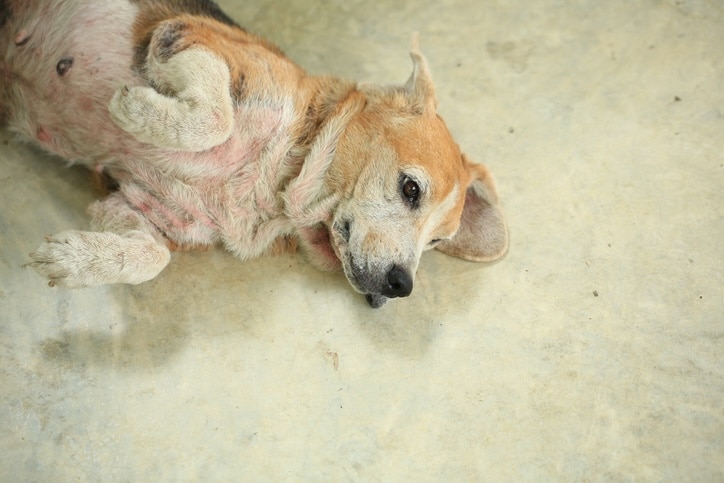
Photo by Sreborn/iStock/Getty Images Plus
- Demodectic mange: This type of mange is caused by the mite Demodex canis, which is actually a mite that normally lives in the dog’s hair follicles. However, mange can occur when the number of mites multiplies uncontrollablydue to a weak immune system. It is very common in puppies, especially American Pit Bull Terriers.
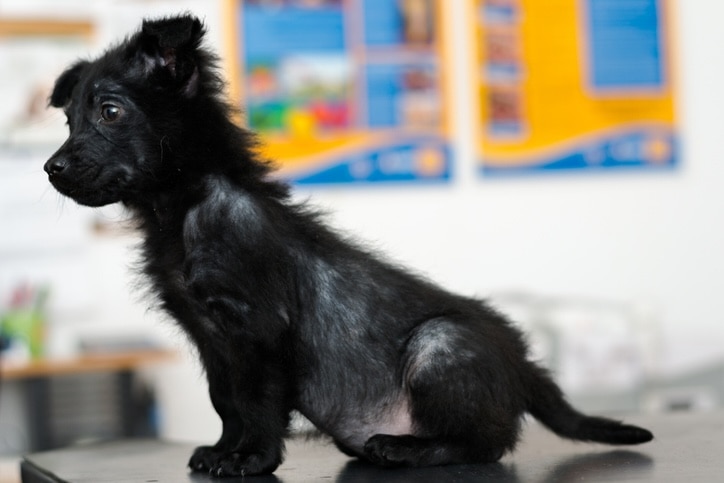
Photo by Todorean Gabriel/iStock/Getty Images Plus
- Cheyletiellosis: Cheyletiella mites cause a type of mange commonly referred to as “walking dandruff.” They make dogs’ skin excessive flaky and dry.
- Otodectic mange: Caused by the mite Otodectes cynotis, this type of mange causes itching and a thick, dark discharge in a dog’s ears.
Your dog may be more likely to get mange if they are:
- Under stress
- Living with a weakened immune system
- Taking corticosteroids, such as prednisone
- Genetically predisposed
- Living in unsanitary conditions
- In frequent contact with other dogs
How Do Veterinarians Diagnose Mange in Dogs?
If your dog is itching, or has skin issues or hair loss, bring them to the veterinarian.
The veterinarian will ask when symptoms began, if your dog has any underlying health issues, and if they are up-to-date on flea and tick preventives, then perform a physical exam.
If mange is suspected, a veterinarian may perform diagnostic tests, such as:
- Skin scrape: A dull blade is used to gently scrape skin cells from the affected area. The sample is placed on a glass slide with a drop of oil and viewed under the microscope to look for live mites and their eggs.
- Fecal float: A small sample of stool is viewed under a microscope to look for mites or eggs that were accidentally ingested when a dog licks their skin or fur.
- ELISA: A small sample of your dog’s blood can be checked for antibodies against the Sarcoptes mites to diagnose scabies.
- Flea comb: Running a flea comb through your dog’s fur can trap Cheyletiella mites and help with diagnosis.
- Skin biopsy: In severe cases, such as when other tests are inconclusive or dogs aren’t responding to treatment, a small sample of skin can be collected and sent to a laboratory to diagnosis mange.
Treatment of Mange in Dogs
Treatment for mange is oral or topical medications.
In mild cases of mange, a single course of treatment may be all that is necessary. However, when moderate to severe mange is present, it may take weeks to months of treatment to resolve the condition.
Treatments may include:
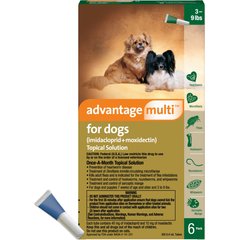
- Topical parasite prevention, such as Revolution or Advantage Multi
Recommended Products

- Oral parasite prevention, such as Bravecto
Recommended Product

- Lime sulfur dip like the Vet Basics Lime Sulfur Dip Antimicrobial
Recommended Product

- Ear cleansers, such as Vetoquinol Cerumene
Recommended Product

Recommended Product
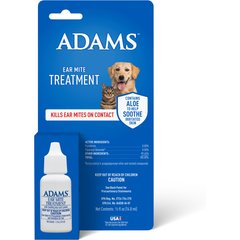
- Antiseborrheic shampoo like the Veterinary Formula Clinical Care Antiparasitic & Antiseborrheic Medicated Shampoo
Recommended Product

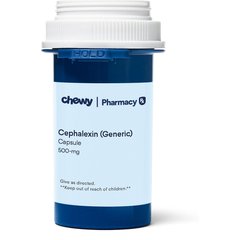
- Antibiotics, such as cephalexin (for secondary bacterial infections)
Recommended Product
How Can I Help My Dog Feel More Comfortable?
Dogs recovering from mange are generally very uncomfortable due to skin sores and itchiness.
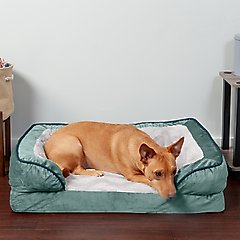
To help them feel more comfortable, provide them with a soft bed, like the FurHaven Velvet Waves Perfect Comfort Orthopedic Sofa Cat & Dog Bed with Removable Cover, to rest on in a quiet area of your home.
Recommended Product
Be sure to wash your dog’s bedding regularly. If your dog has sarcoptic mange, which is contagious to humans, you should wash their bedding every other day in hot water to reduce the spread of mites.
For other types of mange, wash bedding at least every two weeks.
Give any medications exactly as prescribed by your veterinarian to ensure the best treatment outcome. Monitor for side effects, such as vomiting or decreased appetite, and alert your veterinarian to any new or worsening symptoms.
Preventing Dog Mange
Demodex mites are naturally present on a dog’s skin. It is difficult to prevent demodectic mange, since it results from a weakened immune system.
However, there are ways to prevent mange caused by other types of mites:
- Schedule regular wellness care and vaccinations for your dog to support a healthy immune system.
- Feed a complete and balanced diet to promote a strong immune system.
- Keep your dog up-to-date on monthly parasite prevention.
- Separate affected dogs from other dogs in the home until the mange has resolved.
- Thoroughly wash any bedding and blankets that may have contacted the affected pet.
FAQs About Mange in Dogs
How do I know if my dog has mange?
The only way to know if your dog has mange is to bring them to a veterinarian who can perform testing for an accurate diagnosis.
Is mange in dogs contagious to humans?
Sarcoptic mange in dogs is contagious to humans, but other types of mange are not.
What can be mistaken for mange in dogs?
Many other skin conditions can be mistaken for mange, such as food allergies, flea allergies, and bacterial or fungal infections.
Can a dog recover from mange on their own?
Dogs with very mild cases of mange, such as localized demodex, may recover on their own. However, almost all dogs with mange require treatment by a veterinarian.