Melatonin for Dogs: Can Dogs Take Melatonin?


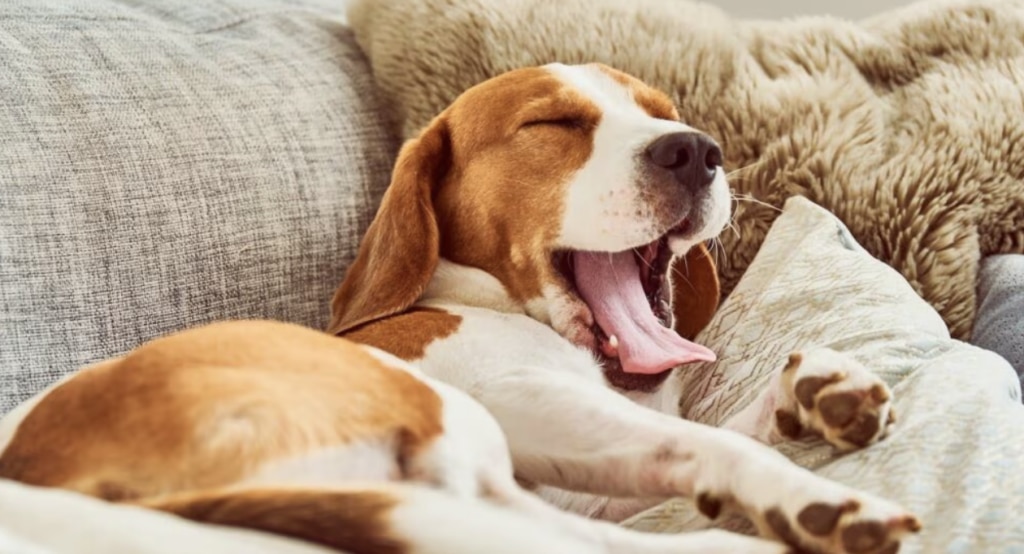
Photo by Przemysław Iciak/iStock/Getty Images Plus
Tossing and turning at night can be frustrating, and it’s not uncommon for humans to take melatonin to help us drift off to sleep. As it turns out, dogs can take melatonin too.
Here’s what to know about this supplement when it comes to your pup.
Key Takeaways
- Dogs can take dog-specific melatonin when recommended by a veterinarian.
- Veterinarians may occasionally recommend melatonin for dogs to address bouts of stress, sleep disorders, cognitive dysfunction, hair loss, and certain hormonal diseases.
- Side effects of dog melatonin are usually mild, such as drowsiness or digestive upset.
- Human melatonin products should be avoided in dogs due to toxic ingredients like xylitol.
Can Dogs Take Melatonin?
Yes, dogs can take dog-friendly melatonin, says Wayne M. Johnson, a veterinarian at Birdneck Animal Hospital in Virginia Beach, Virginia. Melatonin is a natural hormone that has many functions, including the regulation of sleep-wake cycles, and many people take it for insomnia.
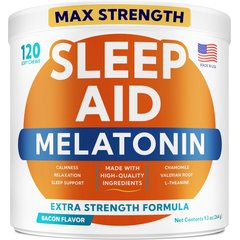
However, never give your dog melatonin for humans; it may contain other harmful ingredients, including xylitol (also known as birch sugar), which is highly toxic to dogs, or 5-HTP, which can cause serotonin syndrome.
Your vet may prescribe dog-friendly melatonin to your canine for conditions such as:
- Mild stress or fear
- Sleep disorders, like insomnia
- Canine cognitive dysfunction (dementia)
- Hormone-associated alopecia (hair loss)
- Rare adrenal diseases, like atypical Cushing’s Disease
Always speak with your veterinarian about whether melatonin is right for your dog and how much melatonin is the appropriate amount.
Giving melatonin with certain medications can interact and change how the medications work, so it is important to discuss your dog’s medications, including vitamins and supplements, and healthconditions with your veterinarian.
Your vet will determine the proper dosage based on your pup’s weight and overall health.
How Does Melatonin Work in Dogs?
Melatonin is tied to the body’s circadian rhythm, and your body starts producing more melatonin as it gets dark outside in the evening.
This helps the body’s internal clock signal that it’s time to go to sleep. Melatonin works the same way in dogs.
Melatonin also has other effects, including stimulating hair growth and altering the production of other hormones.
Dr. Johnson says that melatonin may also help your dog relax.
Your dog’s size and the dosage determine how quickly it works. Melatonin is likely to start working in about 15 minutes, but it might take up to an hour to reach its full effect.
What Are the Side Effects of Melatonin for Dogs?
Melatonin is generally safe for dogs, but side effects may include:
How To Give Your Dog Melatonin
There are a few different ways to offer your dog melatonin. Always choose a dog-friendly product recommended by your vet.
Melatonin products for dogs usually come in a liquid, tablet, or chew form.
For liquids that you can add to your pet’s regular food, try Pet Wellbeing Pet Melatonin Bacon Flavored Liquid Calming Supplement for Dogs or Wonder Paws Melatonin & L-Theanine Bacon Flavored Liquid Calming Supplement for Dogs.
Recommended Products
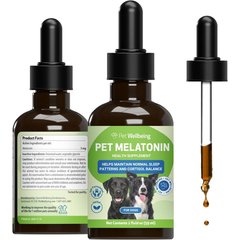
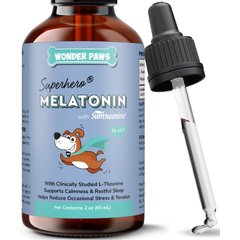
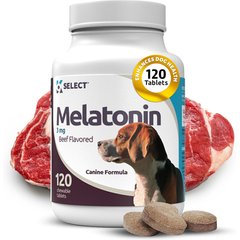
K9 Select Melatonin Beef Flavor Calming Dog Supplement and Prana Pets Lignans & Melatonin with Biotin for Cushing’s Disease Support for Dogs are good choices for dog-friendly tablets.
Recommended Products

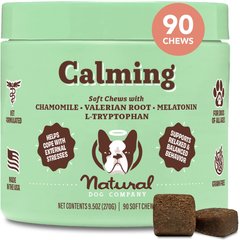
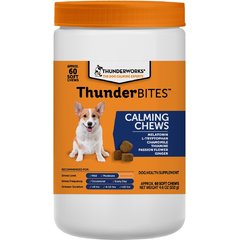
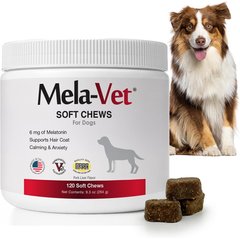
There are many melatonin dog chews available. Some top picks include Natural Dog Company Calming Melatonin Peanut Butter & Bacon Flavored Soft Chew Supplement for Dogs, GoodGrowlies Calming Melatonin Sleep Aid & Anxiety Relief Supplement Chews for Dogs, ThunderWunders Melatonin Calming Dog Chews, and Mela-Vet Soft Chew Skin & Coat Supplement for Dogs.
Recommended Products
What To Do If Your Dog Takes Too Much Melatonin
While overdosing on melatonin is rare in dogs, “there is a concern for danger” if your dog has ingested more the recommended dose, says Dwight Alleyne, DVM, a veterinarian and veterinary consultant with Fido Alert.
Symptoms of too much melatonin may include:
- Vomiting
- Diarrhea
- Seizures
- Increased heart rate
- Extreme lethargy
- Confusion
If your dog takes too much melatonin or ingests melatonin intended for people, call your vet or Pet Poison Helpline (855-764-7661, a fee applies) immediately, or head to an emergency veterinarian.
“If your dog seems off or you’re just not sure, it’s always better to be safe and get professional advice quickly,” Dr. Alleyne says.
FAQs About Melatonin for Dogs
Do vets recommend melatonin for dogs?
Sometimes. Your veterinarian may recommend melatonin for your dog if your dog is dealing with mild stress, insomnia, or some other health conditions, but every dog is different. Always speak with your vet first before giving melatonin to your dog.
How much melatonin can I give my dog?
Only your veterinarian can tell you how much melatonin to give your dog.
Ask your vet what dosage they recommend. If your dog takes too much melatonin, call your vet or Pet Poison Helpline (855-764-7661, a fee applies) immediately, or head to an emergency veterinarian.
Can puppies take melatonin?
No. Melatonin is typically not recommended for puppies because of potential side effects on their developing bodies. Melatonin may affect fertility in dogs who are not yet spayed or neutered.
Attributions