Are Snake Plants Toxic to Dogs?



Photo by Andre Sayster/iStock/Getty Images Plus via Getty Images
You walk into the room to find your dog munching on your snake plant like they’re at their own personal salad bar. Should you worry? Are snake plants toxic to dogs?
Yes, snake plants are considered toxic to dogs due to compounds that can cause digestive upset if eaten. But there’s no need to panic—most cases are mild. Still, you’ll want to take action if your pup gets a mouthful of this popular houseplant.
Here’s what to know about symptoms to watch for, what to do next, when to call your vet, and how to prevent a repeat offense.
Key Takeaways
- Snake plants are toxic to dogs and can cause gastrointestinal upset.
- Common symptoms include vomiting, drooling, and diarrhea.
- Most cases are mild, but veterinary guidance is recommended if ingestion occurs.
- Keep snake plants out of reach to prevent accidental exposure.
Why Are Snake Plants Toxic to Dogs?
Snake plants (Dracaena trifasciata) are toxic to dogs due to compounds called saponins. These naturally occurring substances act as the plant’s built-in defense system against insects, fungi, and other threats.
While eating this plant is typically not life-threatening, it can make your pup feel pretty crummy. And if vomiting or diarrhea is severe or ongoing, your dog could become dehydrated.
Because of these effects, the ASPCA toxic and nontoxic plants database classifies snake plants as toxic to dogs.
Note: The snake plant was previously classified as Sansevieria trifasciata, so you may still see it listed under this older botanical name. Snake plants also go by a few common names, including mother-in-law’s tongue, golden bird’s nest, good luck plant, and viper’s bowstring hemp.
Symptoms of Snake Plant Poisoning in Dogs
If your dog eats some of your snake plant, their tummy may let them know it wasn’t a great idea. Symptoms to watch for include:
Most cases are mild, but the severity of symptoms can vary depending on how much your dog snarfed up and their individual sensitivity.
If treatment is needed, it’s generally supportive in nature and may include fluids and electrolytes to help prevent dehydration from vomiting or diarrhea.
What To Do if Your Dog Eats a Snake Plant
Caught your pup snacking on a snake plant? There’s no need to panic, but it’s important to take action. Here’s what to do:
- Move the plant out of reach. Prevent your dog from eating any more by moving the plant somewhere they can’t access, picking up loose pieces from the ground, and removing any pieces still in their mouth (if you can do so safely).
- Try to figure out how much they ate. Look at the plant for missing or chewed pieces and check the floor for any your dog may have spit out. This can give you a better idea of how much they swallowed.
- Call your vet. Let them know what your dog ate, approximately how much, when it happened, and whether they’re showing any symptoms. They can tell you whether you can monitor your dog at home or if it’s best to bring them in for an exam.
- If needed, call an animal poison center. You can also contact the Pet Poison Helpline at (855) 764-7661 for expert guidance. Just note that fees may apply.
- Don’t induce vomiting unless instructed. Avoid trying to make your dog vomit or using other home remedies unless your vet or a veterinary poison expert tells you to.
- Watch for symptoms. Keep an eye out for vomiting, diarrhea, drooling, loss of appetite, or other changes in how your dog is feeling. If your dog develops persistent or severe symptoms, take them to the nearest veterinary or pet emergency clinic.
How To Keep Your Dog Safe From Toxic Plants
The best way to protect your dog from plant poisoning is to prevent that first chew. Here’s how to keep your curious pup from snacking on potentially harmful plants:
- Identify and secure toxic plants. Use the ASPCA’s toxic and nontoxic plants list or Pet Poison Helpline’s Poisons list to check whether the plants already in your home and yard are safe for dogs. If you find any that are harmful, place them somewhere your pup can’t access or remove them altogether if necessary.
- Choose dog-safe plants. Before adding a new plant to your collection, check that it’s nontoxic to dogs, especially if your pup has a habit of taste-testing your plants. Some common dog-safe plants include spider plants, Boston ferns, Phalaenopsis orchids, parlor palms, and gerber daisies.
- Supervise your dog outdoors. Keep an eye on what they’re sniffing and chewing in yards, parks, and on walks, where unfamiliar plants may be within reach.
- Teach the “leave it” cue. Training your dog to move away from something on command can come in handy when their curiosity turns toward a potentially harmful plant.
- Have a plan. Know who you’ll call if your dog eats a toxic plant, including your regular vet, the nearest emergency veterinary hospital, or the Pet Poison Helpline.
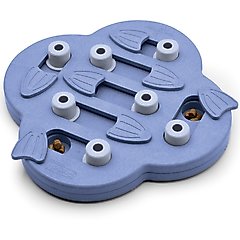
- Keep boredom at bay. Bored dogs may be more likely to investigate and nibble on things they shouldn’t. Plenty of exercise, playtime, puzzle toys, and other enrichment can help keep their attention away from your greenery.
Recommended Products

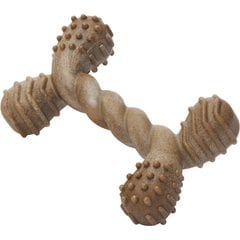
- Redirect their chewing. If your dog has a habit of munching on plants, offer something more appropriate to chew, such as a chew toy or long-lasting chew.
Recommended Products

FAQs About Snake Plants and Dogs
What happens if a dog eats a snake plant?
If your dog ate a snake plant, they may experience digestive upset, including vomiting, diarrhea, or loss of appetite. Most cases are mild, but it’s still a good idea to check in with your vet.
Are snake plants poisonous to dogs or just toxic?
Snake plants can be described as both poisonous and toxic to dogs. “Toxic” is a broader term that means the plant can cause harmful effects, while “poisonous” generally describes something that causes harm when eaten, inhaled, or absorbed. In veterinary resources, you’ll typically see snake plants described as toxic to dogs.
How much snake plant is dangerous for dogs?
There isn’t a set amount of snake plant that’s considered dangerous for every dog, as reactions can vary based on the amount eaten and the individual dog. Just to play it safe, contact your vet or a pet poison hotline if your dog eats any amount of snake plant, even if they aren’t showing symptoms yet.
Attributions