Hypothyroidism in Dogs: Signs, Causes, and Treatment

Photo by Chewy
Hypothyroidism in dogs is a common condition that occurs when the thyroid gland doesn’t produce enough thyroid hormone.
Located in the neck, the thyroid gland helps regulate your dog’s metabolism and energy levels, as well as many of their body’s normal functions. When thyroid levels are too low, dogs may tire easily, gain weight, and develop changes in their skin or coat.
Because these signs can also occur with other health conditions, knowing what to look for—and when to talk to your veterinarian—can help your dog get the care they need.
Key Takeaways
- Hypothyroidism develops when a dog’s thyroid gland doesn’t produce enough thyroid hormones, which help regulate metabolism and other body functions.
- Common signs of hypothyroidism include low energy, weight gain, skin and coat changes, and intolerance to cold.
- Hypothyroidism is diagnosed using a combination of clinical signs and thyroid hormone testing.
- Most dogs with hypothyroidism require lifelong thyroid hormone supplementation and can do well with appropriate treatment and monitoring.
What Is Hypothyroidism in Dogs?
The term “hypothyroidism” refers to low thyroid function. Hypothyroidism in dogs is a condition where the thyroid gland doesn’t make enough thyroid hormones to properly control the body’s metabolism and other essential functions.
What Causes Hypothyroidism in Dogs?
Most cases of hypothyroidism in dogs are caused by primary hypothyroidism, meaning the problem starts in the thyroid gland itself.
Common Causes
The two most common causes of hypothyroidism damage the thyroid gland and reduce its ability to produce enough thyroid hormone.
- Autoimmune disease: In the most common form of hypothyroidism, the immune system mistakenly attacks the thyroid gland. Over time, the resulting damage reduces thyroid hormone production. This condition is called lymphocytic thyroiditis.
- Thyroid gland degeneration: In some dogs, the thyroid gland gradually loses its normal function and can no longer produce enough thyroid hormone. The exact cause of this degeneration, known as idiopathic thyroid gland atrophy, isn’t fully understood.
Less Common Causes
Less commonly, hypothyroidism can develop for other reasons, including:
- Pituitary gland disease: The pituitary gland normally signals the thyroid to produce hormones. If it doesn’t function properly, the thyroid may not produce enough hormones. This is called secondary hypothyroidism.
- Congenital hypothyroidism: Some dogs are born with an underdeveloped or dysfunctional thyroid gland.
- Certain medications: Some medications can temporarily lower thyroid hormone levels without causing true hypothyroidism.
What Are the Signs of Hypothyroidism in Dogs?
Hypothyroid symptoms in dogs can develop gradually and may be subtle in the early stages. Common signs include:
- Low energy or lethargy
- Weight gain without eating more
- Tiring easily or a reluctance to exercise
- Increased sensitivity to cold
- Hair loss or a thinning coat, often on the trunk or sides of the body (not associated with itching)
- Dry, flaky, or thickened skin
- Recurrent ear or skin infections
- Slow hair regrowth after clipping or shaving
- Darker skin, particularly in areas of hair loss
- A dull or dry coat
- Changes in behavior, such as seeming less alert or engaged
- Slower heart rate
Many of these signs can occur with other health conditions as well. If your dog exhibits any signs of hypothyroidism, talk with your veterinarian about whether low thyroid levels could be contributing to their health issues.
What Dogs Are at Risk for Hypothyroidism?
Hypothyroidism in dogs typically develops in adult dogs 4–10 years old. Male and female dogs seem to be affected at the same rate, but the condition may occur more often in spayed or neutered dogs.
Dogs of any breed can develop hypothyroidism, including mixed breeds, but some breeds are more commonly diagnosed than others. Breeds with an increased risk include:
- Beagles
- Border Collies
- Boxers
- Cocker Spaniels
- Dalmatians
- English Setters
- Golden Retrievers
- Rhodesian Ridgebacks
- Siberian Huskies
Because the most common causes of hypothyroidism in dogs are believed to be passed on genetically, a family history of thyroid disease may make a dog more susceptible. In addition, some underlying illnesses and medications can affect thyroid hormones, although fluctuating levels don’t necessarily mean a dog has true hypothyroidism.
How Is Hypothyroidism in Dogs Diagnosed?
Hypothyroidism can be difficult to diagnose because many of its signs—such as weight gain, low energy, and skin and coat changes—can also be caused by other health conditions.
Your veterinarian will consider your dog’s symptoms, medical history, physical exam findings, and blood test results to make a diagnosis.
Blood tests may include:
- Total T4 (TT4): Measures the amount of thyroid hormone in the blood.
- Free T4 (FT4): Measures the amount of thyroid hormone that’s available for the body to use.
- Thyroid-stimulating hormone (TSH): Measures the hormone that tells the thyroid gland to produce thyroid hormone.
Because no single test can diagnose hypothyroidism on its own, veterinarians interpret these results alongside your dog’s symptoms and exam findings. If the results aren’t clear, additional testing may be recommended.
How Is Hypothyroidism in Dogs Treated?
Treatment for hypothyroidism in dogs focuses on replacing the thyroid hormone their body can no longer produce. Most dogs respond well to treatment and can go on to live normal, healthy lives.
Treatment typically includes:
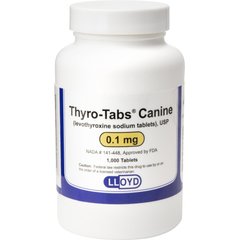
- Daily thyroid hormone replacement medication: Most dogs are prescribed levothyroxine, a synthetic form of the thyroid hormone thyroxine (T4). This medication is usually given by mouth every day and is typically needed for the rest of a dog’s life.
Recommended Product
- Regular monitoring: Your veterinarian will monitor your dog’s symptoms and thyroid hormone levels to make sure the medication is working. You may notice improvements in your dog’s energy within a few weeks, while skin and coat changes often take longer to improve.
- Follow-up blood tests: Blood tests are used to determine whether the medication dose is appropriate. Testing is often performed several weeks after starting treatment or adjusting the dose, then repeated periodically once thyroid hormone levels are stable.
Be sure to give your dog’s medication consistently and follow your veterinarian’s instructions about when and how to administer it. With the right treatment and ongoing monitoring, most dogs with hypothyroidism can enjoy a good quality of life.
Can Hypothyroidism in Dogs Be Prevented?
In most cases, hypothyroidism in dogs can’t be prevented. The most common forms develop due to changes in the thyroid gland. Because the underlying causes aren’t fully understood and may involve genetics, there is no reliable way to prevent its development.
Although you can’t prevent most cases, you can help protect your dog’s health by scheduling regular veterinary exams and paying attention to changes in their energy, weight, skin, coat, and behavior.
Hypothyroidism vs. Hyperthyroidism in Dogs
Hypothyroidism occurs when the thyroid gland produces too little thyroid hormone, slowing the body’s metabolism.
Hyperthyroidism, on the other hand, occurs when the thyroid gland produces too much thyroid hormone, increasing metabolism.
Hypothyroidism is relatively common in dogs, while hyperthyroidism is rare in dogs but more common in cats.
FAQs About Hypothyroidism in Dogs
What are the first signs of hypothyroidism in dogs?
Early signs of hypothyroidism in dogs include low energy, weight gain, tiring easily, and increased sensitivity to cold. Skin and coat changes, such as hair loss and dry skin, may also develop.
Can hypothyroidism in dogs be cured?
Hypothyroidism in dogs generally can’t be cured, but it can be managed with daily thyroid hormone medication. With consistent treatment and monitoring, most dogs can still enjoy a good quality of life.
How long can a dog live with hypothyroidism?
With proper treatment, dogs with hypothyroidism typically have a normal life expectancy.
What happens if hypothyroidism in dogs goes untreated?
Untreated hypothyroidism can lead to worsening symptoms and other health complications, such as chronic skin and ear infections. In rare, severe cases, it can progress to myxedema coma, a potentially life-threatening condition.
Can hypothyroidism cause behavior changes in dogs?
Yes. Hypothyroidism can cause dogs to become less active, lethargic, or less interested in activities they previously enjoyed.
Attributions