Ear Mites in Dogs: Signs, Causes, and How To Help Your Pup

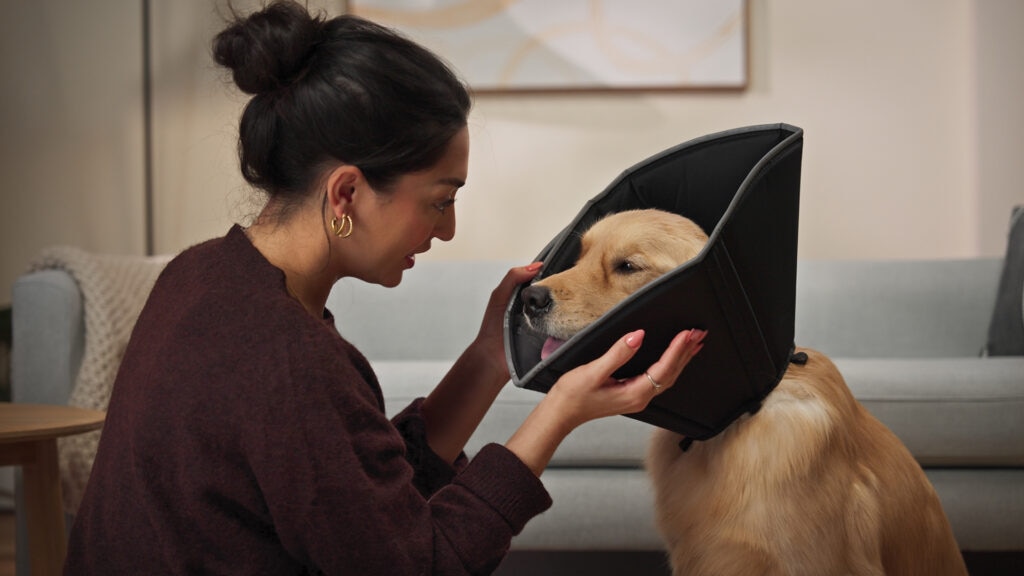
Photo by Chewy
If you’ve noticed a thick, dark discharge in your dog’s ears along with constant scratching or itching, your dog may have ear mites—highly contagious parasites that can cause significant pain and discomfort.
If you suspect your dog may have ear mites, call your veterinarian as soon as possible. Ear mites won’t go away without proper treatment.
Key Takeaways
- Ear mites are highly contagious parasites that cause itching, discharge, and discomfort in dogs and always require veterinary treatment.
- Symptoms of ear mites in dogs can mimic ear infections, so a veterinarian must confirm the diagnosis.
- Dogs commonly get ear mites through contact with other animals or contaminated items, and other pets in the household usually also need treatment.
- Prescription medications and daily ear cleaning can eliminate ear mites and help prevent complications, such as secondary infection or, in rare cases, hearing loss.
- Most dogs recover within a few weeks, and ongoing prevention helps reduce future risk.
What Are Ear Mites in Dogs?
Ear mites in dogs are microscopic parasites that live in the ear canals and surrounding skin. They are most commonly found in puppies and dogs who spend a lot of time outdoors, as well as dogs who are in frequent contact with other animals, such as those in boarding facilities or shelters.
Dog ear mites, or Otodectes cynotis, cause itching and redness and always require treatment. If left untreated, secondary bacterial infections and hearing loss can occur.
Signs of Ear Mites in Dogs
If your dog has ear mites, you may notice:
- Frequent scratching of the ears
- Head shaking
- Thick, dark ear discharge that resembles coffee grounds
- Painful or sensitive ears (your dog may resist having them touched)
- Ear odor
- Head tilt
- Hair loss around the ears and eyes
- Decreased appetite
- Lethargy
What Do Ear Mites Look Like?
Ear mites are microscopic, meaning they are barely visible to the naked eye.
Most pet parents won’t actually see the mites—which are tiny and white—but will notice the “coffee-ground” debris they leave behind in the ear canals.
How Do Dogs Get Ear Mites?
Dogs most commonly get ear mites through direct contact with infected animals, including other dogs, cats, or other species, or through contaminated items.
Dogs can get ear mites from:
- Contaminated bedding, blankets, furniture, or toys
- Playing with other dogs or cats
- Contact with other infected pets, such as ferrets, or exposure to wildlife like foxes
- Spending time in places with other animals, such as boarding facilities, grooming salons, or shelters
Because ear mites spread easily, if one pet in the household is diagnosed, other pets are highly likely to become infected as well.
How Vets Diagnose Ear Mites in Dogs
If you notice your dog has abnormal ear discharge or red, itchy ears, schedule a veterinary appointment as soon as possible.
Bacterial ear infections can cause symptoms similar to ear mites, so it’s important to distinguish between the two, as the treatments are different.
Your veterinarian will check your dog’s ears and collect a small sample of any debris from inside the ear canal. This sample is examined under a microscope to look for live ear mites or their eggs.
If left untreated, your dog has an increased risk for secondary bacterial infections, due to excessive scratching that damages the skin and allows bacteria to enter. Hearing loss is also a risk, since infections can lead to severe inflammation that spreads to inner parts of the ear. Always see your dog’s veterinarian as soon as possible if you suspect ear mites.
Never treat ear issues on your own without consulting a vet.
How To Get Rid of Ear Mites in Dogs
Your vet will recommend thoroughly cleaning your dog’s ears daily with a veterinary ear cleanser, such as KlearOtic Ear Cleanser or EpiKlean Ear Cleanser, to remove debris during treatment.
Recommended Products


Your veterinarian will also prescribe medication to eliminate the mites. This may include:
- Topical anti-parasite medications, such as Advantage Multi, applied between the dog’s shoulder blades.
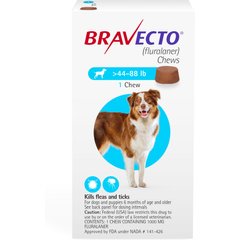
- Oral medications, such as Bravecto, given by mouth.
Recommended Products

A single course of treatment is usually sufficient to eliminate the ear mites from your dog, but always follow your vet’s instructions. If your dog is very uncomfortable, a veterinarian may prescribe an anti-inflammatory medication, such as prednisone, in select cases to help reduce itching and inflammation during treatment.
Recommended Product

You should also wash all bedding, blankets, and toys your dog has come into contact with in hot water, since ear mites can live on linens for a few days when they fall off your pet. Continue to regularly wash linens every couple of days as long as your dog is being treated.
Vacuum carpets and furniture daily to help reduce environmental contamination. Be sure to empty the vacuum canister and clean it thoroughly with hot water and soap. If you are using disposable vacuum bags, seal them and dispose of them promptly.
Because ear mites spread easily, your veterinarian will likely recommend treating all pets in the household if one is diagnosed.
Recovery for Dogs With Ear Mites
It usually takes three to four weeks to get rid of ear mites. Make sure to give all medications exactly as prescribed.
Your dog may benefit from wearing a recovery cone, such as the All Four Paws Comfy Cone E-Collar for Dogs & Cats, to prevent excessive scratching that could cause more inflammation and pain.
Recommended Product

During recovery, wash bedding every two to three days and rotate blankets and beds as they are laundered. Try a cozy blanket like the Frisco Plush Cat & Dog Throw Blanket in Leopard Heart Paws and a comfortable washable bed like the Frisco Long Faux Fur Donut Cat & Dog Bed.
Recommended Products


How To Prevent Ear Mites in Dogs
Keeping your dog on monthly flea and tick medication can help prevent ear mites. These are the same products, such as Advantage Multi and Bravecto, that veterinarians commonly use to treat ear mites.
Check your dog’s ears regularly for redness, debris, or unusual discharge, and contact your veterinarian promptly if you notice changes.
Cleaning your dog’s ears once weekly can also help. Products, such as KlearOtic Ear Cleanser or EpiKlean Ear Cleanser, are appropriate for routine maintenance.
FAQs About Ear Mites in Dogs
How can you get rid of ear mites in dogs?
Getting rid of ear mites in dogs requires prescription treatment from a veterinarian. Medications come in topical and oral forms.
Can I treat ear mites without going to the vet?
No. Ear mites in dogs cannot be reliably eliminated without treatment by a veterinarian.
What kills ear mites on dogs fast?
Prescription flea and tick medications eliminate ear mites on your dog, but treatment typically takes three to four weeks to fully resolve the infestation.
Can ear mites in dogs affect humans?
Ear mites in dogs can occasionally cause itchiness and skin rashes in people, but this is rare. Ear mites prefer animal hosts and do not typically infest humans.