How To Pick a Dog Cone for Your Pup


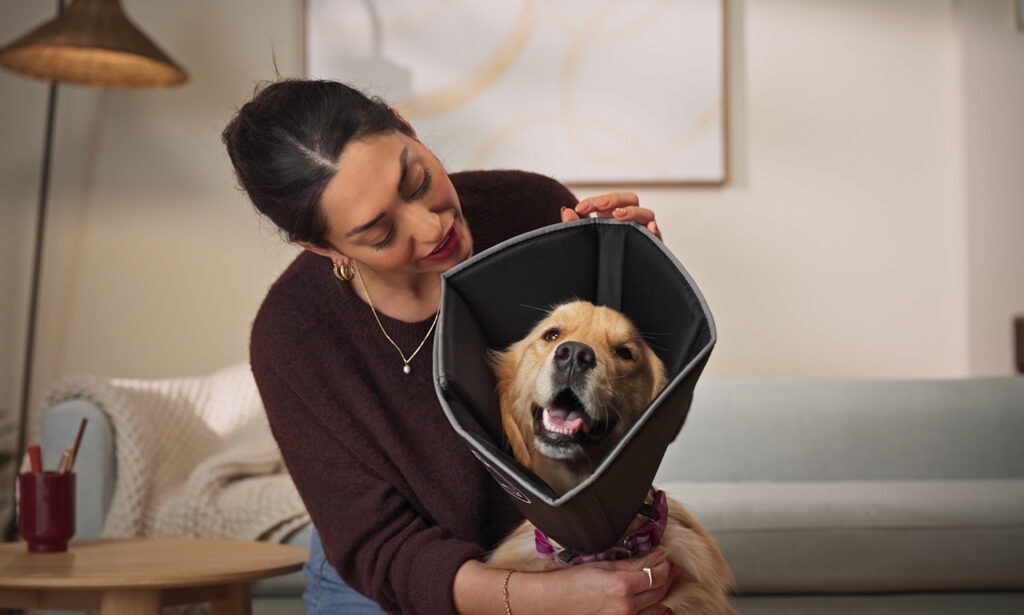
Photo by Chewy
Most pet parents have heard of the “cone of shame.” While dog cones may look a little funny, they play an important role in helping your dog heal safely and comfortably.
Here’s how to pick the best dog cone for your pup and how to keep them comfortable in it.
Key Takeaways
- A dog cone prevents the licking, chewing, and scratching of injuries, wounds, and stitches.
- Dog cones are also called Elizabethan collars or recovery cones.
- There are inflatable, soft, and traditional plastic dog cone options to choose from.
- The right size and fit matter for comfort and healing.
- Most dogs wear cones for seven to 14 days, depending on their condition.
What Is a Dog Cone?
A dog cone—also known as an Elizabethan collar, recovery collar, or recovery cone—is a protective collar placed around a dog’s neck to stop them from licking, chewing, or scratching certain areas of their body.
Dogs may need a dog cone for several reasons:
- To heal after a surgery, like a spay or neuter
- To prevent licking hot spots
- To protect wounds or stitches
- To stop scratching, like when they have an ear infection
- To prevent chewing when skin allergies flare-up
Keeping your dog’s stitches, wounds, or sensitive skin safe from chewing or licking reduces the chance of infection and helps with proper wound healing.
Types of Dog Cones
There are several types of cones for dogs, and the best one depends on your dog’s condition and personality.
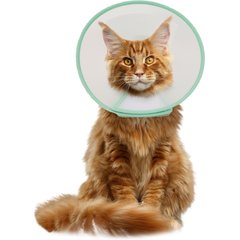
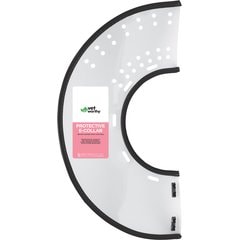
Plastic Recovery Cone
Also called an Elizabethan collar, this dog cone collar is the classic plastic cone.
Plastic recovery cones are often recommended for major surgeries or for dogs who are very determined to lick, chew, or scratch.
Pros:
- Provides the highest level of protection
- Offers full coverage to prevent access to most wounds
- Typically the most affordable option
Cons:
- Bulky and may bump into walls or furniture
- Can make eating, drinking, or navigating tight spaces more difficult
Recommended Products
Soft Recovery Cone
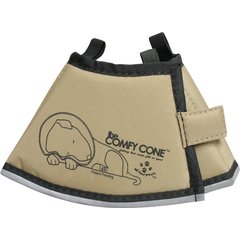
A soft dog cone is made of flexible fabric or padded material.
These cones are often recommended for minor skin issues or for dogs who are calmer and less likely to forcefully lick or scratch.
Pros:
- More comfortable for sleeping and daily movement
- Lighter weight than traditional plastic cones
- Less intimidating for anxious dogs
Cons:
- May fold or bend, allowing determined dogs to reach certain areas
- May not provide enough protection after major surgery
Recommended Products

Inflatable Recovery Cone
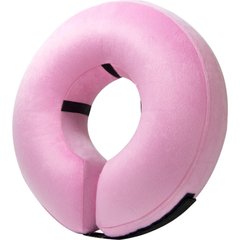
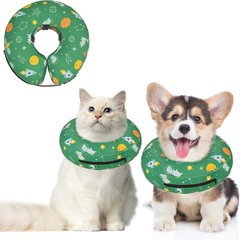
Often called a donut cone or dog donut collar, this cone looks a bit like a travel pillow for your pup.
Inflatable recovery cones are often recommended for mild injuries or for dogs who need more comfort and better visibility while recovering.
Pros:
- Allows better peripheral vision than traditional plastic cones
- More comfortable for sleeping and resting
- Less likely to bump into walls or furniture
Cons:
- Does not provide full-body coverage
- Some dogs can still reach paws, tails, or lower legs
Recommended Products
Recovery Clothing
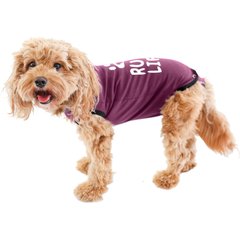
While not technically a cone, many pet parents choose recovery clothing instead of a cone because it allows more freedom of movement and reduces neck restriction.
Recovery clothing is often recommended for abdominal or spay/neuter incisions when full-body coverage is needed.
Pros:
- Provides full-body coverage for abdominal incisions, such as spay/neuter surgeries
- Allows normal eating, drinking, and sleeping without a collar
- Keeps the neck area free from restriction
Cons:
- Must fit properly to prevent slipping or rubbing
- Not suitable for wounds on the face, ears, or lower legs
Recommended Products

How To Pick the Best Dog Cone for Your Dog
Choosing the right dog cone depends on your dog’s size, shape, and what’s going on with their health. Follow these steps to pick the best option:
- Confirm your dog’s needs with your veterinarian. Ask what level of protection is required based on the surgery or injury.
- Measure for proper length. The dog cone should extend just past your dog’s nose. If it’s too short, your pup can still reach the injury. If it’s too long, it may interfere with eating or walking.
- Consider the location of the wound. Facial, ear, or lower-leg injuries often require full coverage from a traditional plastic cone, while abdominal incisions may work with recovery clothing.
- Assess your dog’s determination level. Dogs who aggressively lick or chew typically need a more rigid option, such as a plastic recovery collar.
- Factor in comfort and fit. Make sure the cone fits snugly around the neck (you should be able to fit two fingers underneath) and allows your dog to eat, drink, and rest safely.
If your dog had major surgery, your veterinarian may recommend a traditional plastic recovery collar. For minor skin irritation, a soft dog cone or inflatable dog collar may be enough.
Always follow your veterinarian’s advice and do not remove the cone permanently until your vet confirms it’s safe to do so.
How To Put on a Dog Cone
Understandably, your dog might not be thrilled for you to put a cone around their neck, but there are ways to make it easier for them.
Positive reinforcement—dog treats and praise—can help your dog associate the cone with something positive.
Follow these steps to put on a dog cone safely:
- Stay calm and reassuring. Speak in a gentle voice and avoid sudden movements.
- Introduce the cone first. Let your dog sniff it and offer a small treat to create a positive association.
- Position the cone carefully. Slide it over your dog’s head slowly, ensuring ears are comfortably inside the opening.
- Secure the fit. Fasten the cone snugly but not tightly. You should be able to fit two fingers under the collar.
- Attach it to your dog’s regular collar if designed to do so. Some cones thread through your dog’s everyday collar for added security.
- Reward immediately. Offer praise and another treat once the cone is properly secure.
You can use small, high-value training treats to make the process easier for your pup. Favorites include:
Recommended Products




How To Keep Your Dog Comfortable in a Cone
Most dogs wear dog cones for one to two weeks, depending on the type of surgery or injury and your veterinarian’s guidance. Follow these steps to keep your dog comfortable during recovery:
- Keep the cone on as directed. Dogs can sleep safely in a cone, and most adjust within a day or two. Do not remove the dog cone unless your veterinarian tells you it’s safe to do so.
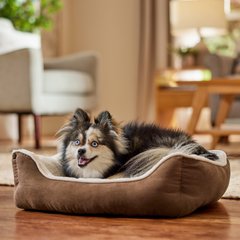
- Create a cozy resting space. Provide a supportive, soft bolster bed and a comfortable blanket to help your dog rest more easily.
Recommended Products

3. Supervise meals if removing the cone. If your vet approves brief removal for eating, monitor your dog closely to prevent licking or scratching. Immediately replace the cone once your dog has finished eating.
4. Clean the cone regularly. Wash it with mild soap and water if it becomes dirty from food or drool to help prevent skin irritation.
5. Monitor the wound closely. Make sure your dog is not bothering stitches or irritated skin. Consider keeping a backup cone available while cleaning the primary one.
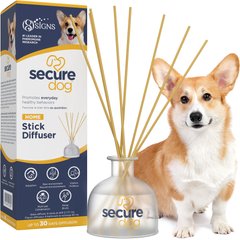
6. Address stress if needed. If your dog seems anxious, talk to your veterinarian. With approval, you may try calming treats or a calming diffuser to help them relax.
Recommended Products

FAQs About Dog Cones
What can you use instead of a cone for a dog?
If you don’t want to use a traditional plastic cone, you may be able to use a soft cone, a donut cone, or recovery clothing. Ask your vet which choice is right for your dog.
Can dogs sleep with a cone on?
Yes. Most dogs sleep safely and comfortably while wearing a dog cone. They may need a day or two to adjust.
How many days can a dog wear a cone?
Most dogs wear cones for one to two weeks, depending on healing time and your vet’s advice.
Attributions
This article was created with assistance from AI tools. The content has been reviewed for accuracy and edited by a human.