Parvo in Dogs: Causes, Treatment, and Prevention

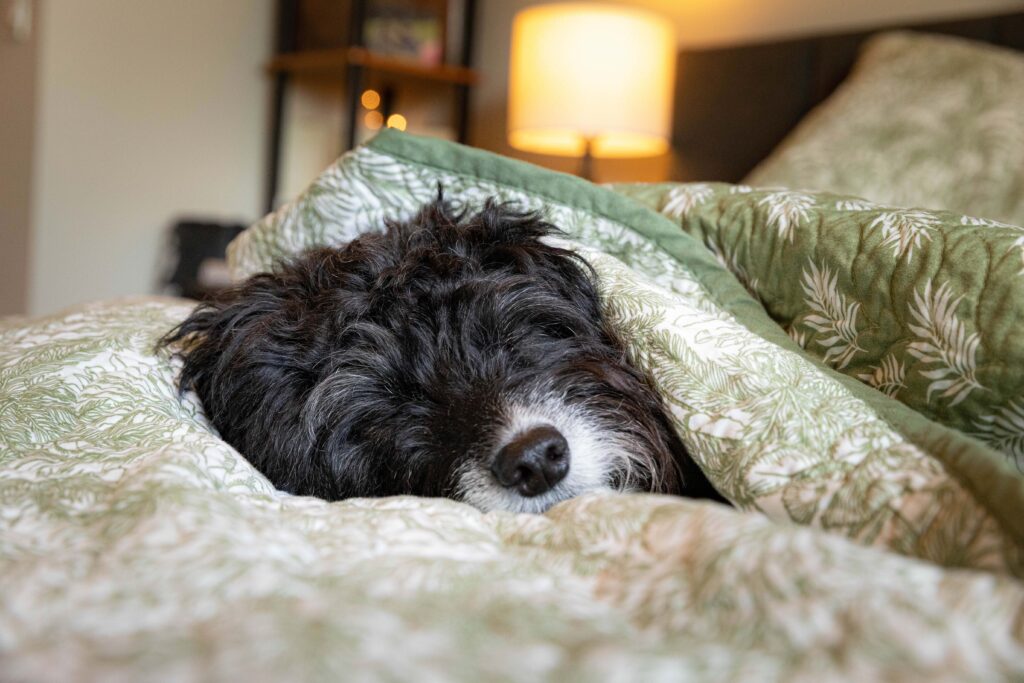
Photo by Chewy
Parvovirus in dogs is a highly contagious and potentially fatal virus in dogs. It mostly affects puppies and unvaccinated dogs.
Recognizing symptoms and getting early treatment can save your dog’s life.
Key Takeaways
- Parvovirus in dogs is a highly contagious virus that is often fatal without treatment.
- With quick veterinary care, most dogs can recover from parvovirus.
- Signs of parvo in dogs include vomiting, diarrhea that’s often bloody, loss of appetite, fatigue, dehydration, and fever.
- Parvo can survive on many surfaces or in soil for years, so it’s impossible to avoid.
- The vaccine for parvovirus in dogs is safe and effective, and your veterinarian can help you determine the right schedule for your dog.
What Is Parvo in Dogs?
Parvo, short for canine parvovirus type 2 (CPV-2), is a highly contagious and potentially deadly virus that affects dogs—especially unvaccinated puppies.
Parvo attacks the gastrointestinal tract and immune system, leading to vomiting, diarrhea, and dehydration. In very young puppies, it can also damage the heart muscle. The virus spreads through infected feces and can survive on surfaces or in soil for months.
Without treatment, most dogs don’t survive parvo. But in one study, more than 86% of dogs survived, and the chances of survival increased to more than 96% after five days of treatment.
What Are the Signs of Parvo in Dogs?
Signs of parvovirus typically appear within 7–14 days after infection and get worse quickly. Common symptoms include:
- Severe, often bloody diarrhea
- Vomiting
- Loss of appetite
- Lethargy, depression, and weakness
- Dehydration (dry gums, for example)
- Fever
- Abdominal pain
Signs and Symptoms of Parvo in Puppies
Parvo is even more serious in very young puppies (those under 6 weeks old). While puppies may have similar symptoms to other dogs, their heart muscle can also be infected with parvovirus, which can lead to congestive heart failure. They may die without warning if the damage to their heart is especially severe.
What Causes Parvo in Dogs?
Parvovirus spreads through the fecal-oral route. This means an infected dog sheds the virus in their poop, and another dog picks it up through the mouth—often without anyone noticing.
Here’s how dogs commonly get exposed:
- Licking contaminated paws or fur after walking through infected areas
- Putting items that touched infected feces (like toys or water from shared bowls) in their mouths
- Picking up the virus at high-risk places like kennels, shelters, dog parks, or grooming salons
- People bringing the virus inside on shoes, clothing, or hands
Parvo is extremely tough to kill. It can survive for months—even years—on surfaces, in soil, or indoors. That means a dog can be exposed almost anywhere, even in clean-looking environments.
How Do Vets Diagnose Parvo in Dogs?
If your dog shows any combination of vomiting, diarrhea (especially bloody), lethargy, or loss of appetite, contact a veterinarian immediately for guidance.
Parvo is a veterinary emergency, especially if your dog is younger than 6 months old or isn’t fully vaccinated. Time is critical—the sooner treatment begins, the better your dog’s chances of survival.
Vets diagnose parvo using:
- A physical exam
- An in-house fecal test that detects viral particles in a stool sample (results are usually available in 20 minutes or less)
- Your dog’s vaccination and health history
- Blood work
- X-rays
- Fecal parasite examination
How Is Parvo Treated in Dogs?
Treatment for parvovirus will focus on helping your dog’s body fight the infection. Your veterinarian will likely recommend:
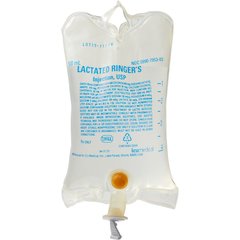
- Hospitalization for monitoring and IV fluid therapy: Dogs typically do best when receiving IV fluids to combat dehydration, maintain blood pressure, and correct electrolyte imbalances and low blood sugar levels. If hospitalization is not possible, dogs may be treated as outpatients and receive subcutaneous fluids, like ICU Medical Lactated Ringer’s Electrolyte Injection Solution.
Recommended Product
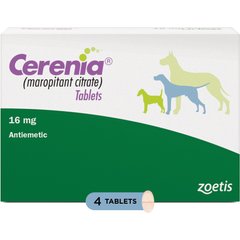
- Medications to control vomiting, like Cerenia, which allow dogs to start drinking, eating, and taking oral medications sooner than they would have otherwise.
Recommended Product
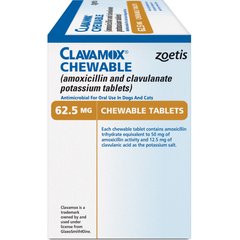
- Antibiotics for dogs who have or are at high risk for secondary bacterial infections: Injectable antibiotics may be switched to oral ones (such as Clavamox) once vomiting is controlled.
Recommended Product
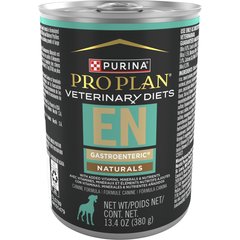
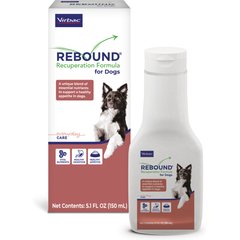
- Rapid nutritional support: Certain foods are formulated to help a dog’s recovery, like Purina Pro Plan Veterinary Diets EN Gastroenteric Naturals Wet Dog Food and Virbac Rebound Recuperation Formula for Dogs. Some nutritional support options may require a feeding tube. Ideally, a dog should start receiving nutrition within 12 hours of treatment starting.
Recommended Products
- Advanced therapies: These may include canine parvovirus monoclonal antibody (CPMA, now called Trutect) that attach to and disable the virus, as well as blood or plasma transfusions that replace proteins, fluid, and oxygen-carrying capacity as a dog recovers.
It’s important to note that dogs must be treated for parvo. Without treatment, the disease is often fatal.
How Much Does It Cost To Treat Parvo?
Parvo treatment costs can range from $400 for outpatient care for a mildly affected dog to $5,000 or more if a dog requires hospitalization and advanced treatment.
Where you live also matters, as some cities like New York, Chicago, and Los Angeles may be more costly than smaller cities.
How To Care for a Dog Recovering From Parvo
Dogs who are recovering at home require special care:
- Monitor your dog closely and contact your veterinarian immediately if you notice new or concerning symptoms.
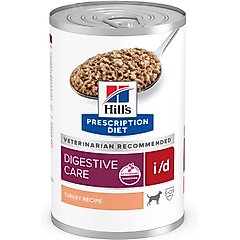
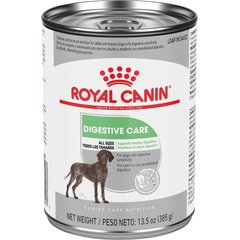
- Follow your vet’s guidance on medications and food. For example, your vet may recommend a highly digestible diet while your dog’s intestinal tract is healing. Hill’s Prescription Diet i/d Digestive Care with Turkey Wet Dog Food and Royal Canin Canine Care Nutrition Digestive Care Loaf in Sauce Canned Dog Food are vet-recommended options.
Recommended Products
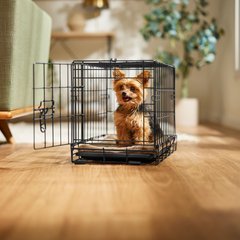
- Separate your dog from other dogs. Infected dogs can shed the virus for up to a month, even if they have no symptoms. An isolation period of 14 days after recovery is standard, but your vet will tell you for sure. Offer your pup a comfortable crate, like the Frisco Fold & Carry Single Door Collapsible Wire Dog Crate paired with a Frisco Durable Crate Mat, or keep them in an easy-to-clean room. Take them to a single location outside to poop, clean it up immediately, and wash your hands afterward.
Recommended Products

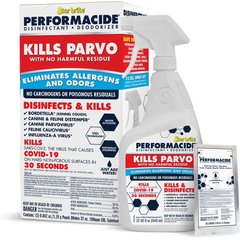
- Keep areas clean and sanitized. Use a disinfectant that kills the virus, like Performacide Kills Parvo Disinfectant & Deodorizer Kit, wherever possible.
Recommended Product
How To Prevent Parvo in Dogs
Vaccination is the safest and most effective way to protect dogs from parvo.
A typical vaccination schedule for puppies looks like this:
- First vaccine at 6–8 weeks old
- Parvo injections every two to four weeks until they are over 16 weeks of age
- A booster at their first annual checkup around 1 year old
A typical vaccination schedule for adult dogs looks like this:
- Two parvo vaccinations roughly three weeks apart for adult dogs with an unknown vaccination history
- Boosters every three years (or they can have their immunity checked with vaccine titer testing)
While rare, parvo in dogs with vaccinations can occur, particularly if the dog is not yet fully vaccinated.
FAQs About Parvo in Dogs
Can a dog survive parvo?
Yes, most dogs can survive parvo with swift veterinary treatment that often requires hospitalization. The sooner treatment begins, the better the chance of survival.
What are the first signs of parvo in dogs?
The first signs of parvo in dogs typically include lethargy, loss of appetite, diarrhea, and vomiting. Seek emergency veterinary care if your puppy or unvaccinated dog has these symptoms.
How many shots do puppies need for parvo?
Puppies usually need three to four parvo vaccines. Your vet can recommend the best vaccination schedule for your dog.
Can a fully vaccinated puppy get parvo?
Yes, fully vaccinated puppies can get parvo, but it’s rare and cases are typically milder.
How much do parvo shots cost?
Parvo shots typically cost $20–$50 when given as part of a combination vaccine that also protects against other diseases. Low-cost clinics may be less expensive, while larger cities may charge more.
At what age is a dog safe from parvo?
Puppies are considered safe from parvo after completing their full vaccination series at 16 weeks old. Adult dogs need to stay current on vaccines to maintain lifelong immunity.