Dog Skin Allergies: Causes, Signs and Treatment


Photo by EyeEm Mobile GmbH/iStock/Getty Images Plus
Is your dog itching frequently or losing fur? If so, they may have skin allergies that need to be addressed. Skin allergies in dogs cause extreme discomfort and can lead to secondary infections if left untreated. If you think your dog may have skin allergies, it’s time to see a veterinarian for an accurate diagnosis.
Dog skin allergies can be treated with oral medications, injections, topical therapies, and diet changes to improve your dog’s quality of life and reduce unwanted symptoms.
Key Takeaways
- Skin allergies in dogs are most commonly caused by food, environmental allergens, or fleas.
- Dog skin allergies may cause intense itching, hair loss, and/or a musty skin odor.
- A veterinarian diagnoses skin allergies using a combination of a physical exam, a thorough history, and diagnostic testing.
- Dogs with skin allergies may benefit from oral or topical medications, a diet change, and/or injections to relieve symptoms and improve quality of life.
What Are Dog Skin Allergies?
Skin allergies occur when a dog’s immune system overreacts to a specific allergen, causing intense itching, inflamed skin, and frequent ear infections. Most commonly, dogs are allergic to a food ingredient, an environmental allergen, such as pollen or dust, or fleas.
Because dogs with allergies frequently itch and scratch their skin, the skin’s normal protective barrier becomes disrupted, allowing bacteria and yeast that normally live on the skin to enter and cause secondary infections as well.
Signs of Skin Allergies in Dogs
Signs your dog may have skin allergies include the following:
- Frequent itching and scratching
- Red, inflamed skin and ears
- Small, red skin bumps
- Fur loss
- Musty skin odor
- Thick ear discharge
- Biting or chewing the paws
- Brown fur discoloration
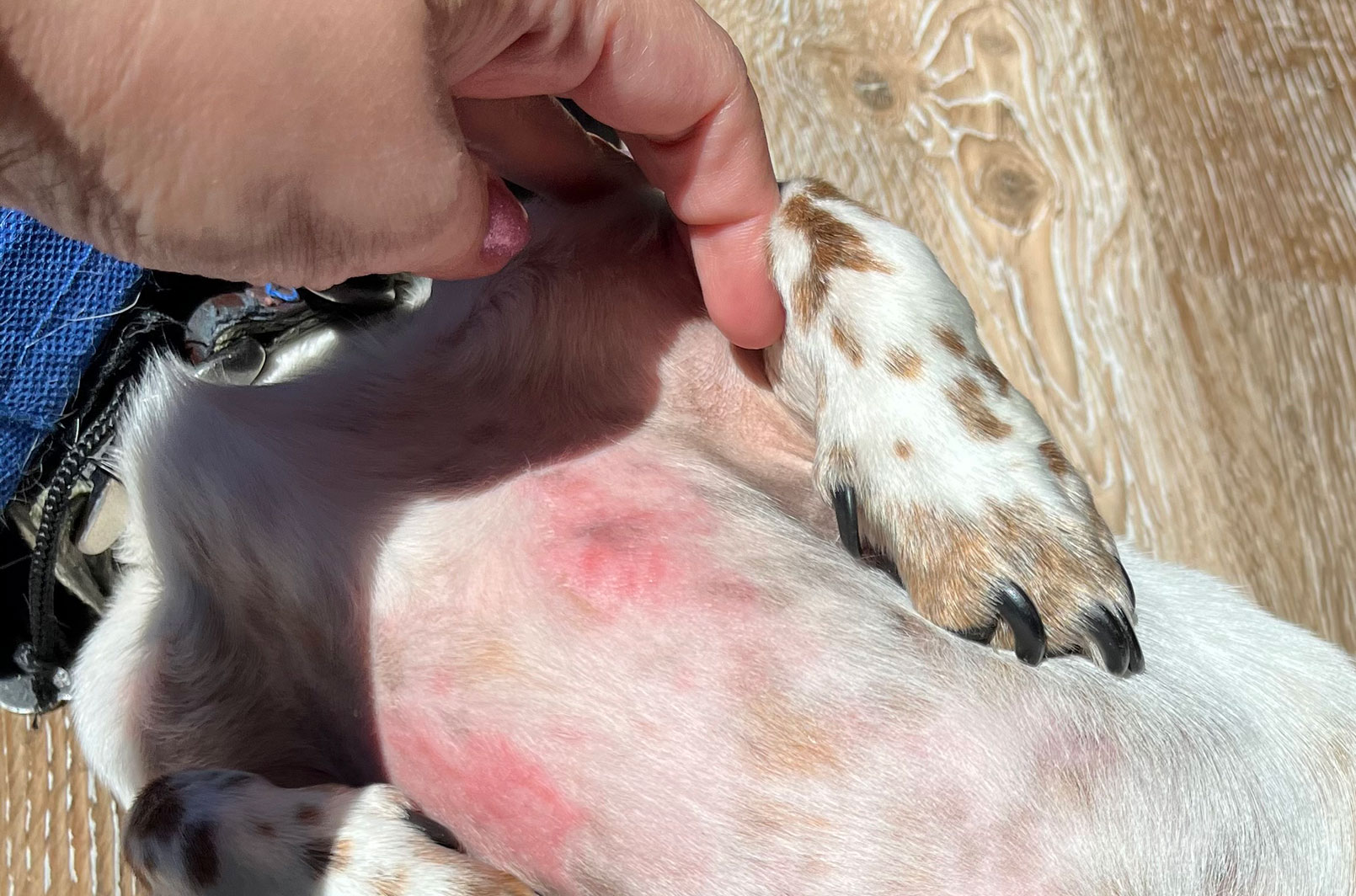
Photo by Jaclyn Vernace/iStock/Getty Images Plus
Causes of Skin Allergies in Dogs
Skin allergies are most commonly caused by one of three things: environmental allergens, fleas, or food. Let’s discuss each of these in more detail.
Environmental Allergens
Environmental allergens, such as dust, pollen, or grass, can cause itchy, inflamed skin in dogs. The belly, groin, and paws are most commonly affected. Also referred to as atopic dermatitis, environmental allergies can be seen year-round but typically occur seasonally in the spring and fall.
Fleas
Dogs can develop allergies to flea saliva, known as flea allergy dermatitis. This means when a flea bites, a dog’s immune system overreacts, triggering a hypersensitivity reaction. Intense itching, especially around the tail base and back legs, can develop alongside scabs and bumps.
Food
Dogs can develop allergies to specific ingredients in their food, namely the protein. Chicken is the most common allergen, but dogs may also be allergic to beef, dairy, or wheat. Food allergies in dogs commonly affect the “ears and rears,” which means affected dogs have itchy skin and fur loss near their tails and frequent ear infections.
How Do Vets Diagnose Dog Skin Allergies?
Diagnosing skin allergies starts with a complete physical exam and thorough history. A veterinarian will check your dog’s skin and fur thoroughly for irritation, bumps, hair loss, and parasites, such as fleas. They’ll also ask questions to learn when symptoms began, if your dog is up to date on parasite prevention, and what environmental exposures they’ve recently had.
Because skin allergies cause similar symptoms to other medical conditions, the veterinarian will perform additional diagnostic testing for an accurate diagnosis, which can include:
- Blood work: A small sample of blood is taken from your dog to check their overall health, including blood cell counts and internal organ function. This test is useful to rule out other medical conditions, such as hypothyroidism or Cushing’s disease, that can cause similar skin symptoms.
- Skin cytology: A swab or clear tape is used to collect skin cells, which are added to a glass slide. The sample is viewed under the microscope to look for yeast and bacteria that could indicate an infection. Often, dogs with allergies have secondary skin infections.
- Skin scrape: A dull blade is used to gently scrape skin cells from your dog. The sample is added to a drop of oil and viewed under a microscope to rule out skin mites, which can cause similar symptoms as allergies.
- Intradermal skin testing: Your dog is sedated and a rectangular patch of fur on their side is shaved. The veterinarian will inject small amounts of allergens just underneath the skin and note any reactions that would indicate an allergy.
- Diet trial: If a food allergy is suspected, your veterinarian may prescribe a special diet that you would feed your dog for eight to 12 weeks to see if symptoms resolve.
Treatment of Skin Allergies in Dogs
Dog skin allergies treatment focuses on improving symptoms and treating the underlying cause. There are numerous treatment options available, including oral medications, injections, topicals, and diets.
Oral Medications
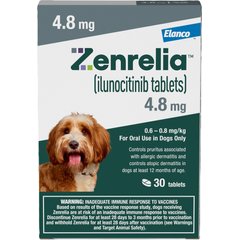
Common oral medications that are prescribed for dogs with skin allergies to reduce itching and inflammation include:
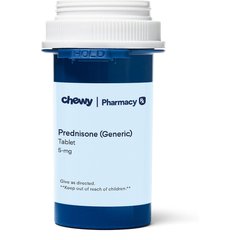
- Corticosteroids, such as prednisone
Recommended Product
Recommended Products
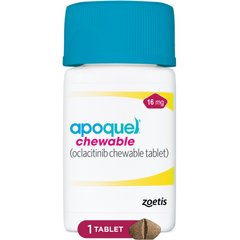
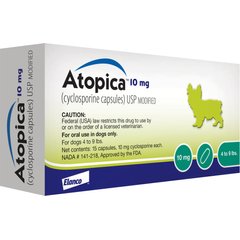
- Immunosuppressants, such as Atopica
Recommended Product
- Antihistamines, such as hydroxyzine
Recommended Product
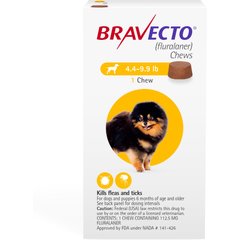
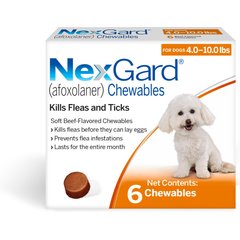
Parasite prevention, such as Bravecto or NexGard, are necessary to eliminate fleas that are causing allergies. In general, dogs should be kept on year-round parasite prevention to reduce their risk for external parasites.
Recommended Products
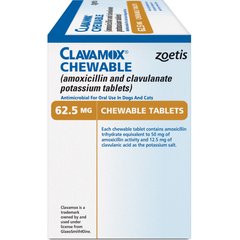
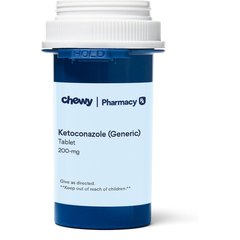
Oral antibiotics, such as Clavamox, may be needed to treat secondary bacterial infections, while antifungals, such as ketoconazole, are often given to treat skin yeast infections.
Recommended Products
Injectable Medications
Certain injections are available to treat allergies which include the following:
- Monoclonal antibodies, such as Cytopoint, to stop itching
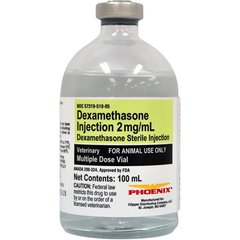
- Corticosteroids, such as dexamethasone, to reduce inflammation and itching
- Immunotherapy (commonly referred to as allergy shots) to desensitize your dog to allergens
Recommended Product
Topicals
There are various topical treatments for dogs with skin allergies, which can include:
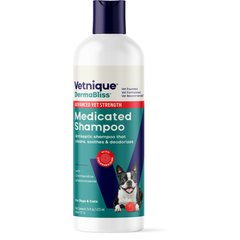
- Medicated shampoos, such as Vetnique DermaBliss Medicated Shampoo, to soothe skin and reduce secondary infections
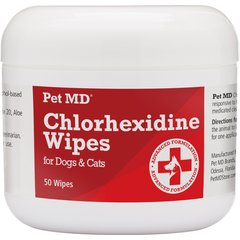
- Chlorhexidine wipes to remove allergens from the skin and paws
- Medicated sprays, such as VetOne GenOne Gentamicin/Betamthasone Spray, to treat inflammation, reduce itching, and moisturize the skin
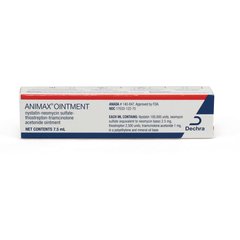
- Skin creams, such as Animax, to treat secondary skin or ear infections
Recommended Products

Diet and Supplements
Certain diets and supplements may benefit dogs with skin allergies.
Dog foods for skin allergies are specially formulated to support your dog’s natural skin barrier or to reduce sensitivity to allergens.
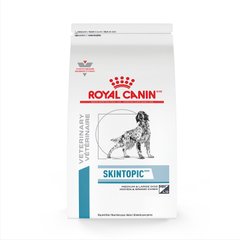
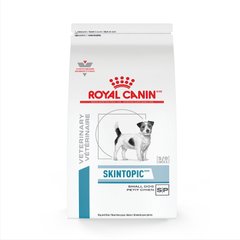
For example, Royal Canin Skintopic is a therapeutic diet formulated to manage itchiness, soothe and nourish the skin, and support the skin’s natural protective barrier. Available with authorization from your vet, it comes in a variety of formulations to suit your dog’s unique needs:
Recommended Products

For food allergies, diet options include:
- Hydrolyzed diets, such as Royal Canin Veterinary Diet Hydrolyzed Protein HP, contain proteins that have been broken down to prevent a dog’s immune system from overreacting to them and causing allergy symptoms.
- Novel protein diets, such as Royal Canin Veterinary Diet Selected Protein PD, are formulated with new protein sources, such as duck or rabbit, that a dog’s immune system wouldn’t have prior exposure to. This eliminates the risk of a reaction.
Recommended Products


Omega-3 fatty acid supplements, such Triglyceride OMEGA, may also help protect the skin barrier.
Recommended Product

Dog Skin Allergies FAQs
When should I take my dog to the vet for skin allergies?
If you notice your dog is itching, losing fur, or has a bad odor, you should schedule a veterinary appointment. Because skin allergies and other medical conditions can look similar, it is important to get an accurate diagnosis. Your vet can provide appropriate treatment to help your dog feel better.
How can I treat my dog’s skin allergies at home?
Using oatmeal-based dog shampoos and pet-safe wipes to remove allergens from your dog’s fur and soothe their skin can be helpful. Over-the-counter medications, such as Zyrtec or Claritin, may be used for dogs with allergies, but you should always consult a veterinarian prior to giving your dog any medications
How do you treat severe skin allergies in dogs?
Treating severe skin allergies in dogs often requires a combination of prescription oral and topical medications, injections, and potentially a diet change. Your veterinarian can advise you on the best treatment approach and how often follow-up care is needed to ensure your dog’s allergies are managed.
What do skin allergies in dogs look like?
Skin allergies in dogs can cause itchy and inflamed skin, fur loss, a musty skin odor, and/or red bumps. Often, dogs with skin allergies have frequent ear infections that result in thick, dark ear discharge too.