Why Is My Dog Coughing? Common Causes and When To Call a Vet

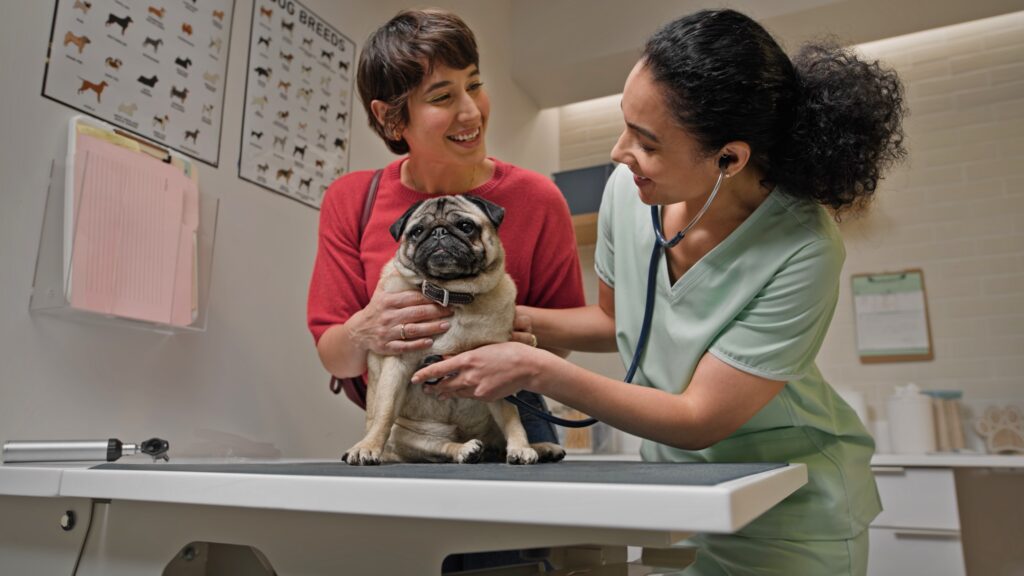
Photo by Chewy
If your dog starts hacking out of the blue, it can be concerning—especially if the cough starts suddenly or sounds unusual. You might find yourself wondering, “Why is my dog coughing?”
Coughing in dogs can be caused by anything from mild irritation or allergies to infections, heart disease, or other serious health issues. Here’s what could be behind your dog’s cough, how to help, and when it’s time to call your veterinarian.
Key Takeaways
- Dog coughing can have many causes, from mild respiratory infections and allergies to heart disease and other serious health conditions.
- The sound of your dog’s cough—such as dry, wet, honking, or gagging—can offer important clues about what’s causing it.
- Any persistent cough should be checked by a veterinarian, and trouble breathing, coughing up blood, or collapsing require emergency care.
- Treatment depends on the underlying cause and may include medications, supportive care, or, in some cases, surgery.
- You can help reduce your dog’s risk of coughing by keeping up with vaccinations, routine vet visits, and overall preventive care.
Why Is My Dog Coughing?
Coughing has many underlying conditions, ranging from mild to severe.
And although any dog can be affected by coughing, certain dogs are at higher risk, including:
- Dogs with heart conditions
- Dogs with lung conditions
- Dogs with weaker immune systems
- Seniors
- Puppies
Here are the top reasons your dog might have a little—or big—hack.
Respiratory Infections
Dogs with respiratory infections, such as kennel cough or pneumonia, may cough due to bacteria or viruses and the resulting inflammation.
When inflammation occurs, the blood vessels become leaky and fluid can move into the lungs, which a dog tries to expel by coughing.
Allergies or Asthma
Environmental allergens can trigger an allergic reaction in your dog’s airways, which leads to inflammation and coughing. This includes:
- Pollen
- Grass
Asthma, a long-term inflammation and narrowing of the airways, can also cause a persistent cough as airflow is obstructed, making breathing more difficult.
Asthma develops after exposure to substances, such as allergens or chemicals, that irritate and inflame the airways.
Cancer
Lung cancer or cancer of the airways can lead to coughing in dogs.
In severe cases, a dog may cough blood-tinged fluid.
However, keep in mind that there are other, more common, causes of coughing—don’t jump to conclusions before seeing your vet.
Tracheal Collapse
This is a common condition in small-breed dogs, in which airflow is obstructed because the cartilage surrounding the trachea becomes weak. As a result, part of the trachea becomes flattened and less air is able to move through the windpipe.
It leads to a characteristic cough that often sounds like a honk, especially when pressure is put on the neck during leashed walks. Dogs with tracheal collapse should always wear a harness, not a collar, to avoid extra pressure on the trachea.
Heart Disease
Dogs with heart disease have enlarged hearts and fluid buildup in their lungs, which leads to a persistent, wet cough.
Some puppies are born with congenital heart defects, which can cause persistent coughing.
Foreign Object in the Throat or Airway
If a dog accidentally swallows a piece of a bone or other foreign object, it can become stuck in their throat or airway.
To expel it, your dog may cough repeatedly.
Parasites
Dogs with internal parasites, such as lungworms or heartworms, can experience coughing due to airway inflammation.
Lungworms cause irritation of the airways, which creates mucus that dogs attempt to remove by coughing. Heartworms cause damage to the pulmonary vessels, which leads to a persistent cough.
Toxin Ingestion
Dogs who have ingested toxins, such as rodenticides, can develop internal bleeding due to blood clotting issues. That bleeding can lead to a cough when dogs try to breathe more effectively and expel anything that has pooled in their lungs.
You may notice blood-tinged fluid from their nose or mouth.
Types of Dog Coughs and What They Might Mean
Dog coughs can sound different depending on what’s causing them.
Describing the sound can help your veterinarian better understand what might be going on.
- Dry, hacking cough: This type of cough is common in dogs with kennel cough; it sounds like raspy breathing. It can also indicate airway inflammation or allergies.
- Honking cough: Often described as a “goose honk,” this cough is common with tracheal collapse.
- Wet cough: Dogs with a wet cough often sound like they are trying to clear their throat. You may hear a gurgling noise. This coughing occurs with respiratory infections, asthma, or heart disease.
- Gagging cough: This sounds like retching or like your dog has something stuck in their throat. It may indicate underlying heart disease due to fluid buildup or a trapped foreign object.
- Wheezing cough: This can sound like your dog is having trouble catching their breath, and the cough may be high-pitched. Allergies, inflammation, and infection are common causes.
When To Call a Vet for Dog Coughing
If your dog is coughing, it’s a good idea to get a vet’s opinion—but not every cough requires an emergency visit. Here’s when to call your vet and when to head straight to an emergency clinic.
When To Call Your Vet
If you notice any of the following signs, call your vet for an appointment.
- Repeated gagging or pawing at the mouth
- Coughing and unable to settle
- Persistent or severe coughing with other symptoms, such as lethargy or decreased appetite
- Coughing that leads to vomiting
When To Go to an Emergency Vet
If your dog is experiencing any of the following symptoms, bring them to an emergency vet immediately as these symptoms are life-threatening.
- Trouble breathing
- Pale, blue, or gray gums
- Collapse or severe weakness
- Coughing up blood
- Sudden severe cough after chewing a toy, bone, or treat
How Vets Diagnose Coughing in Dogs
Your vet will start with a physical exam to check your dog’s overall health and listen closely to their heart and lungs for any unusual sounds.
Bring a short video if you happen to catch your dog coughing—it will help your vet understand the kind of cough you’re talking about.
Your vet may also use the following diagnostics:
- Blood work: A small sample of blood will be checked for signs of infection, inflammation, or abnormal clotting, which can all contribute to coughing. This test can also be used to check for heartworm disease.
- Urinalysis: While this test does not diagnose coughing, it can help a vet see the overall health of your dog by looking for signs of infection or abnormal organ functioning.
- Imaging: X-rays can identify signs of heart disease, lung infections, airway inflammation, or tracheal collapse.
- Bronchoscopy: This test is done under sedation and involves placing a thin tube into your dog’s mouth and throat to check the airways for any abnormalities.
- Fecal tests: A fecal float or Baermann test can be used to diagnose lungworm infections in dogs. Infected dogs cough up lungworms and then swallow them before passing them in stool, which is why these tests are used for detection.
Dog Cough Treatment
To treat coughing in dogs, your veterinarian may prescribe any of the following:
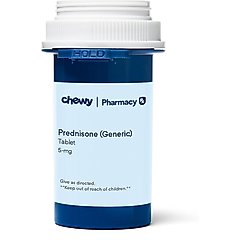
- Corticosteroids, such as prednisone
Recommended Product
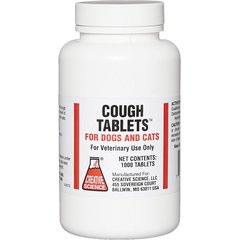
- Cough suppressants, like Creative Science Cough Tablets, which includes guaifenesin and dextromethorphan
Recommended Product
- Combination antihistamine and corticosteroids, such as Temaril-P
Recommended Product

Your veterinarian may also want to treat the cough’s underlying cause. In that case, they may prescribe:
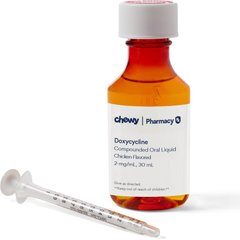
- Antibiotics, such as doxycycline, to treat bacterial infections
Recommended Product
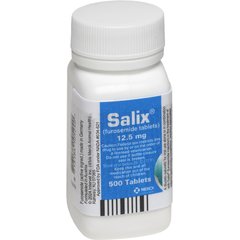
- Diuretics, such as furosemide, to treat fluid buildup in the lungs
Recommended Product
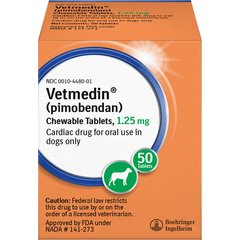
- Heart medications, such as pimobendan or enalapril, to treat heart disease
Recommended Products

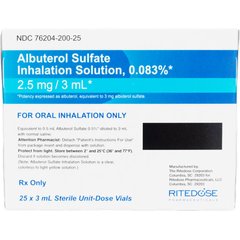
- Bronchodilators, such as albuterol, to open up the airways
Recommended Product
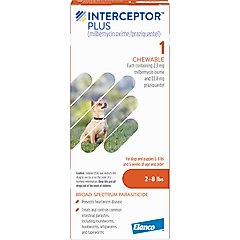
- Antiparasitic medications, such as milbemycin oxime, to treat lungworms and heartworm disease
Recommended Product
Some dogs with severe coughing causing breathing difficulties may require hospitalization and supportive care, such as oxygen therapy or intravenous fluids.
Surgery may be required to remove a foreign object or to place a stent on a collapsed trachea.
What You Can Do at Home for a Dog Cough
If you notice your dog is coughing, schedule a vet visit to determine the underlying cause and get appropriate treatment.
Once the cause has been determined, your vet may recommend some at-home supportive care to help your dog recover. This may include:
Recommended Products



- Adding a humidifier to your dog’s resting area to moisten and soothe the airways.
Recommended Product

- Using a harness instead of a collar for walks. A harness reduces pressure on your dog’s neck during walks.
Recommended Products



How To Help Prevent Coughing in Dogs
Some cases of dog coughing—such as those caused by congenital heart defects or cancer—cannot be prevented.
However, to give your dog the best chance of avoiding developing a cough, follow this advice:
- Keep your dog up-to-date on vaccinations, such as Bordetella and distemper, to protect against viruses and bacteria that can cause coughing.
- Schedule routine vet visits to catch and treat health concerns early.
- Manage underlying health conditions and follow your vet’s advice.
- Keep your dog’s space clean and wash bedding regularly to remove any allergens that can irritate the airways.
- Provide access to fresh, clean water to moisten your dog’s throat.
Recommended Product

- Feed a high-quality, nutritious diet, like Hill’s Science Diet Adult, to help support your dog’s immune health.
Recommended Product
FAQs About Coughing in Dogs
Can I give my dog cough medicine?
No, do not give your dog cough medicine without asking your vet first. Cough medicine for dogs is available only with a veterinary prescription. Human cough meds should never be given to dogs.
Why is my puppy coughing and wheezing?
There are many reasons your puppy may be coughing and wheezing, such as an underlying infection, congenital heart defect, or allergies. See your vet to determine the cause.
What should I do if my dog is coughing up blood?
See an emergency veterinarian immediately. This is a medical emergency.
Is dog coughing contagious?
Yes, dog coughing can be contagious—though not always. For example, kennel cough spreads easily among dogs in close contact. Play it safe and keep your dog away from other canines until you can see a vet.
Why does my dog honk?
Coughing can sound like a honk when it’s caused by narrowed airways, such as a collapsed trachea. Kennel cough may also cause this sound.
Why is my dog coughing and gagging?
There are many reasons your dog is coughing and gagging, from allergies to an underlying health condition. See your vet.
Why is my dog coughing at night?
As dogs settle down at night, their airways may become irritated due to positioning. Dogs with heart disease also cough more at night due to fluid buildup in their lungs.