How To Keep a Dog Calm After Surgery

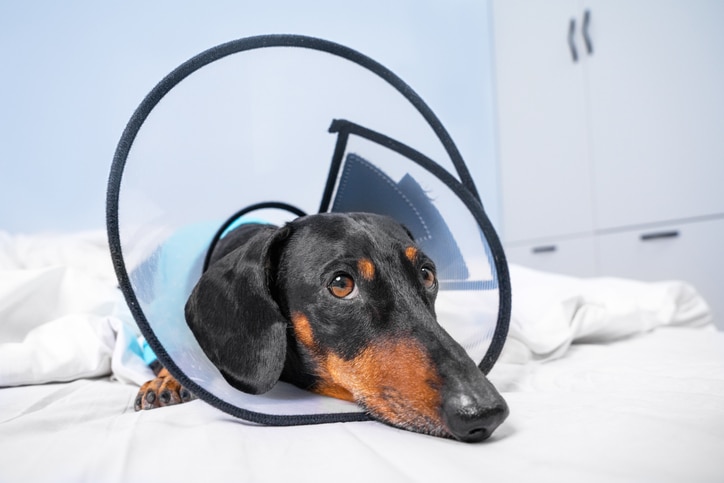
Photo by Ирина Мещерякова/iStock/Getty Images Plus
Planning for life post-op isn’t fun for any pet parent—it’s tough to see your pup going through it. But there are important tips to keep in mind to support your dog’s healing and reduce the risk of complications.
Here’s how to soothe your pup after their procedure and keep them calm.
Key Takeaways
- Keeping your dog calm after surgery helps support healing and reduces the risk of complications.
- Rest can be just as important as medications and follow-up care during post-op recovery.
- Signs like pacing, whining, or frequent licking may mean your dog needs extra help settling down.
- Recovery tools such as cones, crate rest, enrichment toys, and calming aids can make downtime easier.
- If your dog struggles to relax after surgery, your veterinarian may recommend medications to help keep them comfortable.
Why Do Dogs Need To Stay Calm After Surgery?
Surgery can be tough on a dog’s body, whether they’re small or large or somewhere in between.
So keeping them calm during post-op recovery has many health benefits, including:
- Less inflammation and swelling: Rest helps regulate your dog’s inflammatory response and supports faster healing.
- Stronger immune system: Rest protects your dog’s incision site from infection.
- Fewer surgical complications: By keeping your dog calm after surgery, there is less risk that their incision will open up or they will experience internal bleeding.
- Reduced anesthesia complications: Your dog will undergo anesthesia for surgery, which takes a while to wear off. By encouraging your dog to rest, the risk for injuries, such as falling, is reduced.
Signs Your Dog Needs Help Calming Down
Not every dog is ready to accept a bit of downtime after surgery—or that relaxing is actually in their best interest.
Here are some signs your pup needs a little extra help putting on the brakes:
- Tearing off their cone
- Pacing around the home
- Whimpering frequently
- Restlessness
- Heavy panting
- Frequently licking incision
- Shivering
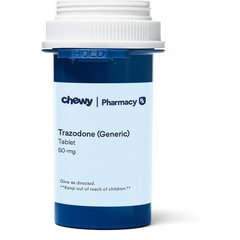
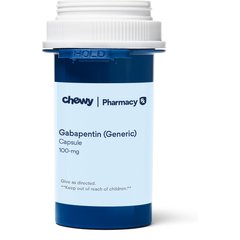
Ask your veterinarian for advice if you’re having trouble calming your dog after surgery. A vet can prescribe medications such as trazodone or gabapentin to help reduce stress.
Recommended Products
How To Keep a Dog Calm After Surgery
You might think that snuggles are the only thing you have to offer after surgery—but you can do a lot more to promote your dog’s recovery.
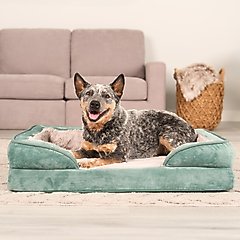
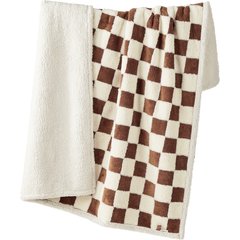
Give Them a Special Place to Rest
Providing your dog a quiet, private space reduces overall stress and supports healing.
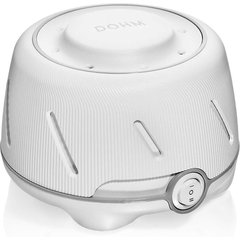
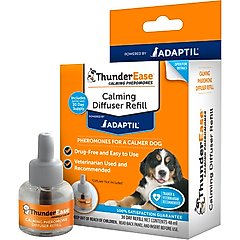
Consider Calming Pheromones and Music
Adding a sound machine and a diffuser that emits calming pheromones can help reduce cortisol levels and support a healthy immune system, reducing the risk for post-op infections.
Recommended Products
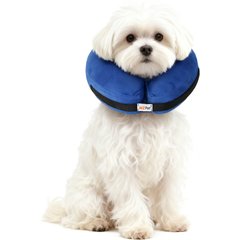
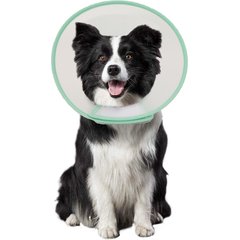
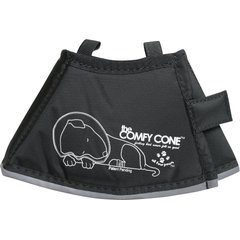
Make Sure They Have a Comfortable Recovery Cone
The right recovery cone can help prevent your dog from licking their incision site, which can open it and make it swollen. Here’s how to choose the right one.
Recommended Products
Provide Mental Enrichment
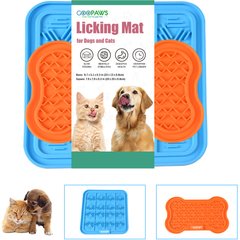
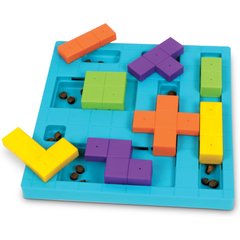
To help your dog curb boredom, give them a calming form of enrichment to keep busy.
Recommended Products

Restrict Movement
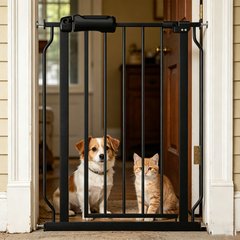
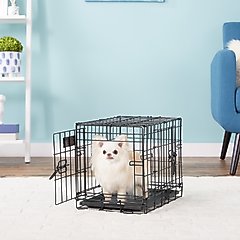
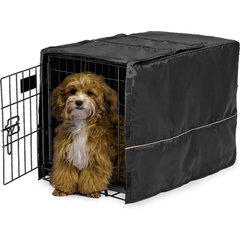
Too much exercise can also cause your dog’s incision to reopen. To reduce the risk of bleeding, try to keep their movement to a minimum.
Use a crate for rest and block off areas of your home with gates.
Recommended Products
Use Leashed Walks
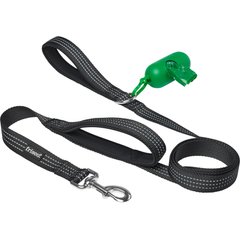
Talk to your vet, but it’s likely your dog will still need their walks outdoors to use the bathroom and get a bit of fresh air.
However, running free in the yard isn’t a good idea, so use a fixed-length leash, like the Frisco Traffic Leash, to keep your dog close.
Recommended Product
Chat With Your Vet About Medications
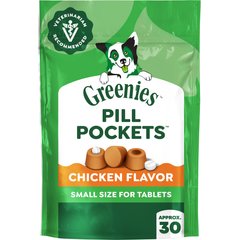
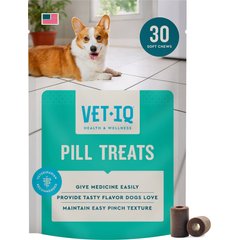
If your dog is having trouble staying calm, your vet might prescribe a medication for them. If your dog has trouble taking pills, use a pill pocket or a pill treat when giving it.
Recommended Products
How To Keep a Hyper Dog Calm After Surgery
Dogs who are hyper—such as puppies and active breeds—may need a little extra help staying calm.
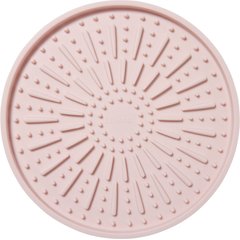
If your dog is extra hyper, you may need to rely more on medications prescribed by your veterinarian for your dog’s own safety. Buying several puzzle toys or lick mats and rotating them every day or two can keep them mentally stimulated and less restless.
Recommended Products
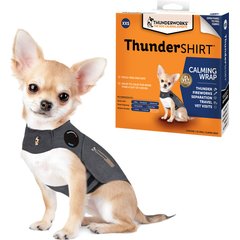
Depending on where the incision is located, your vet might also recommend a compression wrap, such as a ThunderShirt, to help keep them calm.
Recommended Product
FAQs About How To Calm a Dog After Surgery
What can I give my dog to calm down after surgery?
Prescription sedative options, such as trazodone, may help dogs stay calm after surgery, but they must be prescribed by a veterinarian.
Where should dogs sleep after surgery?
Dogs should sleep in a quiet, private space to support recovery, such as a small quiet room or a crate. A soft place to rest, such as a fluffy blanket or bed, is a must. Always follow your veterinarian’s post-op recovery instructions.
How do I stop my dog from jumping after surgery?
To prevent jumping, you may need to block off stairs or other areas. They still need to get some exercise, but keeping them in a crate or small room can also reduce jumping.
How do I keep my dog calm after spay surgery?
Create a quiet recovery space, using a small room or crate for them to rest in. Mental enrichment activities, such as a KONG, can keep them entertained without physical activity. Ask your vet for their advice as well.