The New Normal: Worse and Longer Flea and Tick Season



Photo by Wavetop/iStock/Getty Images Plus
Deep in the dog days of summer 2026, the National Oceanic and Atmospheric Administration made an announcement that will surprise few people: so far, it has been the hottest summer in the recorded history of the contiguous United States, with average July temperatures hitting 76.89 degrees Fahrenheit across the Lower 48.
Temperatures like these pose an array of hazards for us and our pets, ranging from increased risk of heat-related illness to stronger and more frequent storms. But by far the itchiest annoyance is how the heat, combined with milder winters and increased humidity, is supercharging the already expanding risk of parasites like fleas and ticks for both dogs and cats.
“Many pet parents associate ticks with Lyme disease in the Northeast, but today the risk is much broader,” said Veronica Higgs, DVM, a Chewy vet. “Tick populations have expanded across much of the Midwest, Southeast, and even parts of the Upper Midwest and Northeast, where activity is lasting longer each year.”
Why A Longer Parasite Season Is Dangerous
While fleas are a persistent issue and can carry disease, the more serious challenge to both human and animal health is posed by the various tick species that are steadily encroaching into new zip codes.
This includes blacklegged (deer) ticks and Lone Star ticks, which commonly bite humans, and other species such as American dog ticks. According to a 2026 article published in Ticks and Tick-borne Diseases, every state in the contiguous United States is home to at least two of the eight tick species that are known to bite humans and spread diseases including:
Protecting Your Pets (and You) From Ticks
The good news is we have more tools than ever to protect our pets and ourselves from parasites, including flea and ticks. To get the most from your parasite protection, it’s best to focus on preventing a problem from starting in the first place, which means year-round flea and tick prevention.
“It’s much easier to prevent a flea or tick problem than it is to eliminate one once it starts,” Dr. Higgs said. “Keeping your pet on a veterinarian-recommended preventive year-round, checking them for ticks after outdoor adventures, and maintaining their environment are the most effective ways to reduce their risk.”
It’s also important to extend protection to your indoor pets. Even if your pup or kitty never goes outdoors, there is still a risk of exposure from parasites that hitchhike on your clothes or on other animals. Pets can also be exposed to parasites at the groomer, in public indoor spaces like stores, and in your car.
To help prevent a problem, your vet can recommend an appropriate flea and tick preventive. These medications are available as chews (oral), topical treatments, and collars. Many of the newer options are combo products that target additional parasites, including heartworms and other types of worms.
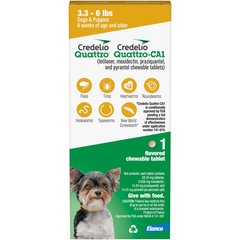
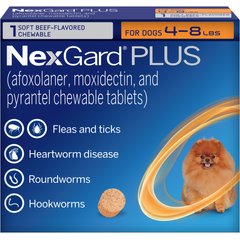
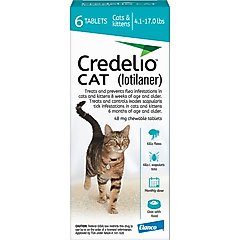
Common vet-recommend chews include Credelio Quattro for dogs, a monthly chewable that offers protection against six parasites: fleas, ticks, heartworms, roundworms, hookworms, and tapeworms. Other popular chewables include Simparica Trio for dogs, NexGard Plus for dogs, and Credelio for cats.
Chewables for Dogs
Recommended Products

Chewables for Cats
Recommended Product
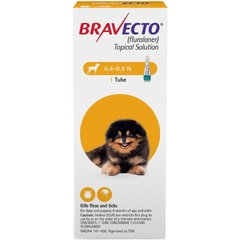
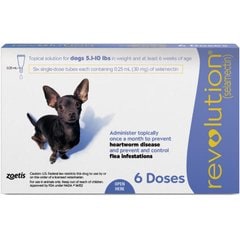
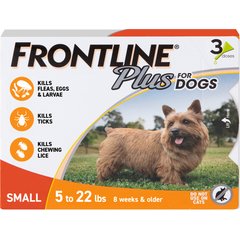
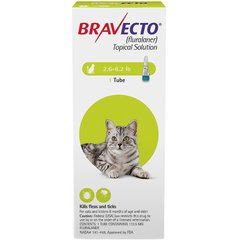
Common topical treatments include Bravecto, Revolution, and Frontline Plus for dogs, and NexGard Combo, Revolution Plus, and Bravecto for cats.
Topicals for Dogs
Recommended Products
Topicals for Cats
Recommended Products


Many of the most recommended products require a veterinary prescription, so talk to your vet about which option is best for your pets.
Practical Outdoor Tips to Protect Your Pets
The best defense against fleas and ticks is to use a vet-recommended flea and tick preventive year-round and carefully follow the label instructions for application. Beyond this basic step, you can take other precautions while you and your pets are outdoors to reduce the risk of exposure.
This includes avoiding heavy brush and tall grass during walks, and not letting your dog play in leaf litter. All of these are natural habitats for parasites.
When you return home from an outing or let your pet back indoors, it’s always a good idea to do a quick head-to-tail check to spot any ticks that may have attached to your dog or cat. Focus on their face, around the neck, inside ears and under their legs, and between their toes.
If you find a tick on your dog or cat, prepare a glass with a little rubbing alcohol—this is where you’ll drop the tick after you remove it.
Next gently restrain your pet, carefully separate their fur to expose the tick, and gently but firmly grasp it with tweezers right at the skin level.
Recommended Product
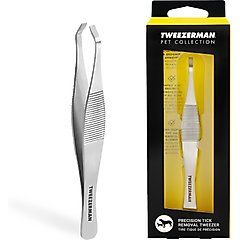
Pull the tick straight away from the skin without crushing or twisting it. Once it’s removed, drop it into alcohol.
“I tell pet parents not to let the fear of fleas and ticks keep them from enjoying walks, hikes, or time outside with their pets,” said Dr. Higgs. “The key is to make prevention part of your routine.”
Attributions
References
Lars Eisen, “Why are the ticks winning, and what can we do about it?,” Ticks and Tick-borne Diseases, Volume 17, Issue 3, May 2026.