What Can I Give My Dog for Pain?


Photo by Chewy
The idea of a dog in pain is distressing for pet parents, and being able to ease a dog’s discomfort as soon as possible is important. So, it’s normal to wonder: What can I give my dog for pain?
But before you head to the medicine cabinet, take a deep breath and call your veterinarian instead. The safest way to help your dog feel better quickly is to follow your vet’s advice when it comes to pain meds for dogs.
Key Takeaways
- Never give human pain medications to dogs—many are toxic and can be life-threatening.
- If you think your dog is in pain, call your veterinarian before giving any medication.
- Dogs show pain in many ways, from limping and trembling to subtle changes like low energy, hiding, or decreased appetite.
- Veterinarians may prescribe dog-safe NSAIDs, nerve pain medications, or (in hospital settings) opioids, depending on the cause of pain.
- If your dog overdoses on pain medication or ingests human meds, seek emergency veterinary care immediately.
Signs a Dog Is in Pain
There isn’t one universal way that dogs show they’re in pain. In fact, there can be many signs that your dog is feeling some discomfort.
Signs of pain in dogs include:
- Limping
- Trembling or shaking
- Aggression, such as baring teeth, growling, lunging, and biting
- Hiding or avoiding being touched
- Lethargy
- Decreased interest in exercise or walks
- Trouble standing up from a resting position
- Difficulty navigating the stairs
- Decreased appetite or anorexia
- Frequent urination or stool accidents in the house
- Excessive licking, biting, or rubbing one area of the body
- Loss of muscle mass
- Whining or crying
If your dog shows any of these behaviors, call your veterinarian for an appointment.
If symptoms are extreme (for example, constant crying or inability to stand at all), head to the emergency vet if your regular vet is closed.
What Can I Give My Dog for Pain?
Most human medications are toxic to dogs, so it’s important that you speak with your veterinarian about vet-approved pain meds for dogs.
Prescription pain relief for dogs includes dog-friendly NSAIDs (nonsteroidal anti-inflammatory drugs), neurological pain relievers, and opioids.
Even though the types of pain medicines dogs and people use may sound the same (NSAIDs, for example), dog pain meds are usually different—and human meds are often dangerous for canines.
NSAIDs
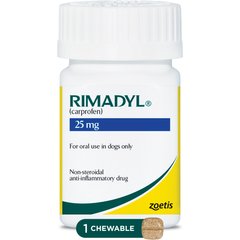
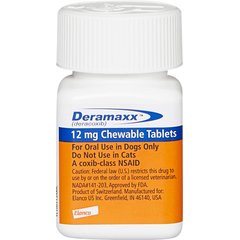
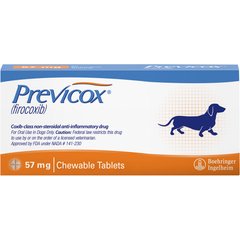
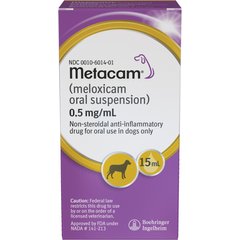
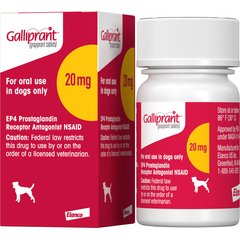
NSAIDs in dogs relieve pain by blocking inflammation. Veterinarians prescribe specific, dog-safe NSAIDs to relieve arthritis or post-surgery pain.
The most common NSAIDs in dogs include:
Recommended Product
Recommended Product
Recommended Product
Recommended Product
Recommended Product
Neurological Pain Relievers
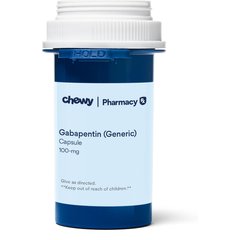
Veterinarians prescribe certain medications to relieve neuropathic pain, which results from an injury to or a disease related to nerves or the neurological system.
The most common neurologic pain relievers used in dogs are:
Recommended Product
Opioids
Opioid medications work by blocking pain signals in the brain, spinal cord, and body.
Veterinarians administer opioid medications in a hospital setting for surgical pain. Opioids should not be given at home.
Common opioids for hospitalized dogs include:
- Buprenorphine
- Butorphanol
- Fentanyl
How To Give Your Dog Pain Meds
Your veterinarian will prescribe a dosage and treatment plan for your dog based on the cause of their pain, age, weight, general health, and other medications or supplements they’re taking.
At-home pain medications for dogs are available in different formulations: pill, flavored chewable tablet, capsule, or oral liquid.
Pill wraps or pouches can make canine pain control easier with capsules or pills. Your dog will likely think it’s a treat.
Recommended Products


If your vet orders a compounded prescription—customized forms of a human or animal drug—the medication may be in a flavored liquid or capsule.
Mixing pain medications with other drugs or supplements can result in health risks, so always discuss every medication or supplement your dog is taking with your vet.
Always follow the directions on the label of the prescription as well as instructions from your veterinarian.
What To Do If Your Dog Takes Too Many Pain Meds
Symptoms of an overdose of pain meds in dogs depend on the medication and dosage.
Signs of an overdose may include:
- Vomiting
- Diarrhea
- Black, tarry stool
- Decreased appetite or anorexia
- Increased thirst and urination
- Seizures
- Lethargy
An overdose of pain meds in dogs or the ingestion of a toxic human pain medication is a medical emergency. Head to an emergency veterinarian. You can call the Pet Poison Helpline (855-764-7661, a fee applies) on the way.
How To Keep a Dog on Pain Meds Comfortable
Once your dog is under the care of your vet and on proper medications, you should provide a nice place to rest at home.
Here are ways you can keep your pup as comfy as possible:
- Use a support sling to help take pressure off your dog’s joints when they stand up.
Recommended Product

- Give your dog an orthopedic bed for an easy-to-access spot to sleep.
Recommended Product

- Offer a soft blanket for extra comfort.
Recommended Product

- If your dog needs a safe space to decompress or limit movement for a time, try a crate with a cozy, supportive mat inside.
Recommended Products


- Keep your pup’s joints safe with a pet ramp or pet stairs so they don’t jump down from their favorite spots.
Recommended Products



- Use a dog stroller so your dog can still get some fresh air and walks while on the mend.
Recommended Product

FAQs About Dog Pain Meds
What can you give a dog for pain at home?
You should not give your dog any over-the-counter or human pain medications unless your veterinarian specifically instructs you to do so. Many human pain relievers are toxic to dogs.
At home, the safest steps you can take before speaking with your vet include:
- Restricting activity and encouraging rest
- Providing a soft, supportive place to lie down
- Applying a cold compress (for sudden swelling or injury) for 5–10 minutes at a time
- Using only pain medication that was previously prescribed for your dog and approved by your veterinarian for the current issue
If your dog appears painful, call your veterinarian for guidance. Proper diagnosis is essential before starting any medication.
My dog’s in pain, but I can’t afford a vet. What can I do?
Many pet parents find themselves in this spot—you are not alone. However, it’s still important that your dog visits a vet, especially if they’re in pain.
Here are options that may help:
- Ask your veterinarian about payment plans or installment options.
- Contact local humane societies or low-cost clinics to ask about reduced-cost care or referrals.
- Explore other financial resources, such as CareCredit, Scratch Pay, GoFundMe, or Waggle.
- Consider investing in pet insurance, like CarePlus, in the future to help manage unexpected expenses.
What human pain meds can I give my dog?
None. You should never give human pain medications to your dog unless your veterinarian specifically tells you to do so.
Many common human pain meds are toxic to dogs, especially human NSAIDs such as ibuprofen, aspirin, and Aleve. They can cause severe stomach ulceration, organ damage, and even death.
Can dogs take ibuprofen?
No. Dogs should never take human ibuprofen. It can cause toxicity, organ damage, and even death.
Can dogs have Tylenol?
No. Dogs should never take human Tylenol. It can cause toxicity, organ damage, and even death.
Attributions