How Much Does Dog Teeth Cleaning Cost?


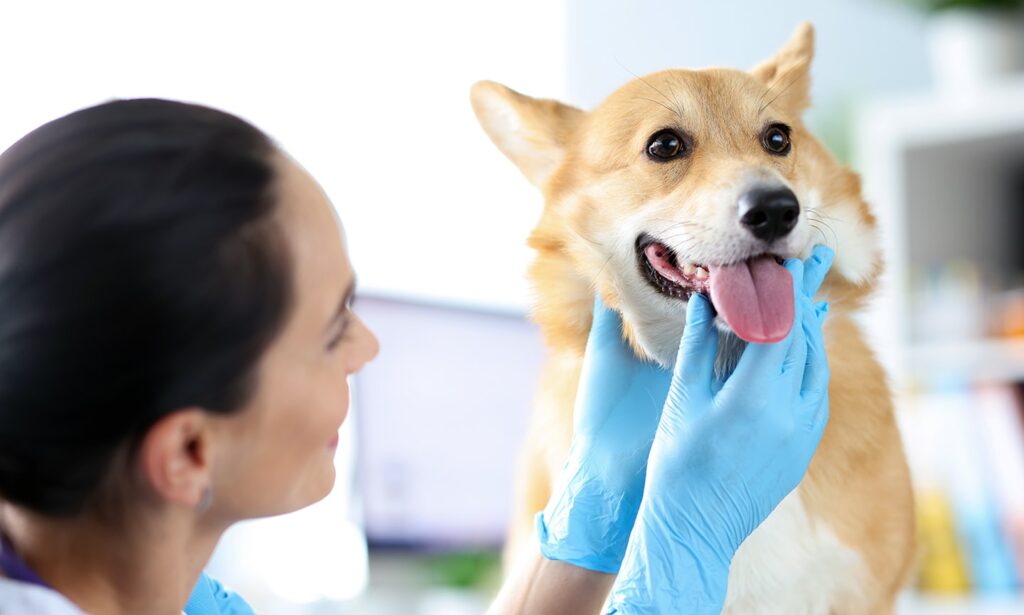
Photo by megaflopp/iStock/Getty Images Plus
As pet parents, we will do almost anything to extend the life and health of our beloved animals. We search out the best food; take them on all the walks; and groom them to keep them looking and feeling their best—but dog teeth cleaning sometimes gets overlooked in our crusade for optimal pet health.
Regular dog dental cleaning has many benefits that go far beyond getting rid of bad breath. We weighed in with some experts to answer all of your questions about this important procedure.
Key Takeaways
- The average dog teeth cleaning cost ranges from $200–$800, depending on location, size, and dental health.
- Most dogs need professional dental cleaning once a year, though some may require it every six months.
- Dental cleanings are performed under anesthesia and include scaling, polishing, and a full oral exam.
- Preventive at-home care like brushing and dental chews can reduce plaque buildup between cleanings.
Is Dog Dental Cleaning Really Necessary?
The short answer here is: Absolutely!
Dental cleanings in dogs are essential for maintaining oral health and keeping periodontal disease at bay, says Dr. Sabrina Kong, DVM, certified canine rehabilitation practitioner at Jules Veterinary Center in Tracy, California.
Oral health and helping your pup keep their teeth into old age aren’t the only reasons dog teeth cleaning is helpful. According to Dr. Courtnye Jackson, DVM, a veterinarian in Charlotte, North Carolina, regular cleanings can help:
- Prevent tooth decay
- Prevent plaque and tartar buildup
- Prevent heart disease
- Decrease overall inflammation
How Much Does Dog Teeth Cleaning Cost?
The average dog teeth cleaning cost ranges from $200–$800. Prices vary based on your location, your dog’s size, anesthesia requirements, and whether extractions or X-rays are needed.
Dr. Jackson says that if a traditional full-service clinic’s dental cleaning prices are beyond your budget, you may find lower-cost cleanings at shelter-affiliated clinics.
Another tip from Dr. Jackson: Get your dog’s teeth cleaned in February! February is National Pet Dental Health Month, and you may be able to find some deals around that time.
Factors That Affect the Cost of a Dog Dental Cleaning
Several factors influence dog teeth cleaning cost:
- Location: Veterinary services tend to cost more in urban areas than in rural communities.
- Your dog’s size: Larger dogs often require more anesthesia and time under monitoring, which can increase the overall dog dental cleaning cost.
- Your dog’s dental health: If dental X-rays, extractions, or treatment for periodontal disease are needed, the total dog dental work cost will be higher.
- Pre-anesthetic bloodwork and IV fluids, which help ensure safety during anesthesia, may also add to the estimate.
- Veterinary practice: Clinics vary in pricing based on equipment, staff experience, and whether advanced monitoring technology is used during the procedure.
How To Save on a Dog’s Dental Cleaning
If you’re concerned about dog teeth cleaning cost, there are several ways to make professional dental care more affordable.
First, focus on prevention. Brushing your dog’s teeth regularly and using Veterinary Oral Health Council (VOHC)-approved products can reduce plaque buildup and lower the chance of costly extractions later.
Ask your veterinarian whether they offer dental packages, wellness plans, or discounts during National Pet Dental Health Month in February.
Some shelter-affiliated clinics and nonprofit veterinary programs may also provide lower-cost dog dental cleaning services.
Pet insurance plans sometimes cover dental procedures related to illness or injury, so review your policy details carefully.
Finally, scheduling cleanings before dental disease becomes advanced can help prevent a higher overall dog dental work cost.
How Often Do Dogs Need Teeth Cleanings?
Your vet will check your dog’s teeth during routine visits to assess the need for cleaning, but Dr. Kong says that most dogs finish puppy teething and will benefit from their first dental cleaning at 2-3 years of age.
According to Dr. Jackson, small dogs may need dental cleaning sooner than larger breeds, and dogs who enjoy chewing may be able to wait a little longer for a cleaning.
The physical act of gnawing is beneficial for dogs’ teeth and mouth: It scrapes bacteria and plaque off the teeth while massaging the gums.
After that first cleaning, veterinarians generally recommend a dental cleaning every 12 months, but some dogs may need a dental cleaning every six months. This depends on the breed, diet, and individual dental health.
“Some breeds prone to dental issues may require more frequent cleanings,” Dr. Kong says.
Dr. Jackson adds that how much of a chewer the dog is; the size of the dog; and the amount of dental care being done at home can impact how often your dog needs their teeth cleaned.
How Do Vets Clean a Dog’s Teeth?
According to Dr. Kong, professional cleaning is usually done under anesthesia, and vets go through the following process:
- Scaling, to remove plaque and tartar; more on this below
- Polishing, to smooth the tooth surfaces
- Thorough oral exam of the mouth, teeth, and gums, to check for signs of inflammation and disease
Dental X-rays are sometimes involved in dog dental care, and each tooth is carefully examined to observe decay and other issues to see if extraction is necessary, Dr. Jackson says.
Scaling is perhaps the most important part of dental cleaning and helps prevent periodontal disease, Dr. Kong says. But what exactly is teeth scaling for dogs? Teeth scaling physically removes plaque, calculus, and tartar from the teeth, especially below the gum line.
Teeth scaling is not that different from what humans experience when they visit the dentist, Dr. Jackson says.
Dog Teeth Cleaning: Before and After Photos
Mild
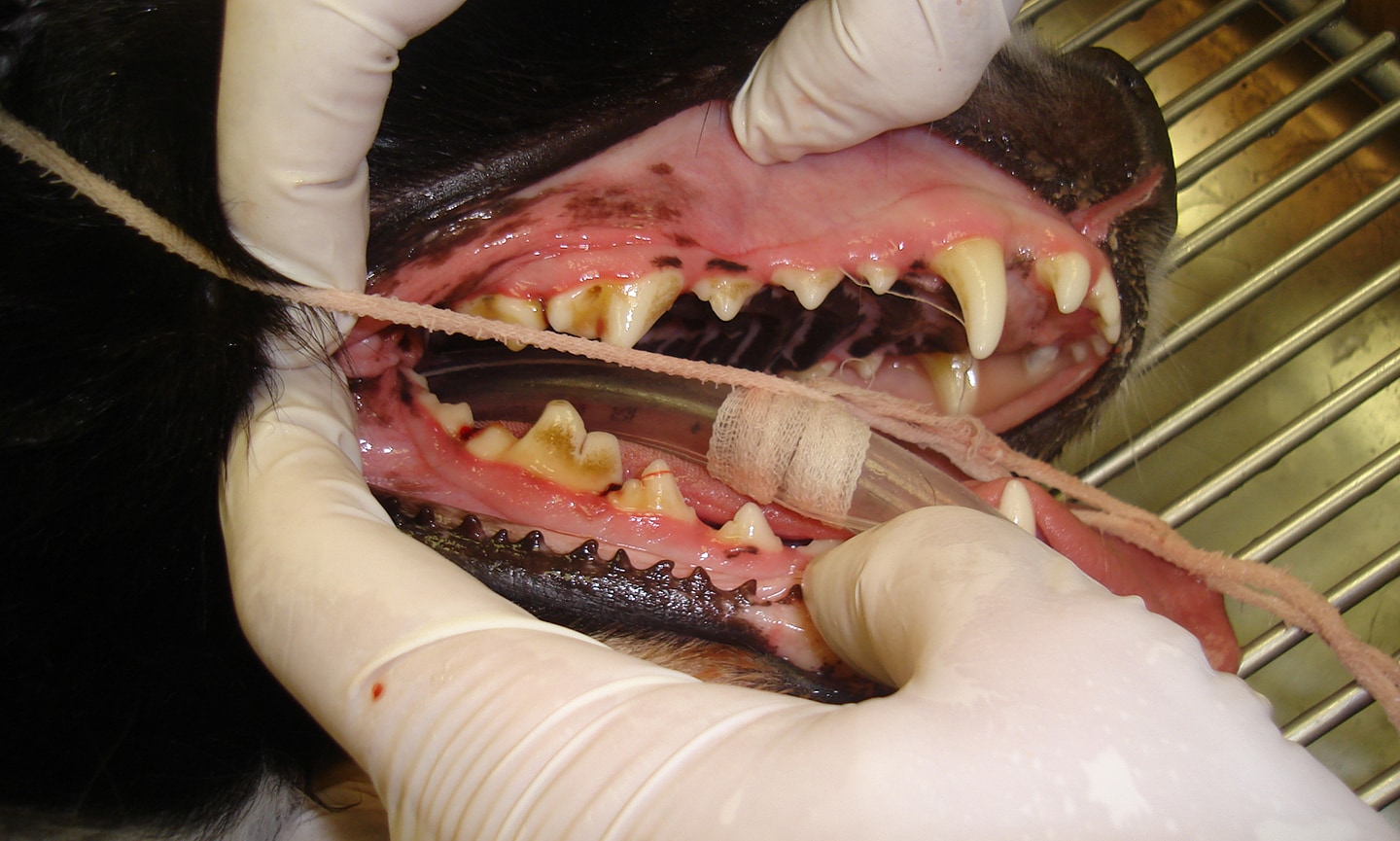
Before
Dr. Douglas Mader, MS, DVM, DABVP (C/F, R/A), DEZCM

After
Dr. Douglas Mader, MS, DVM, DABVP (C/F, R/A), DEZCM
Moderate

Before
Dr. Douglas Mader, MS, DVM, DABVP (C/F, R/A), DEZCM
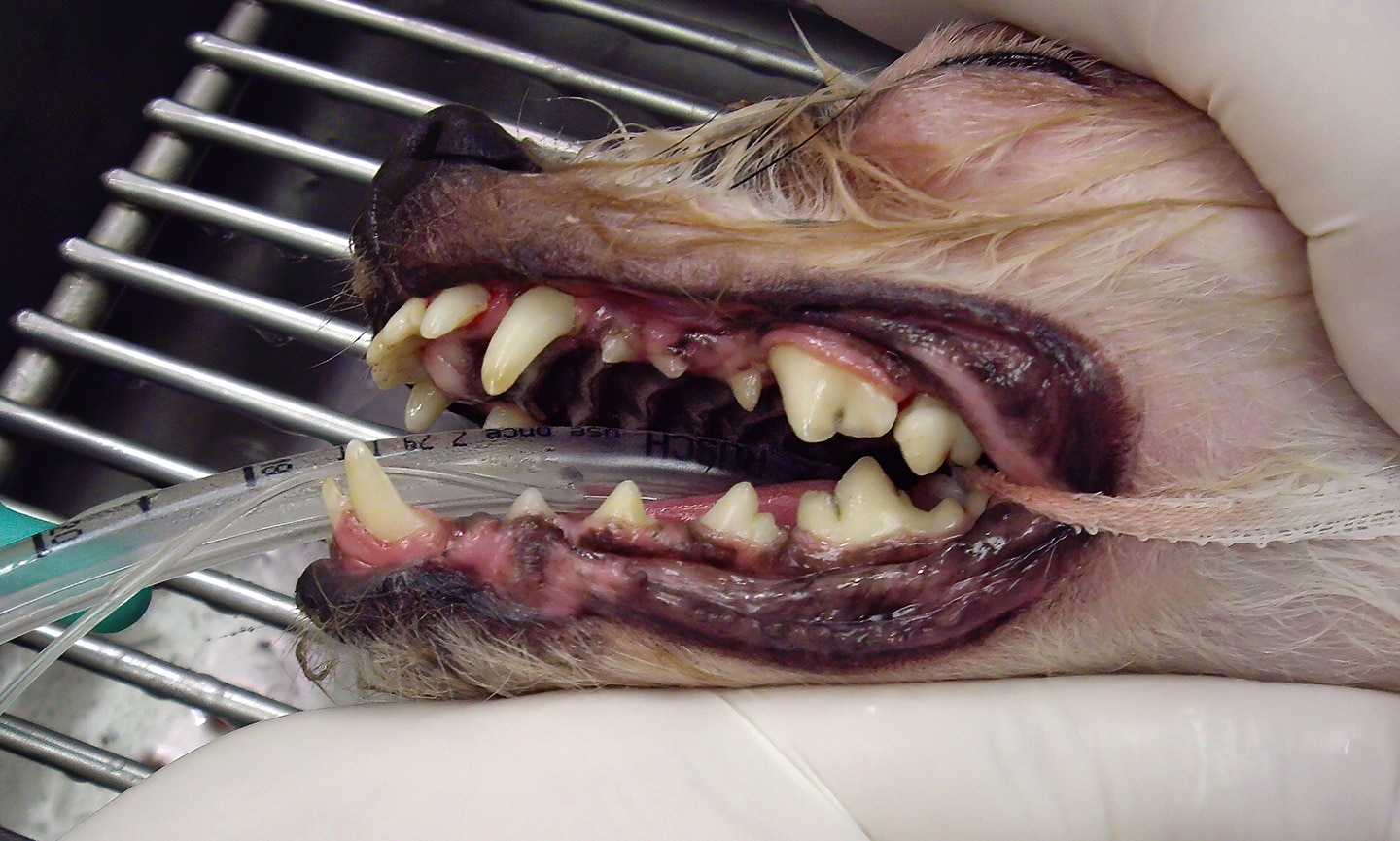
After
Dr. Douglas Mader, MS, DVM, DABVP (C/F, R/A), DEZCM
Severe
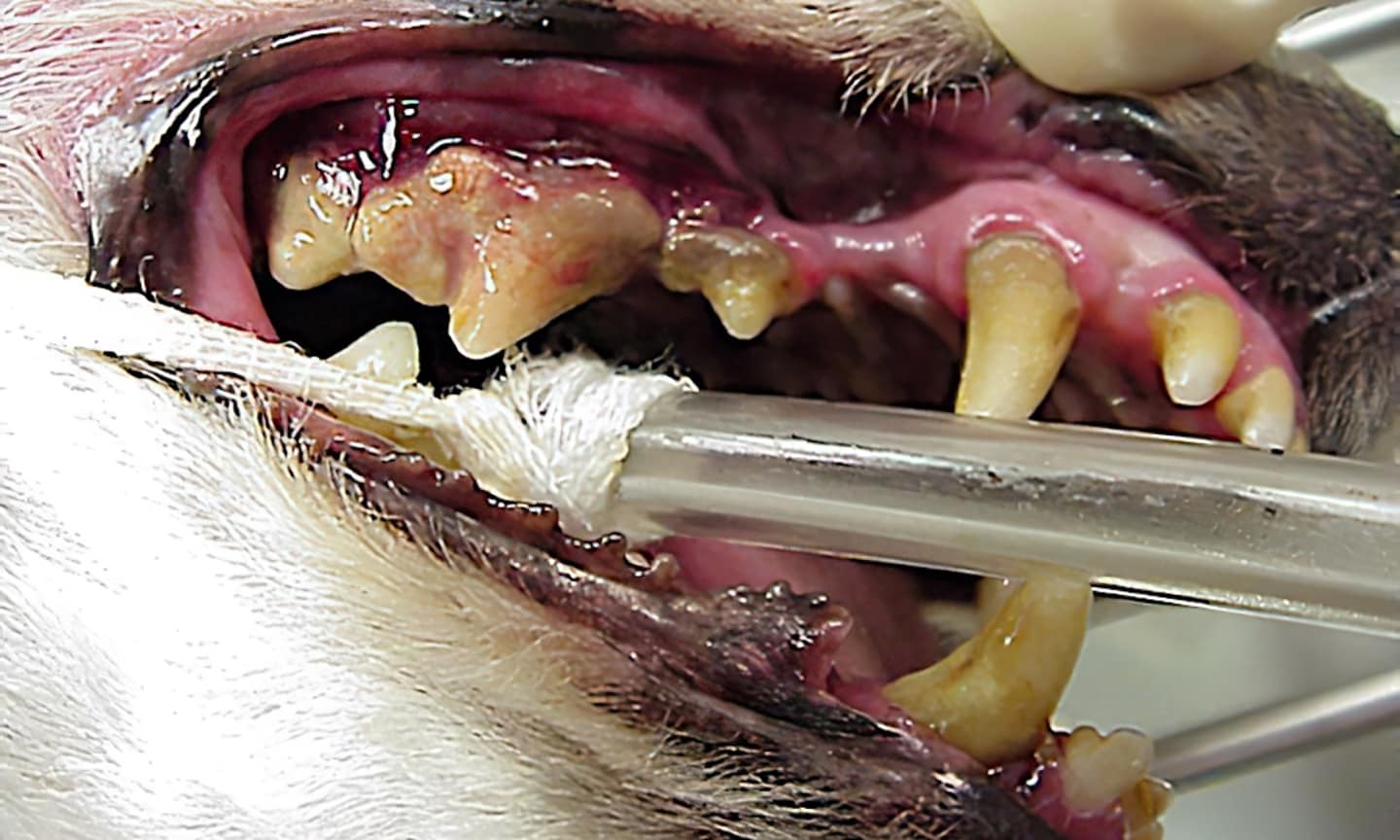
Before
Dr. Douglas Mader, MS, DVM, DABVP (C/F, R/A), DEZCM
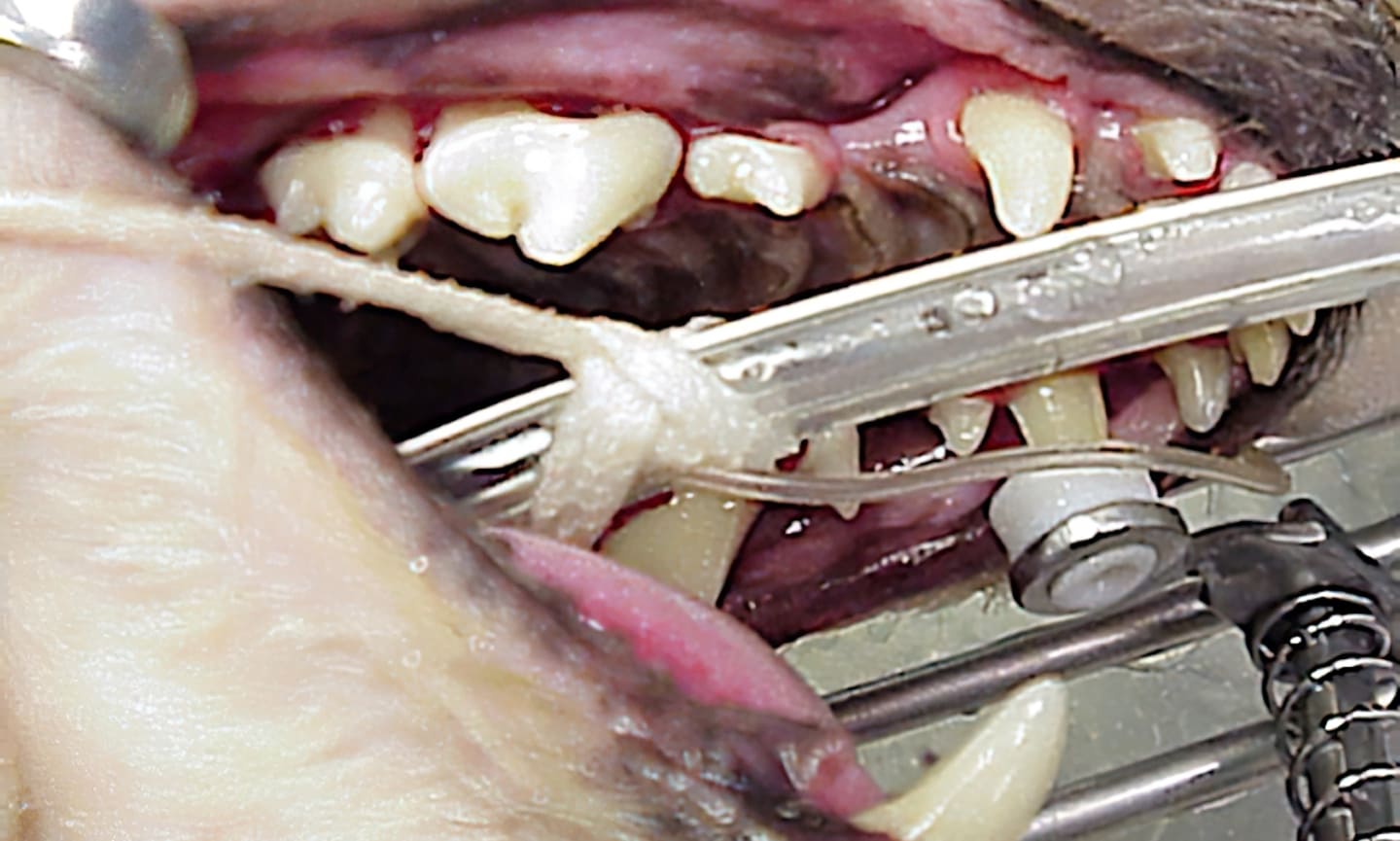
After
Dr. Douglas Mader, MS, DVM, DABVP (C/F, R/A), DEZCM
Dog Teeth Cleaning Risks
The biggest risk in dental cleaning for dogs comes from the anesthesia and sedative medications, which can be worrisome for older or health-compromised dogs, Dr. Kong says.
“However, modern anesthetic techniques have made dental cleanings very safe,” says Dr. Kong.
It’s rare for an anesthesia emergency to occur during a routine dental cleaning, Dr. Jackson says. Most vets will do a thorough exam of the dog beforehand to minimize risk. This examination includes pre-anesthetic bloodwork and treating any pre-existing conditions such as congestive heart failure, heart arrhythmias, chronic bronchitis, heartworm disease, or anemia before putting a dog under anesthesia.
“If a dog has a chronic disease that can put them at risk, many veterinarians will opt not to put them under general anesthesia, and find other options to help decrease tooth decay or tartar buildup,” Dr. Jackson says.
Overall, though, “the risks of not cleaning, like infection and tooth loss, often outweigh the risks of cleaning,” says Dr. Kong.
How to Keep Your Dog’s Teeth Clean at Home
When it comes to oral hygiene, annual or semiannual cleanings are imperative. But to keep your dog’s mouth in tip-top condition and avoid dental problems at home, Dr. Kong and Dr. Jackson recommend the following:
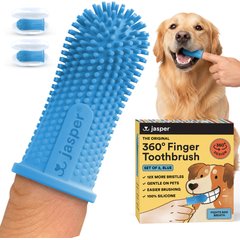
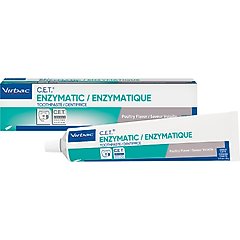
- Regular brushing: Brush your dog’s teeth once or twice a week with a dog-specific toothbrush and toothpaste, like Jasper’s finger brush and Virbac C.E.T. dog toothpaste, respectively.
Recommended Products
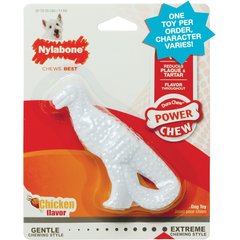
- Dog dental toys: These toys help clean teeth because gnawing scrapes plaque off teeth. The toys also help massage gums to keep them healthy. Nylabone has a cute dental chew toy that comes in a dinosaur shape.
Recommended Product
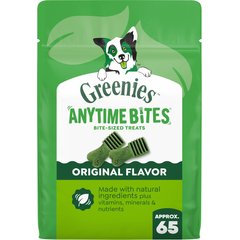
- Dog dental treats and chews: Most dental treats and chews have a unique texture that helps to remove plaque buildup, similar to what a chew toy would do. One popular brand is Greenies.
Recommended Product
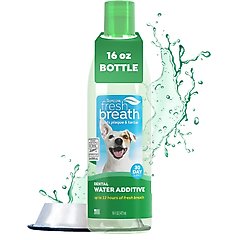
- Water additives: Water additives, like Tropiclean act as a preventive against buildup. These additives shouldn’t replace regular brushing, however.
Recommended Product
- A healthy diet: A healthy, species-appropriate diet can also significantly reduce plaque buildup. When a dog is fed a diet and products accepted by the Veterinary Oral Health Council (VOHC), they are more likely to have a healthy oral biome, which cuts plaque and tartar off before it starts.
Regular professional teeth cleaning for your dog is an important part of their health care that can help extend their life—and quality of life—into old age.
FAQs About Dog Dental Cleaning Costs
Is a dog dental cleaning worth it?
Yes. Professional dental cleanings prevent periodontal disease, reduce infection risk, and can help your dog keep their teeth longer.
Does pet insurance cover dog dental cleanings?
Some pet insurance plans cover dental procedures related to illness or injury, but routine cleanings are often considered preventive care and may not be included. Coverage varies by provider.
Can vets clean dogs’ teeth without anesthesia?
Professional dental cleanings are typically performed under anesthesia so veterinarians can clean below the gum line and take dental X-rays safely. Anesthesia-free cleanings do not address periodontal disease beneath the gums.
Attributions