Basset Hound vs. Bloodhound

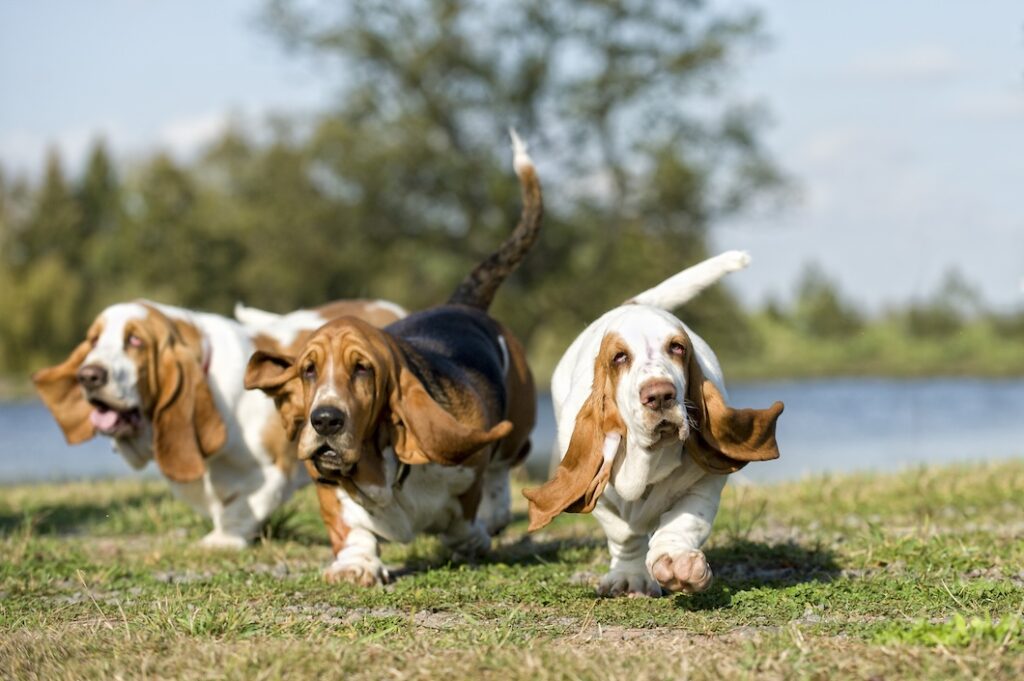
Photo by dageldog/E+ via Getty Images
With their long ears, soulful expressions, and two of the most powerful noses, Basset Hounds and Bloodhounds have a lot in common. But there are some big differences between these breeds, starting with their size and daily exercise needs.
Here’s what to consider when comparing a Basset Hound and a Bloodhound.
Key Takeaways
- Basset Hounds are about half the size of Bloodhounds.
- Both breeds have an exceptional sense of smell and enjoy activities that put their nose to work.
- Basset Hounds need just 30–60 minutes of daily exercise, while Bloodhounds need at least one hour of outdoor activity each day.
- Basset Hounds typically live 12–13 years, compared with 10–12 years for Bloodhounds.
History
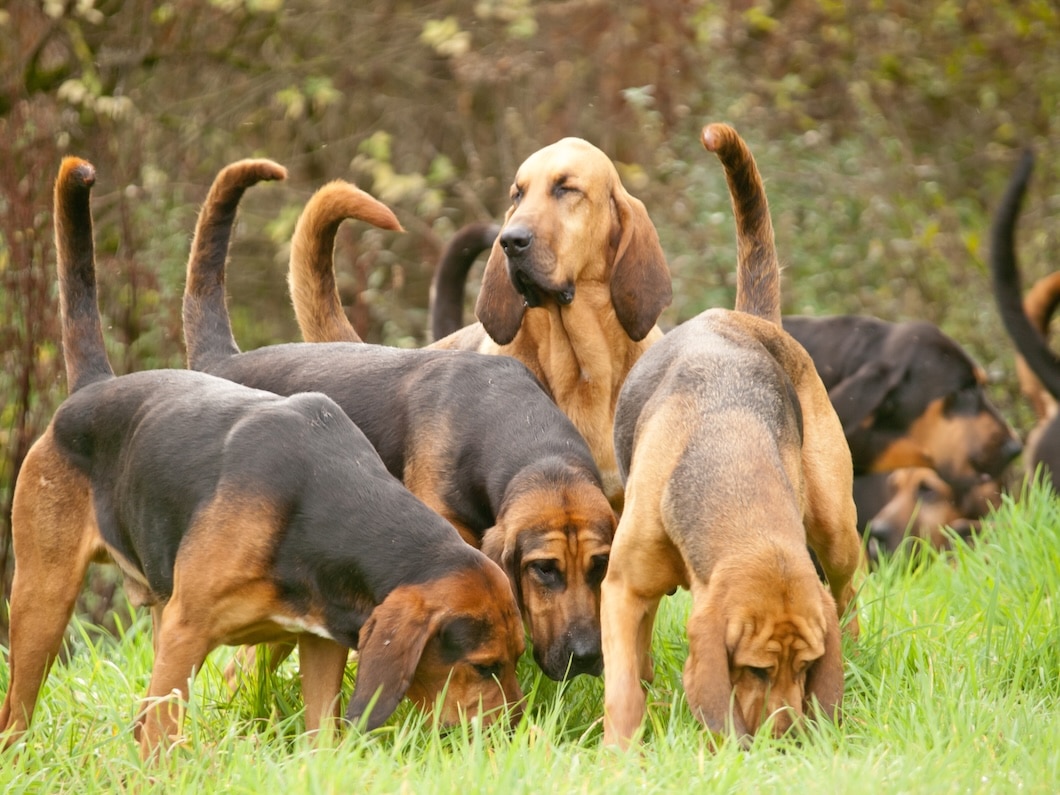
Photo by mikedabell/E+ via Getty Images
The reason these hound dogs have so much in common? They’re actually related—both Basset Hounds and Bloodhounds are descendants of St. Hubert hounds, according to the breed clubs.
Monks at the Abbey of Saint-Hubert developed two strains of hounds for hunting: a long-legged variety (ancestors of the Bloodhound) and a short-legged hound (ancestors of the Basset Hound).
The name Basset Hound comes from the French word bas, meaning “low,” an appropriate description for these sweet shorties. Bloodhounds, on the other hand, were once called “blooded hounds,” a reference to their carefully maintained bloodlines.
Appearance
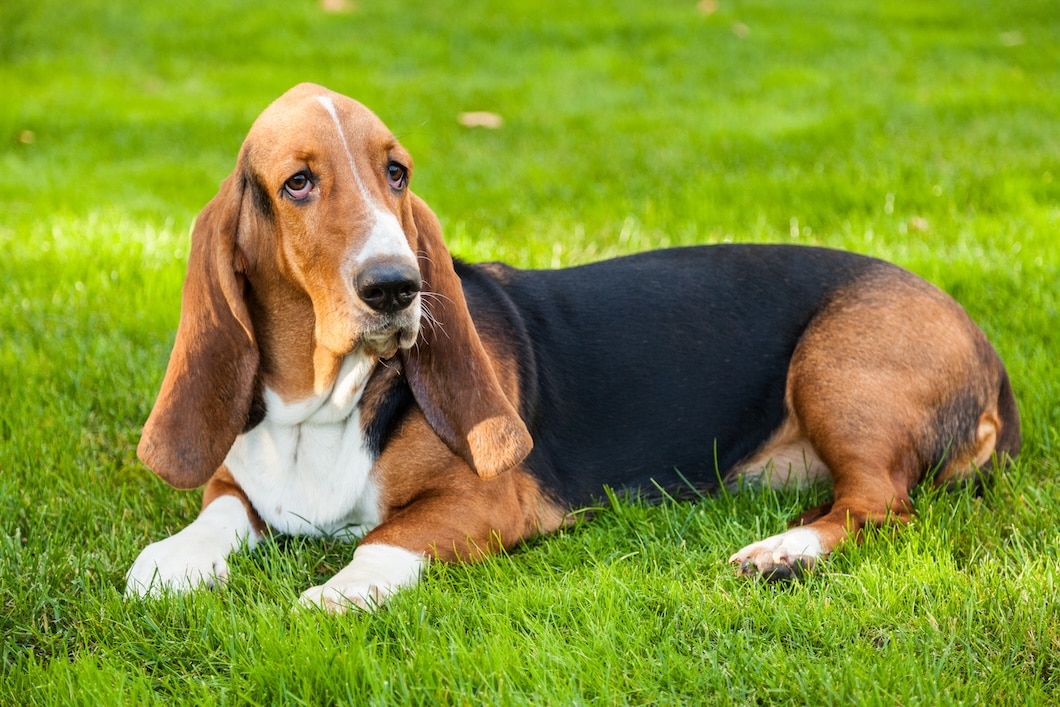
Photo by artisteer/iStock via Getty Images
At a glance, Basset Hounds and Bloodhounds share unmistakable family traits: long, floppy ears; loose skin; droopy expressions; and noses built for scent work. But a Basset Hound is a mellow, low-slung companion, while the Bloodhound is larger and is typically more energetic.
Size and Build
Size is the easiest way to tell these two apart. A Basset Hound weighs 40–65 pounds, yet stands no more than 15 inches tall. Their unusually short legs, long body, and substantial build give them their distinctive appearance.
Bloodhounds are much taller and heavier. They stand 23–27 inches tall and weigh 80–110 pounds.
Coat and Color
Basset Hounds have short, smooth coats. Tricolor coats combining black, tan, and white are especially common, but they can also have combinations such as black and white, brown and white, red and white, and lemon and white.
Bloodhound coats are also short. Their coat colors can be black and tan, liver and tan, or red.
Ears and Face
Along with their noses, both dogs are famous for their ears. Those ears are thought to have a practical connection to their scenting talents: As the dogs sniff along the ground, their long ears may help stir up scents.
A Basset Hound’s velvety ears are set low and hang so far down that the ends can drag along the ground when the dog’s head is held low. Bloodhounds also have long, soft ears. But because they’re much taller than Basset Hounds, their ears don’t drag unless their nose is to the ground in pursuit of a scent.
Basset Hounds and Bloodhounds also have loose skin around their faces and expressive brown eyes.
Personality
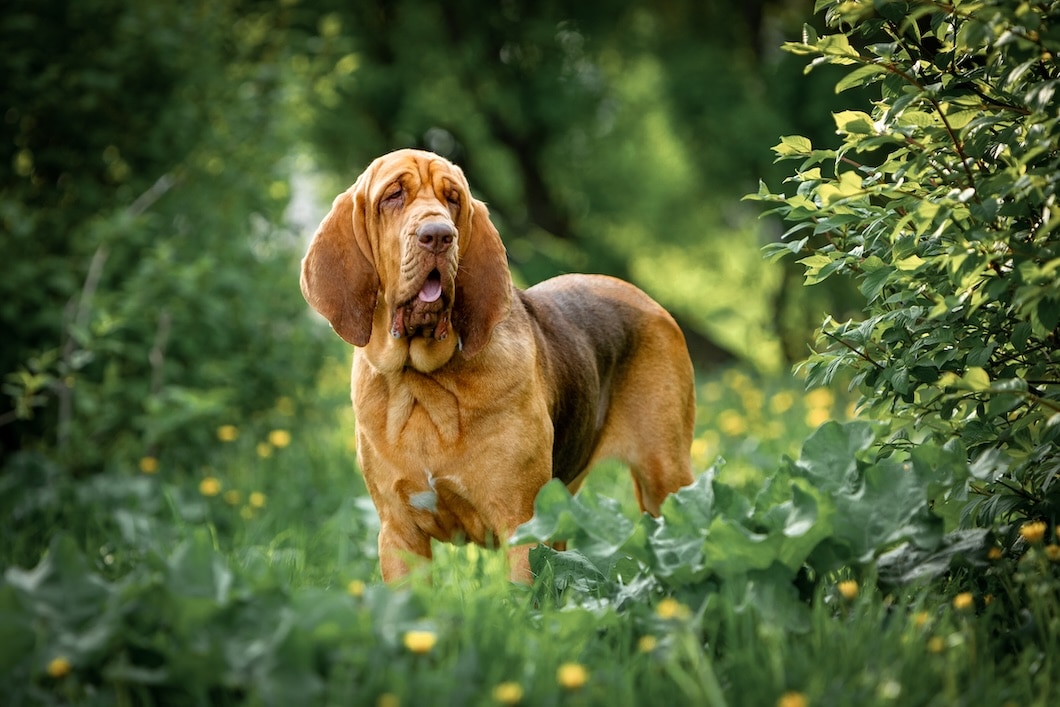
Photo by Evgenia Glinskaia/iStock via Getty Images
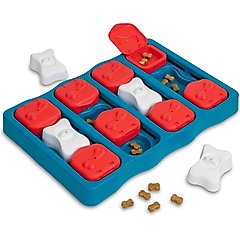
Basset Hounds tend to be mellow and easygoing. Don’t mistake their slow-paced lifestyle for a lack of brainpower, though: These hounds were developed to work independently, and giving them opportunities to sniff and problem-solve, such as by giving them interactive toys with hidden treats, can help keep their minds occupied.
Recommended Products

Bloodhounds tend to be active, kind, and spirited. They can be silly puppies who mature into determined adults. They’re often affectionate with their families, but may be more aloof around unfamiliar people.
As historic hunting hounds, both breeds are also known to bark and bay, so pet parents who have close neighbors should take their vocal tendencies into consideration. Patient and consistent training can help reduce excessive barking.
Of course, breed doesn’t guarantee behavior. Every dog is an individual, and personality is influenced by factors including socialization, training, environment, and life experiences.
Exercise Needs
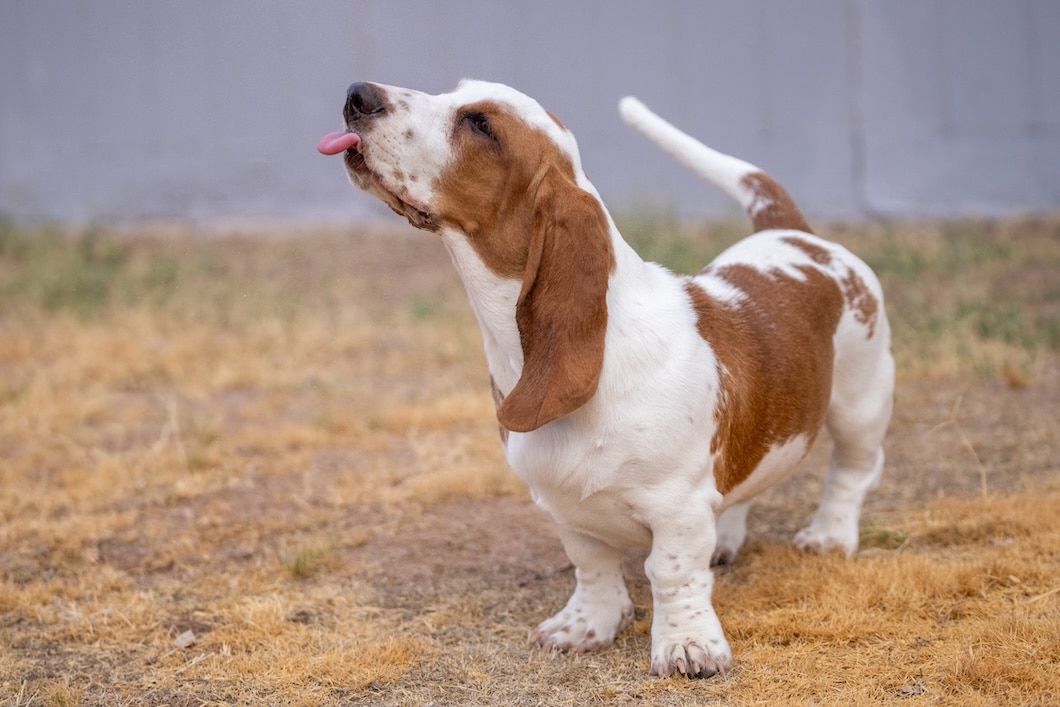
Photo by GoDogPhoto/iStock via Getty Images
One of the biggest differences between the Basset Hound and Bloodhound is how much daily movement they need.
Basset Hounds only need 30–60 minutes of exercise a day. Their long backs and short legs aren’t designed for high-intensity exercise, so walks are better for them than running, jumping, or strenuous hikes.
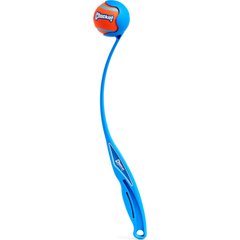
By contrast, Bloodhounds need at least one hour of outdoor activity every day, and many like having a job to do. Individual preferences vary, but activities can include walks, jogging, fetch with an engaging toy, and nose work.
Recommended Products
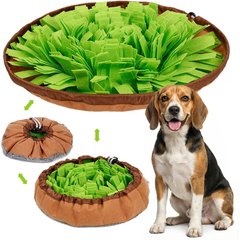
Both breeds also appreciate a brain workout: Tracking activities, scent work, treat searches, and snuffle mats allow them to use the nose they were bred to rely on.
Recommended Products

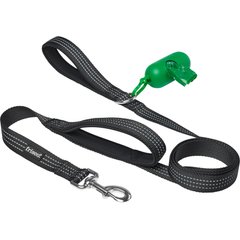
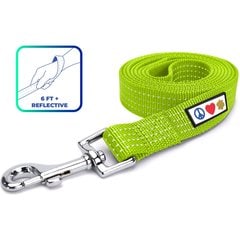
But because a fascinating scent can capture both breeds’ attention, always keep them leashed unless they’re safely inside a fenced area.
Recommended Products
Grooming
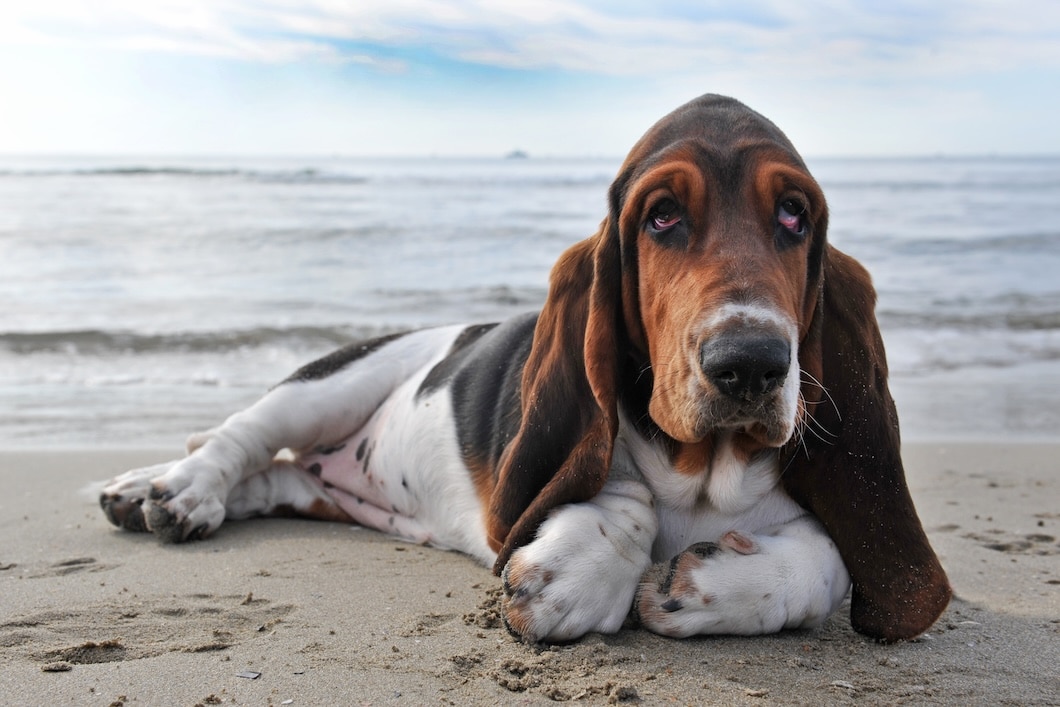
Photo by Adobe/cynoclub
Neither breed has a long coat, but that doesn’t mean their grooming routines are completely hands-off.
Basset Hounds need help keeping their short coats shiny as well as their long ears dry and clean. Their droopy facial skin also deserves attention because moisture and debris can collect in skin folds.
Recommended Products

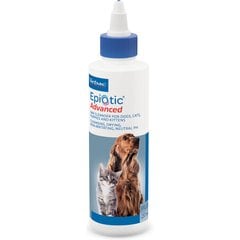
Bloodhounds also need regular grooming, particularly during periods of heavier shedding in spring and fall. Their exceptionally long ears and skin folds require routine care, too.
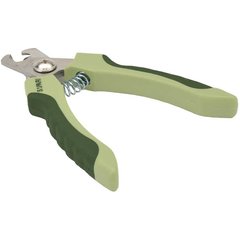
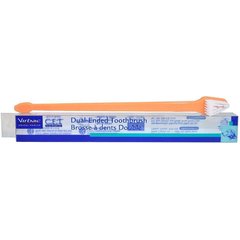
For either breed, routine care should also include nail trims, dental care, and regular checks of the skin and ears.
Recommended Products
Health
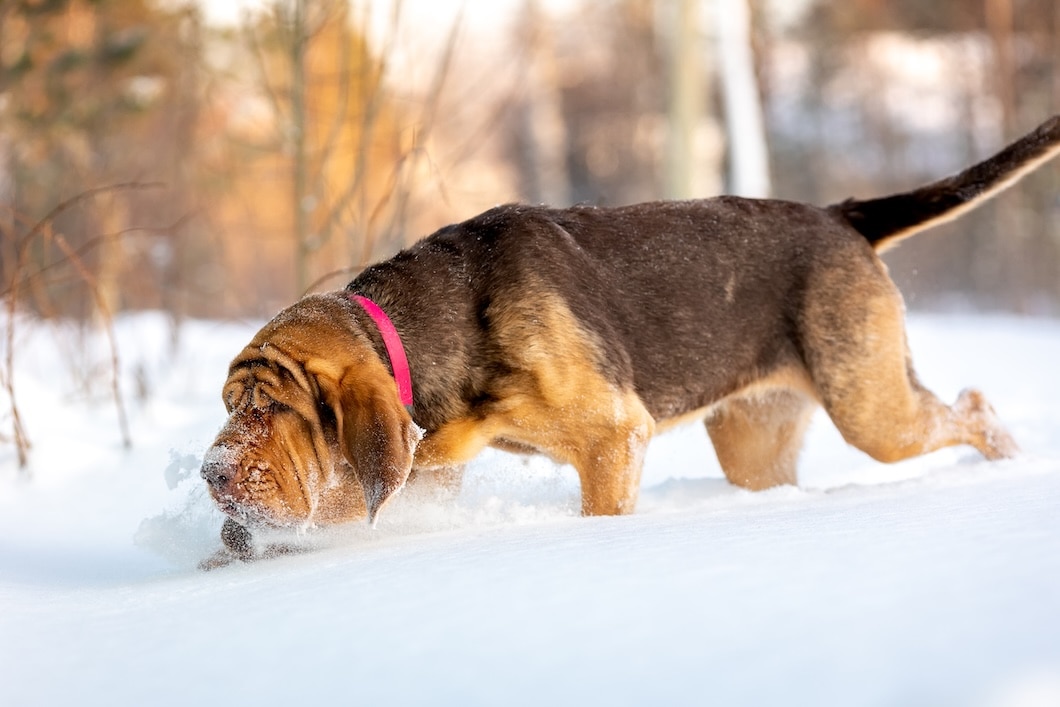
Photo by Evgenia Glinskaia/iStock via Getty Images
Basset Hounds have a typical lifespan of 12–13 years, while Bloodhounds typically live 10–12 years. Both breeds have health considerations pet parents should discuss with their veterinarian.
Maintaining a healthy weight (and choosing the right food) is important for both breeds but particularly for Basset Hounds: Excess weight can put additional strain on their long backs, increasing the risk of intervertebral disk disease.
Recommended Products


Bloodhounds and Bassets can be susceptible to bloat and gastric dilatation-volvulus (GDV), a potentially life-threatening condition.
Other health conditions of concern for both breeds include:
- Hip dysplasia
- Elbow dysplasia
- Eye problems including entropion and ectropion
- Skin fold infections and ear infections
This is not a complete list of all the health problems that can affect these two breeds. Regular veterinary exams, appropriate exercise, a complete and balanced diet, dental care, and maintaining a healthy body condition can help support both of these dogs throughout their lives. If you’re considering getting a puppy from a breeder, choose a responsible breeder who completes all recommended health testing.
Which Is the Breed for You?
| Breed | Size | Lifespan | Exercise Needs | Grooming Needs | Health Considerations |
|---|---|---|---|---|---|
| Basset Hound | Up to 15 inches; 40–65 pounds | 12–13 years | Moderate; about 30–60 minutes daily | Moderate; short coat plus regular ear and skin-fold care | Above average |
| Bloodhound | 23–27 inches; 80–110 pounds | 10–12 years | Moderate to high; at least 1 hour daily | Moderate; short coat plus regular ear and skin-fold care | Above average |
The Basset Hound may be a better match if you want a smaller, mellower scent hound who’s happy with leisurely daily walks and plenty of opportunities to sniff. Their short legs don’t make them a perfect match for runners or avid hikers, but their brain is always ready for a good scent walk or game.
A Bloodhound may suit a pet parent looking for a larger, more active companion. They need considerably more daily exercise and plenty of safe opportunities to put their noses to work.
Whichever hound wins your heart, expect plenty of high-level sniffing. Giving these dogs enough outlets for their natural talents, along with positive-reinforcement training and regular veterinary care, can help them live their fullest lives.
Attributions