Bernese Mountain Dog vs. Saint Bernard


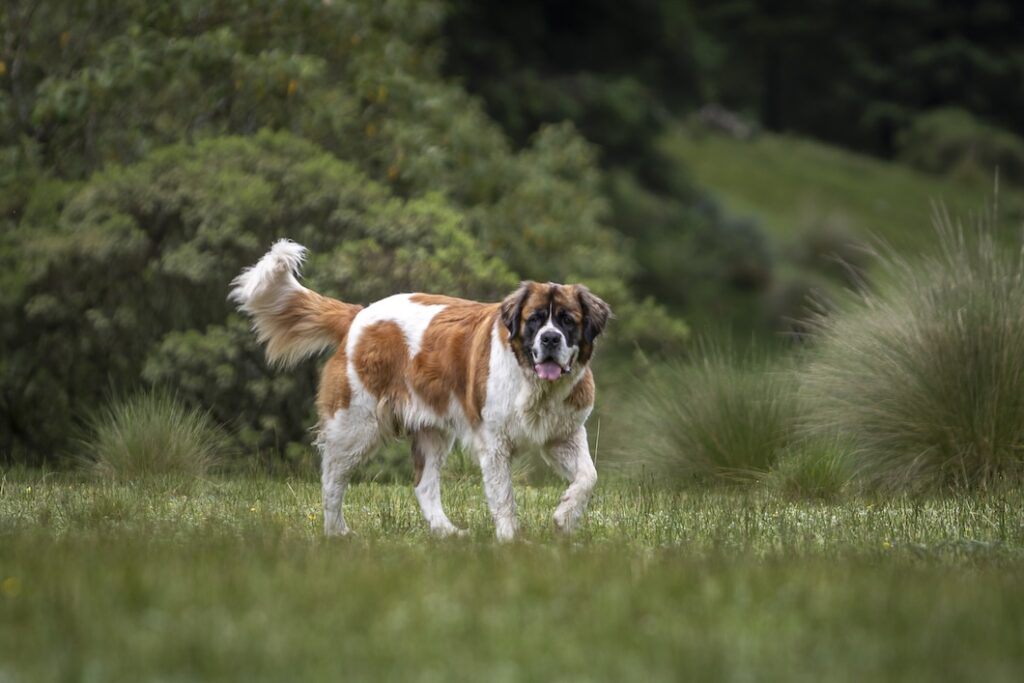
Photo by UlrikeStein/iStock via Getty Images
Big, fluffy, and happiest when they’re close to their people, Bernese Mountain Dogs and Saint Bernards have plenty in common. Both are large mountain breeds developed in Switzerland, both are well-equipped for chilly weather, and both tend to be affectionate companions.
But put a Bernese Mountain Dog and Saint Bernard side by side, and the differences become clearer: Saint Bernards are considerably heavier and less active, while Bernese Mountain Dogs tend to be more energetic and have an unmistakable tricolor coat.
Key Takeaways
- In general, Saint Bernards are larger than Bernese Mountain Dogs.
- Both breeds tend to be affectionate, people-oriented dogs who enjoy spending time with their families.
- Bernese Mountain Dogs typically need more exercise than Saint Bernards.
- Both dogs require regular grooming and can be sensitive to hot weather because of their coats.
- Always get to know any dog before bringing them home to find one that best fits your lifestyle.
History
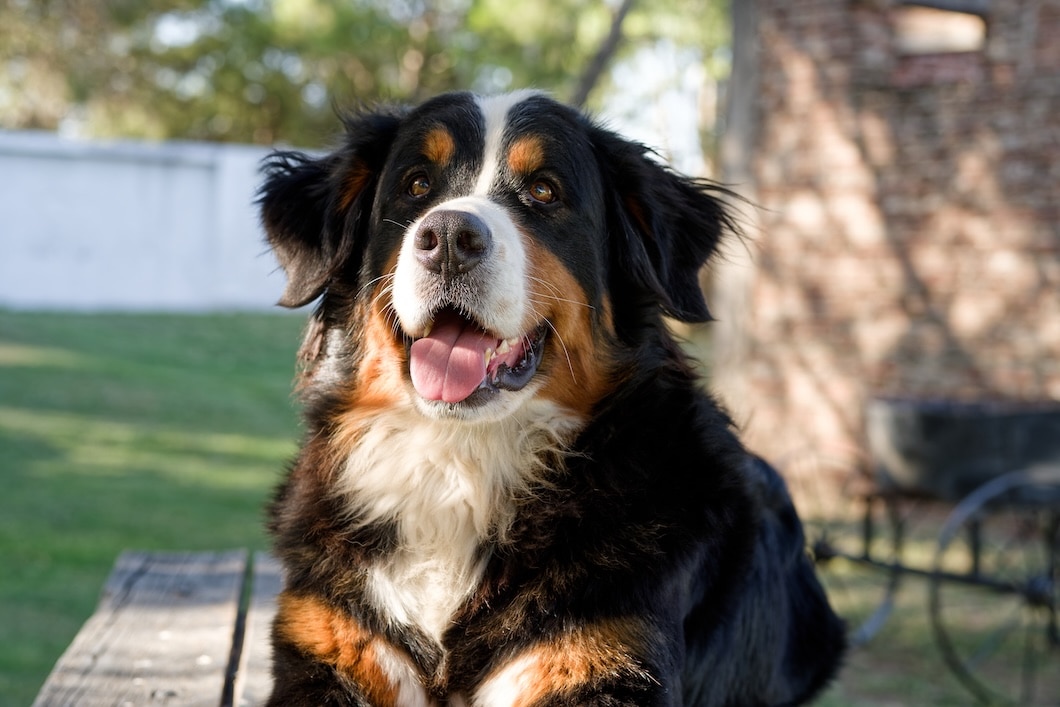
Photo by Gabriel Dominella/iStock via Getty Images
Both breeds originated in Switzerland but were initially bred to perform different jobs.
The Bernese Mountain Dog worked as a versatile farm dog, where they would pull carts, watch over the property, and act as a companion, according to the Bernese Mountain Dog Club of America. Their thick coats helped insulate them against the region’s cold weather.
Like the Berner, the Saint Bernard is another dog with a working history—but instead of farms, they started out as watchdogs and companions at an alpine monastery and hospice. From there, according to the Saint Bernard Club of America, they began working as rescue dogs who would save travelers from bad weather and avalanches.
Appearance
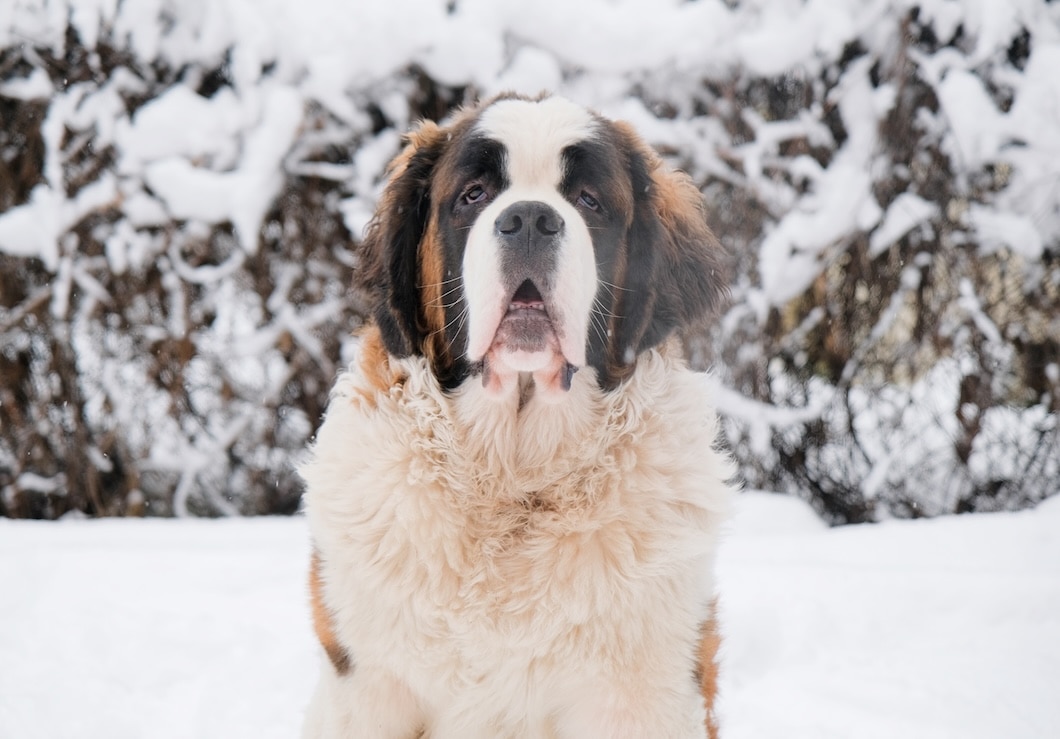
Photo by Ilona Shorokhova/iStock via Getty Images
Bernese Mountain Dogs and Saint Bernards both have broad heads and triangular ears that hang down, sweet brown eyes, and a black nose. The easiest ways to tell them apart are by their size and their coat.
Size and Build
No one is likely to call either of these dogs petite. Both are substantial breeds with coats designed for cold conditions, but the Saint Bernard is noticeably larger.
Bernese Mountain Dogs stand 23–27.5 inches tall and weigh 70–115 pounds. Their sturdy bodies are covered by a medium-length, thick double coat.
Saint Bernards stand 26–30 inches tall and typically weigh 120–180 pounds, meaning some Saint Bernards can weigh twice as much as smaller Berners.
Coat Length and Color
The Bernese Mountain Dog is easy to recognize by their distinctive tricolor coat: It’s primarily black with white markings and rust-colored accents. The medium-length double coat may be straight or wavy, and they have a bushy tail.
A Saint Bernard’s fur may be short or medium-length. They are primarily white and a shade of rust with a black mask around their face, but they have a wider range of pattern and color possibilities. Their colors can include orange, mahogany, red, brown, and brindle.
Personality
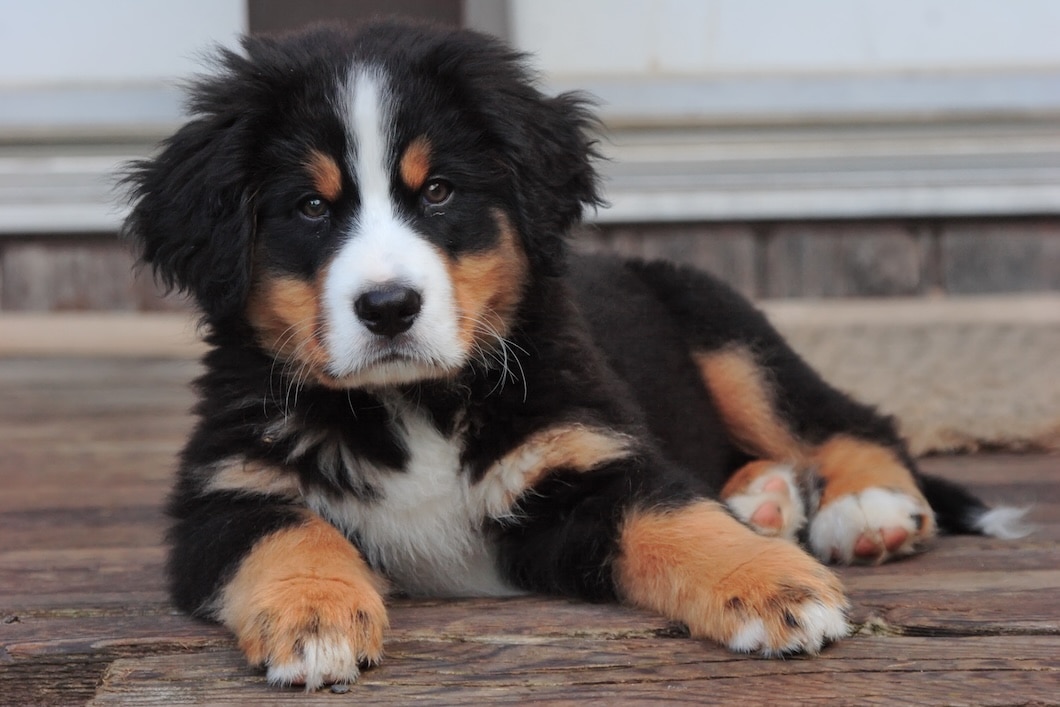
Photo by HuntImages/iStock via Getty Images
Both breeds are generally friendly dogs known for enjoying plenty of time with their people.
Bernese Mountain Dogs are known to be affectionate, fun-loving, and loyal. They tend to enjoy outdoor adventures with their families and are smart dogs who can thrive when given structured activities.
They’re generally gentle and patient, though young Berners may not always realize just how big and strong they are—teach them not to jump on people when they’re young!
Saint Bernards tend to be mellow, outgoing, and devoted sidekicks. Another good family dog, they tend to be highly social and are gentle around children and other animals. Because they grow into such large dogs, teaching good manners with consistent positive-reinforcement training is especially important.
Like every dog breed, Saint Bernards and Bernese Mountain Dogs need early and consistent socialization and training to grow up to be their best selves, and interactions with children should always be monitored.
Exercise Needs
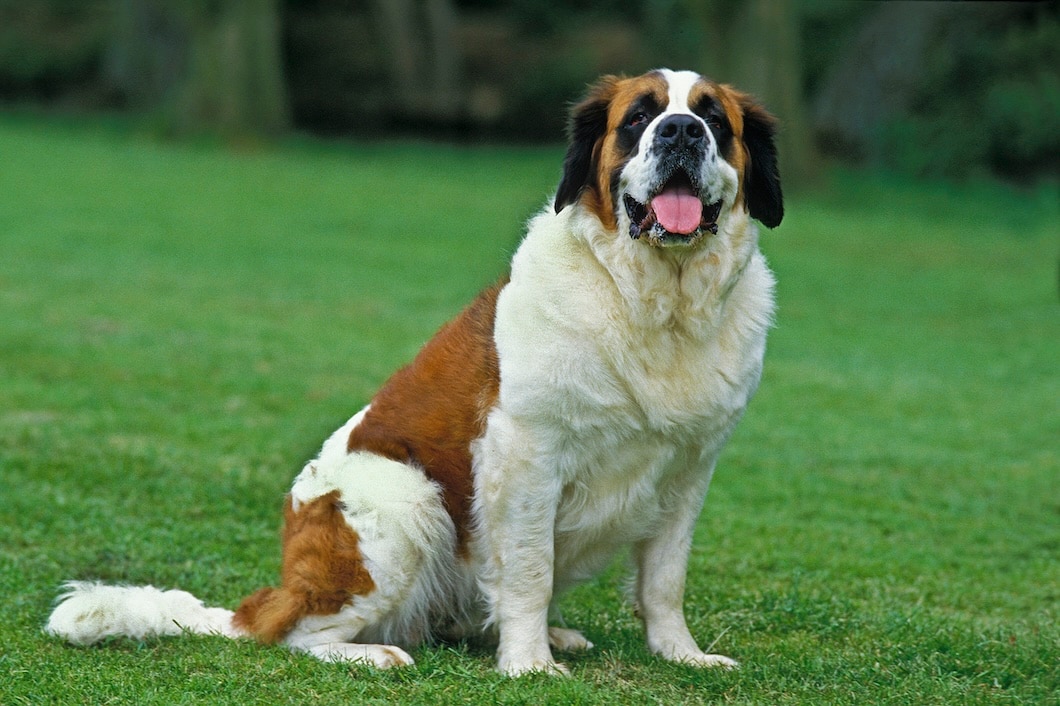
Photo by slowmotiongli/iStock via Getty Images
Neither dog requires the workout routine of a high-energy breed, but Bernese Mountain Dogs generally need more exercise than Saint Bernards.
A Berner should get at least one good walk every day, with opportunities to sniff and explore. They can also enjoy fetch, structured games, scent work, agility, and other activities they can do alongside their people. A total of 30 to 60 minutes of exercise is ideal.
Saint Bernards typically need about 30 minutes of daily exercise. Think relaxed neighborhood walks rather than long-distance runs or all-day mountain hikes. A fenced yard or dog park can provide additional opportunities for them to move and explore.
For both breeds, take precautions during hot weather because neither dog does well in the heat. Exercise during cooler parts of the day, provide plenty of fresh water, and bring your dog inside when temperatures climb.
Recommended Product
Grooming
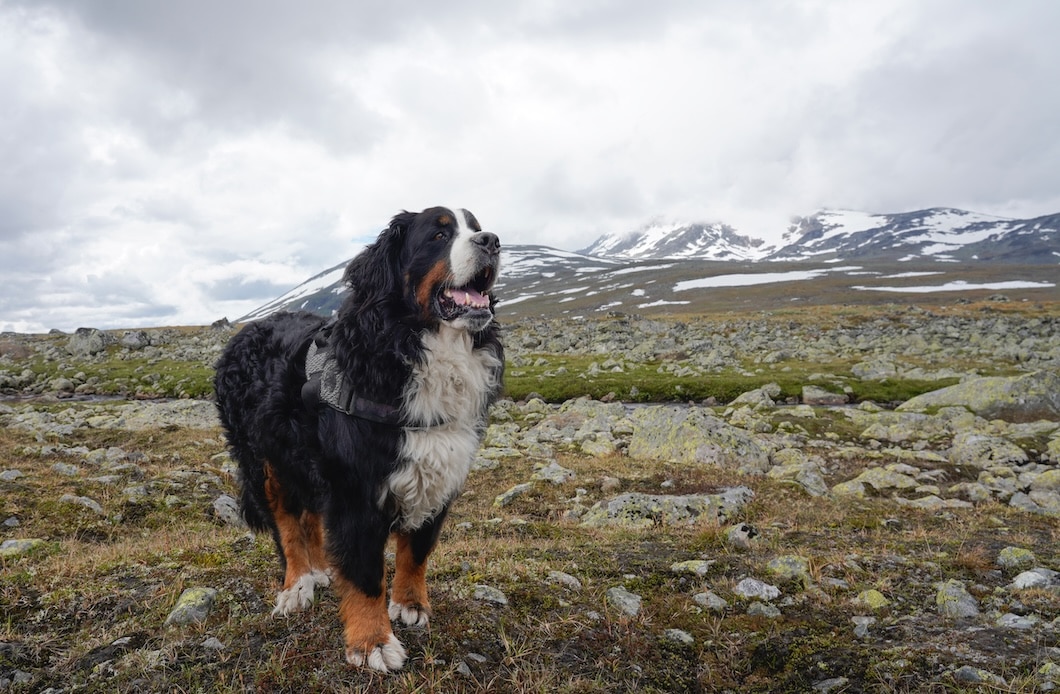
Photo by Kriste Sorokaite/iStock via Getty Images
If you choose either breed, prepare to make brushing your dog part of your routine. Both breeds have dense double coats that shed heavily year-round, but especially during spring and fall.
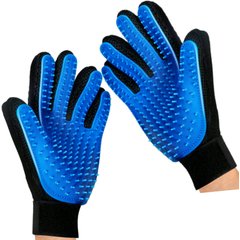
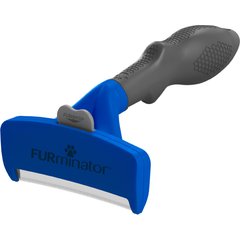
Both dogs need regular brushing throughout the week with a slicker brush or grooming glove. During heavier shedding seasons, they can benefit from a FURminator or shedding rake to remove loose hair.
Recommended Products


Routine grooming for both breeds should also include nail trims, dental care, and ear checks. Talk to your vet for the best guidance.
Recommended Products



A difference worth knowing: While Bernese Mountain Dogs aren’t known for heavy drooling, some Saint Bernards with looser jowls may drool more. A bit of slobber is a possibility, so keep a towel or face wipe close.
Recommended Products

Health
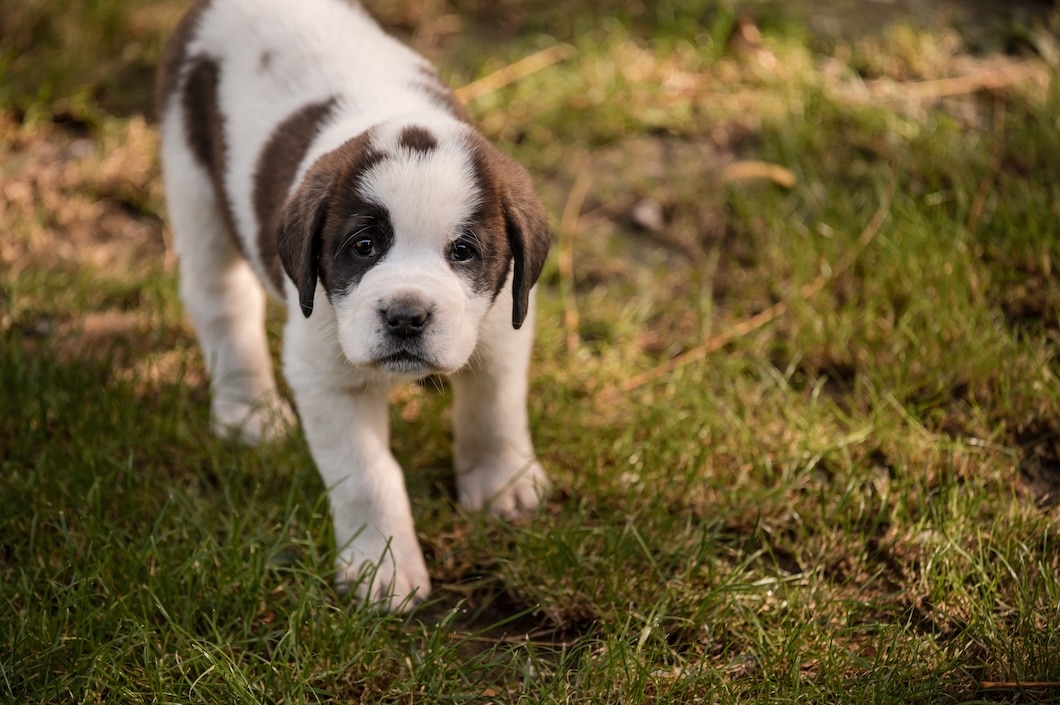
Photo by Cerise HUA/iStock via Getty Images
Both are large breeds with relatively short lifespans. Bernese Mountain Dogs generally live 7–10 years, while Saint Bernards typically live 8–10 years.
One of the biggest health considerations for both breeds is bloat and gastric dilatation-volvulus (GDV), which is when the stomach becomes distended with air and/or food and twists on itself. These are life-threatening conditions that progress quickly, so take your dog to the emergency vet immediately if you notice symptoms like retching, pacing, excessive drooling, pain, and a distended stomach.
Pet parents can take steps to help prevent these conditions by:
- Feeding their dog at least two meals per day instead of one large meal
- Using a slow feeder bowl
- Keeping food bowls on the floor instead of elevating them
- Restricting exercise for one hour after their dog eats
- Speaking with their veterinarian about a gastropexy surgery, which secures the dog’s stomach to their abdominal wall to prevent twisting
Other conditions both breeds can develop include:
- Hip dysplasia and elbow dysplasia
- Cancers, including histiocytic sarcoma in Bernese Mountain Dogs and osteosarcoma in Saint Bernards
- Eye issues, such as cataracts, entropion, and ectropion
Pet parents of either breed should prioritize routine veterinary care and maintaining an appropriate weight. Because these are very large dogs, keeping their joints healthy is another important part of lifelong care. Ask your vet about supplements that could help.
Recommended Products



If you’re bringing home a puppy from a breeder, choose a responsible breeder who performs the recommended health screenings. Adoption is another option, and breed-specific rescues and animal shelters may have Bernese Mountain Dogs or Saint Bernards looking for homes.
Which Is the Breed for You?
| Breed | Size | Lifespan | Exercise Needs | Grooming Needs | Health Considerations |
|---|---|---|---|---|---|
| Bernese Mountain Dog | 70–115 pounds | 7–10 years | Moderate; 30–60 minutes daily | High; brush 3–4 times weekly and more during seasonal shedding | Higher than average |
| Saint Bernard | 120–180 pounds | 8–10 years | Moderate-low; about 30 minutes daily | Moderate-high; regular brushing and shedding management | Higher than average |
A Bernese Mountain Dog may be a great match if you want a big, affectionate companion who’s eager to join the family for daily walks and outdoor adventures. The Saint Bernard may appeal to pet parents looking for—yes!—an even bigger dog with more relaxed exercise requirements.
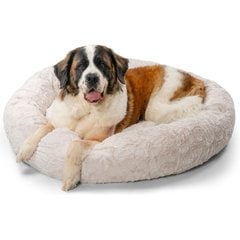
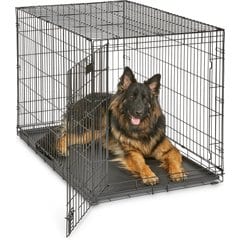
For either breed, think carefully about what living with a very large dog means. Food, medication, beds, crates, and other everyday necessities all need to accommodate a big body.
Recommended Products

But if you have room in your home and routine for one of these mountain dogs, either breed can bring a whole lot of (very furry!) companionship.
Attributions