Elbow Dysplasia in Dogs: Signs, Treatment, and Prevention
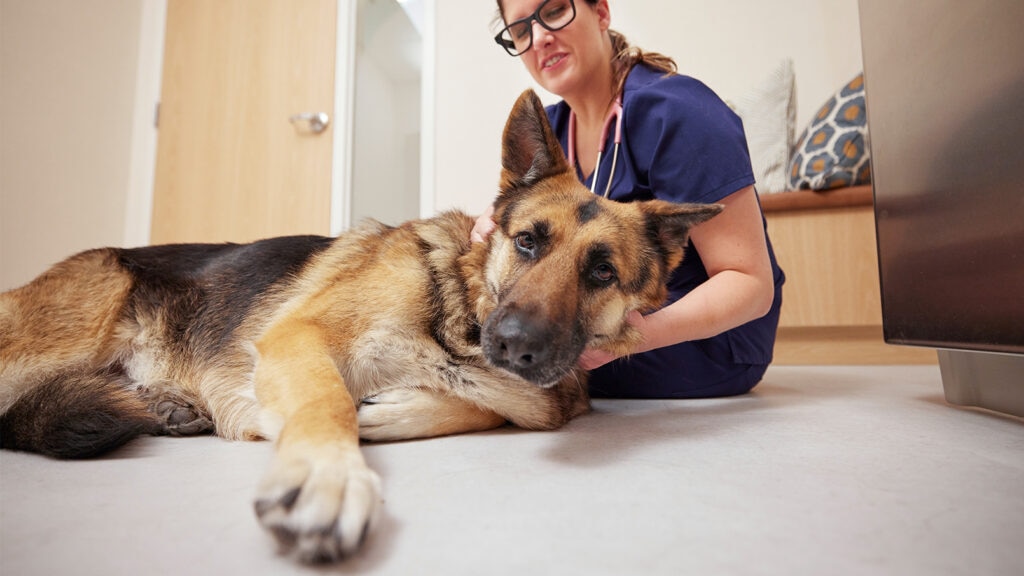
Photo by Chewy
Elbow dysplasia is a common cause of front leg limping in growing dogs, especially in large and giant breeds. It’s not just one condition, but a group of joint issues that keep the elbow from developing and working the way it should.
Elbow dysplasia in dogs can be easy to miss at first, but over time it can lead to pain, inflammation, and arthritis that affect your dog’s long-term mobility. Knowing what to watch for and understanding your treatment options can help you step in early and better support your pup’s comfort and movement.
Key Takeaways
- Elbow dysplasia is a developmental condition that affects the joints of the front legs and can lead to arthritis.
- Early signs include limping, stiffness, and reluctance to exercise, especially after activity.
- Treatment may include surgery, medications, weight management, and supportive therapies like physical therapy.
- Large and giant breed dogs are at higher risk, especially during rapid growth stages as puppies.
- Feeding a balanced diet, maintaining a healthy weight, and managing exercise may help reduce risk.
What Is Elbow Dysplasia in Dogs?
Canine elbow dysplasia is a joint condition that affects front leg mobility as a puppy grows. The elbow joint is made up of three bones: the radius, ulna, and humerus, which normally fit together like a puzzle.
With elbow dysplasia in dogs, those bones don’t line up correctly, so they can’t function normally. Over time, these misaligned puzzle pieces rub together, causing irritation and damage to both soft tissue in the area (muscle, tendons, etc.) and the bones.
Types of Canine Elbow Dysplasia
Elbow dysplasia in dogs is a group of related abnormalities, not just one single problem that interferes with normal elbow function. These are the four main conditions associated with elbow dysplasia in dogs:
Fragmented Medial Coronoid Process (FMCP)
Fragmented medial coronoid process of the ulna is the most common abnormality in dogs with elbow dysplasia. The medial coronoid process is part of the ulna that is close to the head of the radius and helps to stabilize the joint and allow for normal movement.
With FMCP, this part of the bone becomes damaged and develops small cracks or breaks instead of being smooth and uniform. This fragment causes an uneven joint surface, resulting in pain and secondary arthritis.
Ununited Anconeal Process (UAP)
Ununited anconeal process of the ulna is common in German Shepherds but can be seen in any breed. The anconeal process is a small hook–like point at the end of the ulna bone. During development in puppies, bones have gaps in them that should fuse together over time. UAP results from the anconeal process not fusing properly to the rest of the ulna, resulting in a very unstable elbow joint.
Osteochondritis Dissecans (OCD)
Osteochondritis dissecans is a form of elbow dysplasia that affects the cartilage of the joint, usually involving the humerus. Cartilage is responsible for creating a smooth, protective lining to cushion the inside of the joint, allowing bones to smoothly glide over eachother.
In dogs with OCD, the cartilage doesn’t develop properly, becoming weak and thickened. It can even break away from the underlying bone, causing a flap. This cartilage flap leads to an uneven joint surface, causing a damaged joint.
Elbow Joint Incongruity (EI)
Elbow joint incongruity is another condition associated with elbow dysplasia in dogs. It happens when the three bones that make up the elbow do not fit together correctly. There are three different forms, which all prevent weight from being distributed evenly across the joint:
- Step incongruity—a difference in length between the radius and ulna
- Abnormal development of the trochlear notch of the ulna
- Humeroulnar mismatching—the humerus and the ulna not meeting up properly
Signs of Elbow Dysplasia in Dogs
Elbow dysplasia is common in medium, large, and giant breed dogs and happens during their growth phase as puppies. Dogs often have subtle signs initially that get worse with exercise and don’t resolve with rest. Signs of elbow dysplasia in dogs include:
- Limping or lameness, especially after activity
- Refusal or reluctance to exercise
- Turning the paw inward and holding the elbow in front of the body
- Noticeable head bob associated with front leg lameness
- Shortened stride
- Decreased range of motion in joints
- Stiffness at rest
- Extending and flexing the elbow often (pain response)
- Swelling and/or warmth of the elbow joint
- Atrophy of leg muscles
Causes of Canine Elbow Dysplasia
Elbow dysplasia doesn’t have just one cause. In most dogs, it’s a mix of factors working together. Genetics often play a big role, but things like growth rate, nutrition, and activity level can also influence how the condition develops.
- Genetics: This is the biggest factor. Some dogs inherit joint structures or cartilage issues that make elbow dysplasia more likely.
- Rapid growth: Fast-growing puppies—especially large and giant breeds—are at higher risk, as their joints develop quickly.
- Nutrition: Diet plays an important role. Overfeeding, excess calories, and too much calcium can put extra stress on developing joints.
- High-impact activity: Frequent jumping, rough play, or repetitive strain can put added pressure on the elbow joint and make problems worse.
Dog Breeds Predisposed to Elbow Dysplasia
Although medium breeds can be affected too, large and giant breed dogs are most at risk of elbow dysplasia. Male dogs are also more commonly affected than females. Some of the most commonly affected breeds are:
How Vets Diagnose Elbow Dysplasia in Dogs
Most dogs with elbow dysplasia are diagnosed when they’re young, typically between 6 and 12 months old, but some aren’t diagnosed until later in life once arthritis starts to develop. It often affects both elbows, even if your dog is only limping on one front leg, so your vet will usually check both sides.
To get a clear diagnosis, your veterinarian will start with a full health history, including any information about your dog’s parents if available. They’ll then examine your dog’s movement, checking their range of motion and watching how they walk or run.
From there, X-rays (radiographs) are used to take a closer look at the elbow joint. Because the elbow is a small and complex area, your vet may recommend more advanced imaging—like a CT scan—or procedures such as arthroscopy to get a better view. A diagnosis is made when one or more specific joint abnormalities are identified.
Dog Elbow Dysplasia Treatment
Treatment of elbow dysplasia in dogs depends on how severe the condition is, your dog’s age, and their overall health.
The sooner it’s caught and treated, the better the chances of improving your dog’s comfort and mobility. In many cases, surgery is recommended—but for milder cases or senior dogs, your vet may also discuss more conservative or supportive care options.
Surgery
Surgery is often the most effective way to manage pain and slow the progression of arthritis caused by elbow dysplasia. The goal is to improve joint function, reduce discomfort, and, in some cases, remove damaged tissue.
For dogs with mild disease, surgery may involve removing small pieces of abnormal cartilage or bone. In more advanced cases, procedures may focus on improving how the joint fits and moves—or, in severe situations, may even involve joint replacement.
Whenever possible, veterinarians use a minimally invasive technique called arthroscopy. This procedure uses small incisions and a tiny camera to view and treat the joint, which can mean less pain and a quicker recovery for your dog.
On average, about 85% of cases will show some degree of improvement in lameness and comfort after surgical treatment, according to the American College of Veterinary Surgeons.
Medications
Medications are commonly used to help manage pain and inflammation in dogs with elbow dysplasia. In mild cases, medications and other conservative treatments can help control the symptoms and keep your dog comfortable. They’re also often part of recovery after surgery.
- NSAIDs: Nonsteroidal anti-inflammatory drugs like carprofen and deracoxib
Recommended Products
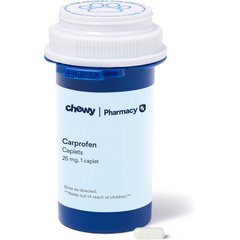
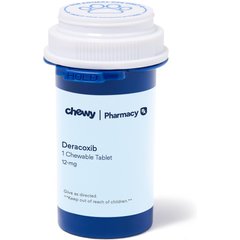
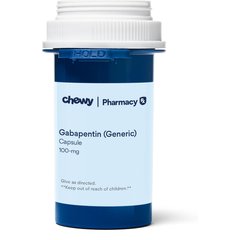
- Oral pain medications: Tramadol, gabapentin, amantadine
Recommended Product
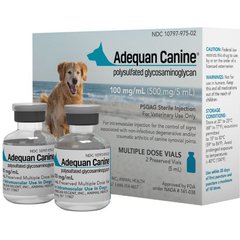
- Injectable pain medications: Opiates, Librela, Adequan
Recommended Product
- Transdermal pain patches such as fentanyl
- Nerve blocks such as lidocaine
Supplements and Supportive Therapies
Most limping dogs and those with joint issues such as elbow dysplasia can benefit from supportive care, including joint supplements and physical therapy. These vet-recommended supportive care methods should be used alongside primary treatment, not in place of it.
Joint Health Supplements
Joint supplements are often recommended as part of long-term care for dogs with elbow dysplasia, no matter the severity. Glucosamine, chondroitin, omega-3 fatty acids, MSM, hyaluronic acid, green-lipped mussel, and collagen are ingredients to look for in an effective joint supplement for dogs.
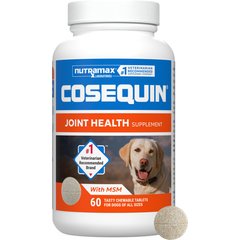
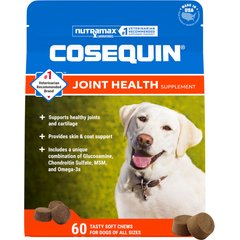
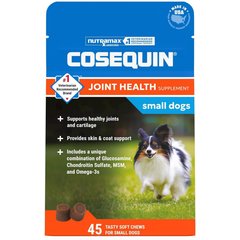
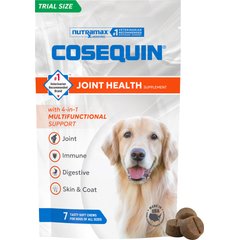
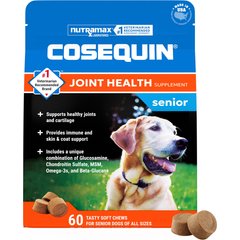
Cosequin is a great example of a vet-recommended joint supplement for dogs. It comes in a variety of forms for dogs of all sizes and contains a unique combination of some of these ingredients to support healthy joints in dogs.
Recommended Products
Physical Therapy
Physical therapy can play a big role in helping dogs with elbow dysplasia stay comfortable and mobile. These programs focus on gentle, low-impact exercises, like stretching and controlled movements, to strengthen muscles and support the joint without adding extra strain.
Hydrotherapy is a popular option, since the water helps take pressure off the joints while still allowing your dog to build strength. This can include swimming at home or sessions on an underwater treadmill at a veterinary rehab center.
Some dogs may also benefit from additional therapies, like cold laser treatments or acupuncture, to help reduce pain and inflammation. In certain cases, your vet may recommend regenerative options, such as stem cell therapy or platelet-rich plasma, to support healing in arthritic joints.
Weight Management
Keeping your dog at a healthy, lean weight is one of the most important ways to manage elbow dysplasia. Extra weight puts added pressure on already sensitive joints, which can worsen pain and speed up joint damage.
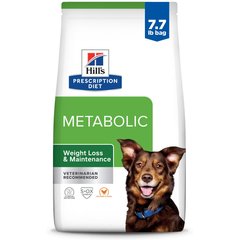
If your dog is overweight, your veterinarian may recommend a weight management plan that includes portion control, regular low-impact exercise, or a therapeutic diet like Hill’s Prescription Diet Metabolic to help them safely lose weight and maintain joint health.
Recommended Product
Preventing Elbow Dysplasia in Dogs
Since genetics are involved, elbow dysplasia can’t always be prevented. However, there are steps you can take to help reduce the risk and support healthy joint development.
If you’re getting a puppy, choosing one from parents without a history of elbow dysplasia can help. But for many dogs, especially rescues, that information isn’t always available—so focusing on everyday care at home is key.
- Feed a balanced diet: Make sure your dog is eating a complete and balanced food appropriate for their age and size. Large- and giant-breed puppies, in particular, benefit from formulas designed to support their rapid growth.
- Maintain a healthy weight: Although a chubby puppy can be pretty adorable, keeping your dog lean helps reduce stress on developing joints. Avoiding excess weight can make a big difference long-term.
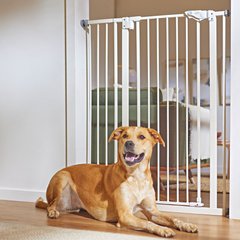
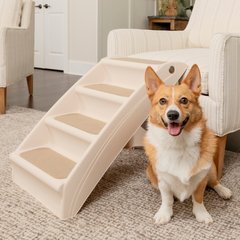
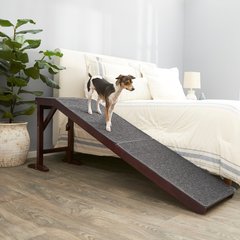
- Manage exercise: Limit repetitive, high-impact activities like frequent jumping or excessive stair use—especially in puppies under 6 months old, while their joints are still developing. Use a dog gate to limit access to stairs and dog steps or ramps for easier access to high furniture.
Recommended Products
- Support joint health early: Your vet may recommend joint supplements, like Cosequin, to help support cartilage and overall joint function.
Canine Elbow Dysplasia FAQs
How long can dogs live with elbow dysplasia?
Dogs can live a normal life span with elbow dysplasia as long as it’s treated as early as possible. Ensuring pain and arthritis are managed is the key to keeping a dog with elbow dysplasia alive as long as possible.
What are the first signs of elbow dysplasia in dogs?
The first signs of elbow dysplasia are often very subtle in young puppies and include limping, reluctance to exercise, and inability to recover from exercise quickly. Some dogs aren’t diagnosed until later in life, when arthritis develops. At that point, signs may include a stiff gait, reduced range of motion, or visible swelling around the joints.
How much does it cost to fix a dog’s elbow dysplasia?
Surgery for elbow dysplasia depends on the severity of the disease, how many abnormalities need to be corrected, and your dog’s age and health status. Surgery can range from $3,000 to $6,500 per elbow.
Should I walk my dog with elbow dysplasia?
Yes, you should still walk your dog with elbow dysplasia since walking helps keep the joints flexible and maintains muscle strength. Stick to short, frequent, low-impact walks on flat surfaces.
Do dogs with elbow dysplasia always limp?
No, dogs with elbow dysplasia do not always limp. Early or mild changes in the elbow might not cause any changes to the way your dog gets around. With elbow dysplasia on both sides, they might only show intermittent limping or none at all, as their gait can appear more stiff than uneven.
Attributions