Scent Walks for Dogs: Why You Should Take Your Dog on a ‘Sniffari’


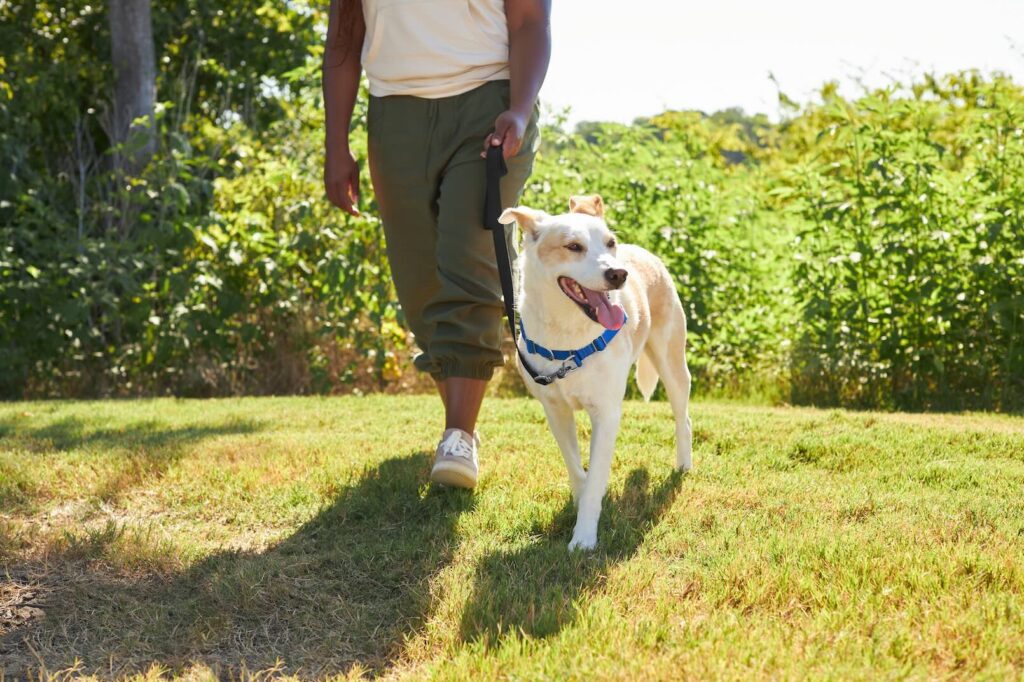
Photo by Chewy
Taking your dog for a walk is a great way to bond, but are your regular walks becoming a bit mechanical? If your daily walk is starting to become boring for you, it might be dull for your dog, too. It might be time to switch things up and take your dog on a sniffari.
You don’t need a passport or travel gear. A sniffari, or scent walk, can happen anywhere you normally go with your dog—but it requires you to take a new approach to your next walk. Here’s everything you need to know to take a successful scent walk.
Key Takeaways
- A scent walk (also known as a “sniffari”) is when you let your dog’s nose take control of your walk.
- Scent walks provide dogs with mental stimulation and enrichment as they explore the world through their sense of smell.
- Ideally, you should take your dog on a scent walk every day.
What Is a Scent Walk?
“A scent walk (also known as a ‘sniffari’) is when a dog parent takes their pup outside for the specific purpose of letting the dog explore the world through their nose,” says Sean Pritchard, a member of the Association of Professional Dog Trainers and president and head canine fitness coach of Pant & Wag in Washington, D.C.
A scent walk gives your dog control over the pace, direction, and points of interest during the walk.
“This can be frustrating for humans because you will usually spend more time stopped than moving,” Pritchard says. “It’s important to remember that the focus of this walk is on the dog’s nose, not their legs.”
Why Are Scent Walks for Dogs Important?
There are two big benefits to scent walks for dogs: enrichment and freedom.
Enrichment
“A dog’s sense of smell is very sensitive and provides great stimulation to the brain,” says Liz Stelow, DVM, DACVB, chief of behavior science at the UC Davis School of Veterinary Medicine in Davis, California.
Think of it this way: A clean house doesn’t offer much in the way of novel scents, so a sniffari can give your pup a variety of different smells to explore.
Freedom
Dr. Stelow says pet parents often have a specific agenda for a walk that starts with something like, “We need to get a good 20 minutes in before I leave for work,” or “He’s been cooped up all day, so we’ll walk to the park and back before dinner.”
But instead of hurrying your dog along, a scent walk gives them the freedom to explore, and it’s a great way to switch up your walking routine.
“The leisurely opportunity to stop to examine an item, to walk off the path to nose around under the ivy, and to turn around to track a scent they didn’t notice the first time is a great gift for the average dog,” Dr. Stelow says.
The bottom line is that scent walks are very natural for dogs and can provide broad physical and mental benefits to your pup. According to Pritchard, these types of walks can reduce a dog’s stress levels and lead to a healthier, more fulfilling life.
How Often Should You Go on a Scent Walk With Your Dog?
You should probably take your dog for a scent walk more often than you think—daily is best, according to experts. You can make it part of your dog’s daily routine, Pritchard says. He recommends combining a scent walk with a more structured walk.
For dogs who need very little exercise, he recommends a 70/30 split, where the first 70% of the walk is dedicated to sniffing and the remaining 30% is dedicated to movement.
“For more athletic doggos, reverse the split so 70% of the walk is dedicated to movement and the remaining 30% is sniff-mania,” he says.
Tips for Going on Scent Walks
To help your dog get the most out of a sniffari, keep these pointers in mind:
Get the Right Gear
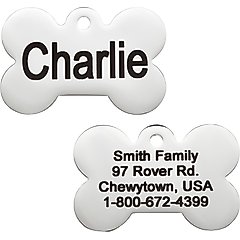
There’s nothing fancy needed—to take your dog on a scent walk, you just need a sturdy leash and a collar or harness. Make sure your dog is wearing ID tags and is microchipped in case the worst happens and they manage to slip away from you.
Recommended Products
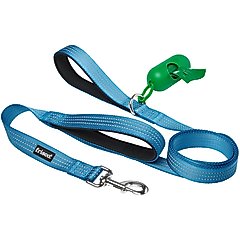
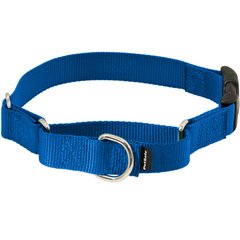

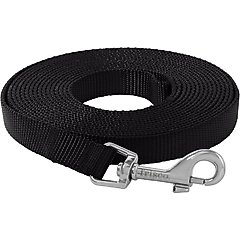
You can also opt for a long training leash to give your dog a little more room to sniff.
Recommended Product
Be Patient
Remember that the point of this activity is for your dog to explore using their amazing sense of smell—and that doesn’t happen as quickly as we might think.
“I’ve learned to really appreciate our human ability to see something and analyze it in mere milliseconds without even trying,” Pritchard says. “It takes dogs literal minutes to do the same thing through their nose, so we must be really patient as they sniff that single blade of grass for what seems like an eternity.”
Don’t Worry About Being in Control
“The dog [parent] should not be easily embarrassed by the thought that their dog is ‘dictating’ the course of the walk and the length of each pause,” Dr. Stelow says.
Give Your Dog Interesting Options
Pritchard encourages pet parents to choose “sniffy” locations like wooded areas, tall grass, and different neighborhoods.
“Think of smells as content for your dog,” he says. “The same way social media offers fresh content for our eyes, you want to offer fresh smells for your dog.”
Attributions