Maltese vs. Bichon Frise: Which Is Right for You?


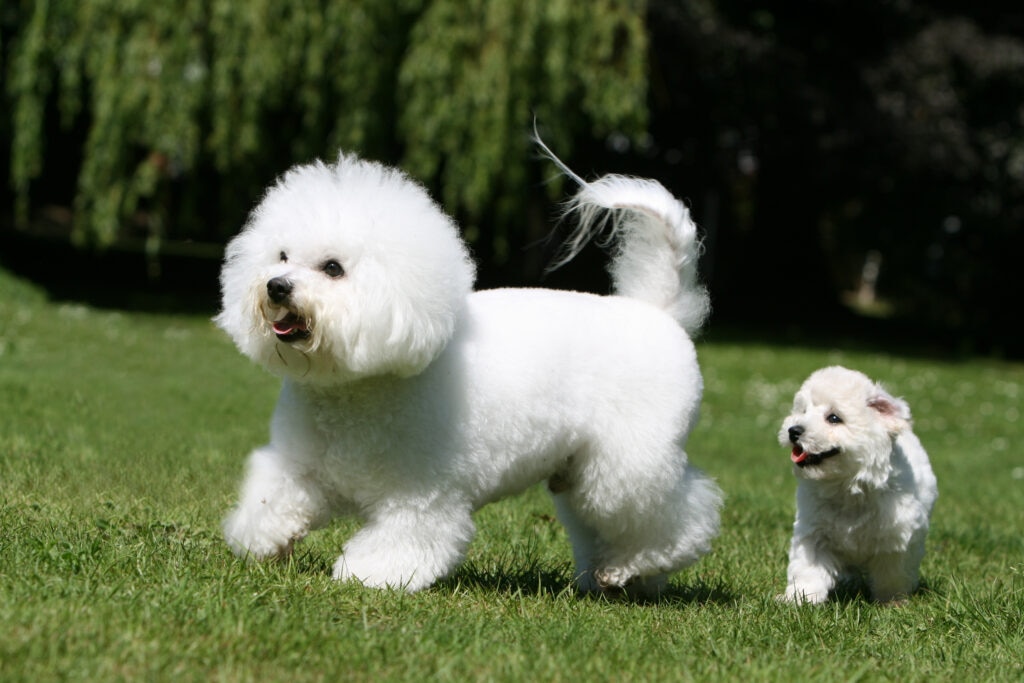
Photo by Adobe/dogs
The Maltese and the Bichon Frise are both small, white companion dogs with cheerful personalities and coats that shed little. At first glance, they can look remarkably similar—but spend a little time with each breed, and their differences become clear.
If you’re deciding between a Maltese and a Bichon Frise, consider more than their adorable, head-turning appearance. Their size, grooming needs, activity level, and personality all influence which breed is ideal for your home and lifestyle. Here’s a closer look at what sets these two popular companions apart.
Key Takeaways
- The Maltese is smaller than the Bichon Frise, typically weighing under 7 pounds, while Bichons Frise generally weigh 12–18 pounds.
- Both breeds thrive on companionship and do best with pet parents who can spend plenty of time with them.
- Bichons Frise tend to have higher energy levels and enjoy more active play, while Maltese are usually content with moderate daily exercise.
- The Maltese has a long, silky single coat, while the Bichon Frise has a curly double coat.
- With proper care, both breeds can enjoy long lifespans and make affectionate companions for many different households.
History
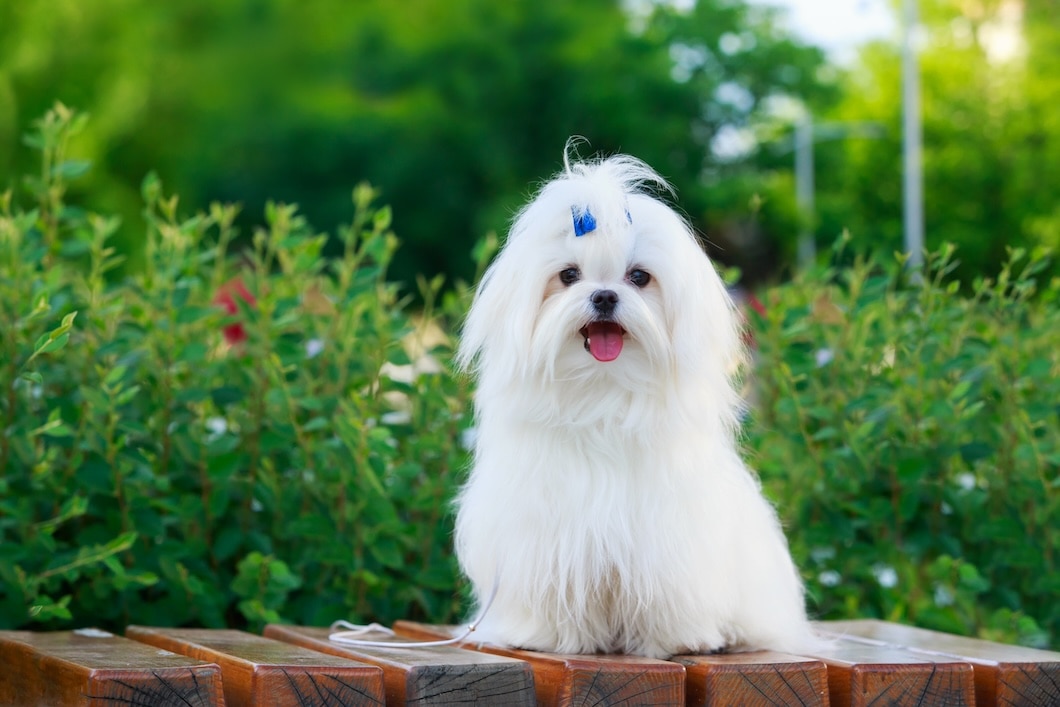
Photo by DevidDO/iStock / Getty Images Plus via Getty Images
Both breeds have origins in the Mediterranean region and belong to the bichon family, which also includes the Havanese and Bolognese. Maltese and Bichons are related, though specific origins are murky.
Their history stretches back thousands of years. Rather than serving as working dogs, both the Maltese and Bichon Frise were bred primarily as companions.
The Maltese is named for the island of Malta in the Mediterranean. The breed served as a status symbol for ancient Romans. After the Roman Empire, they became popular with European nobility.
Bichons followed a similar trajectory; they originated in the Canary Islands and later grew in popularity in European courts. Later, Bichons Frise became linked to circuses and street performers, where they performed tricks.
Appearance
Although both breeds are known for their bright white coats, several features make it easy to tell them apart.
Size and Build
- Maltese: Under 7 pounds and about 7–9 inches tall. The Maltese’s frame is noticeably more delicate and compact than the Bichon’s.
- Bichon Frise: 12–18 pounds and 9.5–11.5 inches tall. The Bichon Frise has a sturdier build than the Maltese.
Coat
- Maltese: A long, silky, straight single coat that can grow all the way to the floor if left untrimmed, but many pet parents choose a shorter “puppy cut” to make maintenance easier. The Maltese’s coat is white, though their ears can be light tan or lemon colored.
- Bichon Frise: Soft, dense undercoat and a curly outer coat that gives them their signature powder-puff appearance. Their plush coat naturally stands away from the body rather than lying flat. Bichons Frise are typically white, but may have apricot, buff, or cream shadings.
Head and Face
- Maltese: Long facial hair that frames dark, expressive eyes and a black nose. The Maltese’s feathery ears hang low and are covered with long hair.
- Bichon Frise: Rounder head with a fluffy face that resembles a teddy bear. Their dropped ears blend into the curly coat, making the face appear especially round.
Personality
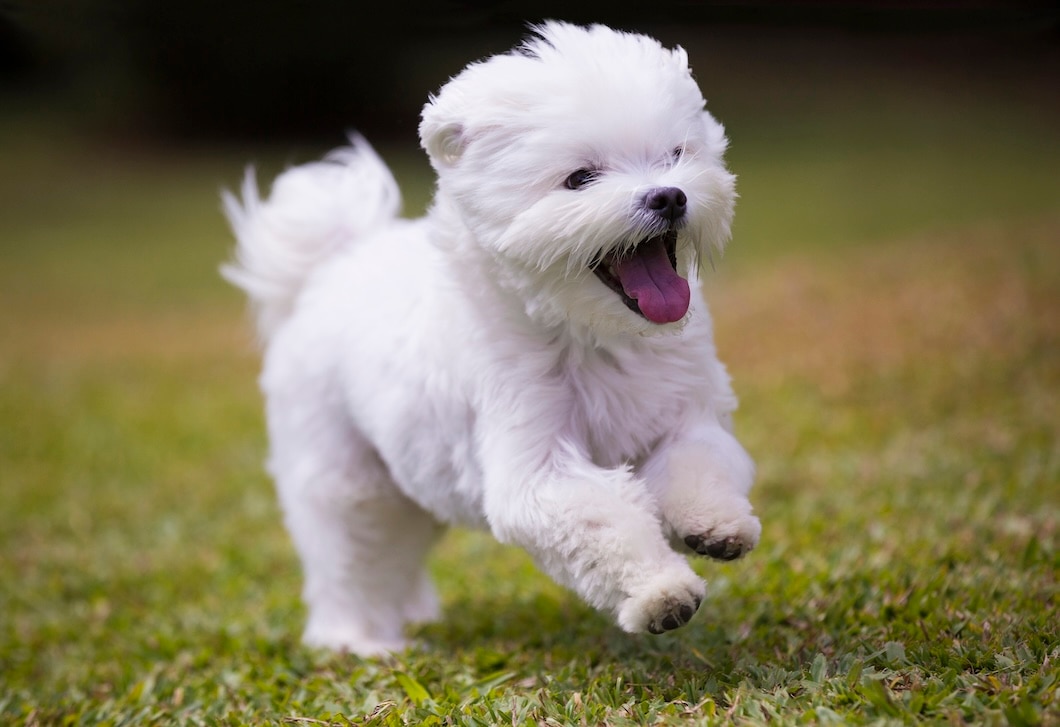
Photo by kimrawicz/iStock / Getty Images Plus via Getty Images
Both the Maltese and the Bichon Frise were bred to be companion dogs, so they thrive on human interaction and don’t enjoy spending long periods alone. However, they express their affection in different ways.
The Maltese tends to be a little more laid-back. They often form especially close bonds with one or two people and are happiest when they’re by your side, whether that’s cuddling on the couch or following you from room to room. While they’re playful and enjoy learning new tricks, they’re generally content with a quieter lifestyle.
The Bichon Frise is typically more outgoing and exuberant. They love being the center of attention and often greet new people and other dogs with enthusiasm. Bichons Frise tend to have a playful, clownish streak and are happiest when they’re included in everyday life, whether that’s playing in a fenced yard, going on leashed walks, learning new tricks, or curling up with the family after a busy day.
Recommended Products
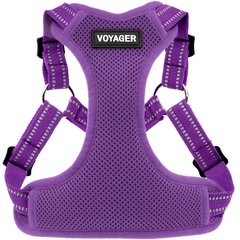
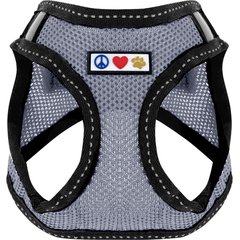
Both breeds respond well to positive reinforcement training and early socialization. The Maltese’s sensitive nature often calls for a gentle, patient approach, while the Bichon Frise’s eagerness to please and playful attitude can make training feel like a game.
Exercise Needs
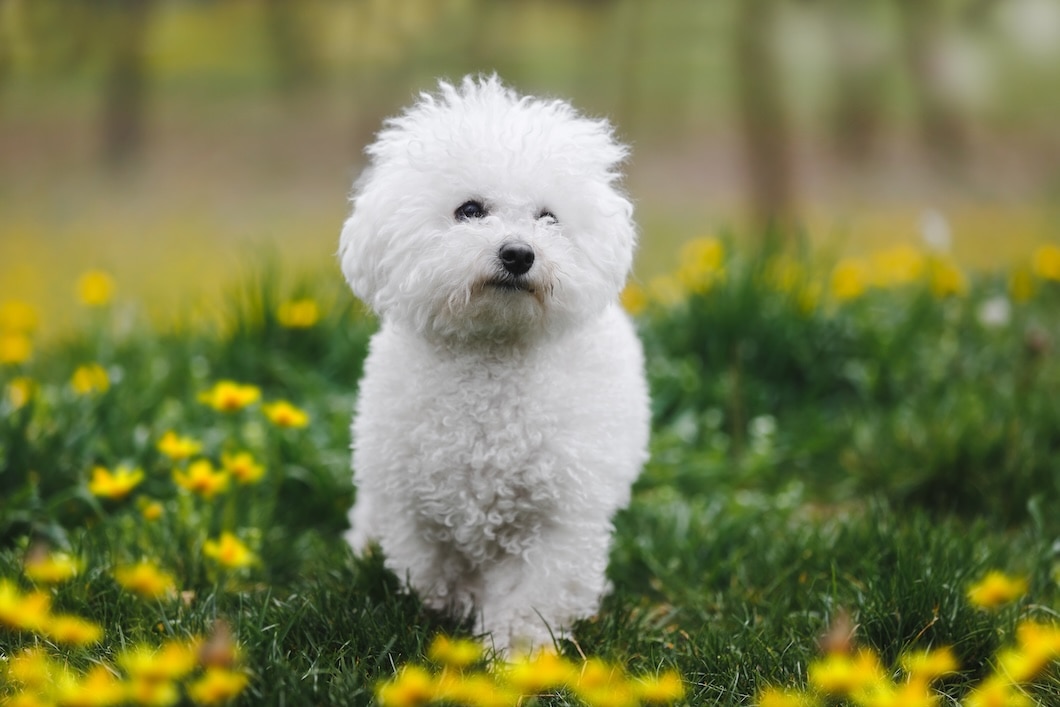
Photo by Adobe/happyimages
Neither breed requires hours of vigorous exercise, and both benefit from daily physical activity and mental enrichment.
A Maltese is generally satisfied with at least one brisk 20- to 30-minute daily walk mixed with indoor play sessions and puzzle toys. Short bursts of activity throughout the day often work wonders for their energy level.
Recommended Products
Bichons Frise typically have slightly higher energy levels than Maltese. Daily walks, games of fetch, and opportunities to explore help keep them physically and mentally engaged. Their history as eager performers means many enjoy learning new skills.
Grooming
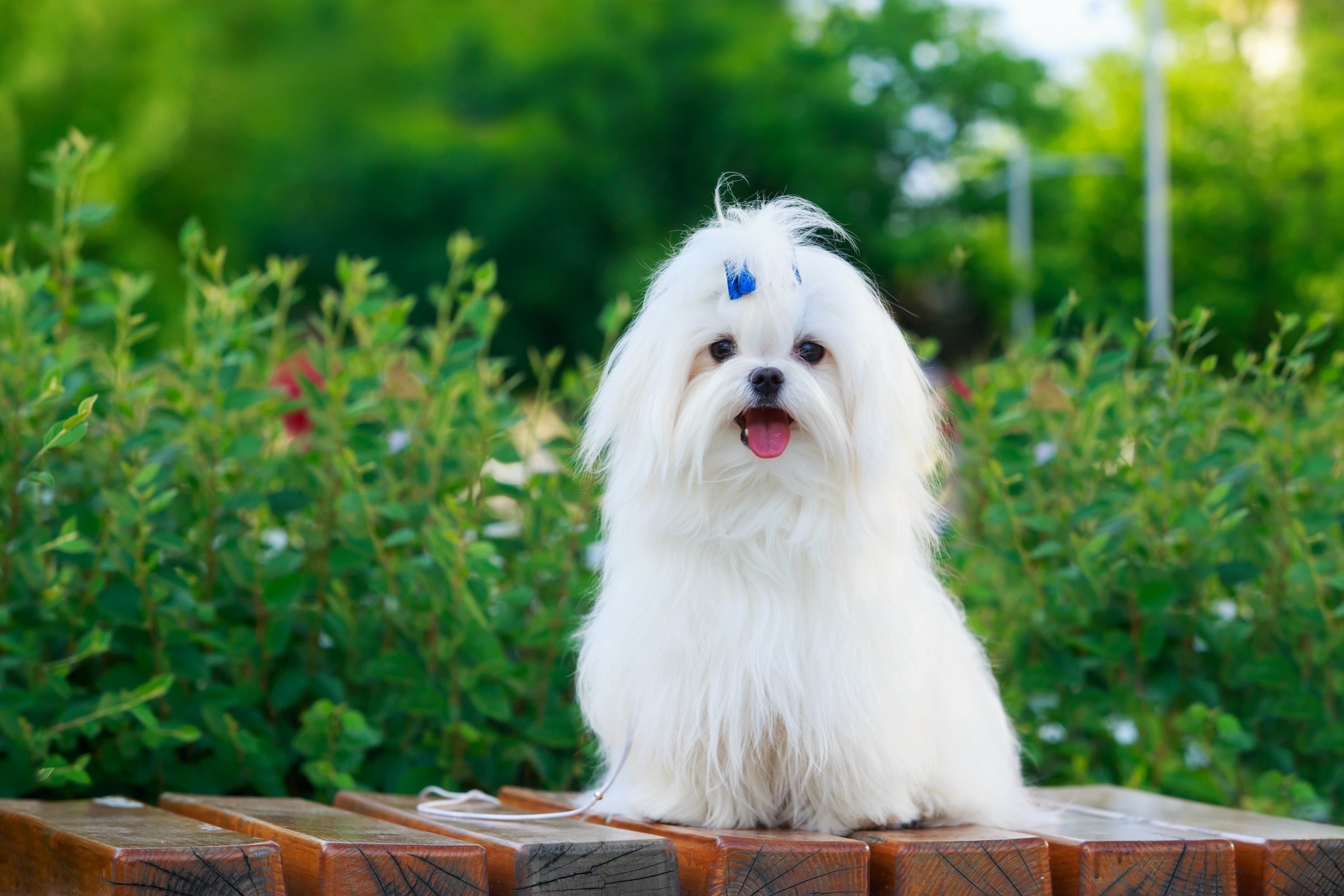
Photo by DevidDO/iStock / Getty Images Plus via Getty Images
The Maltese’s silky coat should be brushed daily with a pin brush—even if they have a shorter haircut—to prevent tangles and mats. Once a week, use a slicker brush to get deeper into the coat and remove any debris.
Recommended Products
Regular professional grooming is also recommended regardless of coat length. Too many baths can dry out their skin and coat; giving your pup a bath every four to six weeks is fine. Tear staining around the eyes may also require routine cleaning with pet-friendly wipes.
Recommended Product
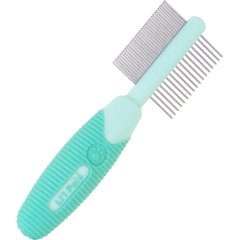
Despite shedding very little, Bichons Frise benefit from daily brushing, as their curly coat mats easily without it. Brush Bichons daily with a slicker brush followed by a comb like the Li’l Paws Double-Sided Comb.
Recommended Product
Bathe a Bichon every week or two. Regular professional grooming will also help maintain their signature fluffy appearance. Always brush them before bath time, as mats are more difficult to untangle when wet.
Recommended Products
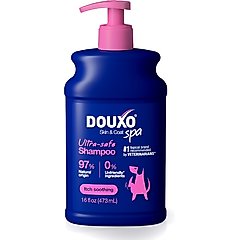
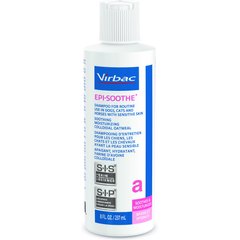
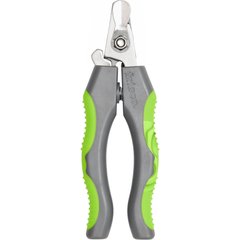
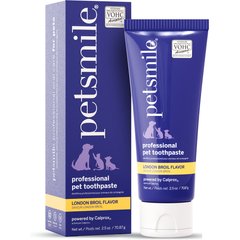
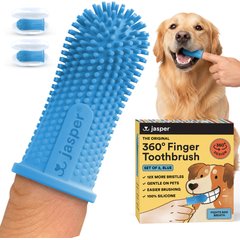
For both breeds, regular nail trims, ear care, and daily tooth brushing should be part of their grooming routine. Additionally, ask your vet about annual professional teeth cleanings.
Recommended Products

Health
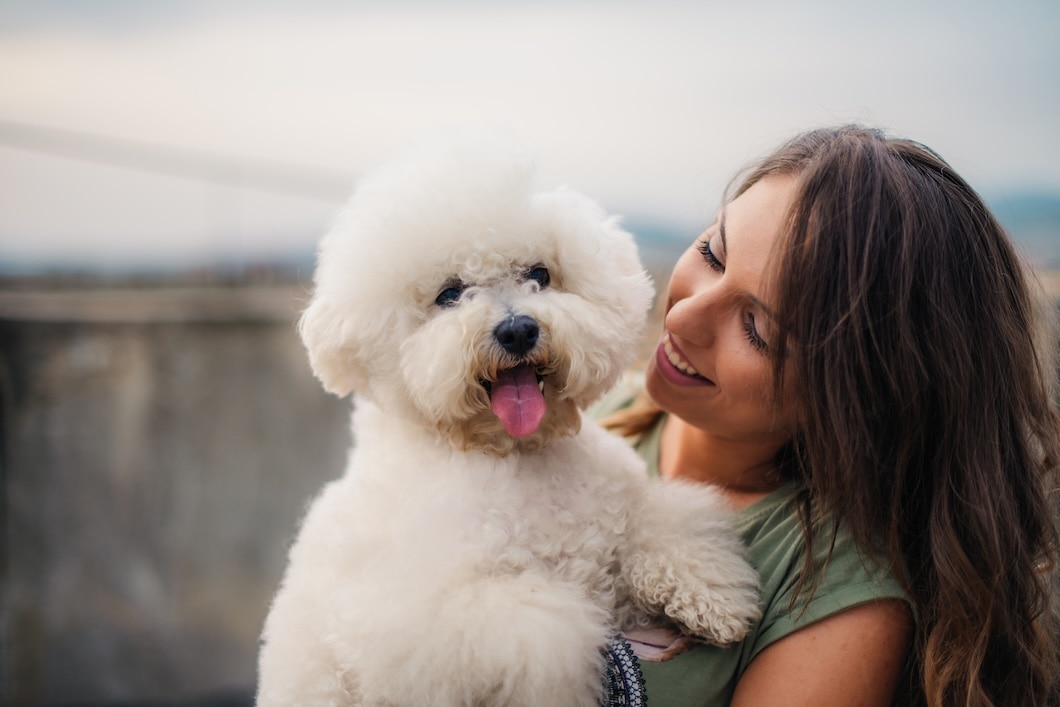
Photo by MilanEXPO/E+ via Getty Images
Both breeds generally enjoy long lifespans, but responsible pet parents should be aware of breed-specific health concerns.
Maltese can be predisposed to patent ductus arteriosus (PDA), a congenital heart defect, as well as dental disease (due to their small mouths). Bichons Frise can be prone to bladder stones and allergies, as well as diabetes mellitus, which occurs when the pancreas doesn’t produce enough insulin, resulting in elevated blood-sugar levels.
Both breeds can be prone to luxating patella (when kneecaps move out of place) and certain eye conditions like cataracts and progressive retinal atrophy (PRA).
For either breed, working with a reputable breeder or rescue—along with preventive veterinary care, a healthy weight, exercise, and good nutrition—gives your dog the best opportunity for a long life.
Maltese vs. Bichon Frise: Which Is the Breed for You?
| Breed | Size | Lifespan | Exercise Needs | Grooming Needs | Health Considerations |
|---|---|---|---|---|---|
| Maltese | Under 7 pounds; 7–9 inches | 12–15 years | Moderate daily walks and indoor play | High; frequent brushing and regular grooming | Dental disease, luxating patella, heart and eye concerns |
| Bichon Frise | 12–18 pounds; 9.5–11.5 inches | 14–15 years | Moderate daily exercise plus interactive play and training | High; frequent brushing and professional grooming | Bladder stones, allergies, luxating patella, eye concerns |
Choosing between a Maltese and a Bichon Frise comes down to your lifestyle.
The Maltese may be the better fit if you’re looking for an especially small companion who enjoys plenty of cuddles and doesn’t require extensive daily exercise. Their size also makes them well suited to apartment living, provided they receive regular enrichment and companionship.
The slightly larger Bichon Frise may be the right choice if you want a playful, outgoing dog who enjoys tricks and joining your family in their activities. If you’re willing to keep up with regular grooming, their cheerful personality makes for a wonderful companion.
Whichever you choose, both breeds can thrive with pet parents who are ready to make these friendly pups part of their everyday life.
Attributions
This article was created with assistance from AI tools. The content has been reviewed for accuracy and edited by a veterinarian.