How To Remove Tear Stains on Dogs


Let’s be honest: Dog tear stains aren’t the prettiest. Those reddish-brown pools of color that form around a pooch’s eyes are most noticeable on white pups, but all breeds can get them. And while they can be a sign of a serious medical condition, the good news is most of the time they’re harmless and totally natural.
If you’re determined to rid your best pal of that reddish-brown gunk (and your veterinarian has ruled out any medical issues), find out how to remove tear stains on dogs and safely and effectively prevent them from returning.
Key Takeaways
- Dog tear stains are usually caused by porphyrins in tears, but medical issues can also contribute.
- Cleaning dog tear stains involves regular hygiene, diet changes, and vet-approved products.
- Tear stain removers for dogs can help, but consult your vet before use.
- Preventing dog eye stains requires consistency in grooming and cleanliness.
What Causes Tear Stains on Dogs?
Dog tear stains are often caused by porphyrins, iron-carrying molecules that are the by-product of red blood cells being broken down. Porphyrins are carried in a dog’s tears, urine, and saliva, and when they come into contact with the pet’s fur, stains are produced.
“The chemical reaction between porphyrins and fur is what causes the change in color,” says Zay Satchu, DVM, chief veterinary officer and co-founder of Bond Vet, based in New York City.
In this case, the extent of a dog’s tear stains is determined by the quantity of porphyrins and tears produced by the individual pet, says Rachel Ann Stalcoskie, head stylist and co-owner of Rachel Ann’s Country Clips Pet Grooming in Pocono Summit, Pennsylvania.
While often harmless, dog eye stains can be a sign of an underlying medical issue.
“If tear stains are a new development, it is a good idea to have a physical exam performed by a veterinarian to ensure there is no medical reason causing increased tear production that is leading to the staining,” says Dr. Satchu.
Tear stains may result from:
- Entropion (eyelids roll inward)
- Yeast or fungal infections
- Abnormal eyelashes (e.g., ectopic cilia)
- Corneal damage from infection or injury
- Glaucoma (fluid buildup and pressure in the eye)
How To Remove Tear Stains on Dogs
Once your vet has ruled out any serious medical concerns, it’s time to address the stains. One important thing to remember is that not every solution works for every dog.
“It all depends on the individual pet and the severity of the staining,” says Stalcoskie. When it comes to cleaning dog tear stains, it’s often trial and error.
Because tear stains can be a symptom of an underlying health issue, it’s essential to address any medical conditions first. Before trying the below solutions, schedule a checkup with your vet to determine the best next steps for your dog.
Switch to Filtered or Bottled Water
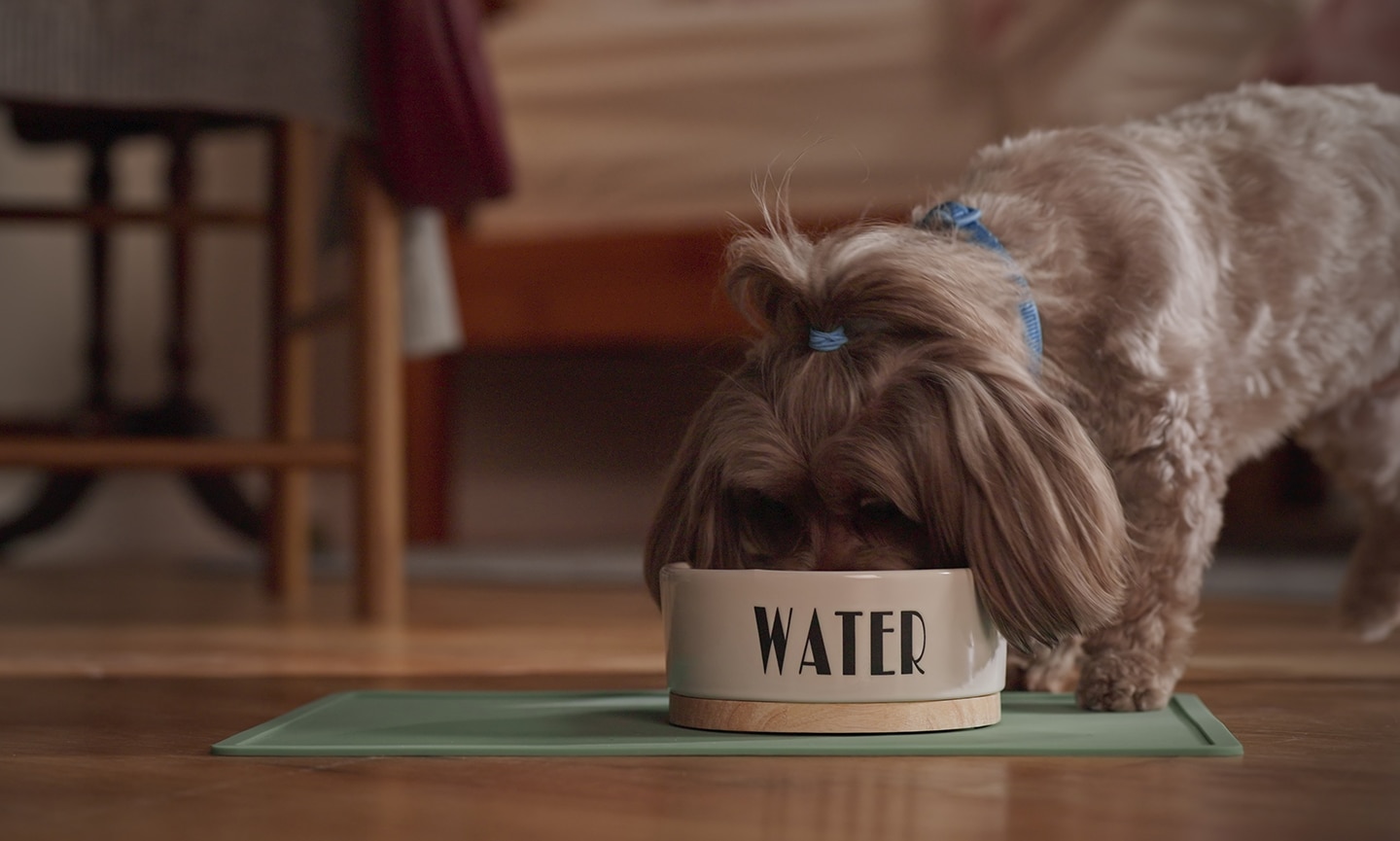
Photo by Chewy
Sometimes, the minerals and contaminants in tap water—especially iron and other heavy metals—can contribute to tear stains on your dog’s face. Switching to filtered or bottled water can help minimize the presence of these minerals, especially in areas where tap water is known to be hard or high in iron content.
While the change may not provide immediate results, many pet parents notice a gradual reduction in staining over several weeks. Always ensure your dog stays hydrated and clean their water bowl daily to prevent bacterial buildup that could further irritate their eyes.
Adjust Your Dog’s Diet
Nutritional imbalances or food sensitivities can sometimes trigger excess tear production in dogs. Feeding a high-quality, balanced diet, if you’re not already doing so, may reduce inflammation and help control allergic reactions.
Additionally, certain dietary supplements, such as those containing omega-3 fatty acids or probiotics, can support immune function and reduce inflammation. Some vet-recommended supplements are formulated specifically to address tear stains.
Recommended Product

Always consult your veterinarian before making changes to your dog’s diet or adding supplements, as they can help identify food allergies or recommend products tailored to your pup’s specific needs.
Keep Your Dog’s Face Clean and Groomed
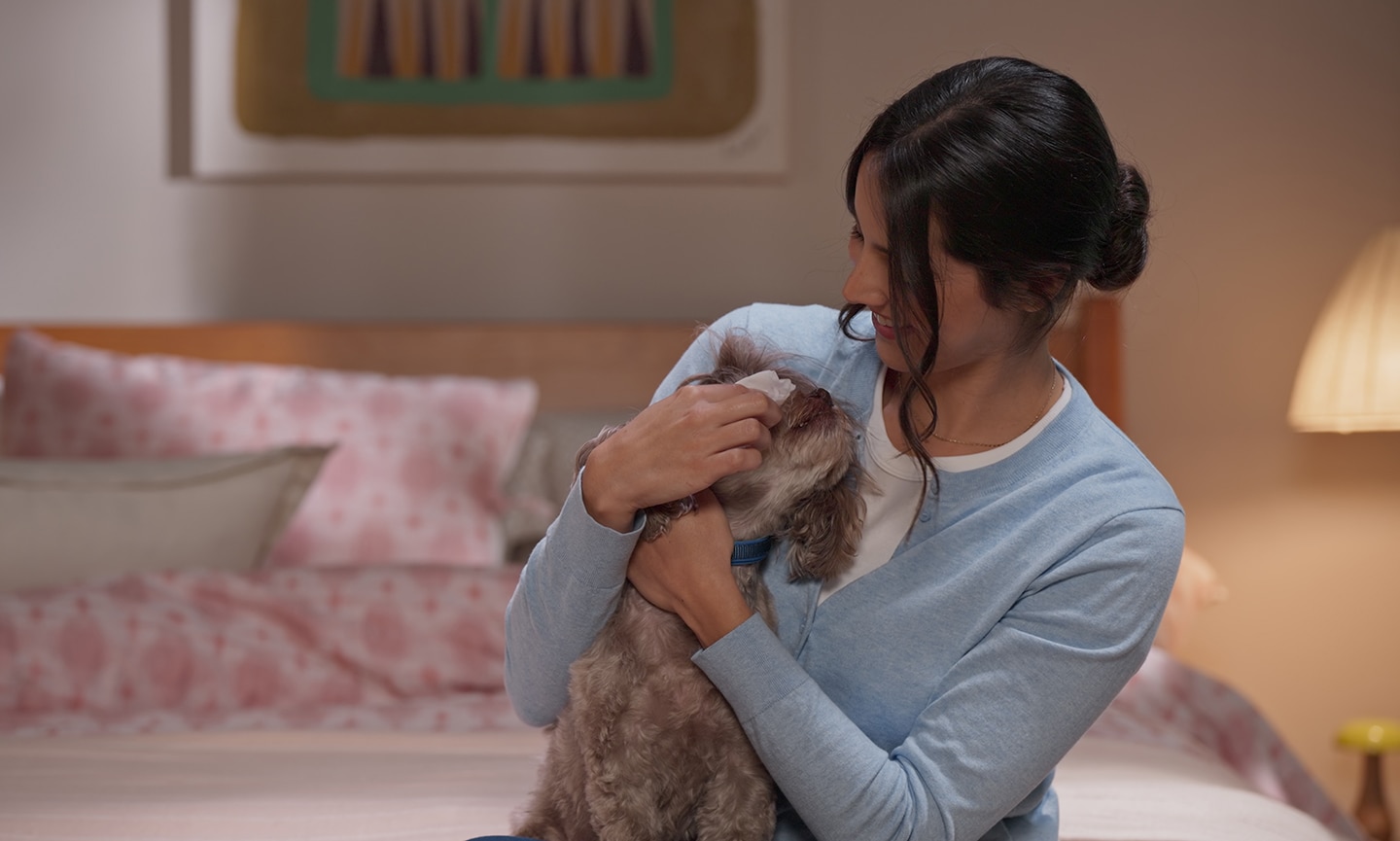
Photo by Chewy
Daily grooming is essential for managing dog tear stains, especially for breeds with long or light-colored facial hair.
Use a damp cloth or vet-approved wipe to gently clean the area under your dog’s eyes each morning and evening, removing any debris or buildup.
Trimming the fur around the eyes also prevents hair from irritating the eyes and reduces the surface area where tears can accumulate. To prevent injury to your dog’s eyes, ask your groomer for help.
Use a Dog Tear Stain Remover
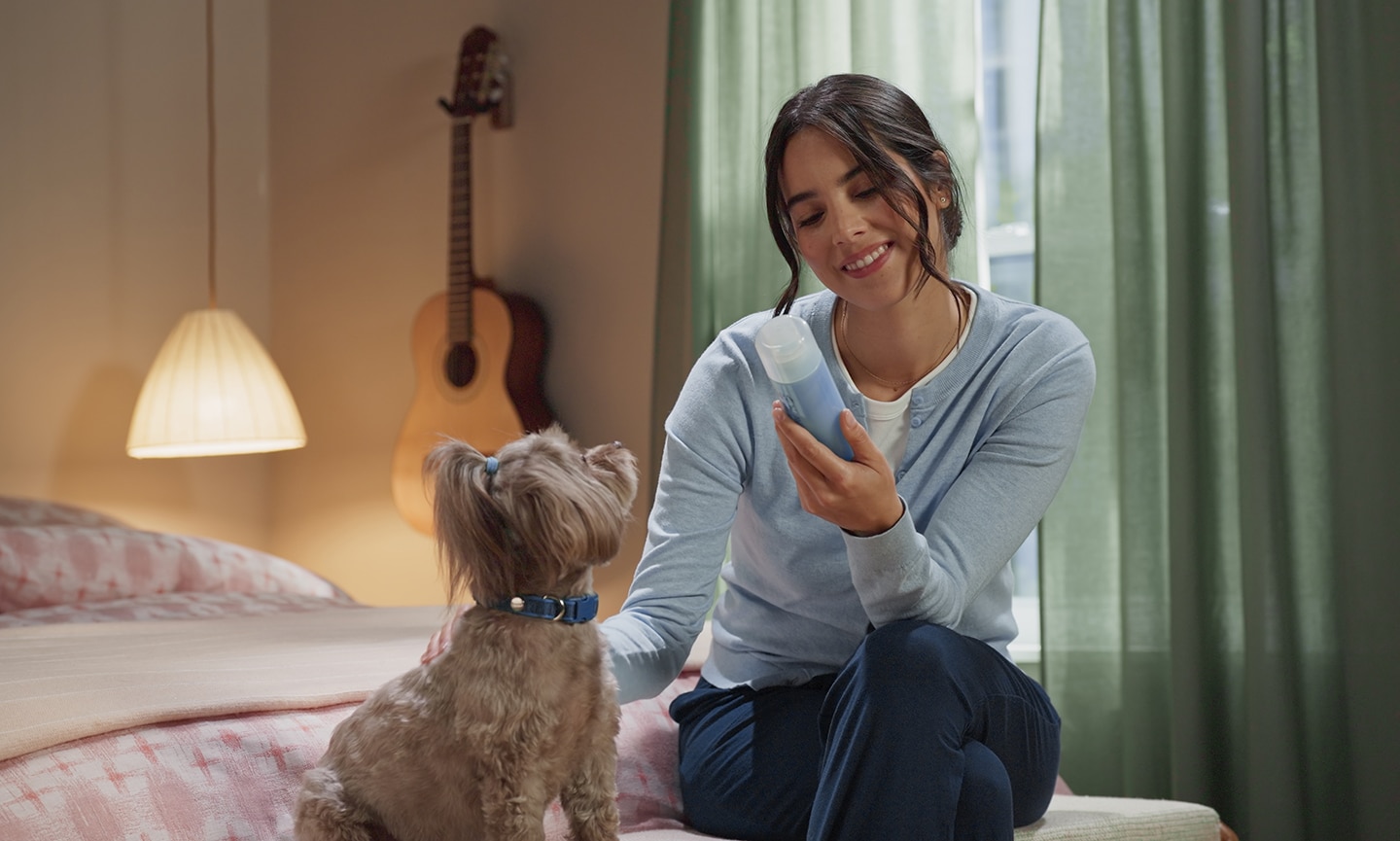
Photo by Chewy
Over-the-counter dog tear stain removers can be helpful when used as part of a regular grooming routine. Look for gentle, vet-approved options that are safe for use around the eyes. Many contain mild cleansers and natural ingredients like aloe, coconut-derived surfactants, and herbal extracts.
It’s critical to consult your vet before trying any new product, as they can help guide you toward the safest and most effective option for your dog.
Best Dog Tear Stain Removers
Angels’ Eyes Tear Stain Wipes are pre-moistened, no-rinse wipes containing a mild coconut-derived cleanser and natural ingredients like juniper berry oil and aloe. They help remove existing stains and prevent new ones from forming.
Recommended Product

Optixcare Dog & Cat Eye Cleaning Wipes are another vet-recommended option for gently wiping away dog eye stains.
Recommended Product

Note: These products are designed for use around the eyes—never in them.
Do not try home remedies unless recommended by your vet, as they may be ineffective or harmful.
How To Prevent Tear Stains on Dogs
While it may not always be possible to completely prevent dog tear marks, there are ways to minimize their appearance.
Stalcoskie recommends:
- Keeping hair around the eyes trimmed
- Scheduling in-between grooming visits for face trims
- Cleaning your dog’s face twice a day
- Keeping your dog’s face dry
If your local tap water has a high iron content, switching to bottled or filtered water can help reduce staining.
Once your vet has ruled out medical causes and you’ve found a dog tear stain remover that works for your pup, maintaining a regular grooming routine can help you say goodbye to dog tear stains for good.
Attributions