Probiotics for Dogs: Does My Dog Need Them?


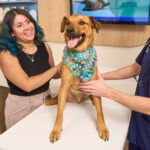
Photo by Chewy
Probiotics for dogs are supplements containing live bacteria and yeast that help support a healthy gut microbiome. Veterinarians often recommend dog probiotics to help with digestive problems, but research is showing they may offer many other benefits as well.
Always speak with your veterinarian before starting your dog on any supplement.
Key Takeaways
- Probiotics are supplements containing beneficial microorganisms that normally live in a dog’s digestive tract.
- Evidence shows that probiotics can be good for dogs, particularly those with digestive problems.
- Side effects aren’t common, but when they do occur, they’re typically mild and short-lived.
- Your veterinarian can recommend a high-quality probiotic designed for your dog’s needs.
What Are Probiotics for Dogs?
Probiotics are supplements containing live bacteria and yeast that help support your dog’s gut health. Think of them as “good” microbes that help keep your dog’s digestive system balanced.
They work by increasing beneficial bacteria in the gut, which may support your dog’s health by:
- Helping maintain a healthy balance of gut bacteria
- Producing helpful compounds (like short–chain fatty acids)
- Supporting normal digestion and nutrient absorption
- Supporting the gut-brain connection, which may play a role in behavior
- Helping maintain a healthy gut lining
- Supporting a normal inflammatory response
Prebiotics—types of fiber that feed good bacteria—are often added to probiotic supplements to make them more effective.
What Are the Benefits of Probiotics for Dogs?
Giving your dog probiotics may offer a range of benefits, including:
- Faster resolution of diarrhea: Studies show that dogs with diarrhea can recover more quickly when given probiotics compared to a placebo.
- Immune system support: Because 70–90% of the immune system is located in the GI tract, supporting gut health can improve immune function, benefiting the whole body.
- Allergy relief: Giving probiotics can reduce the severity of allergy symptoms in dogs.
- Stress relief: Supplements containing Bifidobacterium longum (BL999) have been shown to help reduce stress-related behaviors in dogs.
- Chronic GI condition management: Long-term use of probiotics may help manage conditions like inflammatory bowel disease.
- Supporting urinary tract health: Probiotics can change the bacterial population that lives near the urethra, which can support the overall health of your pet’s urinary tract.
- Other benefits: Improved skin and coat quality, reduced gas, better breath, liver support, and weight loss support.
Keep in mind that not every dog will respond to probiotics the same way, and the evidence is stronger for some uses than others.
How Do I Know If My Dog Needs a Probiotic?
Healthy dogs with a well-functioning gut microbiome probably don’t need a probiotic supplement, but they can be helpful in some situations.
Talk to your vet if your dog is experiencing any of the following:
- Acute or recurring diarrhea
- Digestive upset following a recent course of antibiotics
- Stress-related GI symptoms, such as loose stool during vet visits or travel
- A diagnosed chronic GI condition like inflammatory bowel disease
- Excessive gas
- Persistent anxiety or stress-related behavioral issues
- Chronically itchy skin from allergies
- Recurrent urinary tract infections
These signs can sometimes be linked to underlying health conditions that need a veterinarian’s diagnosis and treatment—not just a supplement. Before starting probiotics or any other supplement, check with your veterinarian to make sure it’sappropriate for your dog’s specific needs.
What Are the Best Probiotics for Dogs?
The best probiotic is the one your vet recommends for your dog’s specific situation. Here are some top vet-recommended picks for different health conditions:
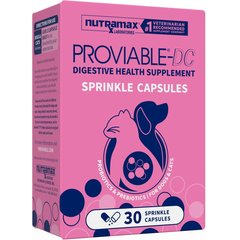
- Best overall: Nutramax Proviable, which contains a high dose of seven probiotic strains plus prebiotics in each capsule
Recommended Product
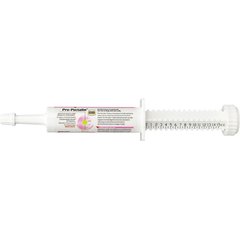
- Best for acute diarrhea: Vetoquinol Pro-Pectalin Diarrhea Supplement, which combines kaolin, pectin, and a single strain of probiotic in a handy “dial-a-dose” syringe to help speed recovery
Recommended Product
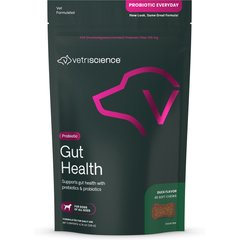
- Best probiotic chews for dogs: VetriScience Probiotic Everyday Gut Health Duck Flavored Chews Probiotic Supplement, which has a high dose of a single strain of probiotic combined with a prebiotic in chew form
Recommended Product
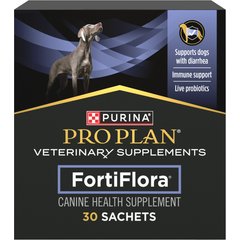
- Best probiotic powder: Purina Pro Plan Veterinary Diets FortiFlora Powder Probiotic Digestive Supplement, which comes in convenient single-serve packets that provide a high dose of a well-researched probiotic strain
Recommended Product
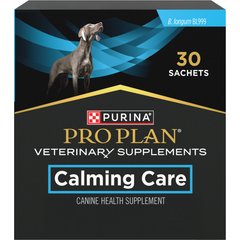
- Best for anxiety: Purina Calming Care, which contains Bifidobacterium longum (BL999), the probiotic strain with the most evidence for reducing canine anxiety
Recommended Product
What Are the Side Effects of Probiotics for Dogs?
Probiotics are generally considered safe for most dogs when used as directed, but they may not be appropriate for every pet. Young puppies, immunocompromised dogs, or dogs with serious underlying conditions may be at higher risk for complications. Always talk to your veterinarian before starting a new supplement.
Side effects, when they occur, are usually mild and tend to happen when first starting a probiotic or using higher doses. These effects often resolve within a few days. Monitor your dog for:
- Excess gas
- Loose stool or diarrhea
- Constipation
- Abdominal discomfort
- Reduced appetite
If your dog’s symptoms are severe, worsen, or do not improve within a few days, stop the supplement and call your vet for guidance.
FAQs About Dogs and Probiotics
Can dogs have probiotics?
Yes, probiotics are generally considered safe for most dogs when used as directed, and veterinarians may recommend them for certain digestive issues. Always follow your vet’s guidance on product selection and dosing.
Can dogs have human probiotics?
It’s best to give dogs probiotics that are specifically formulated for them. Dog-specific products are designed with appropriate strains and dosing to support canine gut health better.
What are prebiotics for dogs?
Prebiotics, such as chicory root, inulin, and fructooligosaccharides, are types of fiber that feed beneficial bacteria in a dog’s intestinal tract. They’re often included in probiotic supplements to help support a healthy gut microbiome.
Are probiotics good for dogs?
Research suggests that probiotics may benefit some dogs, especially those with diarrhea. Talk to your vet about whether a probiotic is appropriate for your dog.