Luxating Patella in Dogs: Signs, Treatment, and Prevention


Photo by Travelism/E+/Getty Images
A luxating patella in dogs refers to an orthopedic condition where the kneecap dislocates from its normal position. While it can affect dogs of all breeds, small-breed dogs are particularly vulnerable due to genetics.
A dog with a patellar luxation may intermittently hop when walking, be hesitant to jump, or have a bow-legged stance. Over time, this joint instability can lead to complications such as arthritis, which is why prompt treatment is essential.
Understanding how to spot the signs of patellar luxation and exploring treatment options with your veterinarian can help protect your dog’s long-term joint health.
Key Takeaways
- A luxating patella occurs when a dog’s kneecap dislocates from its normal position.
- Common symptoms of a luxating patella include intermittent hopping when walking, a bow-legged stance, and joint stiffness.
- Luxating patellas are commonly treated with medications, exercise restriction, supportive therapies, and sometimes surgery.
- Weight management and supplements may be recommended to support joint health.
What Is a Luxating Patella in Dogs?
A luxating patella occurs when a dog’s kneecap in one or both hind legs moves out of place.
Normally, a small groove is present in the leg bone where the kneecap sits. When this groove is too shallow or another abnormality within the leg (such as weak ligaments) is present, the kneecap can slip in and out and create joint instability.
Over time, this can lead to secondary complications, such as chronic arthritis.
Symptoms of a Luxating Patella
Dogs with a luxating patella often experience uncomfortable symptoms. Pet parents may notice any of the following signs in affected dogs:
- Limping, hopping, or skipping when walking
- Holding up affected hind leg
- Stiffness in hind leg, especially after resting
- Bow-legged stance
- Hesitancy to jump
- Whimpering
What Causes Canine Patellar Luxation?
A luxating patella in dogs can occur due to genetic abnormalities or traumatic injuries.
Genetic Predisposition
This is the most common cause of patellar luxation. Many small-breed dogs, such as Pomeranians, Yorkshire Terriers, and Toy Poodles, and some large-breed dogs are predisposed to having a luxating patella due to genetics. (See below for full list)
Traumatic Injury
Dogs who have experienced trauma to the hind legs, like from a fall or being hit by a car, can have damage to the ligaments that support the knee. This can create instability and allow the kneecap to dislocate.
How Vets Diagnose a Luxating Patella in Dogs
To diagnose a luxating patella, a veterinarian will use a combination of tests to identify joint abnormalities, which may include:
- A complete physical exam to assess your dog’s joints and gait
- Checking your dog’s range of motion to see how the kneecap moves
- Taking radiographs (X-rays) to check kneecap positioning, its severity, and signs of inflammation
Sometimes sedation is required to keep your dog still and calm during these procedures so that an accurate assessment can be made. Your veterinarian will notify you if this is the case and walk you through what to expect if sedation is needed.
Treatment of Patellar Luxation in Dogs
Treatment for a luxating patella focuses on reducing inflammation and discomfort while preventing development of arthritis. Treatment may consist of medications, exercise restriction, surgery, and other supportive therapies.
Medications
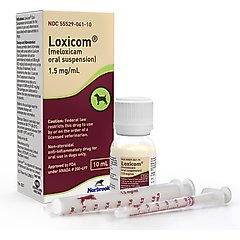
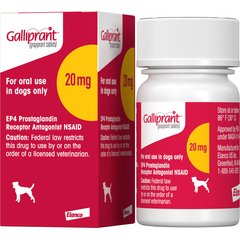
A veterinarian may prescribe anti-inflammatories, such as meloxicam or Galliprant, to reduce joint inflammation and pain associated with the condition.
Recommended Products
Exercise Restriction
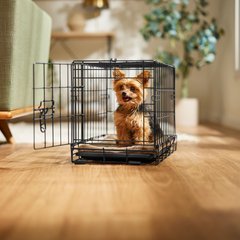
Dogs with luxating patellas should have their exercise restricted to prevent pain and discomfort and keep the condition from worsening. Your vet may advise short, leashed walks and no running, jumping, or using stairs. When unsupervised, it’sgenerally recommended to keep your dog confined in a crate to support healing.
Recommended Product
Surgery
Surgery is often done to relocate the patella back to its normal positioning and prevent long-term complications, such as arthritis and joint instability. Surgery is especially necessary if medical management fails to control symptoms or the luxating patella is severely mispositioned.
Supplements and Supportive Therapies
Your vet may recommend other therapies to support a comprehensive treatment plan for dogs with luxating patellas.
Joint Health Supplements
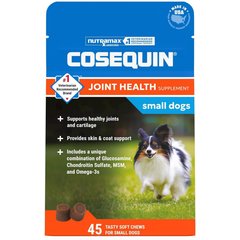
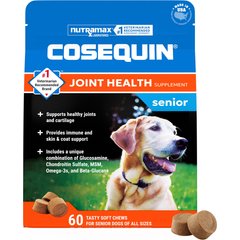
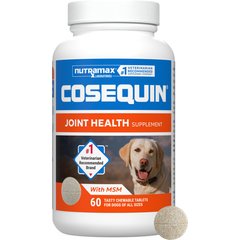
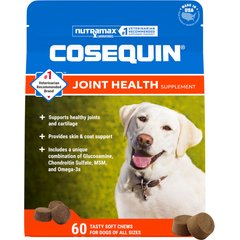
Joint supplements containing glucosamine, chondroitin, and omega-3 fatty acids can be beneficial to dogs with luxating patellas. Vets may recommend these supplements, like Cosequin, to support your dog’s joint mobility and comfort. Your vet can help you choose the right joint supplement for your dog’s needs.
Recommended Products
Physical Therapy
Physical therapy consists of low-impact exercises that are used to strengthen leg muscles, reduce pain, and support joint mobility. A veterinarian can perform these therapeutic exercises at the veterinary hospital using laser therapy, soft tissue massage, and water treadmill sessions. Some exercises can be done at home to help your dog recover too.
Home Environment Changes
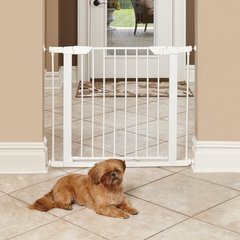
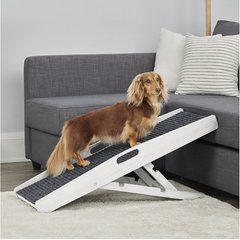
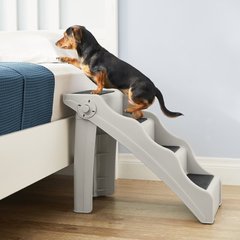
Making a few small adjustments to your home can help a dog with luxating patellas get around easier. Add nonslip rugs to hard floors to prevent falls and use dog gates to prevent access to stairs. Ramps or steps can give them easier access to furniture or limit the risks of getting in and out of the car.
Recommended Products
Prevention of Patellar Luxation in Dogs
While many cases of luxating patellas in dogs cannot be prevented because they develop from underlying genetic issues, pet parents can take the following steps to reduce the overall risk of this condition:
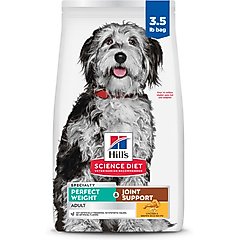
- Feed a high-quality diet to support a healthy, optimal weight and reduce stress on joints.

- Give daily joint supplements like Cosequin to support joint health and lubrication.
Recommended Product
- Ensure your dog receives regular exams by a veterinarian to identify joint issues early.
- Encourage regular exercise, such as walking or swimming, to build leg muscles to support joints.
- Refrain from breeding affected dogs to prevent passing on the genetic abnormalities.
Dog Breeds Prone To Having a Luxating Patella
Luxating patellas are most common in the following dog breeds:
Luxating Patella in Dogs FAQs
Can a dog live with a luxating patella?
Yes, dogs with a luxating patella can live long, normal lives with appropriate care. Mild cases may be controlled with long-term medical management, while severe cases generally require surgery.
Should you walk a dog with a luxating patella?
Dogs with a luxating patella can still enjoy regular exercise through short walks to encourage joint mobility and to strengthen leg muscles. However, running and jumping should be avoided to prevent discomfort.
Can a luxating patella heal without surgery?
A luxating patella can be managed with medication alone, particularly for mild cases. Joint supplements, pain medications, and physical therapy are other alternatives to surgery.
Do luxating patellas in dogs get worse with age?
Luxating patellas do tend to worsen with age as ligaments in the knee become weaker and the joint becomes stiffer. Over time arthritis can develop, which can cause significant discomfort.