7 Belgian Dog Breeds with a Serious Work Ethic


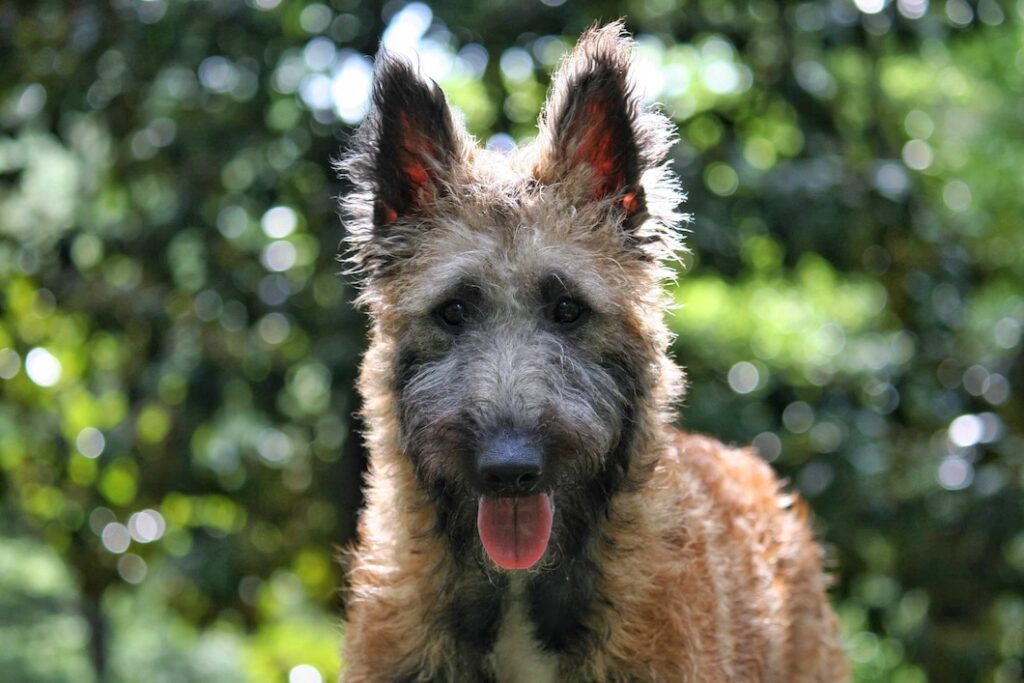
Photo by Kathryn Doomy/iStock via Getty Images
From hardworking herders to pint-sized companions with big personalities, Belgian dog breeds come in all shapes and sizes. And while some are known for their impressive work ethic, others are happiest just keeping their favorite humans company.
Whether you’re looking for an energetic adventure buddy or a devoted little sidekick, these seven breeds have plenty to offer.
1. Belgian Malinois
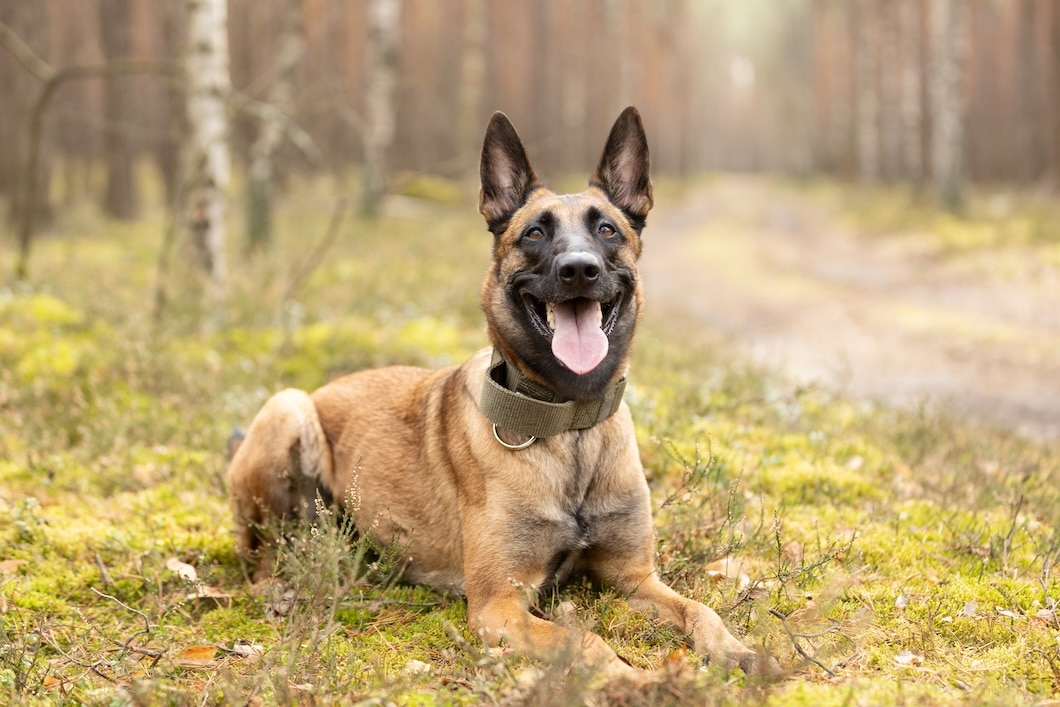
Photo by xxmmxx/E+ via Getty Images
- Size: Large
- Lifespan: 14–16 years
- Temperament: Determined, sidekick, star athlete
The Belgian Malinois is happiest when they have a job to do. One of four closely related Belgian Shepherd breeds, these athletic dogs were originally bred to herd livestock. Today, the Malinois dog breed is known for working in law enforcement, military service, and search and rescue.
Malinois form strong bonds with their people, but they won’t be satisfied with a quick walk and an afternoon on the couch. They need extensive exercise, mental challenges, and consistent training. Running, hiking, and dog sports can help channel their energy, making them best suited to experienced, active dog parents. Their short, fawn-to-mahogany coat and black mask give them a distinctive appearance.
2. Belgian Tervuren
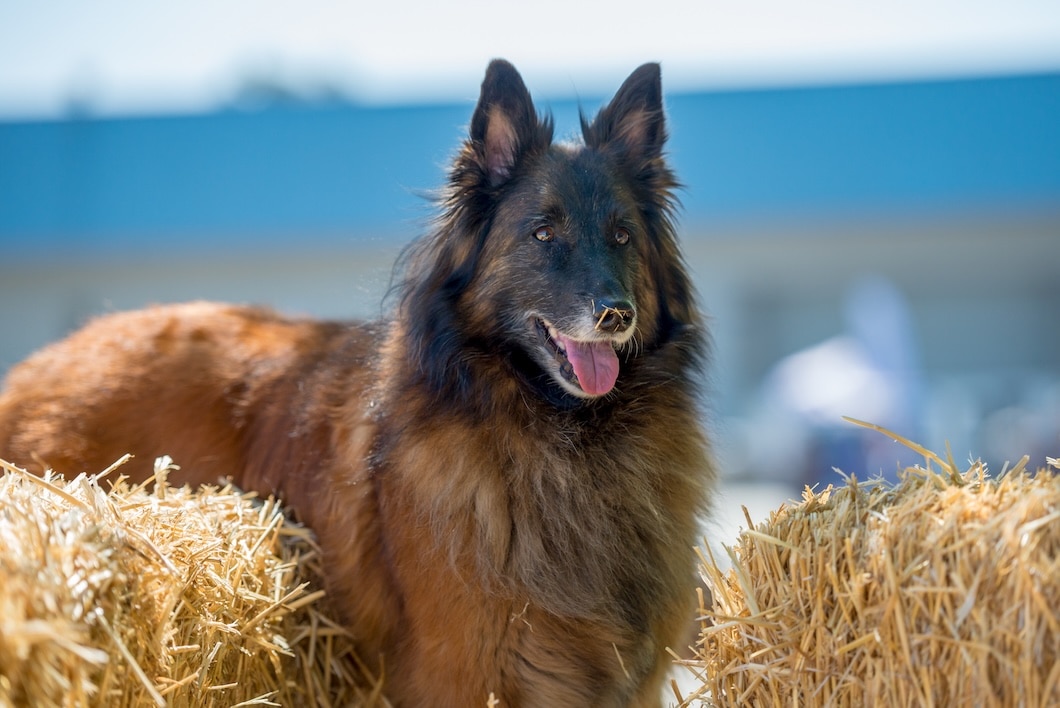
Photo by GoDogPhoto/iStock via Getty Images
- Size: Large
- Lifespan: 12–14 years
- Temperament: Loyal, poised, affectionate
Think of the Belgian Tervuren as a close cousin of the Malinois—but with a flowing coat and a particularly sensitive side. These active, affectionate dogs love spending time with their families and are often quick to pick up on their people’s moods.
Like the Malinois, Belgian Tervuren need plenty of exercise and mental stimulation. They enjoy hiking, agility, and learning new tricks, making them a good fit for active families. Their thick double coat also needs regular brushing, especially during seasonal shedding.
3. Belgian Sheepdog (Groenendael)
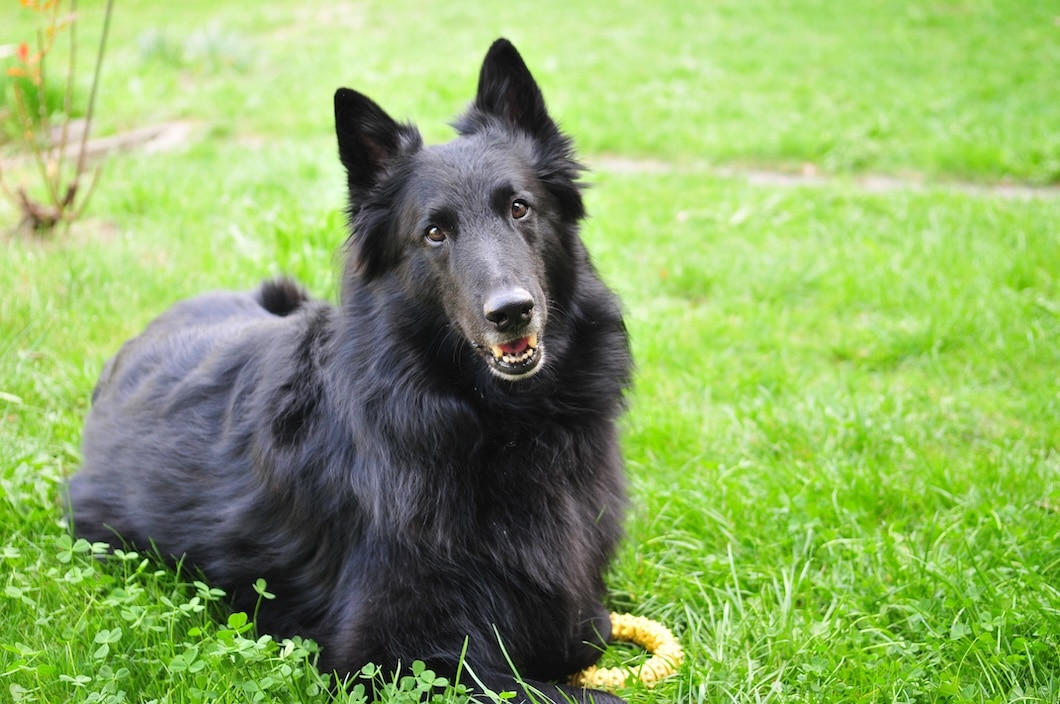
Photo by RKSS/iStock via Getty Images
- Size: Large
- Lifespan: 12–14 years
- Temperament: Alert, devoted, intelligent
At first glance, you might mistake a Belgian Sheepdog for a Belgian Tervuren dressed in black. Also known as the Groenendael Belgian Shepherd, this elegant herder shares the Tervuren’s long coat and athletic build but has predominantly black fur instead.
Belgian Sheepdogs are natural guardians who like to keep tabs on everything happening around them. They form close bonds with their families, though they may take time to warm up to strangers. And don’t be surprised if they try to herd children or other pets.
Like most Belgian breeds, these clever dogs thrive in active households where they get plenty of attention, exercise, and opportunities to stay busy. They’re not especially well suited to being left alone for long stretches with little to do.
4. Belgian Laekenois
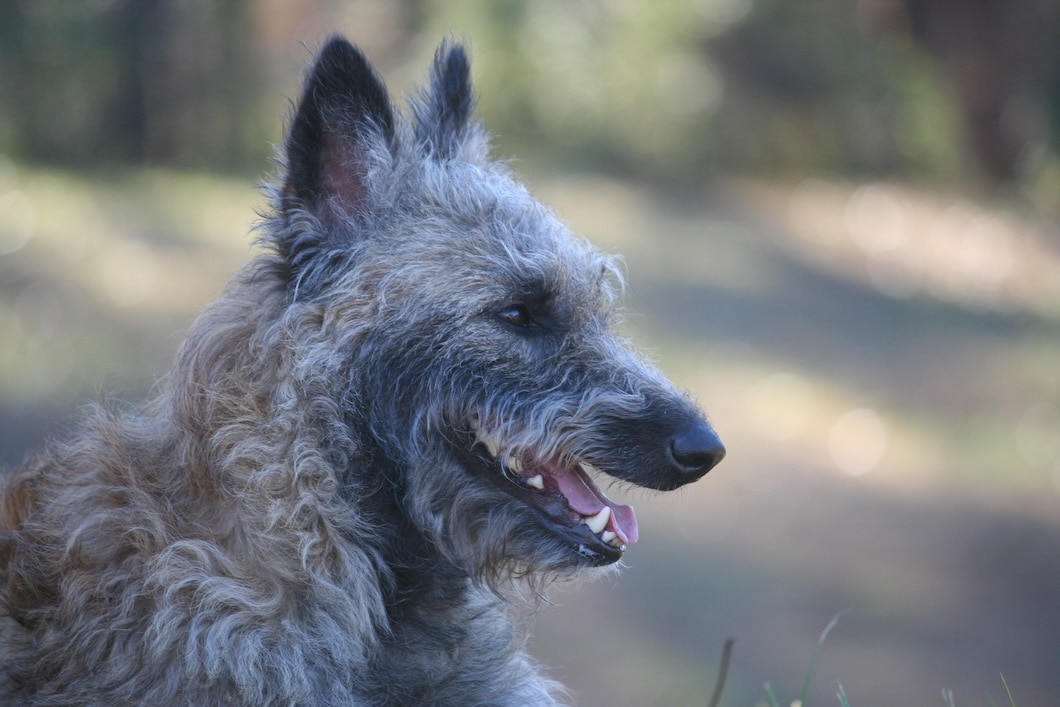
Photo by Kathryn Doomy/iStock via Getty Images
- Size: Medium
- Lifespan: 10–12 years
- Temperament: Alert, intelligent, affectionate
The Belgian Laekenois is the rarest of the four Belgian Shepherd dog breeds. While their relatives have sleek or flowing coats, the Laekenois sports a rough, tousled coat that gives them a distinctly scruffy appearance.
In addition to herding livestock, these dogs were used to protect linens laid out to dry in Belgian fields. That guardian instinct is still part of what drives them today. Laekenois tend to be watchful around strangers—but playful and eager to spend time with the people they know.
Like their Belgian Shepherd relatives, they’re active, intelligent dogs who need daily exercise and mental stimulation, making them a good match for families looking for an energetic companion rather than a laid-back pet.
5. Bouvier des Flandres
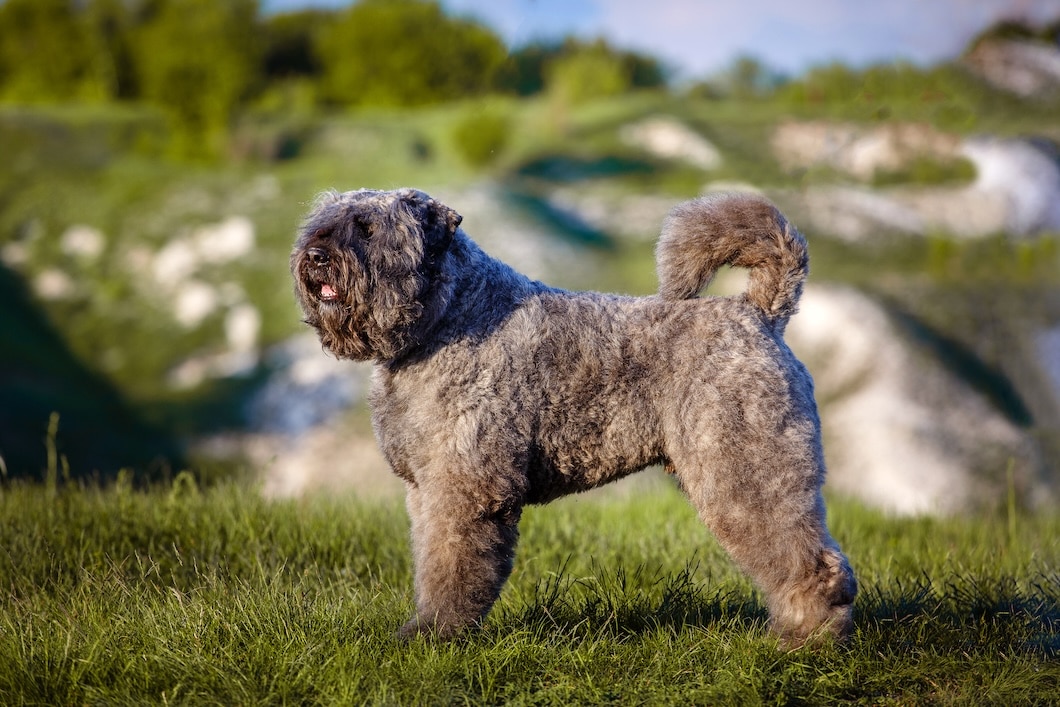
Photo by ~User7565abab_575/iStock via Getty Images
- Size: Large
- Lifespan: 10–12 years
- Temperament: Gentle giant, assertive, hard worker
Unlike the leaner Belgian Shepherds, Bouviers are large, powerfully built dogs with a shaggy coat, bushy eyebrows, and a beard. Their name means “cowherd of Flanders,” a nod to their roots as all-purpose farm dogs who herded cattle, pulled carts, and guarded property.
Despite their imposing appearance, Bouviers are often gentle, affectionate companions. They’re also confident and strong-willed, so early socialization and consistent training are important.
Bouviers need regular exercise but are often content to relax at home afterward. Just be prepared for some grooming: Their thick coat needs frequent attention, and that beard can get messy.
6. Schipperke
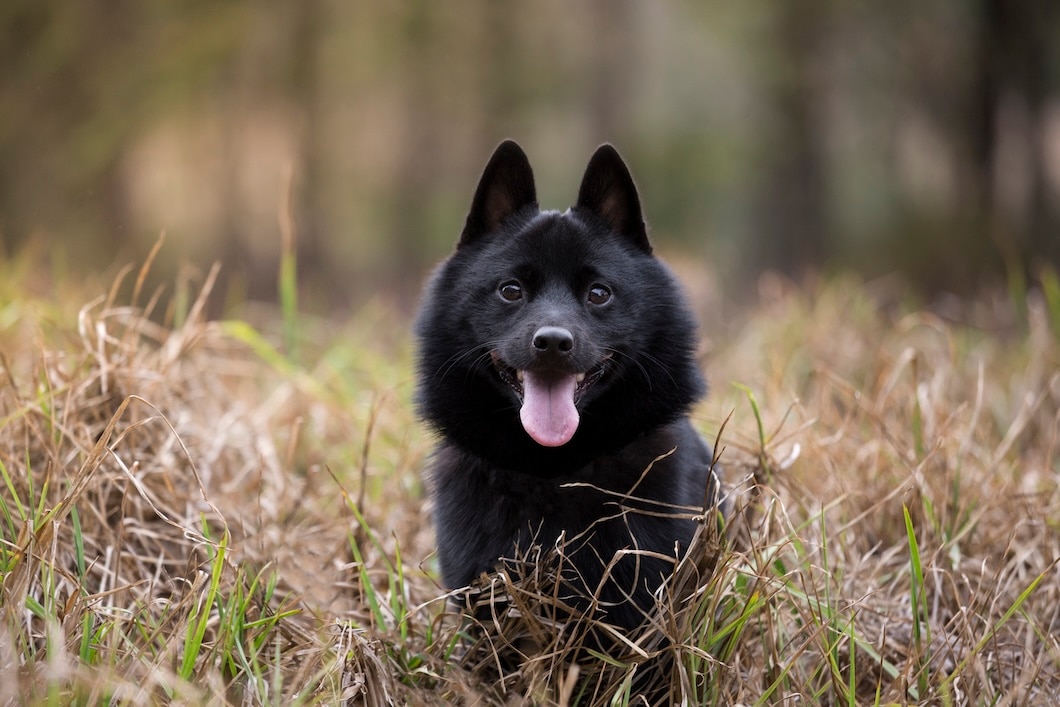
Photo by shells1/iStock via Getty Images
- Size: Small
- Lifespan: 12–16 years
- Temperament: Brave, loyal, spirited
Small enough to fit comfortably in your lap but often too busy exploring to stay there, the Schipperke has personality to spare. They’re nicknamed Belgium’s “little captains,” thanks to their history aboard canal barges, where they caught rats and kept watch over the boats.
Schipperkes have a foxlike face, pointed ears, and a thick coat that forms a noticeable ruff around the neck. They’re curious dogs who love investigating their surroundings and are quick to sound the alarm when something catches their attention.
Their independent streak calls for patient, consistent training. And while their size makes them adaptable to smaller homes, they still need daily exercise and playtime.
7. Brussels Griffon
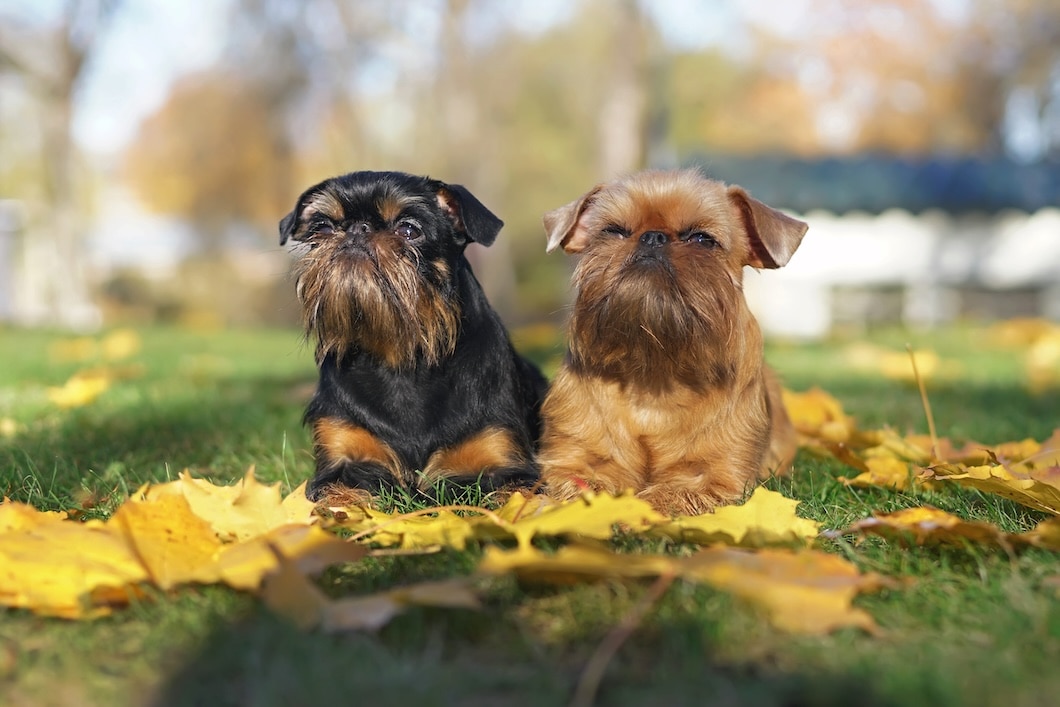
Photo by Eudyptula/iStock via Getty Images
- Size: Extra small
- Lifespan: 12–15 years
- Temperament: Clever, sidekick, silly
With their expressive eyes, short snout, and distinctive beard, Brussels Griffons have a face full of personality.
Originally bred to catch rats in Belgian horse stables, these little dogs eventually became popular companions—even winning over Belgian royalty. Today, they’re happiest spending time with their favorite people, whether that means playing, going for a walk, or curling up on the couch.
Brussels Griffons are curious and will sometimes showcase their own strong opinions. They can do well in apartments, but they’re generally a better match for families with older children who know how to handle small dogs gently.
FAQs About Belgian Dog Breeds
What dog breeds originated in Belgium?
Belgium is home to several dog breeds, including the Belgian Malinois, Belgian Tervuren, Belgian Sheepdog, Belgian Laekenois, Schipperke, and Brussels Griffon. The Bouvier des Flandres also has Belgian roots, originating in the Flanders region of Belgium and France.
What are the four types of Belgian Shepherd?
The American Kennel Club (AKC) recognizes four separate Belgian Shepherd breeds, while many other kennel clubs recognize them as four varieties of a single breed: the Belgian Malinois, Belgian Tervuren, Belgian Sheepdog (Groenendael), and Belgian Laekenois. They share a common herding ancestry but differ in coat type and appearance.
Are Belgian dog breeds good family pets?
Yes, Belgian dog breeds can make great family pets, but some are better suited to certain households than others. The Belgian Shepherd breeds generally need lots of exercise, training, and mental stimulation. Their herding instincts may also lead them to think that running children are something to chase.
Smaller breeds like the Brussels Griffon may be a good fit for less active households, though their size makes them a better match for families with older children. Regardless of breed, interactions between dogs and young children should always be supervised.
What is the difference between a Belgian Malinois and a Belgian Shepherd?
A Belgian Malinois is a type of Belgian Shepherd, which is an umbrella term for four closely related herding breeds: the Malinois, Tervuren, Groenendael, and Laekenois. The Malinois is distinguished by their short coat, typically fawn to mahogany with a black mask.
Attributions