11 Mighty Mastiff Breeds That Are Big on Size—and Personality


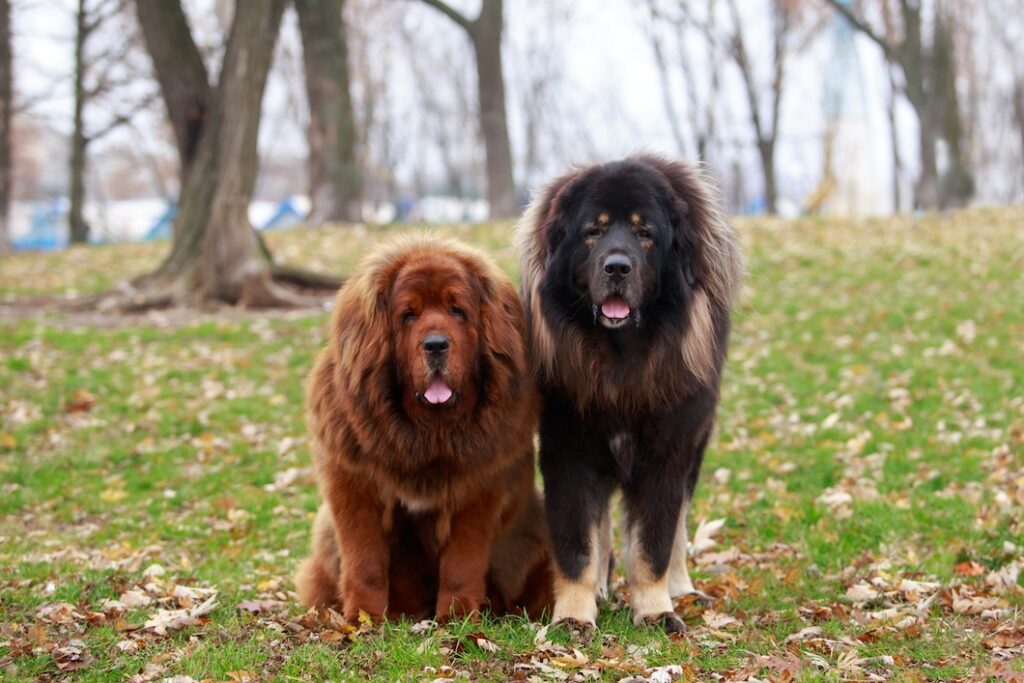
Photo by DevidDO/iStock via Getty Images
Mastiff breeds are known for their enormous size and powerful builds, but despite their intimidating look, many are affectionate and gentle with the people they love.
Although they share some physical traits, different types of mastiffs have their own personalities, activity levels, and care needs. From the wrinkly Neapolitan Mastiff to the fluffy Tibetan Mastiff, here’s a closer look at 11 breeds and what makes each one unique.
1. Mastiff
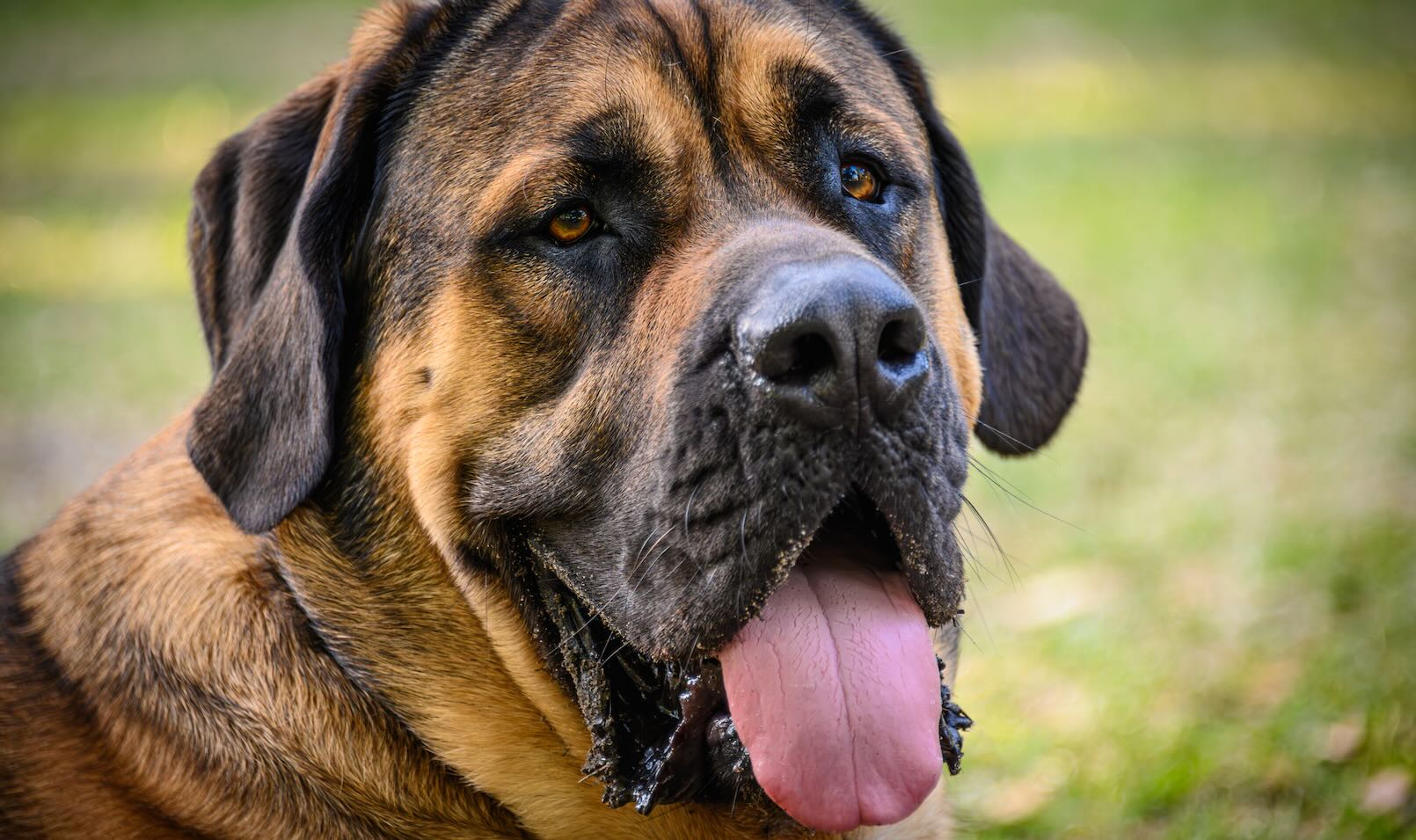
Photo by Darwin Brandis/iStock / Getty Images Plus via Getty Images
- Size: Extra large
- Lifespan: 6–10 years
- Temperament: Dignified, Easygoing, Good-Hearted
The Mastiff, also called the English Mastiff, is one of the largest dog breeds, with some weighing more than 200 pounds. These easygoing dogs are generally calm, affectionate companions who are happiest spending time with their families, typically preferring leisurely walks to strenuous exercise. Their gentle nature makes them appealing family pets, though early training and socialization are essential with such a big dog.
2. Boerboel

Photo by Shutterstock/Miroshnikova Arina
- Size: Extra large
- Lifespan: 9–11 years
- Temperament: Doting, Confident, Loyal
Boerboels are powerful South African mastiffs that were bred as guardian dogs for farms and homesteads. They’re deeply devoted to their families, but can be wary of strangers and other dogs. Unlike the more laid-back English Mastiff, Boerboels need plenty of exercise, mental stimulation, and consistent training. They’re best suited to experienced pet parents who can keep them active and confidently manage their guardian instincts.
3. Bullmastiff
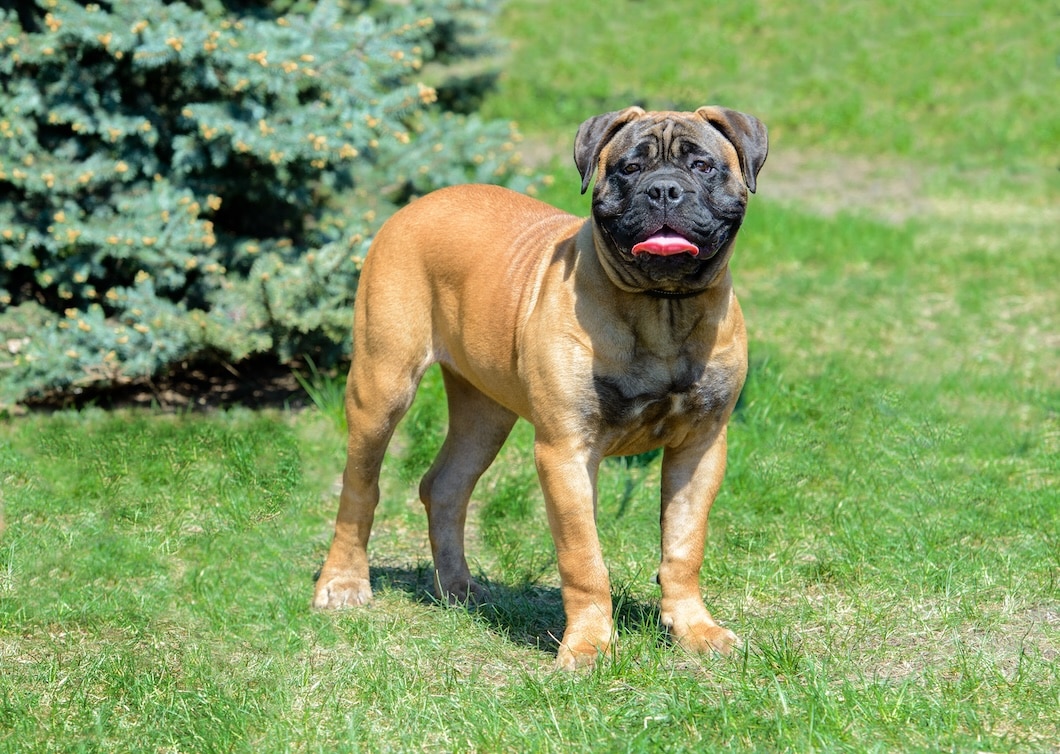
Photo by volofin/iStock via Getty Images
- Size: Extra large
- Lifespan: 7–9 years
- Temperament: Affectionate, Confident, Clumsy
The Bullmastiff was developed in England to help gamekeepers catch poachers. Today, these sturdy dogs are better known for their affectionate personalities and love of family time. They’re generally less active than Boerboels and don’t need strenuous exercise, though daily walks are important. With their short muzzles, wrinkled faces, and tendency to drool, they’re not exactly tidy housemates, but they’re certainly lovable ones.
4. Cane Corso
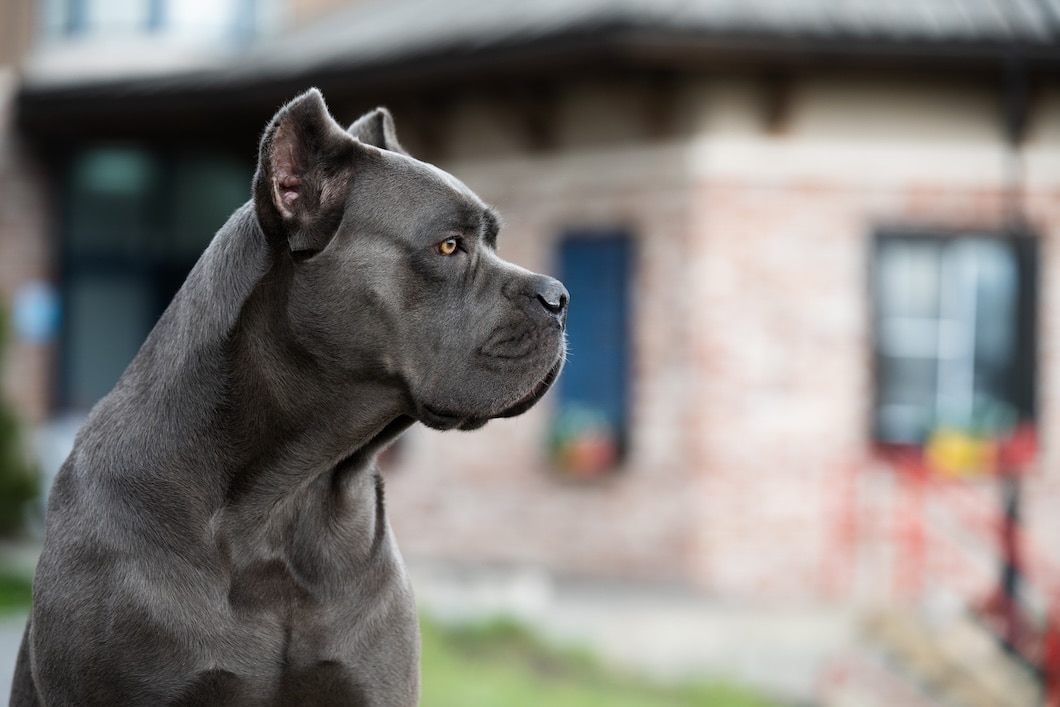
Photo by Taizhan Sakimbayev/iStock via Getty Images
- Size: Large
- Lifespan: 9–12 years
- Temperament: Loyal, Serious, Smart
The Cane Corso is an Italian Mastiff with a sleek, muscular build, and a history of guarding farms and hunting large game. More athletic than many heavier Mastiffs, Cani Corsi need plenty of exercise and mentally engaging activities. Their guardian instincts also call for early socialization and ongoing training. This isn’t typically a breed for first-time dog parents.
5. Dogue de Bordeaux
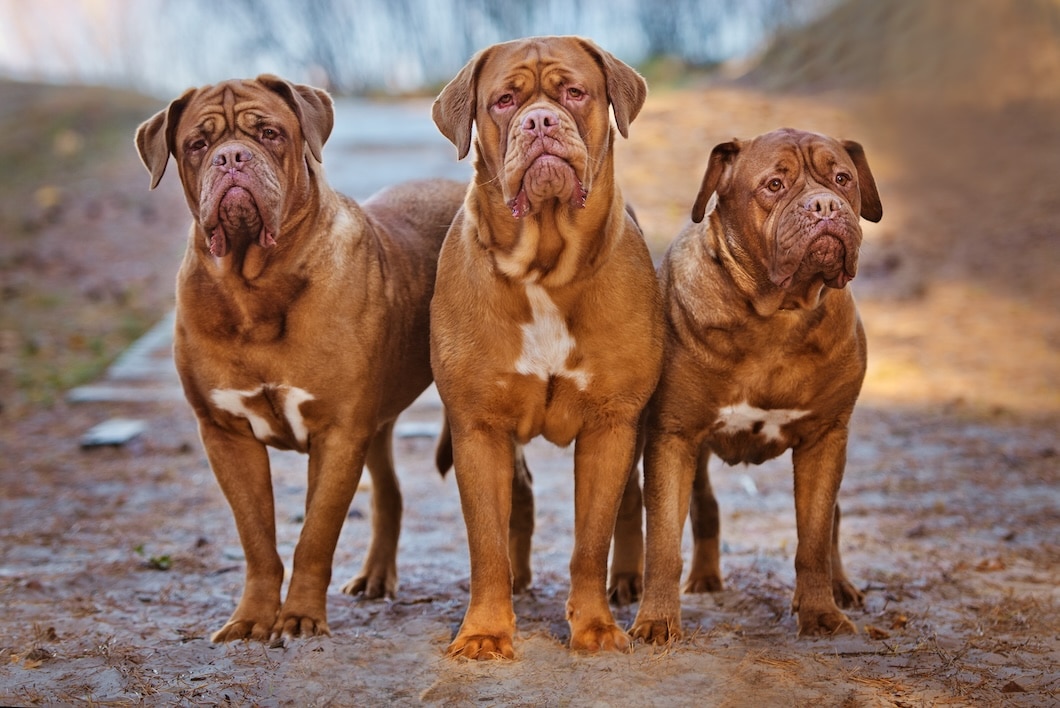
Photo by Adobe/otsphoto
- Size: Extra large
- Lifespan: 5–8 years
- Temperament: Powerful, Quiet, Strong-Minded
With their massive heads, wrinkled faces, and droopy jowls, Dogues de Bordeaux (also called French Mastiffs) have an unmistakable appearance. Movie fans might recognize these Mastiffs from Turner & Hooch.
Once used to guard estates, they’re now affectionate, relatively low-energy companions who are happiest relaxing with their families. However, their independent streak calls for patient training, and those jowls mean plenty of drool.
6. Neapolitan Mastiff

Photo by Chewy
- Size: Extra large
- Lifespan: 7–9 years
- Temperament: Affectionate, Gentle, Sidekick
Few dogs have as many wrinkles as the Neapolitan Mastiff. But beneath all that loose skin is a devoted dog who often follows their favorite person from room to room. Weighing 110–150 pounds, these former Italian guard dogs are typically calm at home and don’t need intense exercise. They do, however, need room to move comfortably—and pet parents who don’t mind some serious slobber.
7. Presa Canario
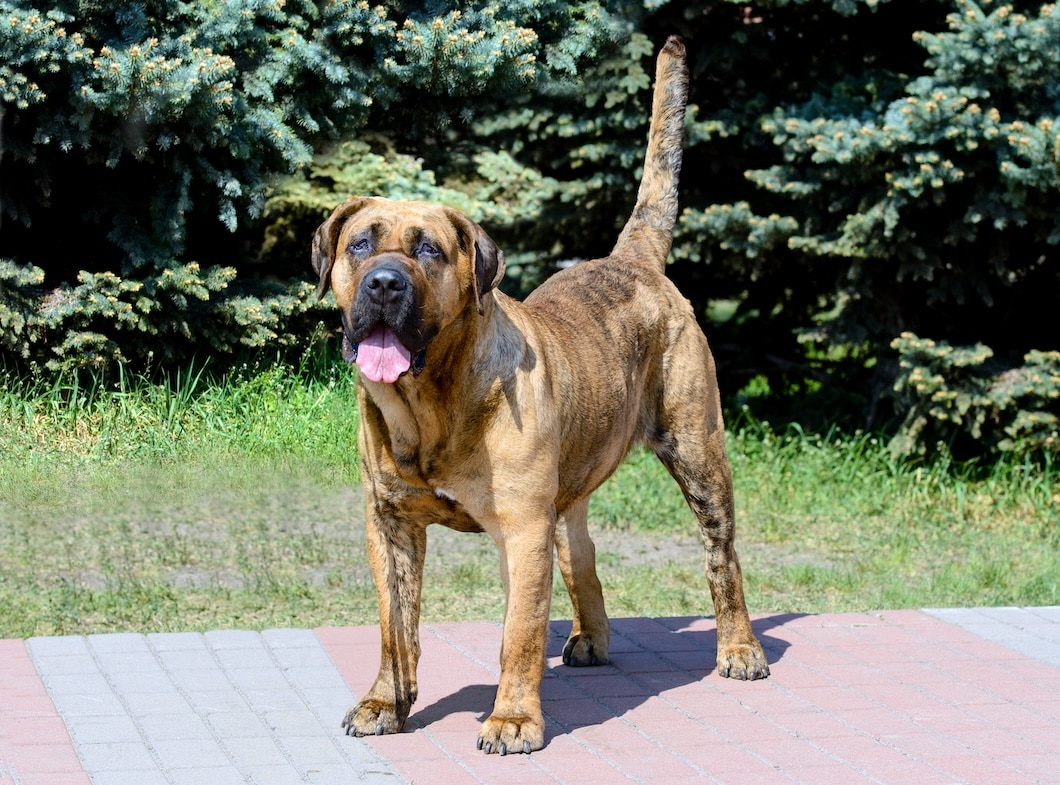
Photo by volofin/iStock via Getty Images
- Size: Large
- Lifespan: 9–11 years
- Temperament: Watchful, Self-Assured, Protective
The Presa Canario has a long history of guarding farms and handling cattle in Spain’s Canary Islands. Today, they’re still confident, watchful dogs who are attentive to their surroundings. They aren’t always eager to follow commands, so they need experienced pet parents who understand guardian breeds and can provide consistent training.
8. Pyrenean Mastiff

Photo by Natalia Miachikova/iStock / Getty Images Plus via Getty Images
- Size: Extra large
- Lifespan: 10–12 years
- Temperament: Gentle, Patient, Independent
The Pyrenean Mastiff was bred to protect sheep from wolves and bears in Spain’s Pyrenees Mountains. These gentle giants tend to get along well with their families and other animals they know. They’re generally calm indoors and don’t need vigorous exercise, but their enormous size makes a spacious home preferable. Like many livestock guardians, they can be independent thinkers, so training takes patience.
9. Spanish Mastiff
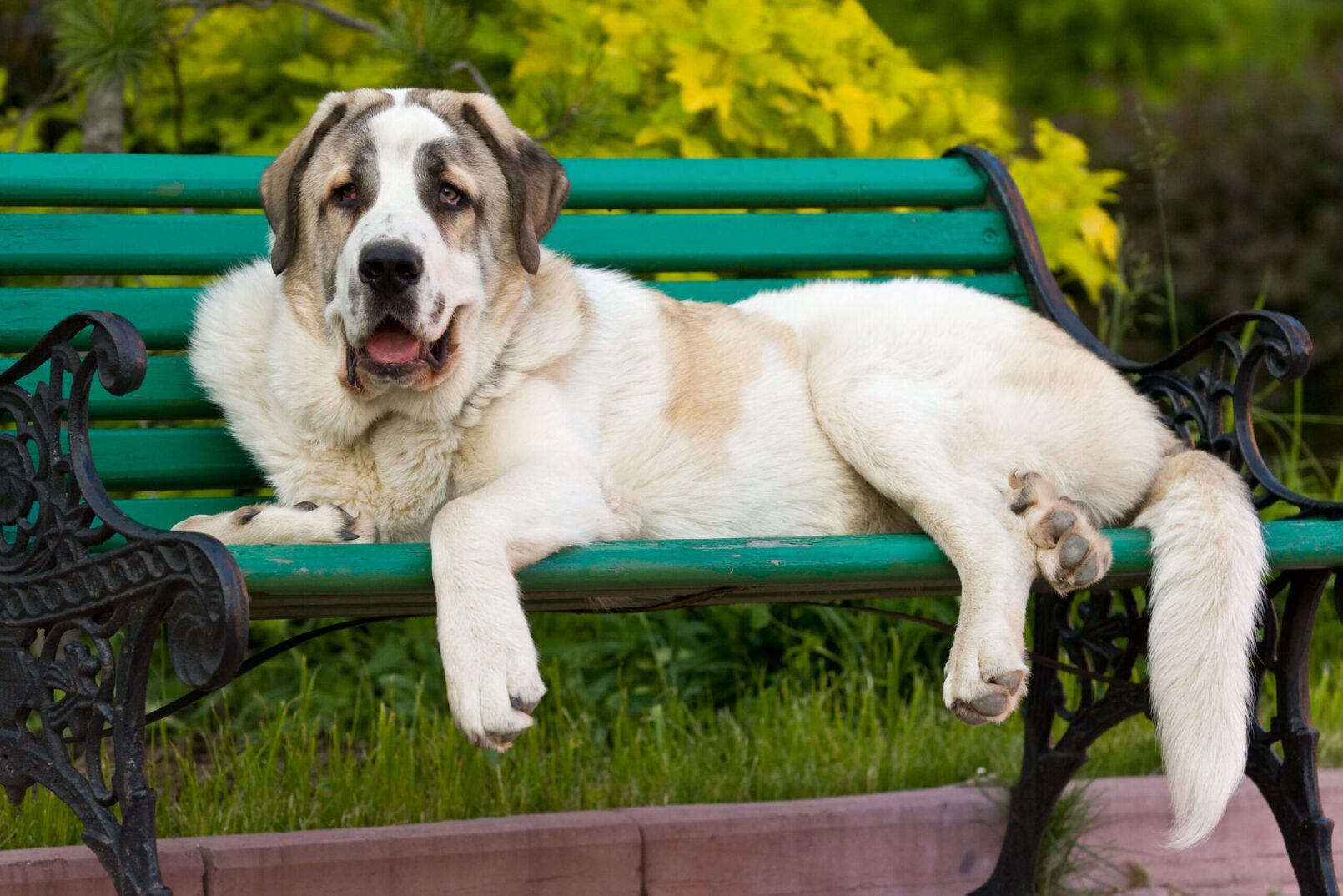
Photo by Adobe_stock/Dixi_
- Size: Extra large
- Lifespan: 10–12 years
- Temperament: Laid-back, Watchful, Independent
The Spanish Mastiff spent centuries accompanying sheep across Spain’s countryside, keeping predators at bay. Accustomed to making decisions on their own, these dogs aren’t the type to follow every cue without question. They’re generally laid-back companions who enjoy keeping an eye on their surroundings, but their booming bark carries over long distances, making it a potential problem for close neighbors. A spacious, quieter home with experienced pet parents is usually the best fit.
10. Tibetan Mastiff
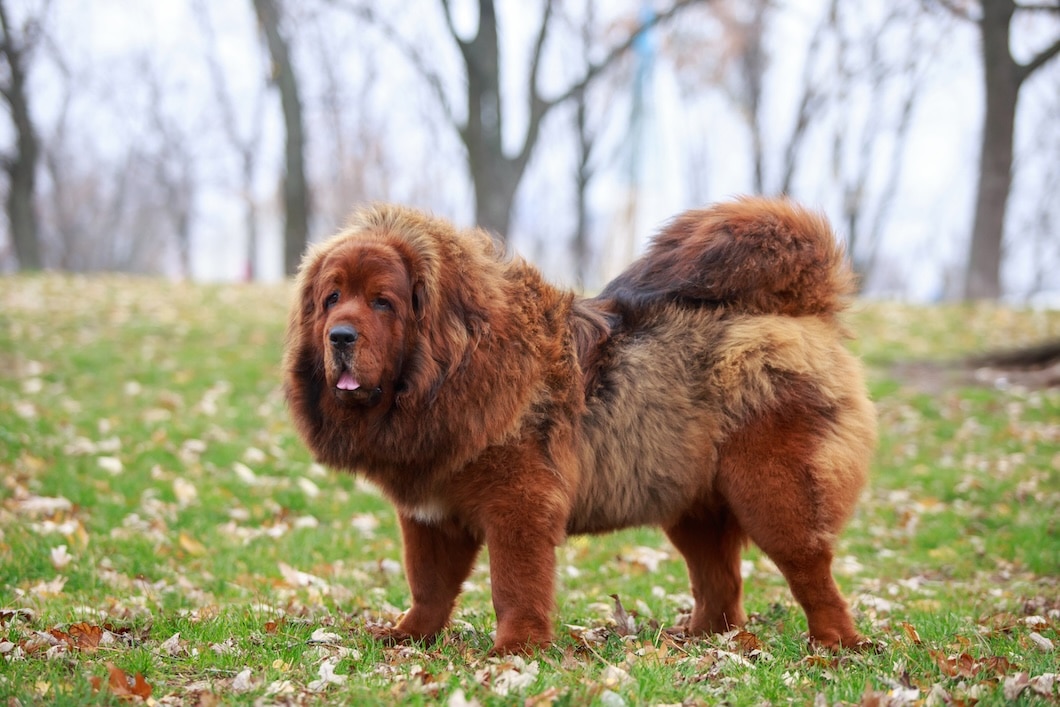
Photo by DevidDO/iStock via Getty Images
- Size: Large
- Lifespan: 10–12 years
- Temperament: Brainy, Introverted, Loyal
Thanks to their thick double coats and lionlike manes, Tibetan Mastiffs look quite different from their short-haired relatives (and need more regular brushing). They’re devoted to their families but reserved with strangers, and they’re more inclined to think for themselves than eagerly follow cues. They’re also known to patrol and bark at night, making them a better match for experienced pet parents who can provide a securely fenced yard and some distance from neighbors.
11. Tosa
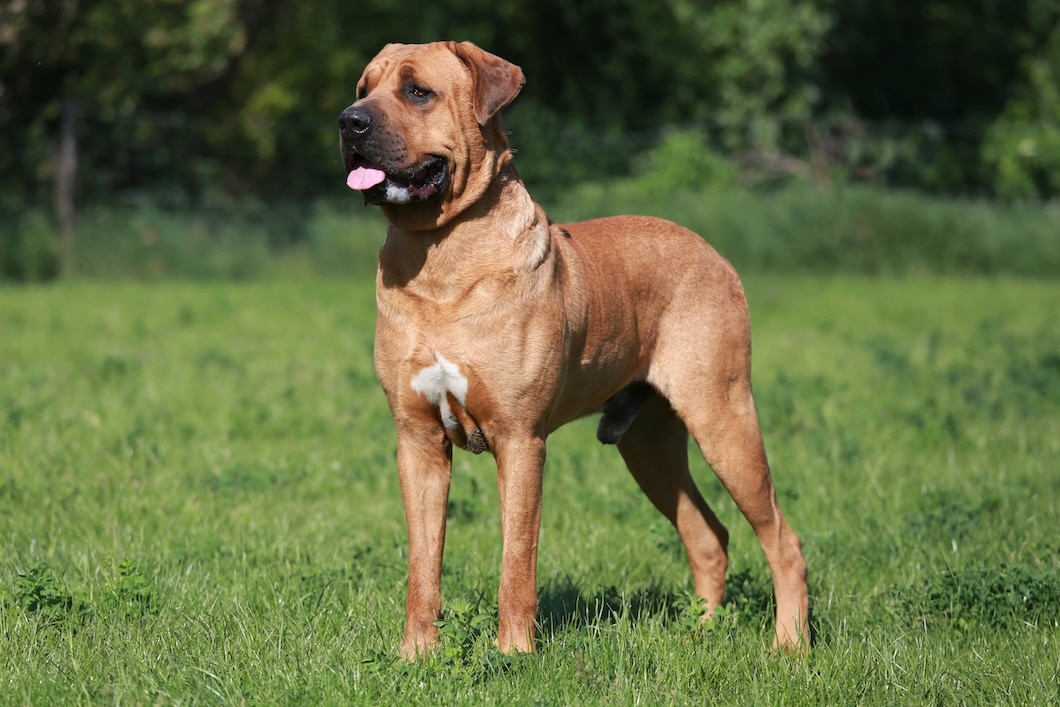
Photo by acceptfoto/iStock via Getty Images
- Size: Large
- Lifespan: 10–12 years
- Temperament: Composed, Reserved, Protective
The Tosa, also called the Japanese Mastiff or Tosa Inu, is a rare breed originally developed for dog fighting in Japan. Despite that history, Tosas are generally quiet and composed, with a watchful nature and affection for their families. They can be wary of unfamiliar dogs, so careful socialization and experienced handling are especially important. Their short coats require relatively little grooming compared with longer-haired Mastiffs.
FAQs About Mastiff Dog Breeds
What is the largest Mastiff breed?
The English Mastiff is generally considered the largest Mastiff breed by weight. Adult males commonly weigh 160–230 pounds, although individual dogs and some other Mastiff breeds can reach similar sizes.
Are Mastiffs good family dogs?
Yes, many Mastiffs are affectionate, devoted family dogs. However, their size and loyalty make early socialization and consistent training essential. Children should always be supervised around these powerful dogs, even when they’re gentle and well behaved.
Which Mastiff breed is best for first-time dog parents?
The English Mastiff may be one of the more manageable choices because of their generally calm, easygoing temperament. However, their enormous size still makes training and handling challenging. Most Mastiff breeds are better suited to people with previous large-dog experience.
What is the lifespan of a Mastiff?
Lifespans vary among Mastiff dog breeds, but most live around 6–12 years. English Mastiffs typically live 6–10 years, while breeds like the Tibetan and Spanish Mastiff can live 10–12 years. Extra-large dogs generally have shorter lifespans than smaller breeds.
Attributions