Boerboel vs. Cane Corso: What’s the Difference?


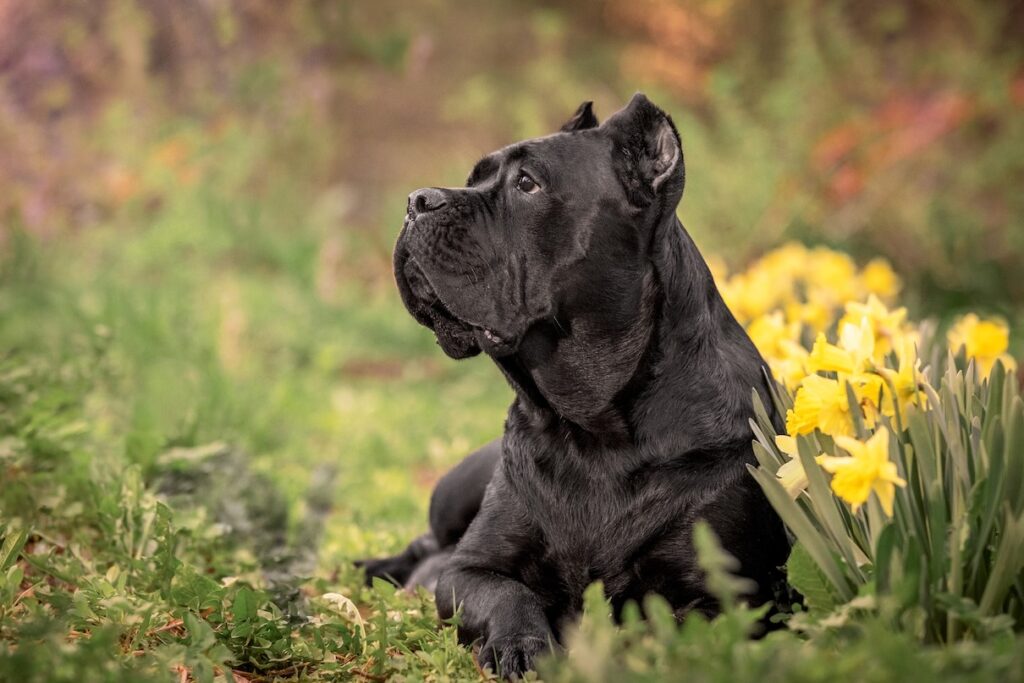
Photo by Dina Damotseva/iStock / Getty Images Plus via Getty Images
If you’re looking for a large, loyal dog who thrives on spending time with their family, the Boerboel and Cane Corso are likely on your shortlist. And while these smart working breeds have a lot in common, they’re far from interchangeable.
Here’s what to know about the Boerboel versus the Cane Corso.
Key Takeaways
- Boerboels and Cani Corsi are smart, loyal working breeds.
- They thrive with experienced pet parents committed to consistent training and socialization.
- Boerboels are significantly heavier than Cani Corsi, weighing 150–200 pounds compared to the Cane Corso’s 88–110 pounds.
- Both breeds need about an hour of daily exercise and enjoy activities that also challenge them mentally.
- Their short coat is relatively easy to maintain, but both breeds benefit from regular brushing, nail trims, dental care, and ear checks.
History
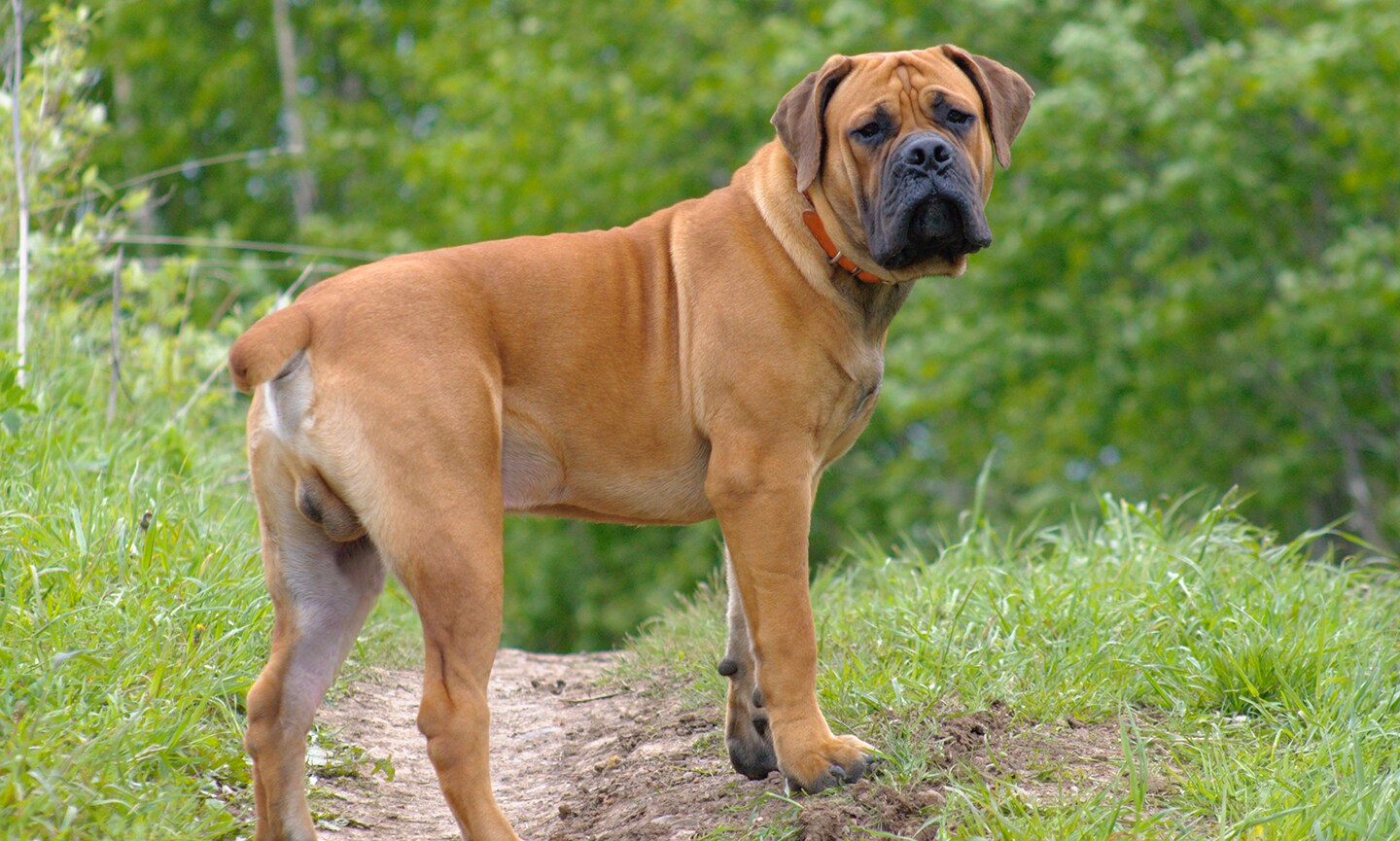
Photo by iStock/AlexanderKondakov
The Boerboel originated in South Africa, where Dutch settlers developed these mastiff-type dogs to work on remote farms, according to the American Boerboel Club. These early Boerboels served as farm dogs and guardians. The dogs were later crossed with Bullmastiffs in the 20th century, helping shape the breed we know today.
The Cane Corso descends from a group of massive Roman working dogs called Molossers. After the Roman Empire dissolved, the Cane Corso’s ancestors became large-game hunters and farm workers. The breed nearly went extinct after the two World Wars but was revived in the late 20th century.
Appearance
At first glance, it’s easy to see why these breeds are often compared. Boerboels and Cani Corsi—the plural form of Cane Corso—both have a muscular build, broad head, and short coat. Look a little closer, though, and their differences become more obvious.
- Size: Both are giant dog breeds, but the Boerboel is substantially heavier. Boerboels stand 22–27 inches tall and weigh 150–200 pounds, while Cani Corsi stand 23.5–27.5 inches tall and weigh 88–110 pounds.
- Head and face: Both breeds have a broad head, but the Boerboel’s head is wider than the Cane Corso’s. Boerboels also have droopier jowls and more facial wrinkles.
- Coat colors: Cani Corsi and Boerboels have a short, dense coat that is relatively easy to care for, but their colors differ. Cane Corso dogs commonly come in black, gray, brindle, red, and fawn. Boerboel coat colors include brown, red, cream, brindle, tawny, and reddish brown.
Personality
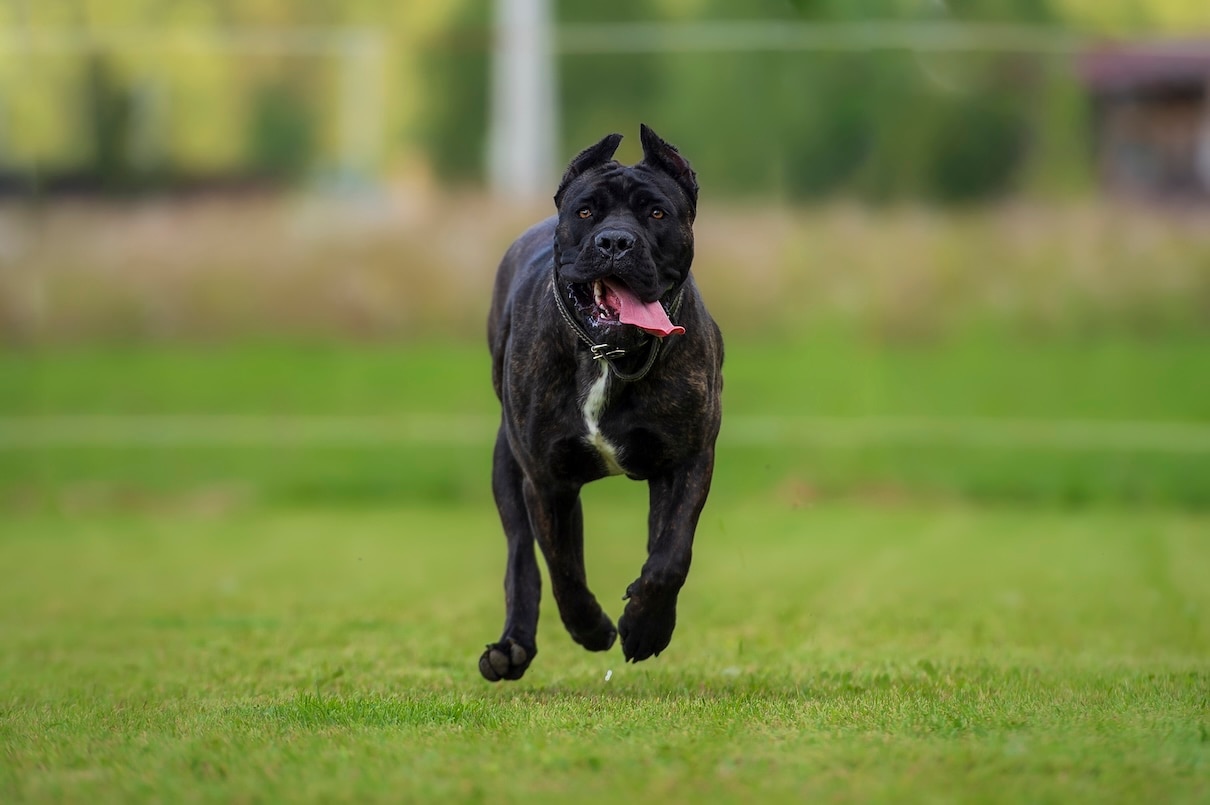
Photo by Sansargo/iStock / Getty Images Plus via Getty Images
Both breeds are hard workers who form close bonds with their families.
Boerboels tend to be calm, confident, and deeply devoted to their people. They often prefer quieter households and may be more reserved around unfamiliar visitors.
The Cane Corso is equally loyal but generally brings a bit more athletic intensity to daily life. These dogs enjoy having structure, learning new skills, and participating in family activities.
While dedicated first-time pet parents may succeed in raising a Cane Corso or Boerboel, these breeds are generally best suited to someone with previous experience training independent working dogs.
Because both are smart, independent thinkers, they benefit from early and ongoing positive-reinforcement training and consistent socialization throughout life. This helps build confidence and teaches dogs how to navigate new people, places, and experiences appropriately.
Exercise Needs

Photo by MirasWonderland/iStock / Getty Images Plus via Getty Images
Cani Corsi and Boerboels have similar exercise needs. Both do best with at least an hour of activity every day, but they’re not cut out for every activity. Sustained high-impact exercise, like a long jog, isn’t the best for these large dogs’ joints. Because of this, neither dog makes a good marathon training buddy, and that’s OK!
Instead, these breeds are generally better suited to lower-impact exercise. Take them on a few 20-minute neighborhood walks or easy hikes, then play with them in a securely fenced backyard. Nose work and scent walks can challenge their mind, too.
Recommended Products
An easy way to incorporate mental stimulation into your dog’s day is with a slow feeder bowl. This makes them use their brain during mealtimes.
Recommended Products
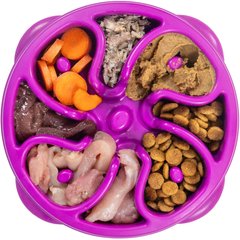
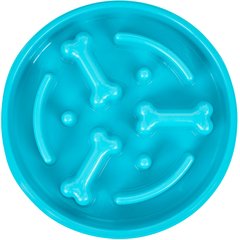
Slow feeder bowls have another benefit, too: They slow your pup down when they eat, reducing the risk of a life-threatening condition called bloat (more on that later).
Grooming
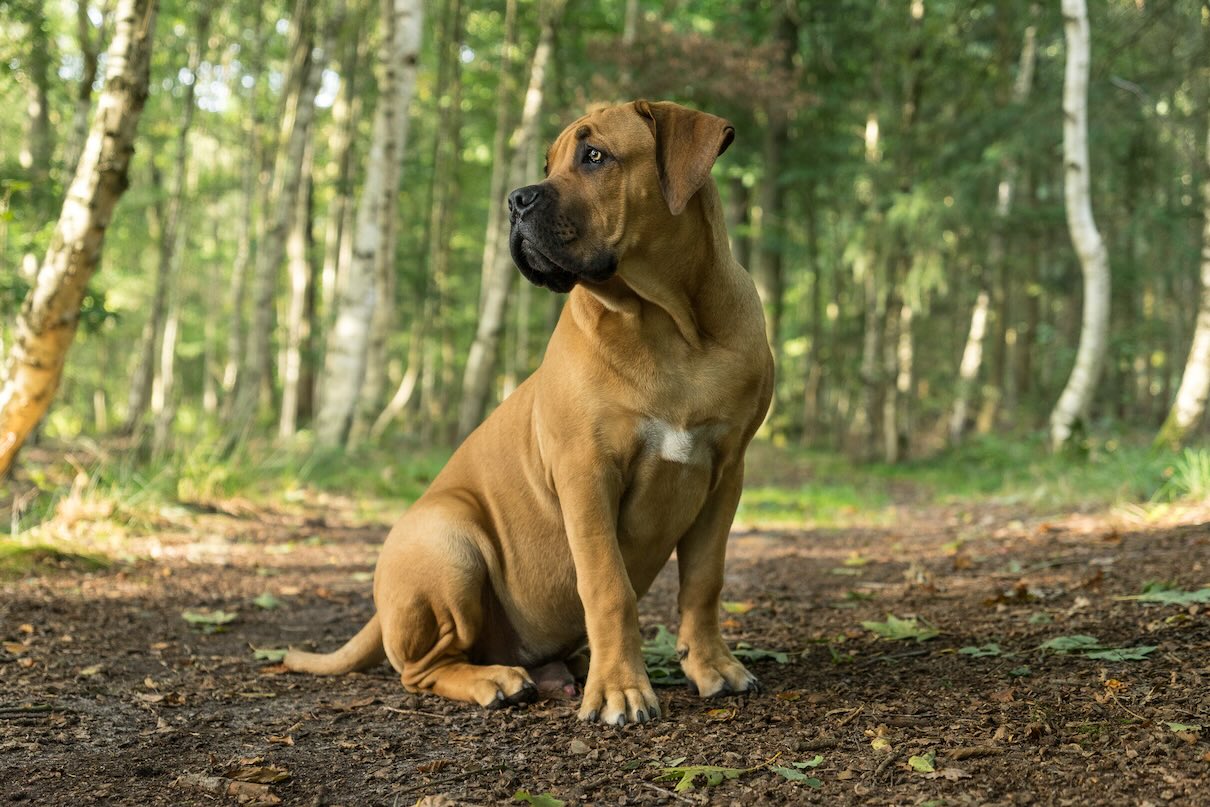
Photo by LeoniekvanderVliet/iStock / Getty Images Plus via Getty Images
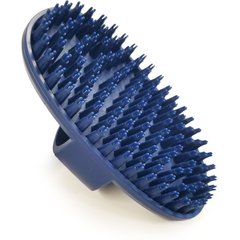
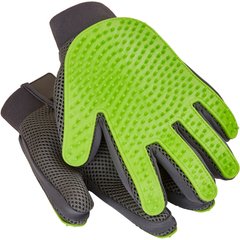
Good news: Neither breed requires elaborate grooming. Both dogs generally do well with weekly brushing using a curry brush or grooming glove. Their short coat sheds moderately year-round and may shed a bit more in the spring and fall.
Recommended Products
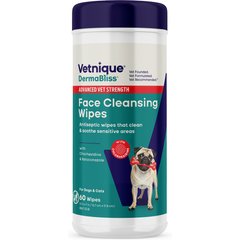
Both breeds, but especially Boerboels, are also known to drool. Pet parents may need to clean their dog’s face regularly with a pet-safe wipe to help reduce irritation and prevent skin infections.
Recommended Product
Along with skin and coat care, you’ll need to:
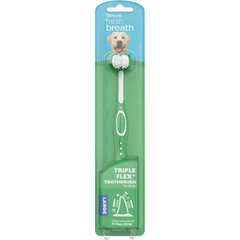
- Brush your dog’s teeth every day with a dog-safe toothpaste and toothbrush.
Recommended Products

- Check their ears regularly for debris, redness, discharge, or odor.
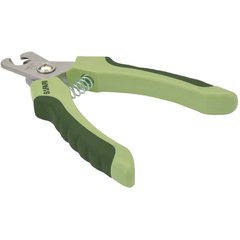
- Trim their nails every few weeks.
Recommended Product
Health
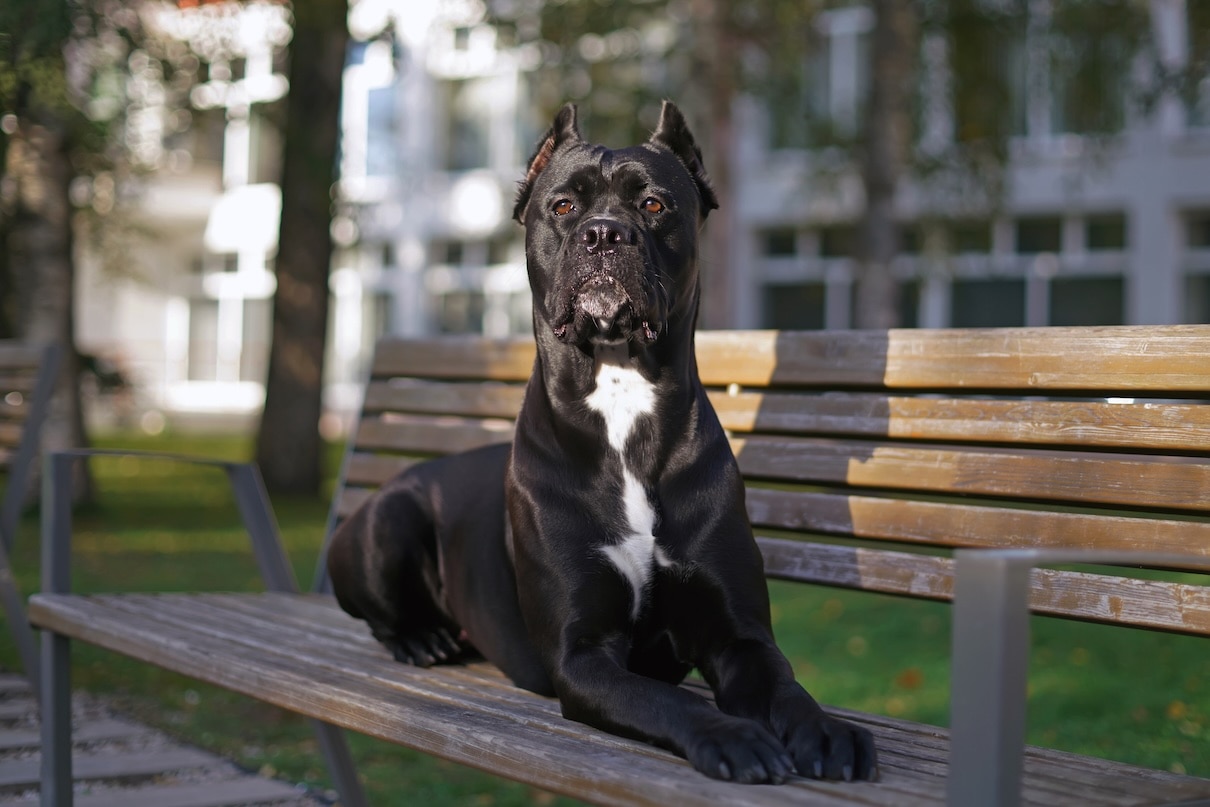
Photo by Eudyptula/iStock / Getty Images Plus via Getty Images
A big risk to both Boerboels and Cani Corsi is bloat, a life-threatening condition in which the stomach distends with food and/or gas. Bloat can quickly progress into gastric dilatation-volvulus, when the stomach twists and cuts off blood supply to some abdominal organs.
Signs of bloat and GDV include:
- Retching without vomiting
- Pacing or restlessness
- Excessive drooling
- Distended abdomen
- Weakness or collapse
If you notice any of these signs in your dog, take them to the emergency vet immediately. These conditions can quickly become fatal.
To help reduce the risk of bloat and GDV, you can:
- Feed multiple small meals each day instead of one large meal. Boerboels and Cani Corsi typically do best with at least two meals per day.
- Use a slow-feeder bowl if your dog eats too quickly, and avoid elevated food bowls.
- Avoid rigorous exercise for two hours before and after your dog eats.
- Talk with your veterinarian about a preventive gastropexy, a procedure that secures the stomach to the abdominal wall to help prevent it from twisting.
As giant breeds, Boerboels and Cani Corsi generally have shorter life spans than the average dog. Boerboels typically live 9–11 years, while Cani Corsi average 9–12 years.
Along with bloat and GDV, these dogs share several other health risks, including:
- Hip dysplasia
- Elbow dysplasia
- Eye problems, such as entropion, ectropion, and cherry eye
Boerboels may also be predisposed to dilated cardiomyopathy, while epilepsy can be a concern in Cani Corsi.
Boerboel vs. Cane Corso: Which Is the Breed for You?
| Breed | Size | Lifespan | Exercise Needs | Grooming Needs | Health Considerations |
|---|---|---|---|---|---|
| Cane Corso | 88–110 pounds | 9–12 years | About one hour daily | Low | High |
| Boerboel | 150–200 pounds | 9–11 years | About one hour daily | Low | High |
Both breeds thrive with active, experienced pet parents who are committed to training, socialization, spending time outdoors, and including their dog in daily life.
Whichever breed you choose, remember that these dogs don’t simply want a backyard—they want a partnership. With thoughtful training, positive reinforcement, early socialization, and plenty of daily interaction, both Boerboels and Cani Corsi can become devoted companions who are happiest right by your side.
Attributions
This article was created with assistance from AI tools. The content has been reviewed for accuracy and edited by a veterinarian.