German Shepherd vs. Dutch Shepherd: Learn How They Compare


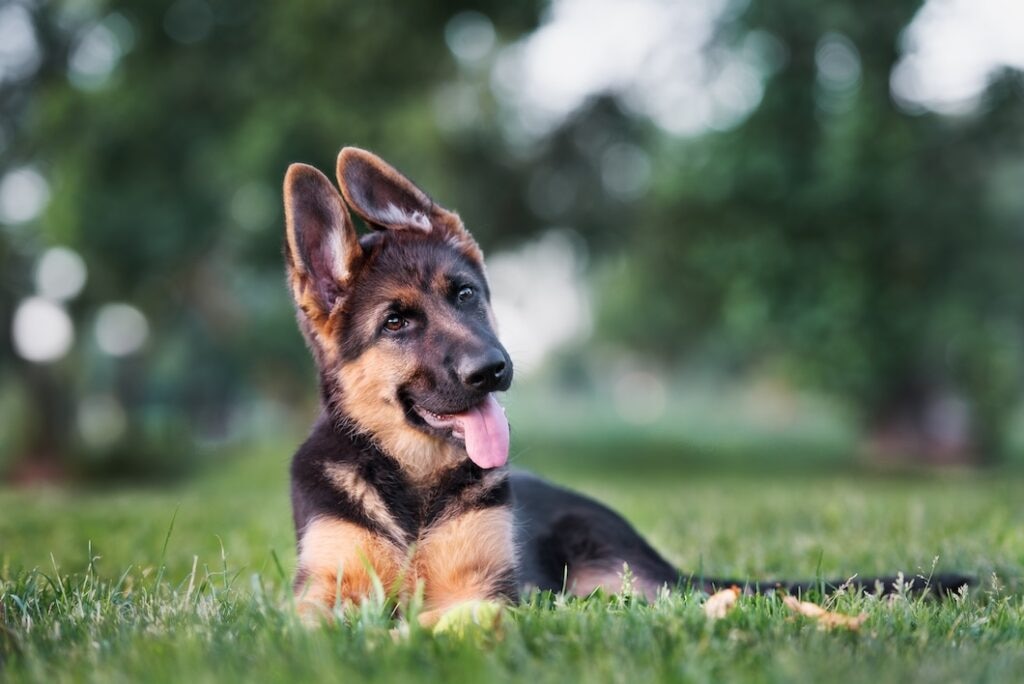
Photo by Adobe/otsphoto
The German Shepherd and the Dutch Shepherd are both intelligent, athletic dogs with deep working histories. But spend a little time with each breed, and you’ll quickly notice all the ways they’re different.
Here’s what to know about German Shepherds versus Dutch Shepherds.
Key Takeaways
- German Shepherds are larger and more recognizable, while Dutch Shepherds have distinctive brindle coats.
- Both breeds are highly intelligent and love to work, making them excellent candidates for dog sports and specialized jobs.
- Dutch Shepherds typically require slightly less grooming, especially the short-haired variety.
- Both breeds need plenty of daily physical exercise and mental enrichment to stay happy and healthy.
- Choosing between these breeds often comes down to your lifestyle, grooming preferences, and experience with active working dogs.
History

Photo by Ksenia Raykova/iStock via Getty Images
Although both German and Dutch Shepherds share herding roots, they developed in different countries for different purposes.
The German Shepherd originated in Germany in the late 1800s, where breeders sought to create the ideal herding and farm dog. The breed quickly gained recognition for their intelligence, versatility, and willingness to work.
Today, German Shepherds have adopted a wide variety of roles, including service dogs, search and rescue, and detection work. They’re also beloved family companions around the world, and one of the most popular dog breeds in the U.S.
The Dutch Shepherd originated in the Netherlands, where they worked alongside shepherds herding sheep. These versatile dogs also pulled carts, watched over farms, and helped with everyday agricultural tasks.
As farming practices changed, the breed became less common. Today, Dutch Shepherds remain relatively rare—but they continue to excel in working roles and canine sports thanks to their athleticism and intelligence.
Appearance
While these breeds have similar athletic builds, they’re easy to tell apart once you know what to look for.
Size
German Shepherds are generally larger than Dutch Shepherds:
- German Shepherd: 22–26 inches tall and 50–90 pounds
- Dutch Shepherd: 21.5–24.5 inches tall and 42–75 pounds
German Shepherds also have a longer body and more substantial frame, while Dutch Shepherds tend to have a leaner, more agile appearance.
Coat
The easiest way to distinguish these breeds is by their coat: German Shepherds most commonly have black and tan coloring, although they also come in sable, black, bicolor, and other accepted colors. Their double coat may be medium or long.
Dutch Shepherds are known for their brindle coats, which may be gold or silver brindle. They come in three coat varieties: short-haired, long-haired, and rough-haired. The brindle pattern is a defining characteristic of the breed.
Head and Expression
Both breeds have large, erect ears and alert expressions. But German Shepherds have a broad, wedge-shaped head with a strong muzzle, while Dutch Shepherds have a slightly leaner head.
Personality

Photo by Mindaugas Dulinskas/iStock via Getty Images
As smart working dogs, German Shepherds and Dutch Shepherds share many of the same personality traits.
Both are loyal, confident, and eager to learn. They thrive when they’re included in family activities and given consistent training using positive reinforcement. Because they’re highly intelligent, they enjoy learning new skills and often excel in advanced obedience and canine sports.
Both do best in active homes where they can stay busy by participating in regular training, games, and outdoor adventures.
Like many herding breeds, they benefit from early socialization and ongoing mental stimulation throughout adulthood.
Both breeds form strong bonds with their families and enjoy having a job to do.
Exercise Needs
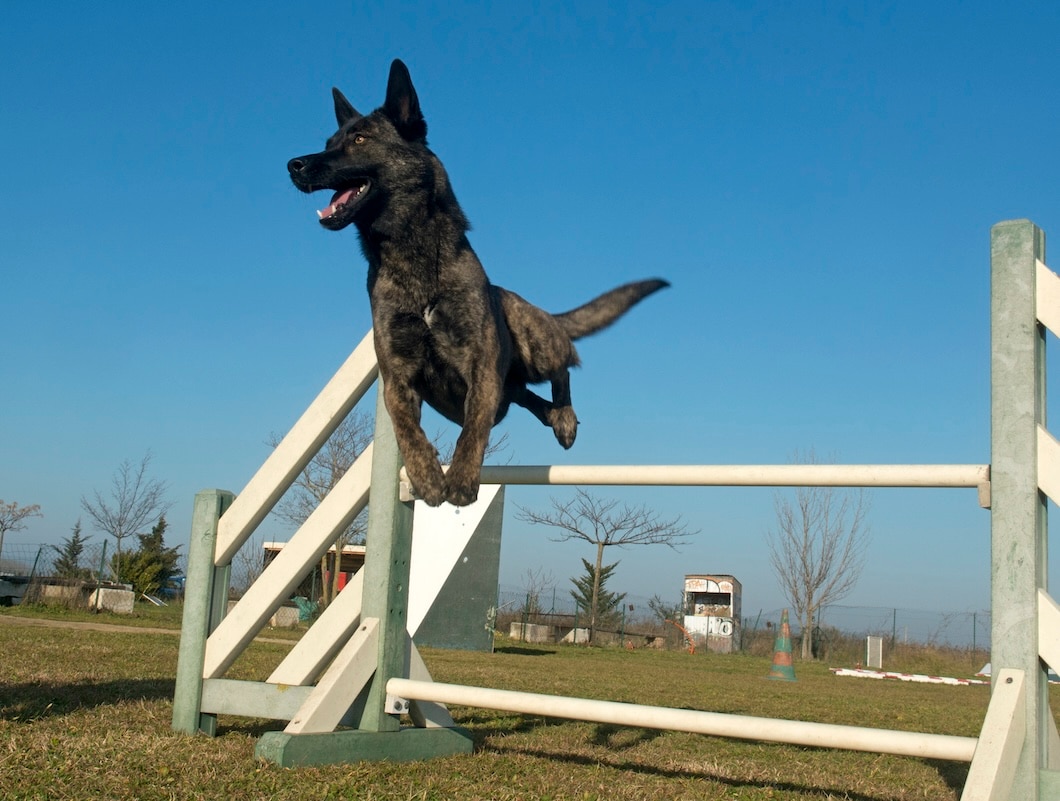
Photo by cynoclub/iStock via Getty Images
Simply put, neither of these breeds is best suited to a lazy lifestyle—they are both highly active dogs.
German Shepherds and Dutch Shepherds need one to two hours of daily activity and thrive when they have structured jobs to perform. Both enjoy long walks, hikes, runs, games of fetch, and agility.
Recommended Products

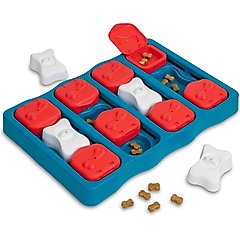
Exercising their brain is just as important as exercising their bodies. These breeds benefit from nose work and scent work, interactive games that tap into their athleticism and problem-solving skills, and puzzle toys.
Recommended Products

Grooming

Photo by Adobe/anya_titanya
Both breeds have double coats, but grooming needs vary.
German Shepherds shed year-round and heavily during seasonal coat changes. Brush two to three times each week with a pin brush, and more often during heavy shedding periods (spring and fall), to remove loose hair and keep the coat healthy.
Recommended Product

For short-haired Dutch Shepherds, use a slicker brush every two weeks to keep their coat shiny and their shedding under control. You’ll also need to use a gentle deshedding tool during heavy shedding seasons.
Recommended Products
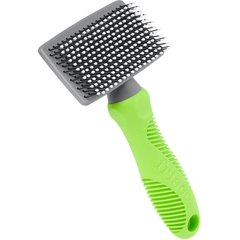

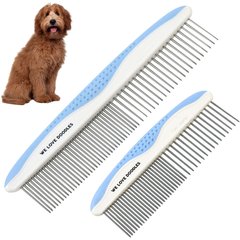
Long-coated Dutch Shepherds need to be brushed weekly with a slicker brush followed by a comb. They’ll also shed more in the spring and fall, so brush them every day then and use a deshedding tool.
Use a comb once a month for rough-coated Dutch Shepherds. They’ll also need to be hand-stripped at the groomer a few times a year to keep the fur healthy. This is best left to a professional.
Recommended Product
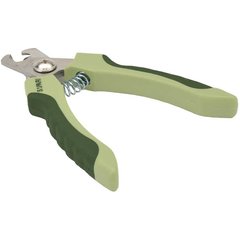
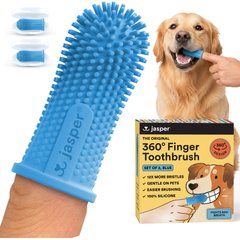
Like most dogs, both breeds benefit from regular nail trims, ear cleaning, teeth brushing and professional dental cleanings, and occasional baths using a dog shampoo.
Recommended Products

Health
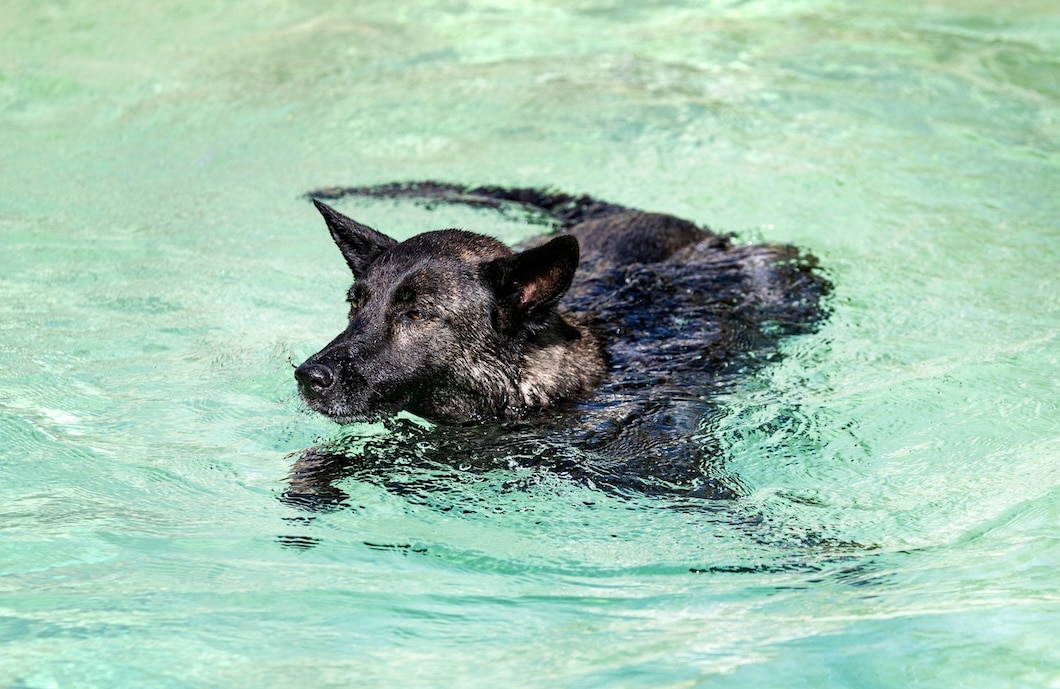
Photo by cynoclub/iStock via Getty Images
Both German Shepherds and Dutch Shepherds can develop:
German Shepherds are predisposed to a wider range of inherited health conditions than Dutch Shepherds, including:
- Allergies
- Certain cancers
- Degenerative myelopathy
- Dilated cardiomyopathy
- Epilepsy
- Exocrine pancreatic insufficiency
- Pannus
Compared with German Shepherds, Dutch Shepherds have fewer recognized breed-specific health concerns. In addition to the shared conditions above, however, they may develop:
Maintaining a healthy weight; feeding a balanced, high-quality dog food diet; scheduling regular veterinary checkups; and choosing a responsible breeder can all help support lifelong health.
Recommended Products


Which Is the Breed for You?
| Breed | Size | Lifespan | Exercise Needs | Grooming Needs | Health Considerations |
|---|---|---|---|---|---|
| German Shepherd | 22–26 inches; 50–90 pounds | 12–14 years | 1–2 hours daily | Brush two to three times weekly; more often during shedding seasons | Hip dysplasia, elbow dysplasia, degenerative myelopathy, bloat, cancer, epilepsy |
| Dutch Shepherd | 21.5–24.5 inches; 42–75 pounds | 11–14 years | At least 1–2 hours daily | Weekly to frequent brushing depending on coat type | Hip dysplasia, elbow dysplasia, bloat, glaucoma, hypothyroidism |
Both breeds are a great fit for active pet parents seeking a loyal, versatile companion. Whichever breed you choose, both do best with positive reinforcement training, early socialization, regular veterinary care, and plenty of daily physical and mental exercise.
Attributions