Doberman Pinscher vs. Great Dane


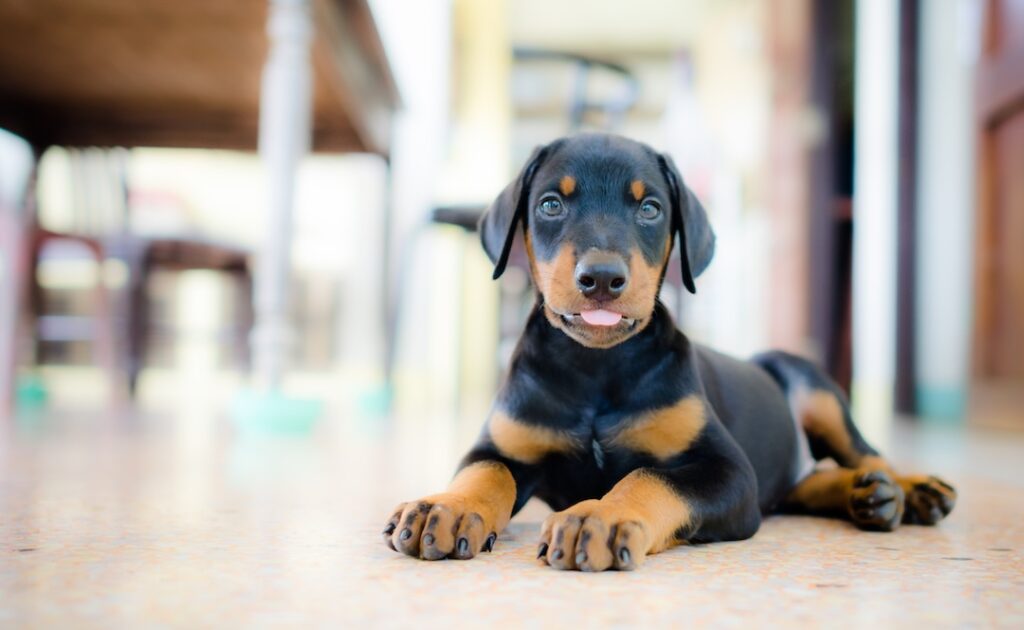
Photo by primeimages/iStock via Getty Images Plus
Deciding between a Doberman Pinscher versus a Great Dane means looking beyond size. While both are large, people-oriented dogs with German roots, living with each can be quite different.
Key Takeaways
- Great Danes are significantly larger than Doberman Pinschers.
- Doberman Pinschers are the more active of the two, needing up to double the exercise of a Great Dane.
- Both breeds have short coats and relatively simple grooming routines, though they do shed.
- Dobermans are generally more energetic, while Great Danes are known for a calmer, goofy personality.
- Always research the breed you’re interested in before bringing a dog home to find the best fit for your lifestyle.
History
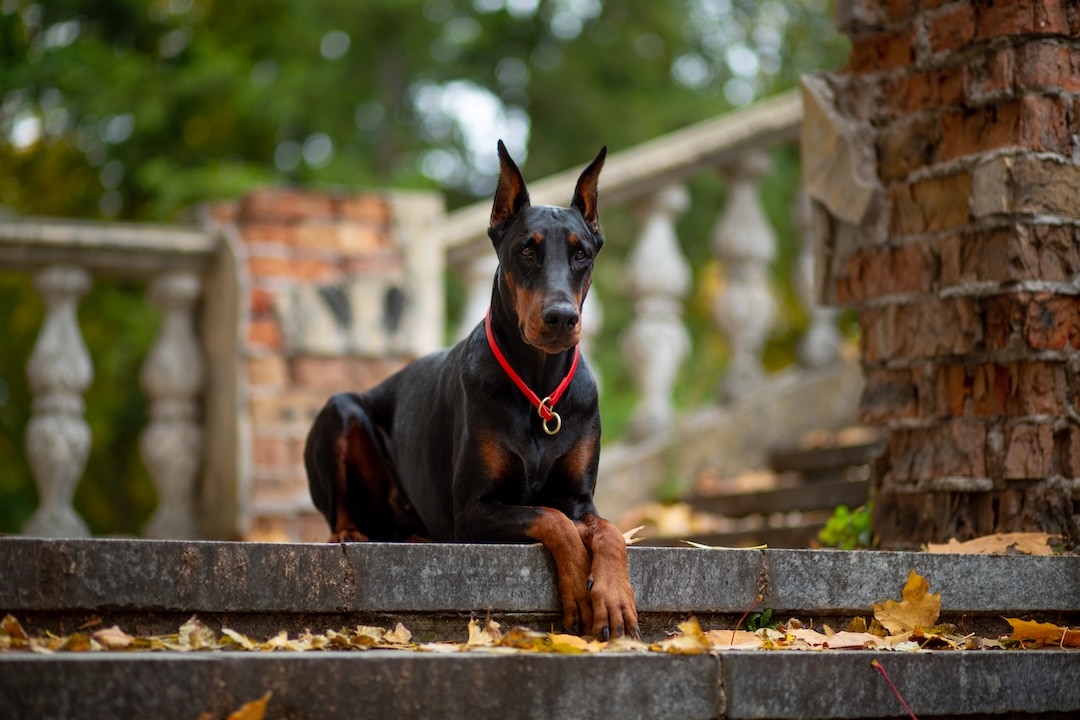
Photo by Svetlana Belkina/iStock via Getty Images Plus
Despite their very different appearances, the Doberman Pinscher and Great Dane both have German roots.
The Doberman Pinscher dates to 19th-century Germany, where tax collector Louis Dobermann set out to develop a smart, strong, and loyal working dog, according to the Doberman Pinscher Club of America. It’s believed he used many breeds in the dog’s creation, possibly including the Greyhound, Manchester Terrier, German Pinscher, and the now-extinct Old German Shepherd.
After Dobermann died, the breed was named in his honor. Doberman Pinschers reached the U.S. by the early 1900s, and the American Kennel Club recognized the breed in 1908.
Great Danes have a much older lineage. They descend from ancient Mastiff-type dogs and, despite their name, were developed in Germany rather than Denmark. The AKC recognized the Great Dane in 1887, but their ancestors were used for boar hunting and as guardian dogs centuries earlier.
Appearance
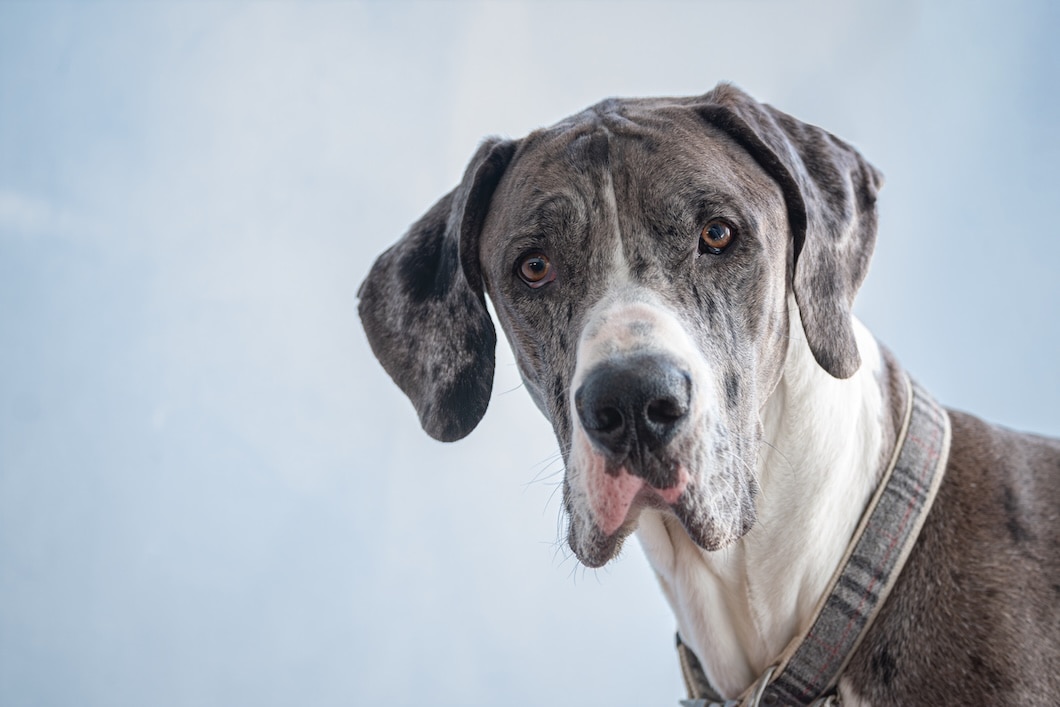
Photo by David Gillis/iStock via Getty Images
There’s little chance of confusing these two dogs when they’re side by side. Though both are tall and short-coated, Great Danes are Size and Build , while Doberman Pinschers have a smaller, more athletic frame.
Size and Build
Doberman Pinschers stand 24–28 inches tall and weigh 60–100 pounds. They have a streamlined, muscular build that reflects their athleticism.
Great Danes tower over most dogs at 28–32 inches tall and 110–175 pounds. They’re one of the tallest dog breeds, with a substantial frame and long legs.
Coat Color
Both breeds have short, smooth coats, but their colors make them fairly easy to distinguish.
Doberman Pinschers can be black and rust, red and rust, blue and rust, or fawn and rust. Their distinctive rust markings appear in predictable areas of the body, including the face and legs.
Great Danes come in a wider variety of colors and patterns, including black, blue, brindle, fawn, harlequin, mantle, and merle.
Head
Both breeds have a long head with ears that are naturally triangular and floppy, though sometimes cropped. (However, ear cropping is a controversial cosmetic procedure opposed by veterinary organizations including the American Veterinary Medical Association.)
The Doberman’s head is narrower than the Great Dane’s wide, rectangular-shaped head. Great Danes also have droopier jowls (and therefore tend to drool a lot).
Great Dane noses are usually black, while a Doberman’s can be black, dark brown, dark tan, or dark gray depending on their coat color.
Personality
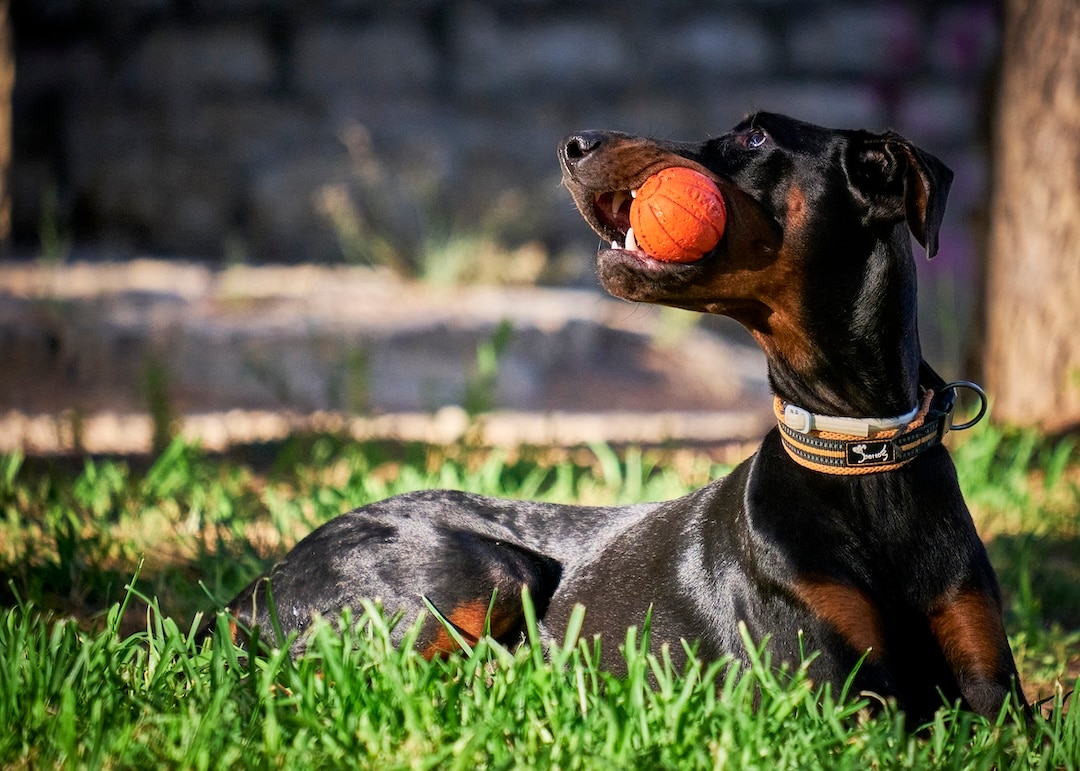
Photo by Pedro Senso/iStock via Getty Images Plus
Both Doberman Pinschers and Great Danes tend to become very attached to their people. But the way they approach daily life can feel quite different.
Doberman Pinschers are active, loyal, and alert. They tend to enjoy being involved in whatever their family is doing, especially when that involves exercise or play.
Great Danes are typically affectionate, calm, and goofy. Despite their enormous size, many want to stay close to their people and may even attempt to squeeze themselves into a lap.
Both dogs benefit from regular training and mental enrichment as well as physical activity. Early socialization is also an important part of raising confident adult dogs.
Exercise Needs
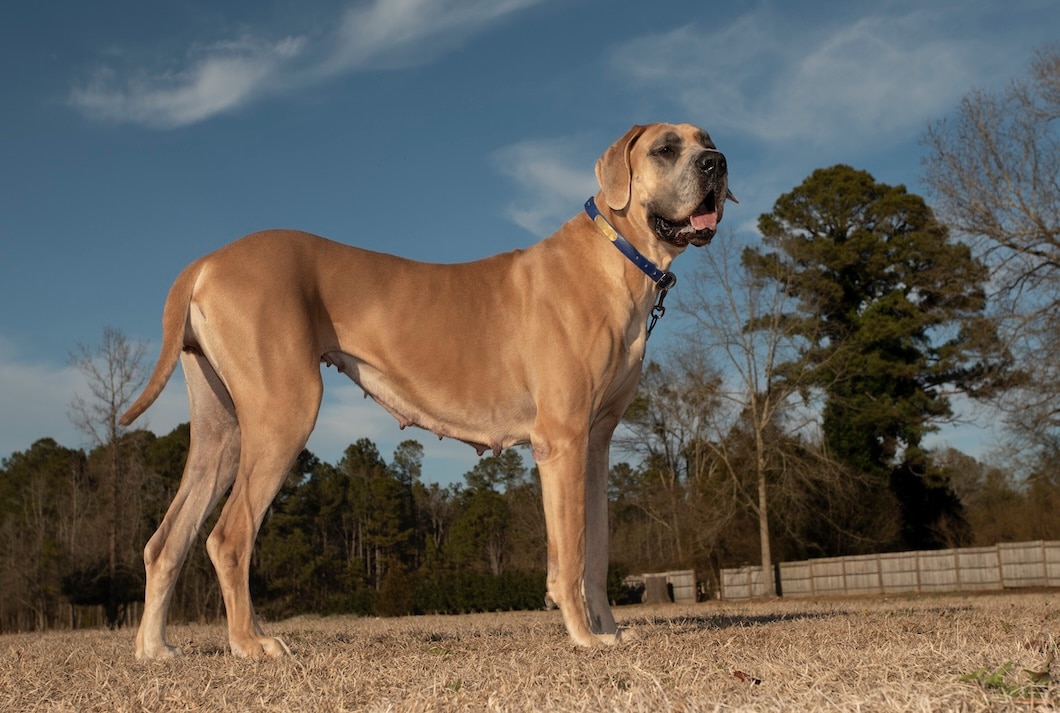
Photo by gsagi/iStock via Getty Images
Here’s where the difference between a Doberman Pinscher and a Great Dane becomes especially noticeable.
Doberman Pinschers need at least an hour of exercise every day, but they won’t say no to more. Walks, runs, hikes, fetch, scent work, and games such as hide-and-seek can help meet their physical and mental needs. Dog sports, including agility and dock diving, can also provide an outlet for their athleticism.
Recommended Products

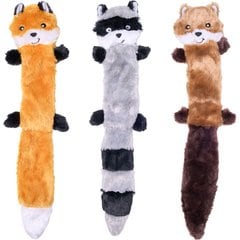
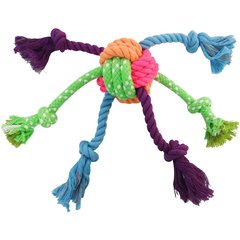
Great Danes typically need 30–60 minutes of exercise each day. While neighborhood walks and playtime in a fenced yard can meet much of their exercise needs, adult Great Danes may also enjoy hiking and dog sports. Mental enrichment with interactive toys can help keep their minds busy, too.
Recommended Products
Great Dane puppies require extra consideration because of their rapidly growing bodies. Wait until a Great Dane is 2 years old before taking them on long hikes or jogs to help protect their developing joints.
Grooming
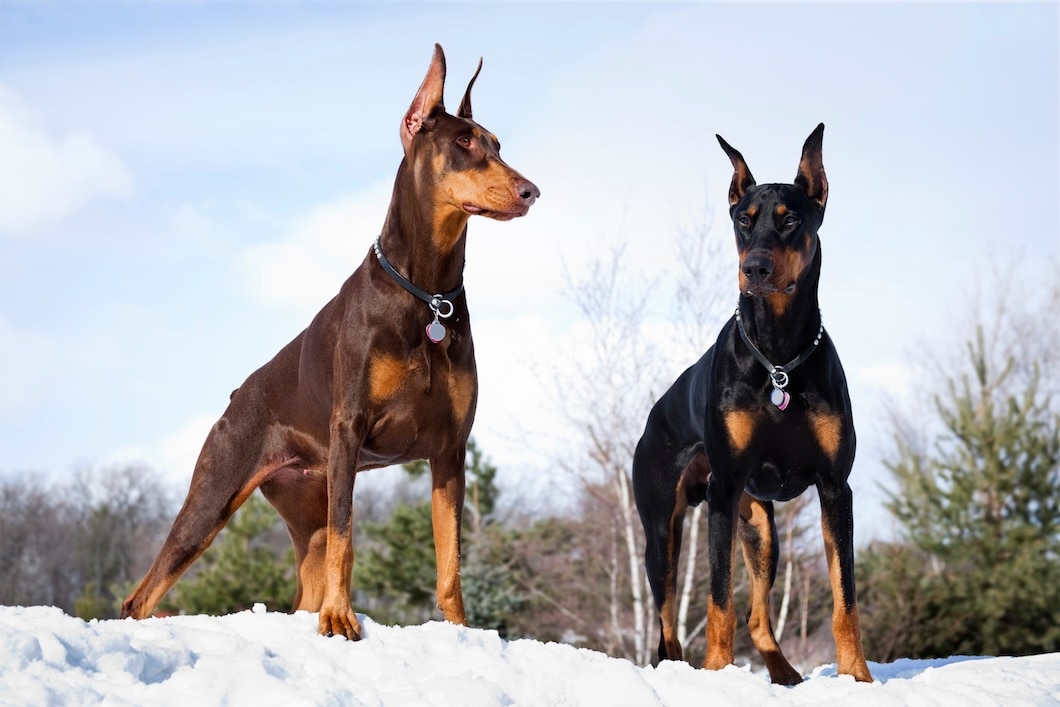
Photo by JamesBrey/E+ via Getty Images
Both dogs are relatively low-maintenance when it comes to coat care, thanks to their short and sleek fur.
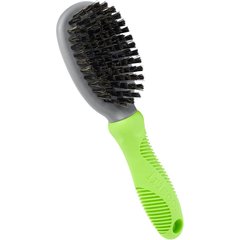
Brush your Doberman Pinscher a couple of times each week with a bristle brush to remove loose hair and keep their sleek coat looking shiny. Pinschers need a bath about once a month or when they get dirty.
Recommended Product
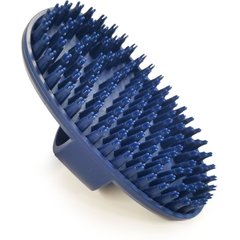
Great Danes can be brushed once or twice a week (a curry brush works well) and bathed every couple of months, unless they get especially dirty.
Recommended Product
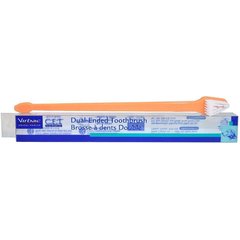
For both dogs, trim their nails monthly or when they get long, check their ears regularly, and brush their teeth daily.
Recommended Products

One extra consideration with a Great Dane: drool. Keeping a towel or dog-cleaning wipes handy can make cleaning their face—and your furniture—a little easier.
Recommended Product

Health
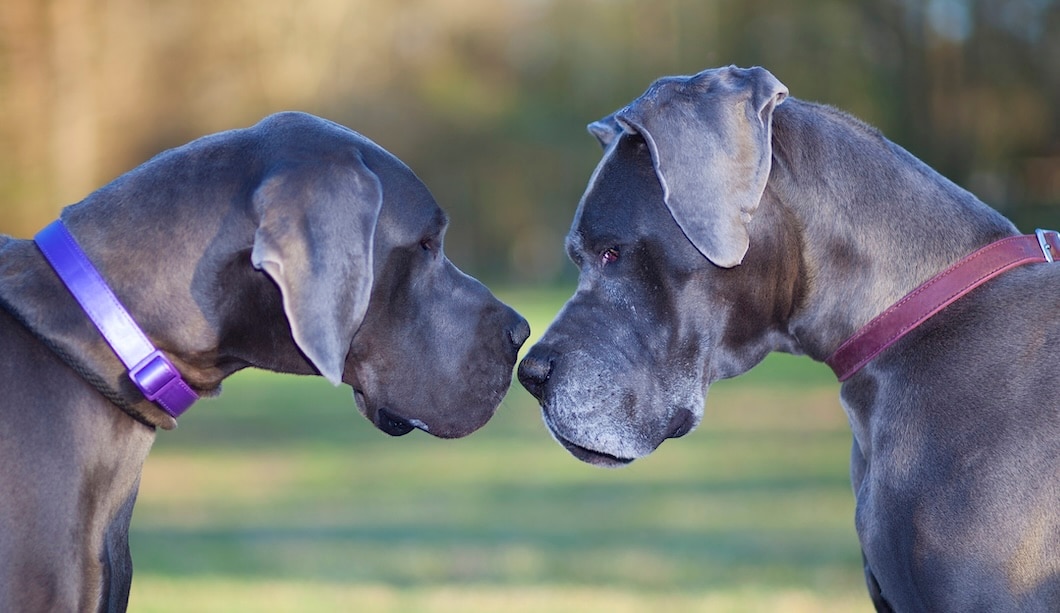
Photo by gsagi/iStock via Getty Images
Doberman Pinschers and Great Danes share several breed-related health concerns. One of the most serious is bloat.
Bloat in dogs is a life-threatening emergency in which the stomach becomes distended with food and/or gas. Sometimes, the stomach can twist and cut off blood to major organs. This is called gastric dilatation-volvulus.
Take your dog to the vet immediately if you notice symptoms like pacing, excessive drooling, retching, and a distended stomach.
To reduce the risk of bloat and GDV:
- Feed your dog multiple smaller meals instead of one big daily meal. Adult Dobermans and Great Danes do best with two daily meals.
- Offer your dog food in a slow feeder bowl.
- Do not elevate your dog’s bowl.
- Do not exercise your dog for one hour after they eat.
- Talk to your vet about a gastropexy procedure, which secures the stomach to the abdominal wall to prevent twisting.
Other conditions both breeds share include:
This is not a complete list of all the health problems that these two breeds can develop. If you’re getting a puppy from a breeder, work with a responsible breeder who performs the appropriate health testing for their dogs.
Regular veterinary checkups; maintaining a healthy weight; feeding an appropriate complete and balanced diet; and paying attention to changes in your dog’s movement, appetite, or behavior can help keep your dog healthy and happy.
Which Is the Breed for You?
| Breed | Size | Lifespan | Exercise Needs | Grooming Needs | Health Considerations |
|---|---|---|---|---|---|
| Doberman Pinscher | 24–28 inches; 60–100 pounds | 10–12 years | High; at least 1 hour daily | Low; brush a couple of times per week | Higher than average health considerations |
| Great Dane | 28–32 inches; 110–175 pounds | 7–10 years | Moderate; 30–60 minutes daily | Low; brush one to two times weekly | Higher than average health considerations |
If you want an athletic dog who can join you for long walks, hikes, games, training, and other active pursuits, the Doberman Pinscher may be your match. Their high exercise needs mean they’re best suited to pet parents who have plenty of time each day to provide their dog with physical activity and mental enrichment.
If you love giant dogs and prefer a companion with more moderate exercise needs, the Great Dane may be a better fit. They still need daily activity and enrichment, but many are content to relax at home after their exercise needs are met.
The Dane’s giant size does require some practical planning, from having enough room for an enormous dog bed to budgeting for food and potential boarding costs with a 110- to 175-pound pet.
Recommended Product

Both breeds can be affectionate, devoted family companions. Whichever dog you choose, consistent positive-reinforcement training, early socialization, appropriate exercise, and regular veterinary care can help set you up for many happy years together.
Attributions